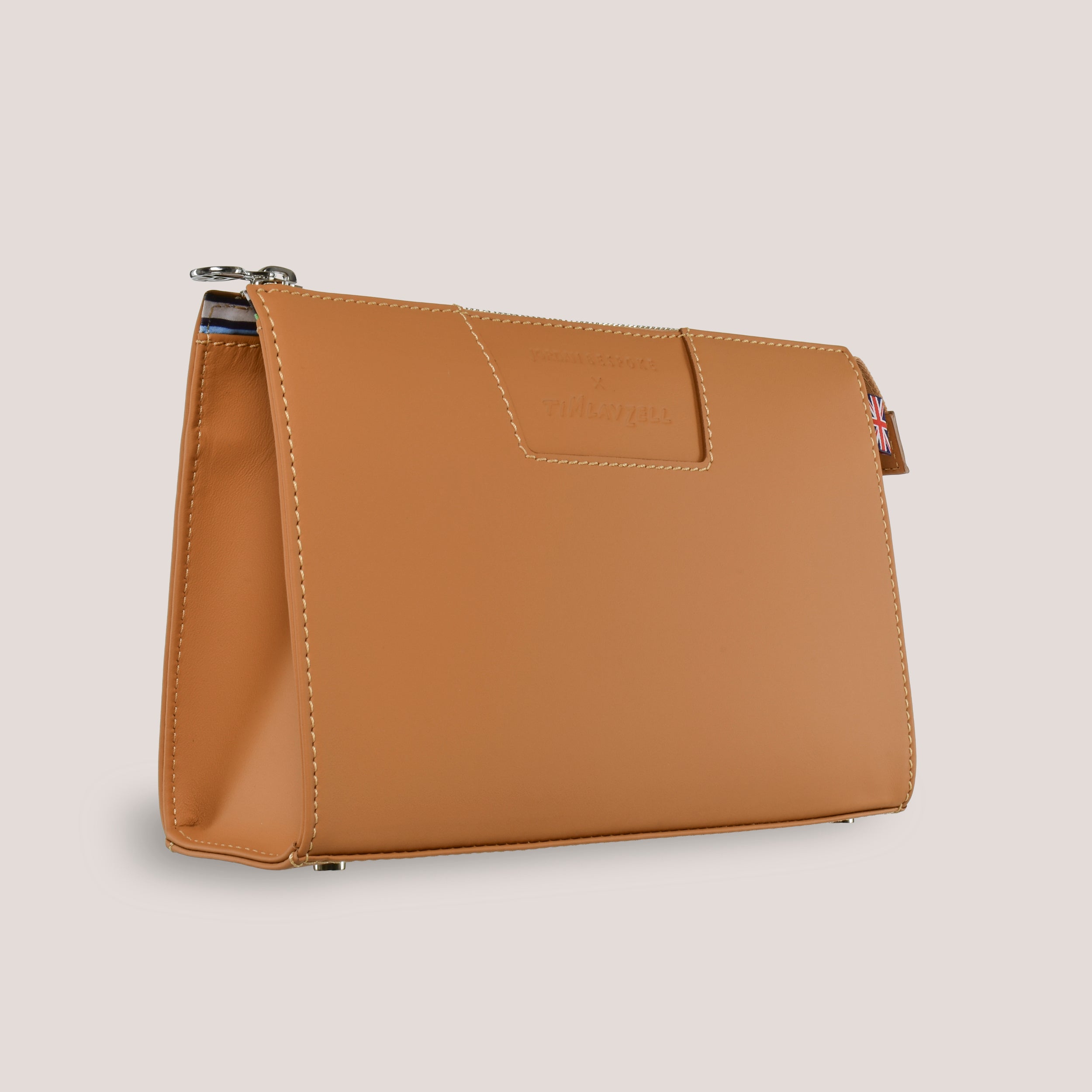


A classic car boot rarely forgives guesswork. The lid line tapers, the arches intrude, and what looks generous from the outside can become an awkward jigsaw the moment you try to pack for a long weekend. That is precisely why custom luggage for classic cars has enduring appeal. It is not merely about matching leather to paintwork. It is about respecting the architecture of the car, preserving the cabin’s character, and making travel feel as considered as the machine itself.
Owners of historic grand tourers, open-top roadsters and coachbuilt icons know the compromise well. Modern cases waste space, knock against trim, and look entirely out of place beside Connolly leather, walnut veneers and brightwork polished to a high sheen. A purpose-made luggage set answers a practical problem, but it also does something more subtle. It completes the car. Like a tailored jacket cut for one individual rather than bought off a rail, it brings proportion, harmony and intent.
Why custom luggage for classic cars still matters
The finest classic cars were never generic objects, and their luggage should not be either. A 1960s Aston Martin, a vintage Bentley or an air-cooled Porsche each presents a different set of dimensions, access points and design cues. The boot opening may be narrow even where the compartment itself is deep. The floor may sit unevenly around a spare wheel. Hinges, fuel fillers and trim panels can all steal usable room. Bespoke luggage acknowledges those realities from the outset.
There is also a matter of etiquette. If a car has survived decades with its integrity intact, it deserves accessories made with equal restraint and care. Oversized synthetic luggage with hard corners and plastic wheels feels visually jarring in a classic interior. Softly structured leather cases, cut to the right height and width, sit more naturally within the period language of the vehicle.
That does not mean every owner wants a concours-correct recreation of an original set. Some prefer contemporary functionality hidden within traditional craftsmanship - lighter internal structures, dedicated compartments for chargers, or garment carriers discreetly designed for modern itineraries. This is where bespoke work becomes especially compelling. It allows the owner to honour the spirit of the car without pretending their life stopped in 1964.
What makes bespoke luggage different
The difference begins with fit, but it does not end there. Proper custom luggage for classic cars is built around exact measurements, not estimates. That usually means working from a physical vehicle, a detailed patterning process, or highly accurate templates taken from the boot and, where relevant, the rear shelf or occasional seating area. Every curve matters.
A well-made set also considers how the pieces are lifted in and out. A bag that technically fits but can only be loaded at one awkward angle is not a successful design. Handle placement, zip direction and the flexibility of the body all affect usability. For grand touring, elegance is only convincing when it works with ease.
Materials matter just as much. Full-grain leather remains the obvious choice for owners seeking richness, longevity and visual depth, particularly when paired with fine linings and polished metal hardware. Yet there are trade-offs. Heavier hides can add weight, and some owners who drive regularly in warmer climates or on longer continental routes may favour a balance of leather trim with lighter technical materials. The right answer depends on how the car is used. A show-focused collector may prioritise period character above all else; a driver crossing France and Italy may value lighter construction and internal organisation.
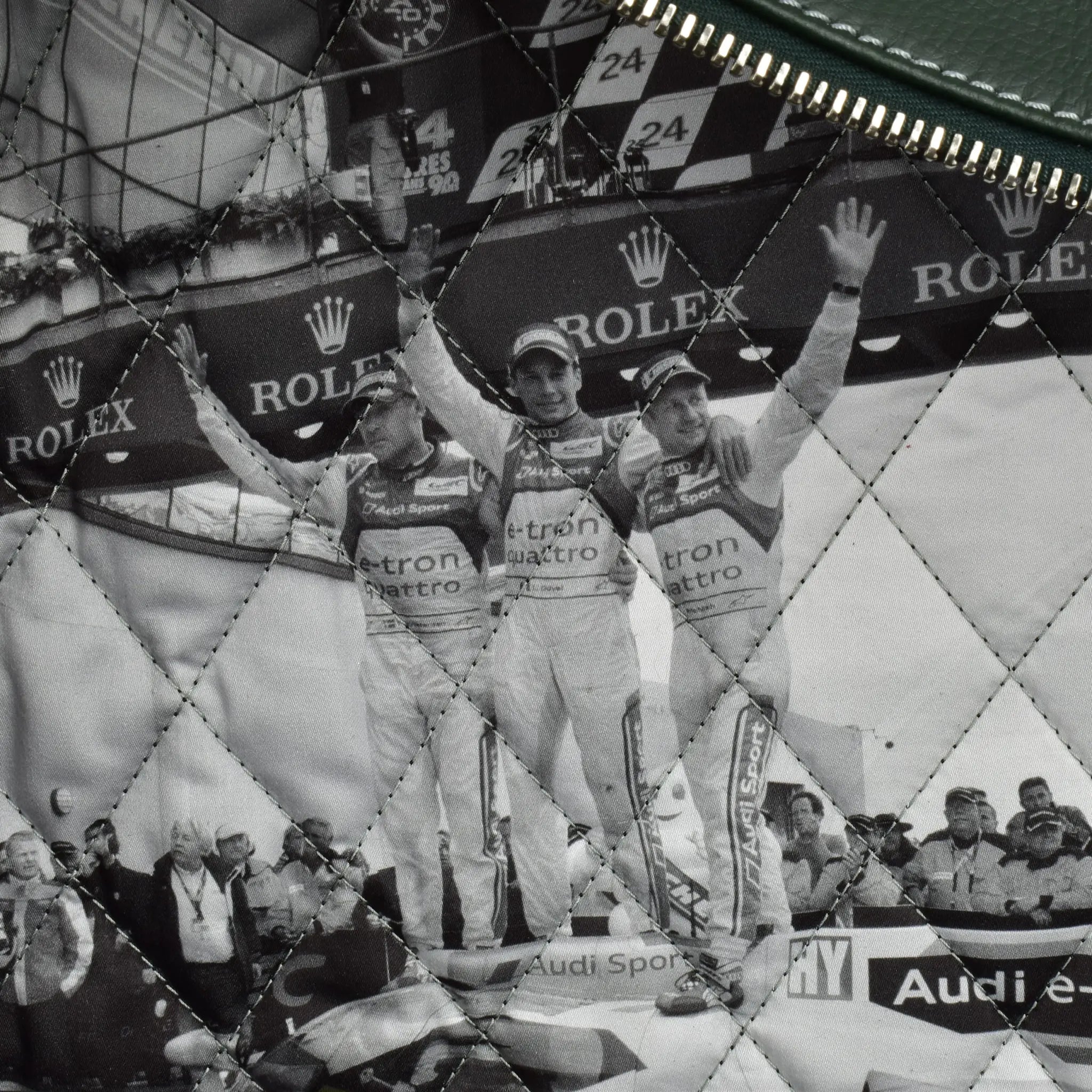
Then there is the question of finish. The best sets feel integrated with the car rather than simply colour-matched to it. Piping may echo seat welts. Stitching can reference the shade of dashboard leather or hood straps. A lining might quietly recall a racing history, a family crest, or a cherished registration. These details are not decoration for its own sake. They are symbols of individuality, and they are often what turns a handsome set of bags into something emotionally significant.
The practical details owners often overlook
Boot dimensions are the obvious starting point, but not the only one. Weight distribution matters in smaller classics, particularly those with modest luggage capacities. A set composed of several intelligently sized pieces is often more useful than two large holdalls. Smaller cases can be arranged around structural intrusions, and they are kinder to trim when being manoeuvred into place.
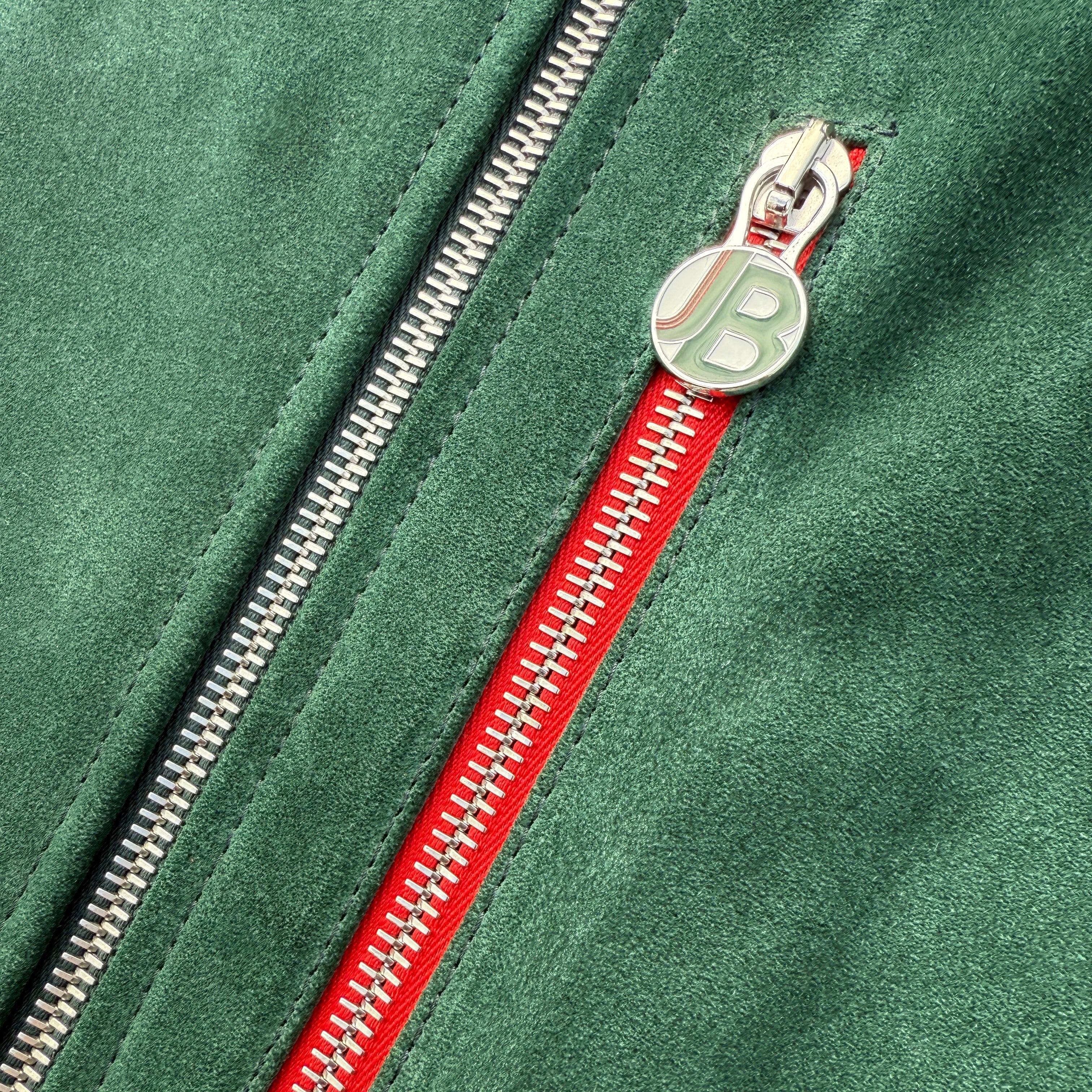
Interior protection is another consideration. Fine leather and painted metal surfaces mark easily. Soft bases, reinforced corners and carefully chosen feet can prevent avoidable wear. Even the zip choice matters. A premium metal zip gives tactile satisfaction and long-term reliability, but it should be selected and positioned so it does not scratch surrounding surfaces during loading.
Owners should also think about what they actually carry. Some travel with driving shoes, outerwear and a weekend wardrobe. Others need room for helmets, route books, tools or camera equipment. One of the virtues of bespoke commissioning is that it allows the set to be designed around a real routine rather than an imagined one.
Designing custom luggage for classic cars with integrity
The best commissions begin with the car, but they should end with the owner. That distinction matters. It is easy to create luggage that performs a visual imitation of the vehicle. It is harder, and more rewarding, to create something that belongs to the owner’s life while remaining faithful to the car’s design language.
A Jaguar E-Type, for example, invites a different approach from a Bentley Continental S. The Jaguar may call for lower-profile pieces shaped around a dramatic boot aperture, with leaner proportions and sporting restraint. The Bentley can accommodate a fuller, more architectural set, perhaps with a touch more formality in the handles and panel structure. In each case, the luggage should feel inevitable, as though it could never have been designed for any other machine.
Craftsmanship is what turns that idea into reality. Precision cutting, careful skiving, hand-finishing and disciplined stitching are not indulgences. They determine how cleanly a bag keeps its shape, how gracefully it ages, and how confidently it can be used over decades. The same is true of the hidden elements. Internal stiffeners, frame supports and linings are seldom seen, yet they define how a piece performs on the road.
This is why handcrafted production still carries weight in the luxury automotive world. There is a clear difference between a bag that has been superficially personalised and one that has been genuinely made for the discerning individual. In the latter, every decision has a reason.
Heritage versus usability
One recurring question is whether bespoke luggage should replicate period luggage exactly or evolve it. The honest answer is that it depends on the owner’s priorities. Purists often value historical faithfulness, especially if the car is shown regularly or forms part of a serious collection. In those cases, proportions, hardware finishes and leather tones may be guided closely by the era.
Yet many owners want something more usable than a strict reproduction. They may want padded compartments for modern essentials, smoother gliding zips, or a garment carrier that can cope with a business trip after an event weekend. None of this betrays the car, provided it is handled with restraint. Good bespoke design knows when to preserve period cues and when to quietly improve on them.
For that reason, the most successful makers tend to approach each commission as a conversation rather than a formula. A luggage set for a Mille Miglia entrant will differ from one intended for Riviera touring or local concours weekends. Both can be luxurious. Both can be beautifully made. But their priorities will not be identical.
Choosing a maker for bespoke automotive luggage
If you are commissioning a set, look beyond surface appeal. Beautiful leather and polished hardware are easy to admire in photographs, but the true test lies in understanding the vehicle and the owner. Ask how measurements are taken, how prototypes are refined, and where the pieces are made. Enquire about the leather source, hardware specification and internal construction. Serious makers welcome these questions.
It is also worth considering aesthetic judgement. The finest bespoke houses know when to edit. Not every commission needs contrast stitching, embossed monograms and theatrical lining all at once. Restraint is often the greater luxury. A discreetly matched hide, a subtle piping detail and perfectly judged proportions can say far more than overt decoration.
For those who value British automotive culture and artisan production, this is where a specialist such as Jordan Bespoke stands apart - not simply in materials, but in the ability to translate a car’s character into luggage crafted for life.
Custom luggage for classic cars is, at heart, about continuity. It extends the thoughtfulness of the vehicle into the way it is used, travelled with and remembered. When done properly, it does not shout for attention. It simply feels right every time the boot opens, every time a case lifts cleanly into place, and every time the journey begins with nothing out of character.