

A departure at dawn has its own rhythm. Car loaded, route set, jacket folded across the rear seat, and one bag chosen with care because it will sit beside everything else you value. A bespoke leather weekend bag belongs in that moment. It is not simply a container for two nights away, but a piece made to reflect personal taste, travelling habits and the standards by which you choose every other object in your life.
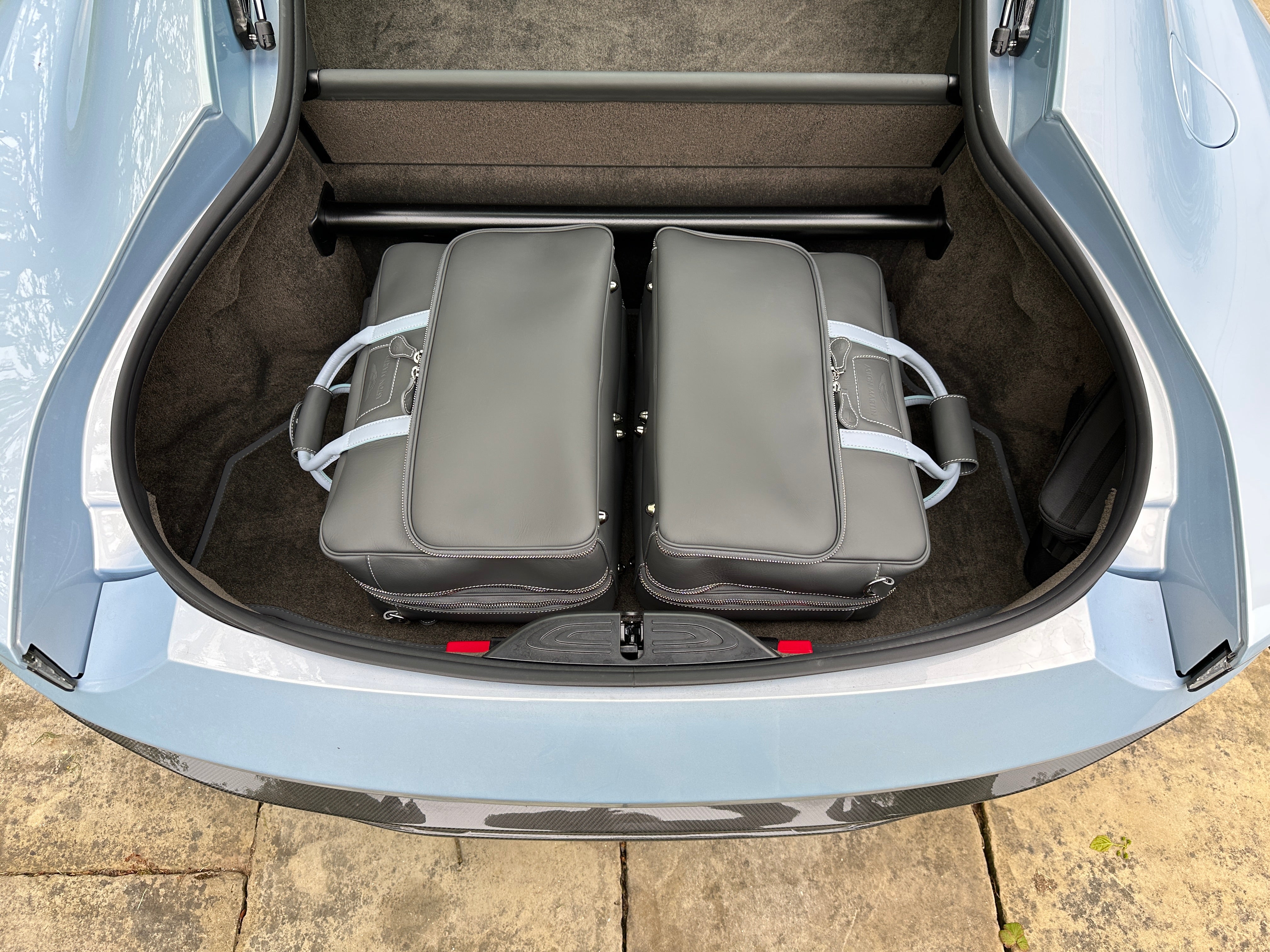
For the discerning traveller, the difference is immediate. Off-the-shelf luggage is designed to satisfy the broadest possible market. A bespoke piece is designed around you. That distinction changes everything, from the way the handles sit in the hand to the way the bag opens in the boot of a grand tourer, and from the tone of the leather to the details that quietly reference a cherished marque, an interior trim or a chapter of motorsport history.
What makes a bespoke leather weekend bag different
The word bespoke is often used too loosely in luxury goods. True bespoke work starts before a single panel is cut. It begins with proportion, use and intent. Will the bag be carried for regular overnight stays, long weekends in the Cotswolds, race meetings on the Continent, or as part of a wider luggage set for a particular motor car? Each answer influences the final piece.
A genuine bespoke leather weekend bag should be considered in three dimensions. First, there is form. The silhouette may be structured and architectural, or softer and more relaxed. Second, there is function. Interior compartments, shoe sections, detachable straps and reinforced bases all serve different needs. Third, there is identity. This is where personal commission moves beyond luxury and becomes ownership in the fullest sense.
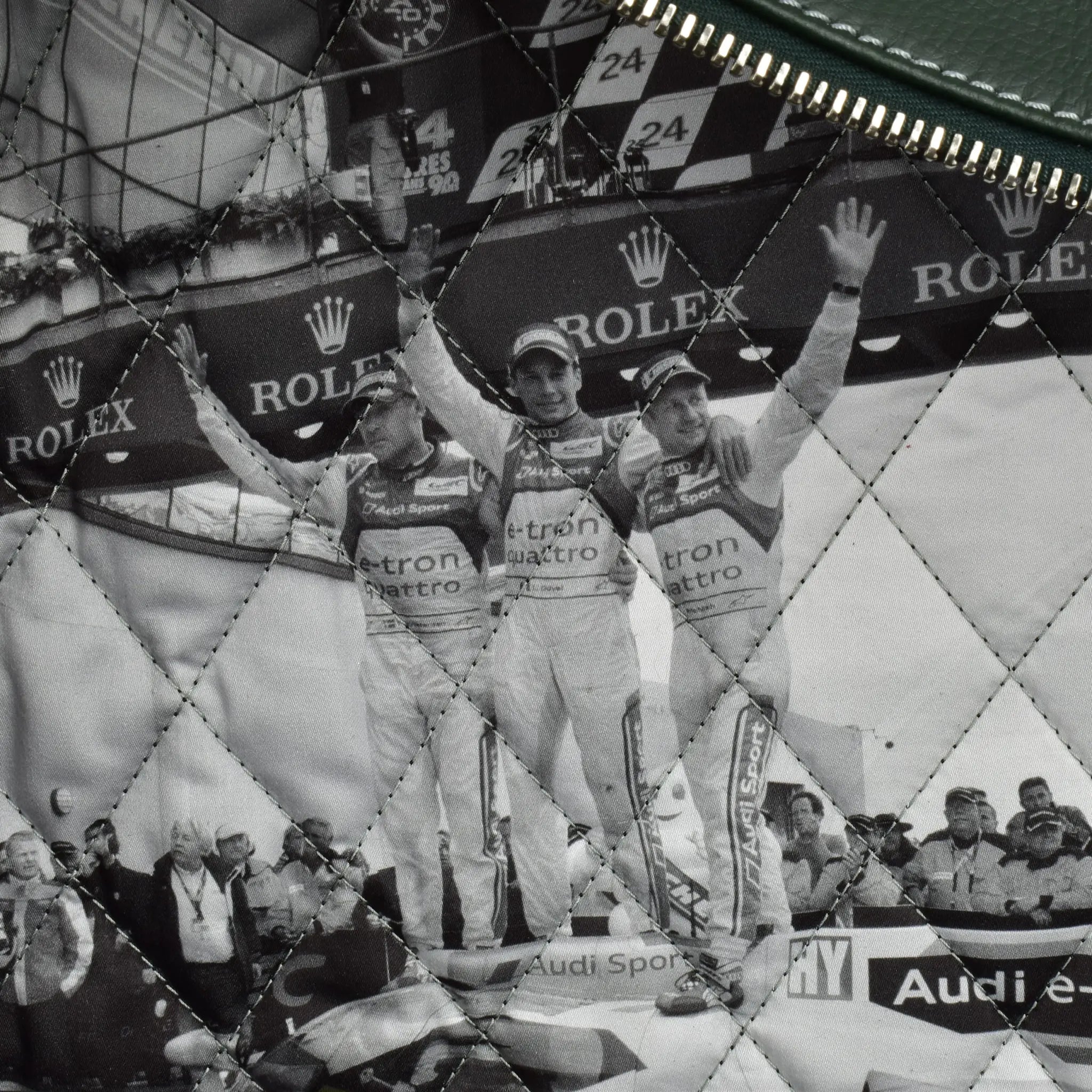
A bag made to commission can carry subtle signatures that mass production never quite captures. Contrast stitching inspired by a brake caliper, quilted panels that echo seat inserts, piping drawn from coachwork, or a lining chosen to match a cherished cabin colour all transform the object into something more intimate. These details do not need to shout. In most cases, the best ones do not.
The appeal of craftsmanship over convenience
Luxury is not only about rarity. It is about the confidence that comes from things made properly. In leather travel goods, that confidence is earned through materials, construction and finish.
Full-grain hides from respected tanneries develop character with use rather than disguising wear beneath synthetic coatings. Hand-cut panels provide cleaner matching of grain and tone. Carefully painted edges, hand-finished handles and precisely set hardware all contribute to the sense that the bag has been crafted for life rather than for a season.
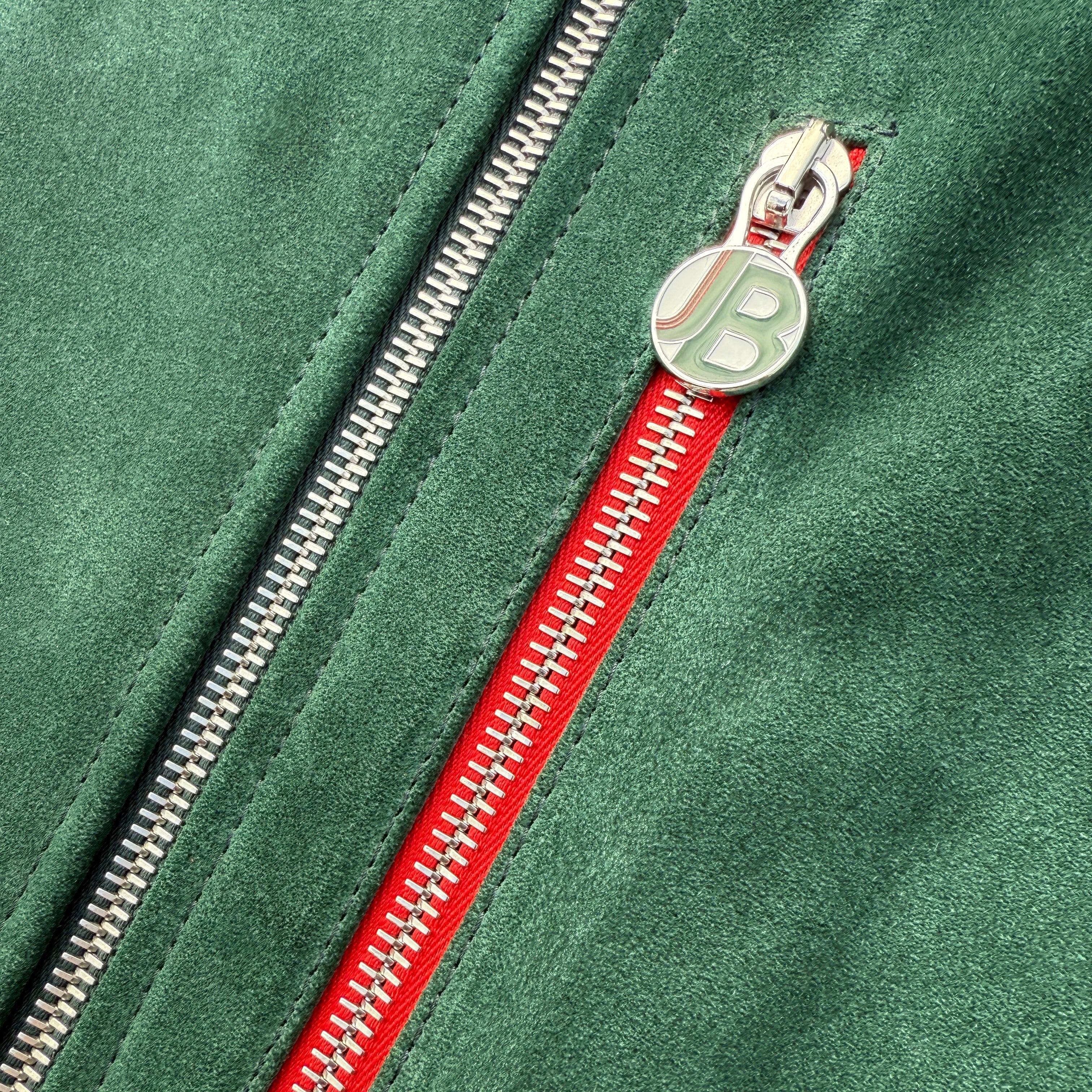
There is also a tactile pleasure that no specification sheet can fully explain. The way a zip glides without effort, the weight of quality fittings, the density of lined leather handles and the structure of a bag that holds its shape when set down - these are the details owners notice every time they travel.
Italian hand-making remains particularly prized because it combines technical skill with a natural fluency in leatherwork. When paired with British design sensibility, the result can feel especially compelling: restrained, elegant and quietly confident rather than overtly decorative.
Why personalisation matters more than ever
For a certain kind of client, personalisation is not indulgence. It is the point. If you can specify the paint, hides, stitching and trim of a motor car, why would you accept generic luggage that ignores the same eye for detail?
This is where the bespoke process becomes genuinely rewarding. A commission allows the owner to make choices that go beyond monogramming. Leather type, grain, colour, lining, hardware finish, dimensions and interior layout can all be considered together, so the finished bag feels coherent rather than merely customised.
The best commissions often show restraint. A deep racing green exterior with charcoal suede lining and nickel hardware may say more than a louder palette. Equally, there are occasions when boldness is entirely appropriate. Rosso leather with cream contrast stitching and subtle motorsport numbering can be superb when it reflects the owner’s car collection or racing history. It depends on the client, the context and the confidence of the design.
Personalisation also brings practical advantages. Some travellers want a wider opening for easy packing. Others prefer a slightly lower profile to fit neatly within a specific boot space. A detachable shoulder strap may matter for airport transfers, while a more rigid base may matter for repeated road trips. Bespoke work allows these choices to be resolved before the bag is made, rather than tolerated afterwards.
A bespoke leather weekend bag in the world of motoring
For automotive enthusiasts, luggage is rarely just luggage. It forms part of a wider aesthetic world shaped by engineering, heritage and performance. A beautifully commissioned bag has the same power as a well-specified interior - it completes the experience.
That is particularly true when the bag is intended to travel with a specific vehicle. Proportion becomes important. A holdall for a modern GT may differ from one intended for a classic sports car with more limited luggage space. The materials may also shift. Smooth calf leather can feel right for a contemporary luxury grand tourer, while a more textured hide with heritage-inspired lining may suit a classic or continuation model.
Motorsport references require equal care. There is a fine line between homage and novelty. Roundels, racing stripes and car-number details can be striking, but they work best when applied with discipline. The most compelling pieces tend to borrow the language of motorsport rather than costume it. Think measured use of team colours, technical fabrics paired with leather, or interior details inspired by period race cars without becoming theatrical.
For this reason, a specialist maker with genuine understanding of automotive culture has an advantage. They know that enthusiasts care about provenance, correctness and nuance. They understand why one shade of tan feels continental and another unmistakably British, or why polished metal may suit one commission while matte black hardware better suits another.
What to look for before commissioning one
The success of a bespoke piece rests on judgement as much as craftsmanship. Materials should be excellent, certainly, but design intelligence matters just as much.
Begin with scale. A weekend bag should carry enough without becoming cumbersome. Some clients prefer a cleaner profile that encourages disciplined packing. Others want greater capacity for layered clothing, driving shoes and race-day essentials. Neither is wrong, but the bag should suit the way you actually travel.
Then consider construction. Soft-sided bags have a relaxed elegance and are easier to compress into tighter spaces. Structured bags feel more formal and protect contents better, though they can be less forgiving in confined luggage areas. Zip placement, handle drop and strap attachment points all deserve attention because they affect use every time the bag is lifted or opened.
Hardware is another point where quality reveals itself quickly. Poor fittings date a bag immediately. Superior components feel substantial and age gracefully. The same applies to linings. A fine lining should not be treated as secondary. It affects durability, visibility and the pleasure of using the bag.
Finally, assess whether the maker understands editing. Bespoke does not mean saying yes to every idea. It means guiding a commission towards harmony. The finest result often comes from measured decisions made with confidence, not maximum decoration.
The case for longevity
A well-made leather bag has one quality that many luxury purchases lack: it improves through use. Corners soften, the surface gains depth, and small marks become part of its history rather than faults to conceal. That evolution is one reason these pieces are so enduring.
There is a financial dimension too, although it should not be the only one. A bespoke leather weekend bag costs more at the outset, but it is rarely bought with short-term logic. It is acquired because the owner values permanence, individuality and the satisfaction of commissioning something that will still feel relevant a decade from now.
In that sense, it shares more with a tailored jacket, a mechanical watch or a hand-finished motor car than with fashion luggage. It is not there to chase trends. It is there to accompany a life well lived, and to do so with increasing character.
For those who care about the details, that is reason enough. A bag should carry clothing, of course, but the right one also carries standards, memories and personal taste. Choose one that feels worthy of the journeys ahead.