

A well-made bag tells on itself within minutes. The weight sits differently in the hand, the zip runs with intent rather than resistance, the leather carries depth instead of surface gloss, and the proportions simply feel right. That is why the question 'are bespoke bags worth it' rarely begins with price alone. It begins with standards.
For the discerning traveller, driver or collector, a bag is not merely a container. It accompanies arrivals at country hotels, weekends away, early flights, race paddocks and long continental drives. It shares space with carefully chosen machinery, tailoring and watches. In that company, a generic holdall can feel rather like fitting plastic switchgear into a coachbuilt grand tourer. Functional, perhaps, but out of tune.
Are bespoke bags worth it for every buyer?
Not always. That is the honest answer, and in luxury, honesty matters. Bespoke commands a premium because it asks more of everyone involved - more design consideration, more handwork, more time, more dialogue, and more responsibility to get the details precisely right.
If your only requirement is a competent weekender for occasional use, an excellent ready-made bag may serve you perfectly well. There are many beautifully produced pieces on the market with strong materials and sensible design. Bespoke begins to justify itself when standard options stop answering the brief.
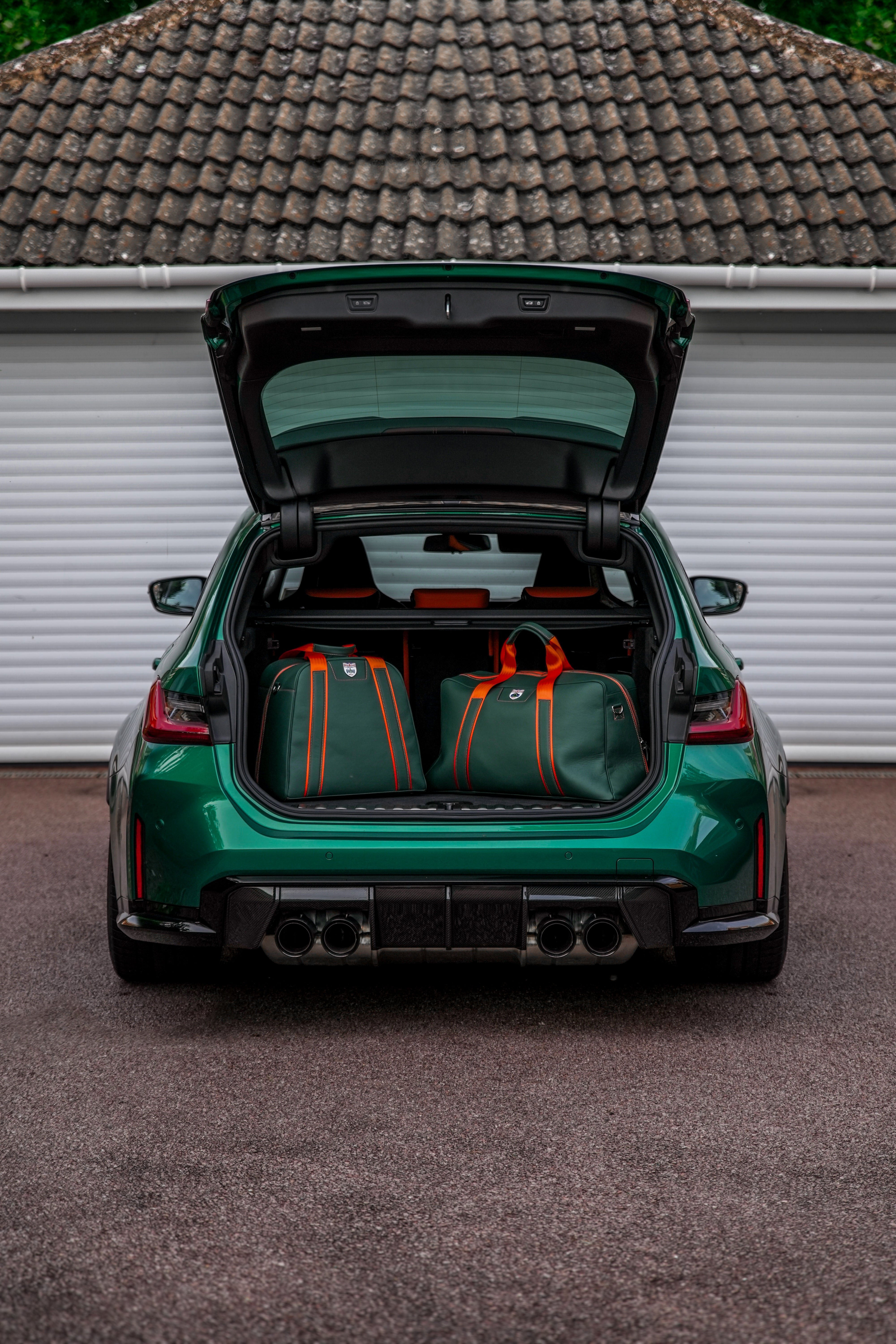
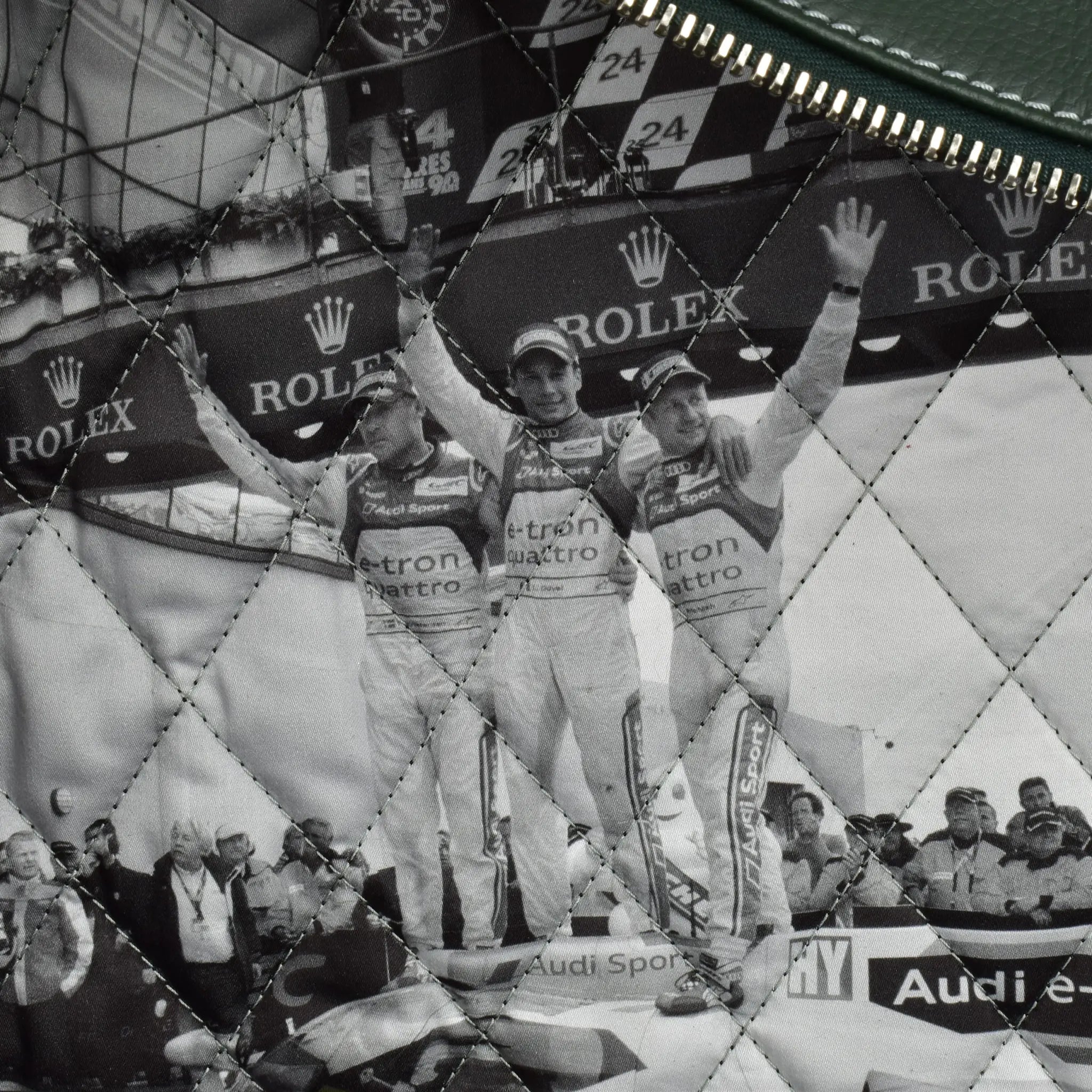
That brief might be practical. You may want a holdall sized to fit a particular luggage shelf, a helmet bag cut around specific kit, or a garment carrier that travels neatly in a GT rather than collapsing into the footwell. It might be aesthetic. You may want a leather tone that echoes your interior, a lining inspired by a racing livery, or subtle details that reference a marque, a number, a circuit or a moment in your own motoring history. And often, it is emotional. The pleasure lies in owning something made for you rather than merely sold to you.
What you are really paying for
Price is the most visible difference between bespoke and off-the-peg, but it is not the most meaningful one. What you are paying for is intent.
A bespoke bag is considered from the first sketch. Dimensions are chosen for a purpose. Leather is selected not only for colour, but for character, hand feel and how it will age. Hardware is chosen for tactile quality and longevity. Interior layouts are shaped around how the owner actually travels - laptop, driving gloves, race notes, charging cables, shoes, helmet, wash kit, documents. The end result is rarely louder than a standard luxury bag, but it is usually far more specific.
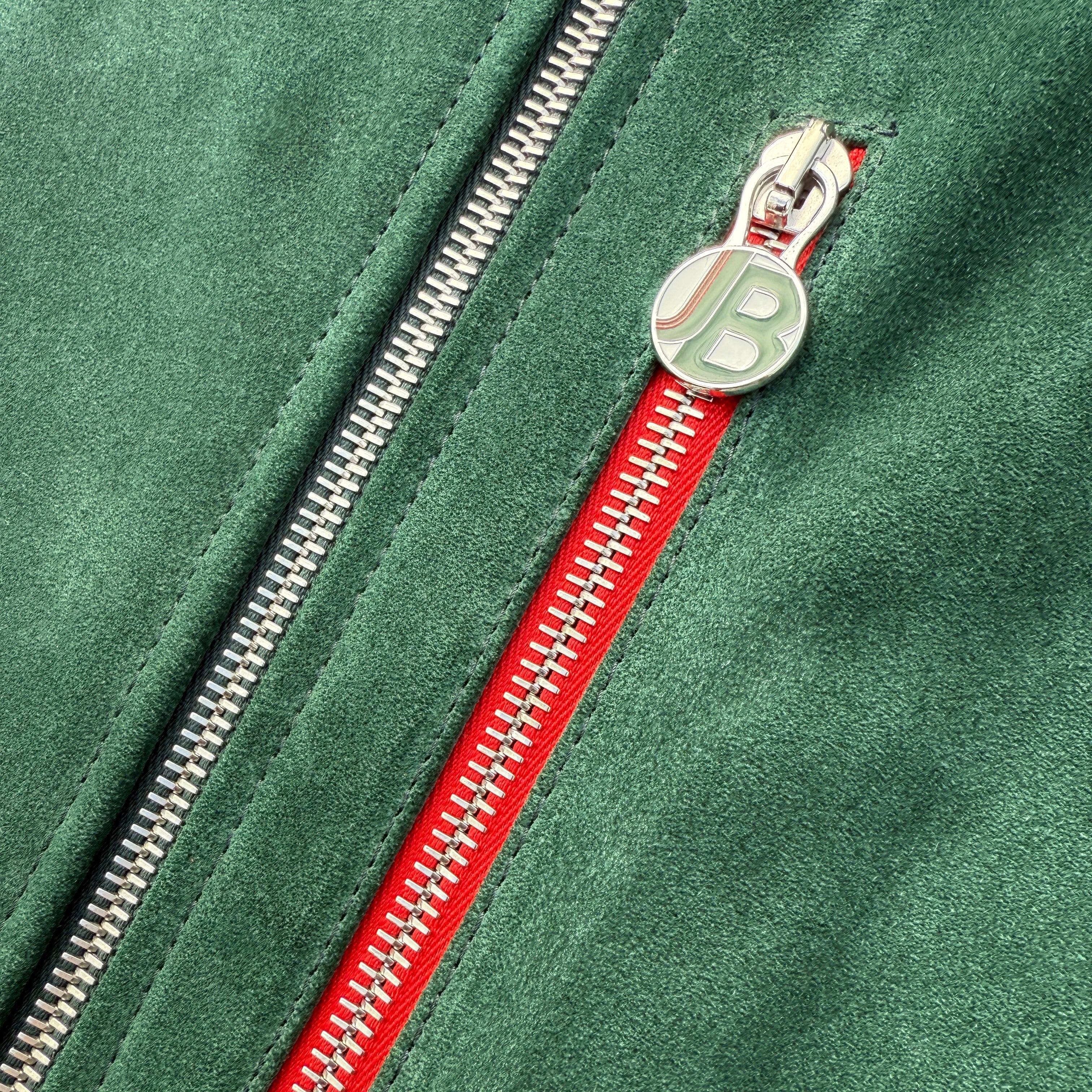
This is where craftsmanship becomes visible to an educated eye. Fine Tuscan leathers patinate rather than peel. Proper edge finishing holds its line. Strong cotton drill or Alcantara-style linings feel composed instead of flimsy. Superior hardware - the sort of zip that glides cleanly and repeatedly, such as YKK Excella - contributes more to daily satisfaction than most marketing copy admits. Bespoke worth is often found in these quieter details.
Time matters too. A bespoke commission is not plucked from warehouse shelving. It is discussed, refined and made. For some clients, that process is part of the appeal. In much the same way one might specify a motor car or commission tailoring, the object becomes richer because one has participated in its creation.
The value of individuality
Luxury is often mistaken for expense. True luxury is specificity.
Many premium bags are expensive because they are branded. Bespoke bags are expensive because they are individual. That distinction matters. A logo can signal taste, but individuality expresses identity.
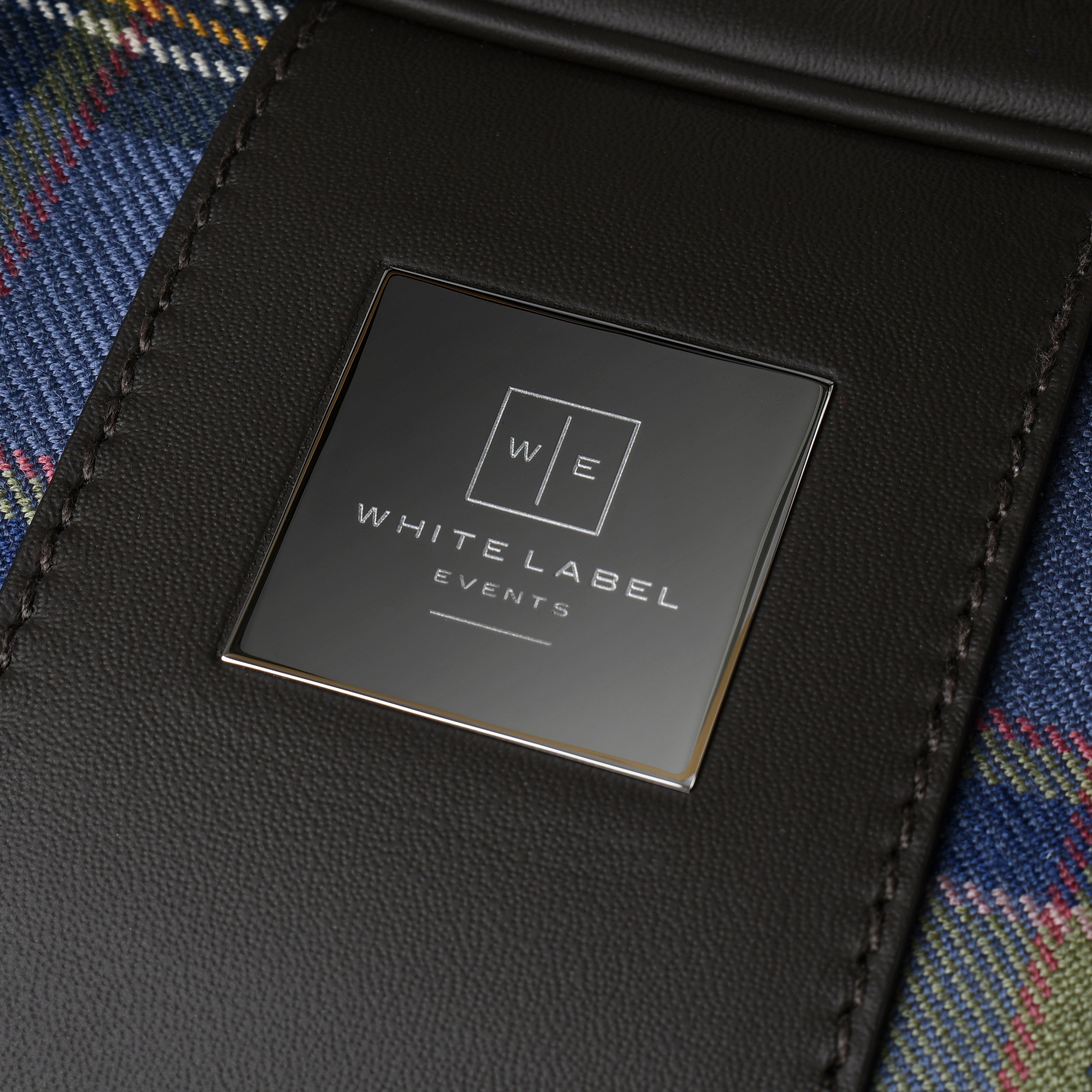
For automotive and motorsport enthusiasts in particular, this is where bespoke becomes compelling. A bag can be commissioned to complement a motor car rather than merely accompany it. The leather might pick up the exact warmth of a saddle tan interior, the stitching might reflect seat piping, and the lining might quietly nod to a racing colour or historic tartan associated with a team or family story. None of this needs to be theatrical. In fact, the finest bespoke work is often discreet.
That discretion is part of the value. Anyone can buy what is visible. Commissioning something personal requires discernment. It suggests a preference for substance over display, and for collectors, that tends to age better.
Where bespoke makes the strongest case
The strongest case for bespoke is not universal luxury. It is lifestyle alignment.
If you travel frequently, use your luggage hard and care how it performs in real settings, bespoke can make excellent sense. A race day kit bag with proper compartments saves frustration repeatedly. A holdall designed for short breaks avoids the awkward bulk of oversized luggage. A briefcase built around the exact devices and documents you carry each day becomes not indulgent, but efficient.
There is also a persuasive case for gifting and milestone commissions. Significant birthdays, delivery of a special car, retirement, championship weekends, anniversaries and family handovers all lend themselves to pieces made with meaning. A bespoke bag can mark an occasion without feeling ceremonial or static. It is used, travelled with and lived with. Over time, it gains memory in the creases.
For those building a considered personal world - car, wardrobe, home, accessories - bespoke luggage contributes coherence. It becomes one of those details that other enthusiasts notice immediately, not because it shouts, but because it belongs.
Are bespoke bags worth it compared with ready-made luxury?
Often, yes - but only if the maker is worthy of the commission.
A ready-made luxury bag from a respected house offers certainty. You know what it looks like, how quickly it can be delivered and, broadly, what the quality standard is. Bespoke introduces variables. The maker must understand design, proportion, construction and communication. If they do not, customisation becomes expensive confusion.
This is why provenance matters. Where is it made? By whom? With what materials? Is the maker genuinely specialised, or simply adding initials to standard stock? There is a considerable difference between monogramming and true bespoke. One personalises the surface. The other shapes the object itself.
When the maker has genuine expertise, bespoke often compares favourably with branded luxury because more of the value is in the product rather than the marketing apparatus around it. You are not merely paying for campaign imagery or flagship rents. You are paying for design development, artisan production and material integrity. That tends to appeal to clients who care less about recognisable badges and more about lasting quality.
The trade-offs worth considering
Bespoke is not a shortcut. It requires patience, clarity and trust.
Lead times are longer, naturally. If you need a bag next week, bespoke is unlikely to be the right route. You also need a degree of confidence in your own taste. Commissioning colours, trims and details sounds effortless until you are deciding between near-identical shades of hide or whether a certain lining crosses the line from distinctive to busy.
There is also the matter of resale. A highly personal bag may be perfect for you and less appealing to the next owner. If you purchase accessories as fluid assets, ready-made pieces from prominent maisons may feel safer. But many buyers of bespoke are not particularly interested in resale mathematics. They are commissioning something crafted for life, not the secondary market.
The final trade-off is subtle but real. Bespoke raises expectations. Once you have lived with an item made to your own standard, off-the-peg alternatives can feel compromised. Depending on your perspective, that is either a problem or a pleasure.
So, are bespoke bags worth it?
They are worth it when the bag is expected to do more than carry things. When it must reflect personal taste, complement a wider lifestyle and reward daily use over many years, bespoke becomes less of a luxury add-on and more of a rational indulgence.
For some, a fine ready-made piece will remain the right answer. For others - particularly those who understand the satisfaction of a well-specified motor car, a hand-cut jacket or a watch chosen for more than its dial - bespoke offers something rarer. It respects the idea that objects should fit not just one’s needs, but one’s standards.
That is the proper test. Not whether bespoke is more expensive, but whether a standard bag feels sufficient once you know exactly what could be made instead. For those who value craftsmanship, provenance and individuality in equal measure, the answer is often plain the moment they pick it up.
And if a piece is destined to travel with you for years, to soften with use, to collect stories and to feel more like your own with every journey, worth has very little to do with impulse and everything to do with lasting satisfaction.