

A grand tour begins long before the engine turns over. It starts in the quiet ritual of packing - selecting what earns its place, considering how each piece will sit within the boot, and choosing luggage that feels worthy of the car itself. For drivers who care about proportion, finish and occasion, the best bags for grand touring are never an afterthought. They are part of the experience.
That distinction matters more than many realise. A beautifully engineered GT car is designed around elegance under pressure: pace without drama, comfort without excess, purpose without noise. The luggage you take should follow the same logic. It must fit properly, travel well, age gracefully and look entirely at home beside fine leather, polished metal and carefully judged interior trim.
What makes the best bags for grand touring?
The answer is not simply softness, capacity or price. Grand touring luggage has a more specific brief. It must work within the constraints of a performance car while still feeling refined enough for a country house arrival, a Continental crossing or a week between circuits, cities and coastal roads.
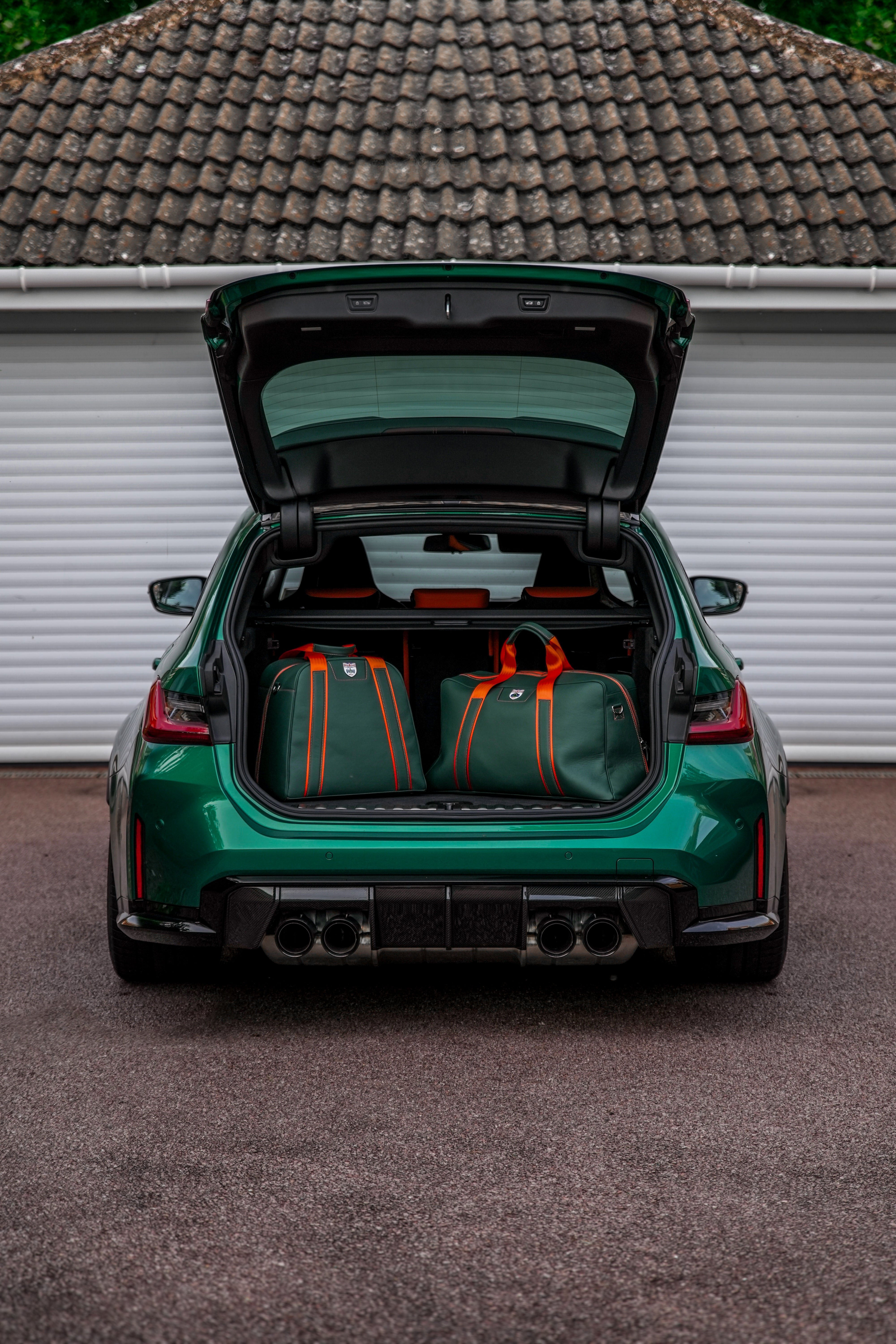
Fit is the first consideration. Many luxury and sporting cars have boots that are generous on paper yet awkward in practice, with narrow openings, sloping rear glass or shallow load spaces. Hard-sided cases can waste valuable room. Softly structured holdalls and compact cases are usually the better choice because they adapt to the car rather than forcing the car to adapt to them.
Then there is balance. A bag for grand touring should hold shape without becoming cumbersome. It should be substantial enough to protect its contents and hold its line when carried into a hotel lobby, yet forgiving enough to stow neatly in a boot shared with jackets, driving shoes or a detailing kit. This is where craftsmanship becomes more than a luxury talking point. Cut, reinforcement and leather weight all influence whether a bag feels composed or merely decorative.
Material quality also matters in a different way than it does with ordinary travel goods. In a GT setting, the bag will often sit against fine upholstery, carpeted luggage areas and carefully finished trim. Rough hardware, brittle plastics and heavily textured synthetic materials can feel out of place. Full-grain leather, fine canvas, suede linings and polished metal components belong here because they bring tactility and quiet confidence rather than visual clutter.
The core bag types worth considering
For most grand touring, one bag rarely does everything perfectly. The better approach is a small, coherent collection, each piece with a clear role.
The holdall
If there is one format most closely associated with grand touring, it is the holdall. A well-proportioned leather holdall offers enough capacity for several days away, slides easily into shaped luggage spaces and carries with a sense of occasion. It is also versatile. Whether the itinerary includes a weekend in the Cotswolds, a run through the Alps or a crossing to the south of France, a holdall feels natural in every setting.
The trade-off is structure. Too soft, and the bag collapses into an ungainly shape once packed. Too rigid, and it loses the very adaptability that makes it useful in a sports car. The sweet spot is a holdall with considered reinforcement at the base and handles, supple side panels, and a zip opening wide enough to pack without wrestling.
The garment carrier
For touring that includes formal dinners, concours events or business engagements, a garment carrier earns its place. It keeps tailoring in proper order and removes the frustration of arriving with creased jackets and crushed collars. This is especially relevant for owners who treat the journey and the destination with equal seriousness.
Of course, a garment carrier asks for room. In some cars, that may mean choosing a half-length folding design rather than a traditional full-size format. The right one should carry close to the body, close securely and avoid unnecessary bulk. In grand touring, elegance often comes from restraint.
The weekender or compact case
Not every trip requires a large holdall. For an overnight stay or a tightly packed itinerary, a smaller weekender or compact zip case can be the smarter choice. It makes lighter work of packing, encourages discipline and leaves more room in the car for purchases, outerwear or specialist equipment.
For couples travelling together, two compact bags often work better than one oversized piece. They pack more cleanly into the boot and are far easier to handle at each stop. It is a practical decision, but one that also feels more considered.
Small leather goods and tech cases
Grand touring is rarely just about clothes. Watches, sunglasses, charging cables, travel documents and driving essentials all need a place. A dedicated tech case or valet pouch keeps the cabin and the hotel room equally organised. These smaller pieces are often overlooked, yet they shape the overall experience more than people expect.
When these accessories are made to the same standard as the main luggage, the effect is cohesive. Everything belongs. Nothing feels improvised.
Why bespoke often makes the most sense
The finest GT cars are rarely chosen from a shelf. They are specified, tailored and obsessed over. It is only natural that the luggage should follow suit.
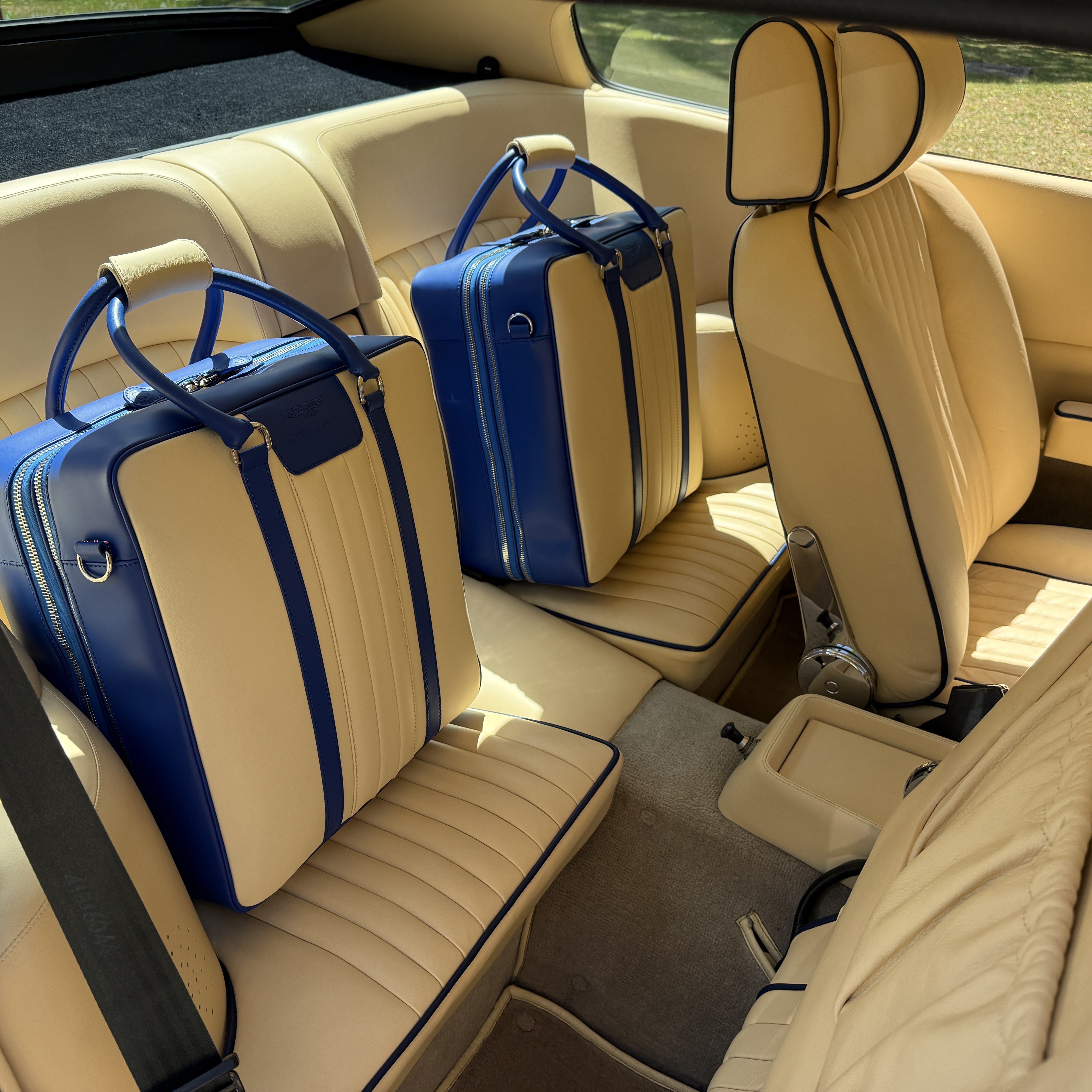
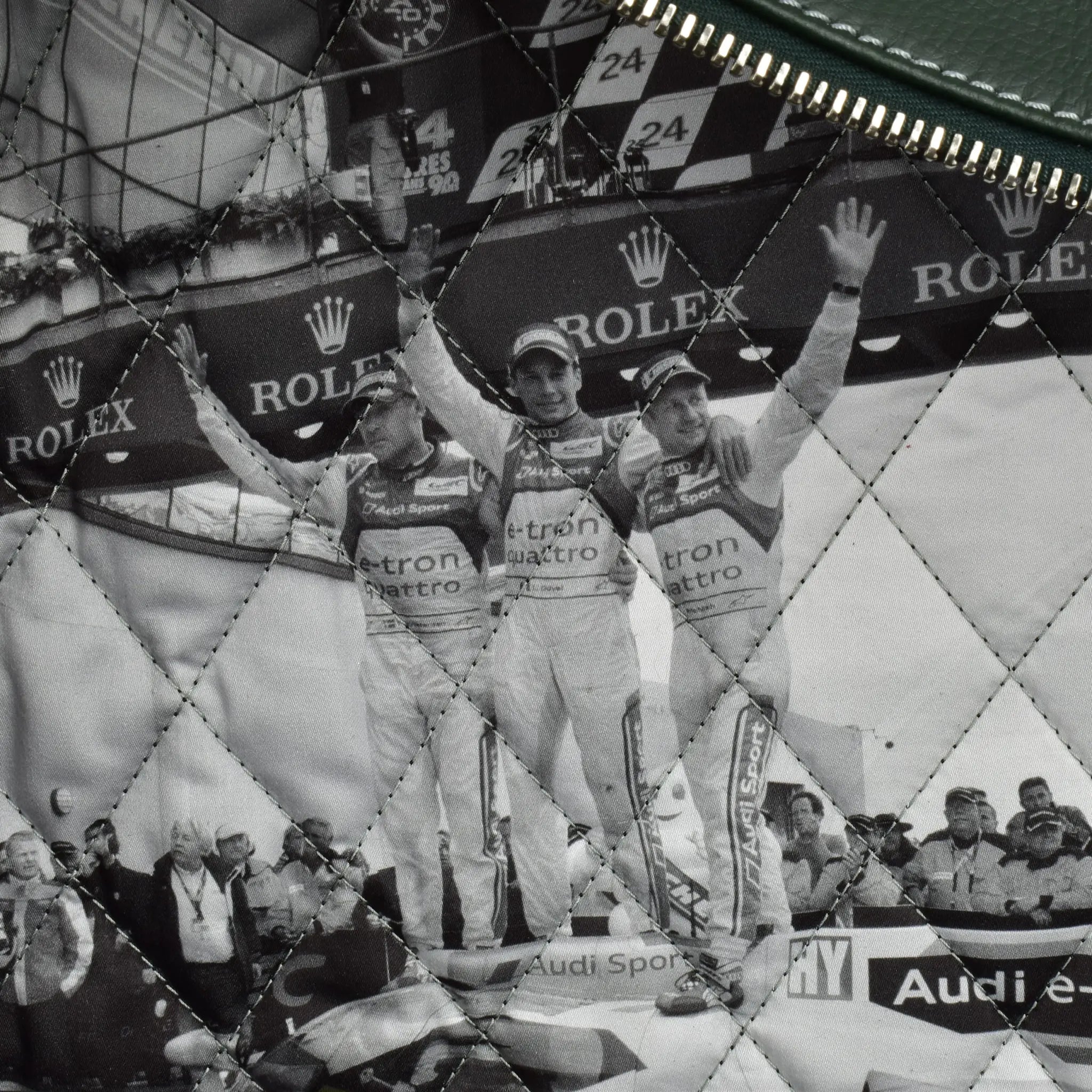
Bespoke luggage is not simply a matter of adding initials. At its best, it considers the dimensions of a specific car, the owner’s style of travel and the visual language of the vehicle itself. Leather can be selected to echo interior hides. Stitching can reflect seat details. Linings may reference racing silks, team colours or a cherished marque heritage. Even hardware finish can be chosen to sit comfortably alongside the metalwork of the car.
This level of personalisation does something more subtle as well. It turns luggage into part of the ownership story. A bag made to accompany a particular Aston Martin, Ferrari or Bentley does not feel interchangeable. It feels connected - to the machine, to the journeys and to the individual commissioning it.
That said, bespoke is not always necessary. Ready-to-own luggage can be exceptional when proportions, materials and detailing are right. If your touring is occasional or spread across several cars, a beautifully made standard holdall may serve perfectly well. The difference lies in how precisely you want the luggage to integrate with your world.
Materials, hardware and details that separate the ordinary from the exceptional
Luxury luggage can be overdone. Too many straps, excessive branding and unnecessary compartments often signal design trying too hard. The best bags for grand touring tend to be simpler and more disciplined.
Leather should feel rich but not heavy-handed. Fine Tuscan leather, chosen for depth of character and long-term patina, offers exactly the kind of maturity this category deserves. It softens with use, develops a personal surface history and never loses its sense of occasion. Lined interiors matter too. Alcantara, suede or finely woven textile linings protect contents while adding a quieter kind of luxury every time the bag is opened.
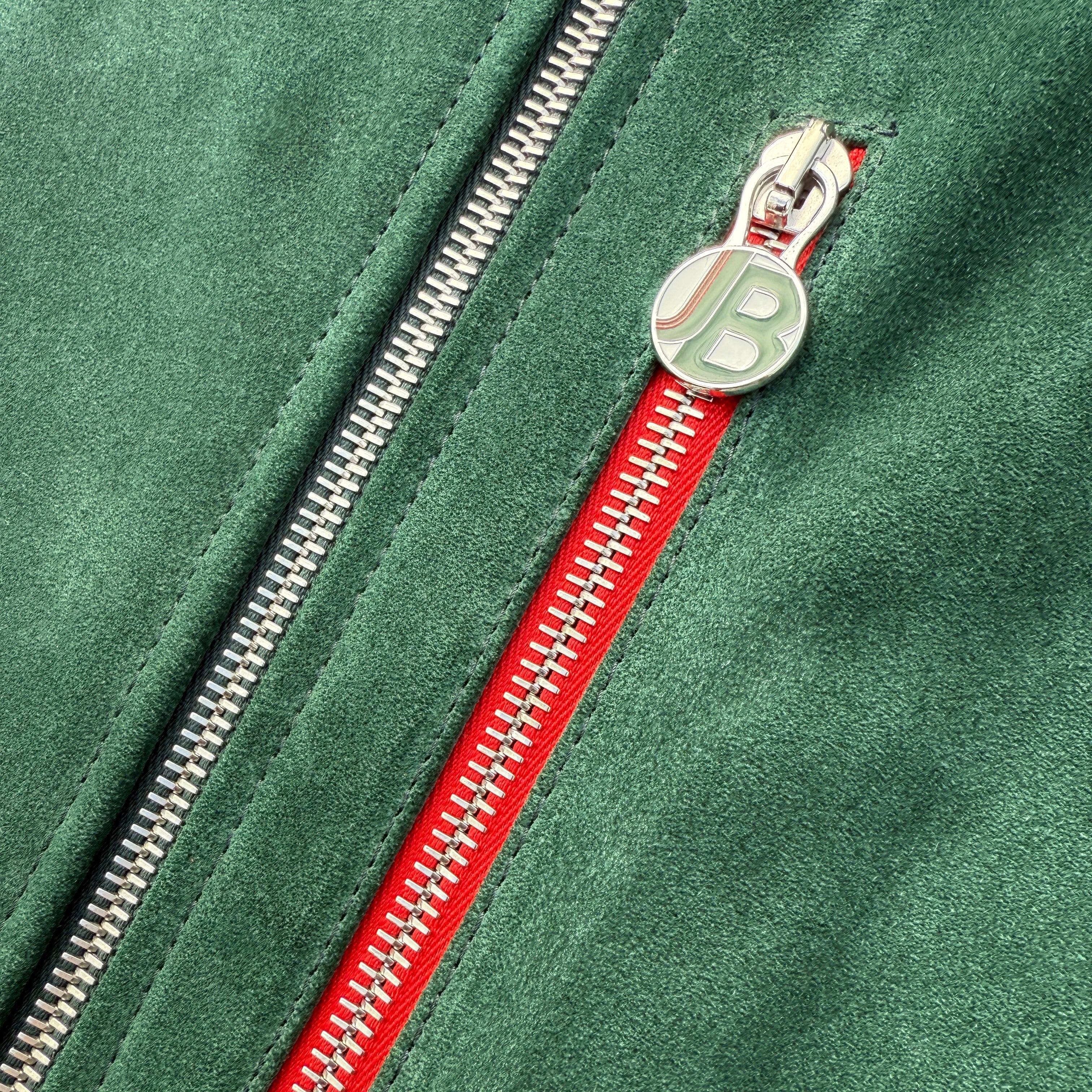
Hardware deserves close attention. Cheap zips and plated fittings reveal themselves quickly, especially under frequent use. High-grade components such as polished metal fittings and YKK Excella zips justify their place because they operate with precision and retain their finish. In the same way that a GT car is judged by the weight of a switch or the action of a door handle, luggage is judged by these tactile moments.
Handles and straps should be comfortable without appearing overbuilt. A shoulder strap can be useful, but not every bag benefits from one. On a smaller holdall it adds flexibility. On a larger leather piece, it can sometimes clutter the silhouette. Again, it depends on how the bag will actually be used.
Choosing for your style of touring
A long weekend through Britain requires a different luggage strategy from a fortnight through Europe. If your touring leans towards short stays with fine dining and smart accommodation, a holdall and garment carrier may be the strongest pairing. If you favour longer road journeys with multiple stops and a more relaxed wardrobe, two soft holdalls and a compact accessories case are often more practical.
The car itself should influence the decision. A Bentley Continental GT allows a different degree of freedom than a more tightly packaged sports car. A front-engined GT often accommodates broader, flatter pieces, while a mid-engined layout may call for narrower bags shaped around divided spaces. This is one of the reasons dedicated automotive luggage remains so compelling - it respects the geometry of the machine.
Drivers who include motorsport in their lives may also want their touring bags to bridge both worlds. A refined holdall that can sit in a grand tourer on Friday and accompany a race day paddock visit on Saturday has genuine value. Jordan Bespoke has long understood that overlap, creating pieces that honour both road-going elegance and motorsport character without compromising either.
A final thought on travelling well
The right bag changes the mood of a journey. It removes the slight irritation of poor packing, awkward loading and ill-suited materials, replacing it with a quieter pleasure - the sense that every element has been chosen with intent. That is what grand touring should feel like: not excess for its own sake, but refinement in motion, with luggage crafted for life and made for the discerning individual who notices the difference.