

A branded holdall can make the right impression in an airport lounge. A truly bespoke case does something rarer. It feels as though it belongs not merely to your wardrobe, but to your life. That is the real distinction in bespoke luggage versus designer luggage, and for clients who care about provenance, individuality and lasting quality, it is not a small one.
The two are often discussed as though they occupy the same corner of luxury. They do not. Designer luggage is usually bought into a brand world. Bespoke luggage is commissioned around the individual. Both can be expensive. Both can be beautifully made. Yet they answer very different desires.
Bespoke luggage versus designer luggage: what sets them apart?
Designer luggage is typically defined by fashion house identity. Its value is tied to recognisable codes - a monogram, a seasonal palette, a signature canvas, a logo plaque that carries immediate social currency. Even at the higher end, the client usually chooses from a pre-determined range of shapes, materials and finishes. The product may be luxurious, but the framework is fixed.
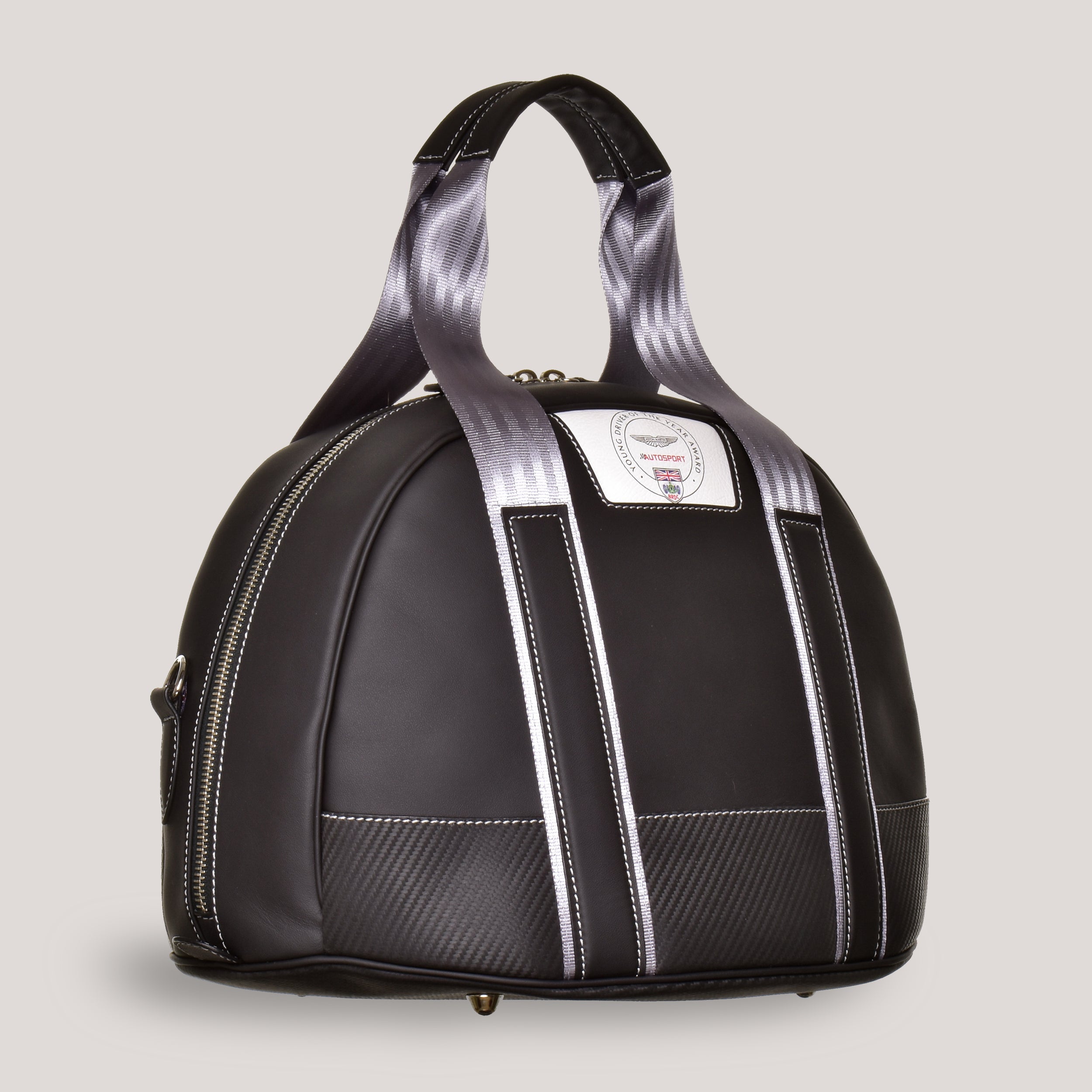
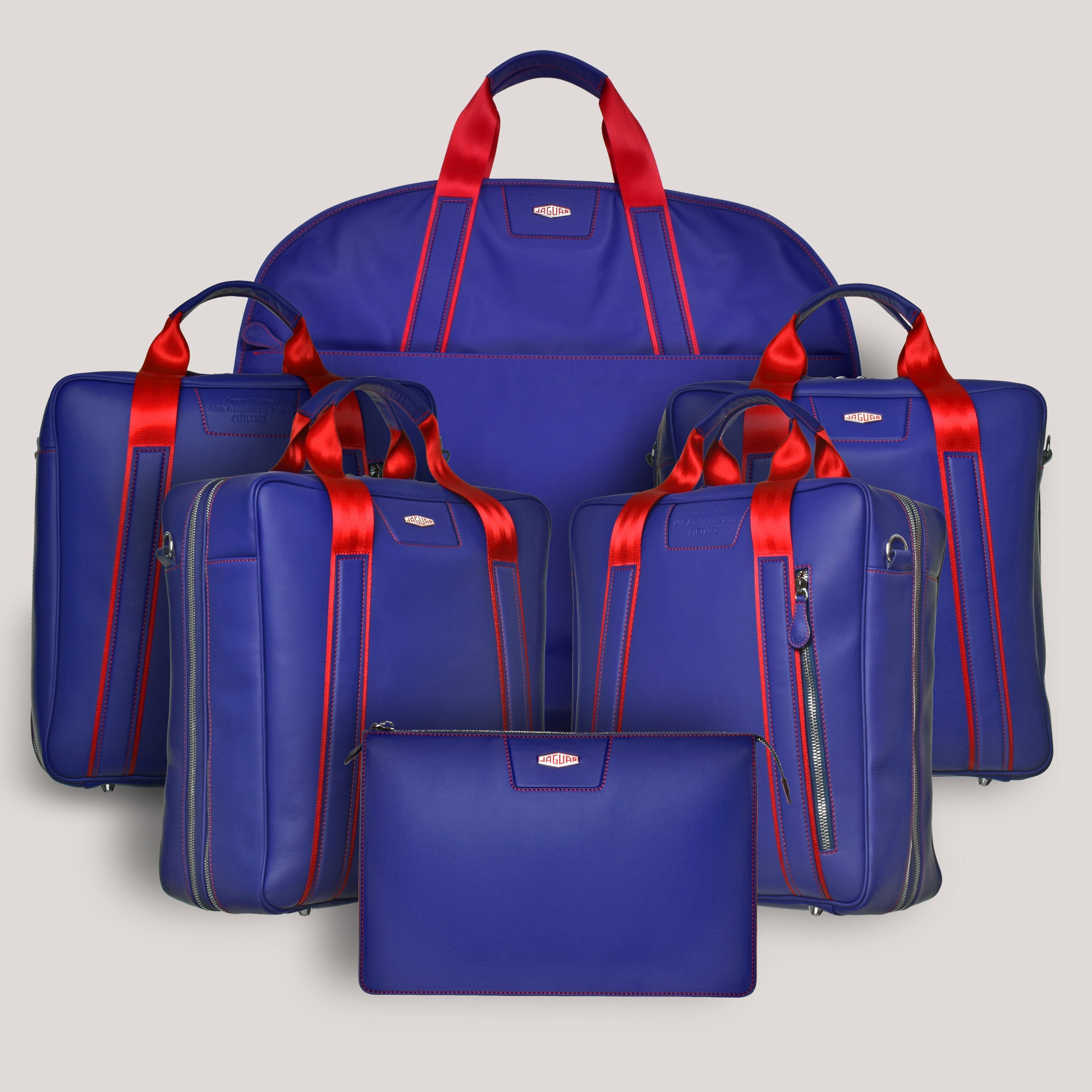
Bespoke luggage begins elsewhere. It starts with the client, the intended use and the details that matter to that individual. Dimensions may be adapted to suit a particular car boot, garment requirements or race weekend essentials. Leather can be selected for texture, weight and patina. Stitching, piping, linings, hardware and monograms are not afterthoughts. They are part of the design language from the outset.
This is why the comparison is less about price than philosophy. Designer luggage signals affiliation with a house. Bespoke luggage expresses authorship.
The appeal of designer luggage
There is no sense pretending designer luggage lacks merit. The best examples offer polish, consistency and strong visual identity. For some buyers, that is precisely the point. They want a piece that is instantly recognisable and easy to purchase, with the reassurance of global branding behind it.
It also suits those who enjoy fashion as a changing conversation. Collections evolve, colours shift, collaborations appear and disappear. Designer luggage can feel current in the way a fine watch or tailored jacket can feel current - not because it is disposable, but because it participates in a wider luxury culture.
There is also convenience. You can see it, compare it and buy it with relative speed. For the traveller who wants a refined piece without entering a commissioning process, that simplicity has genuine appeal.
The trade-off is that designer luggage, however exclusive the label, is rarely truly singular. It may be limited, but it is not personal in the deepest sense. Many others can own exactly the same case, with the same proportions, same trim and same hardware.
Why bespoke luggage speaks to a different kind of luxury
Bespoke luxury has always belonged to worlds where fit, proportion and personal taste matter more than visibility alone. Savile Row understood this long ago. The finest coachbuilders understood it too. The same principle applies to luggage crafted for the discerning individual.
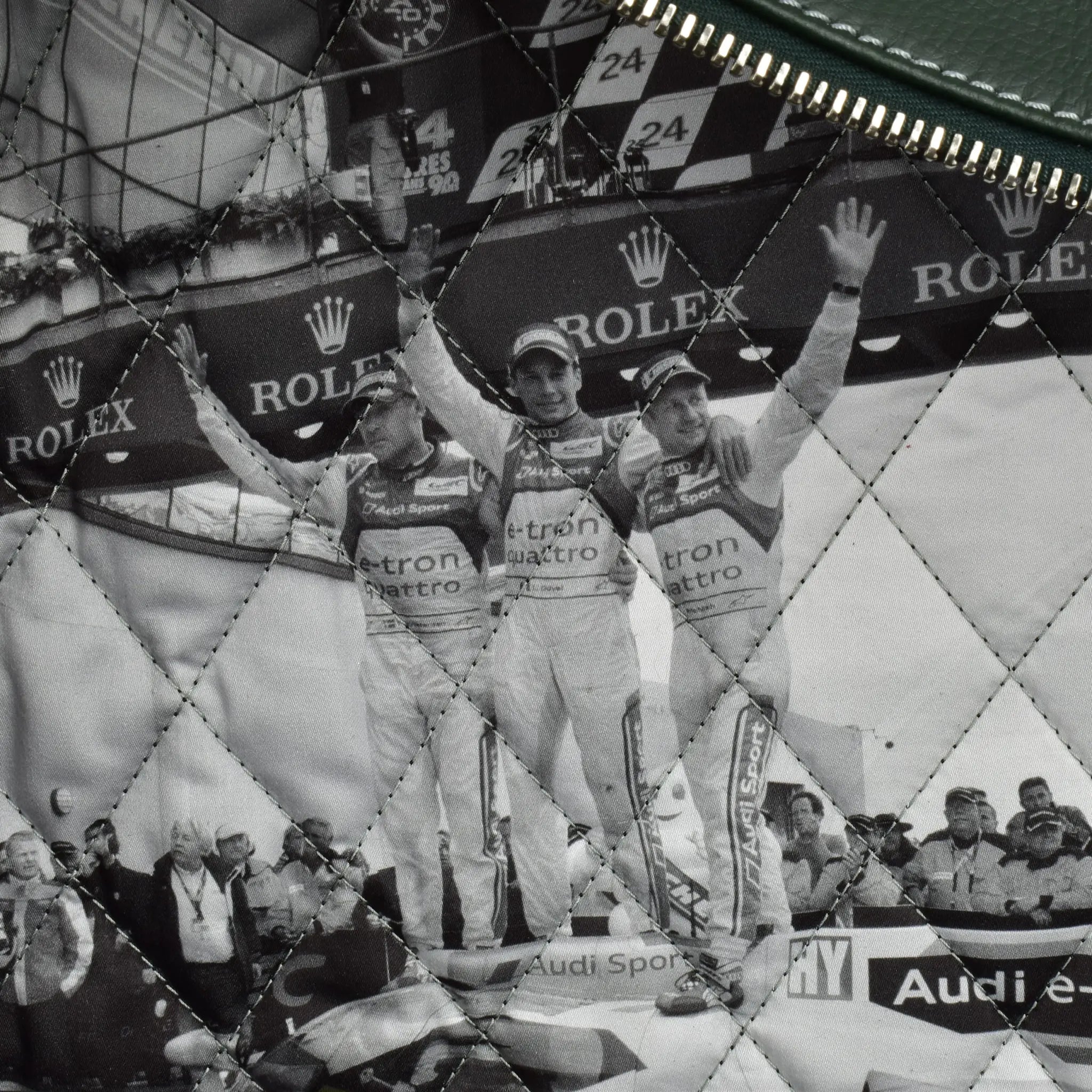
A bespoke piece is not simply customised with initials after the fact. It is conceived around how the owner travels, what they carry and what references they value. That may mean leather chosen to echo a motor car interior, a lining inspired by racing colours, or a silhouette designed to sit elegantly behind the seats of a grand tourer. These are details most brands cannot offer because their systems are built for scale, not intimacy.
That intimacy changes the emotional relationship with the object. You do not merely acquire bespoke luggage. You commission something with intent. It becomes a possession with a narrative, and narrative is often what separates luxury from expense.
Craftsmanship is not always equal
One reason bespoke luggage versus designer luggage matters is that craftsmanship is too often reduced to a marketing phrase. In reality, how a piece is made - and why - makes all the difference.
Designer luggage can certainly be well produced. Some houses use excellent ateliers and refined materials. Yet many luxury labels prioritise consistency across high volumes. Construction methods may be chosen as much for scalability as for beauty or longevity.
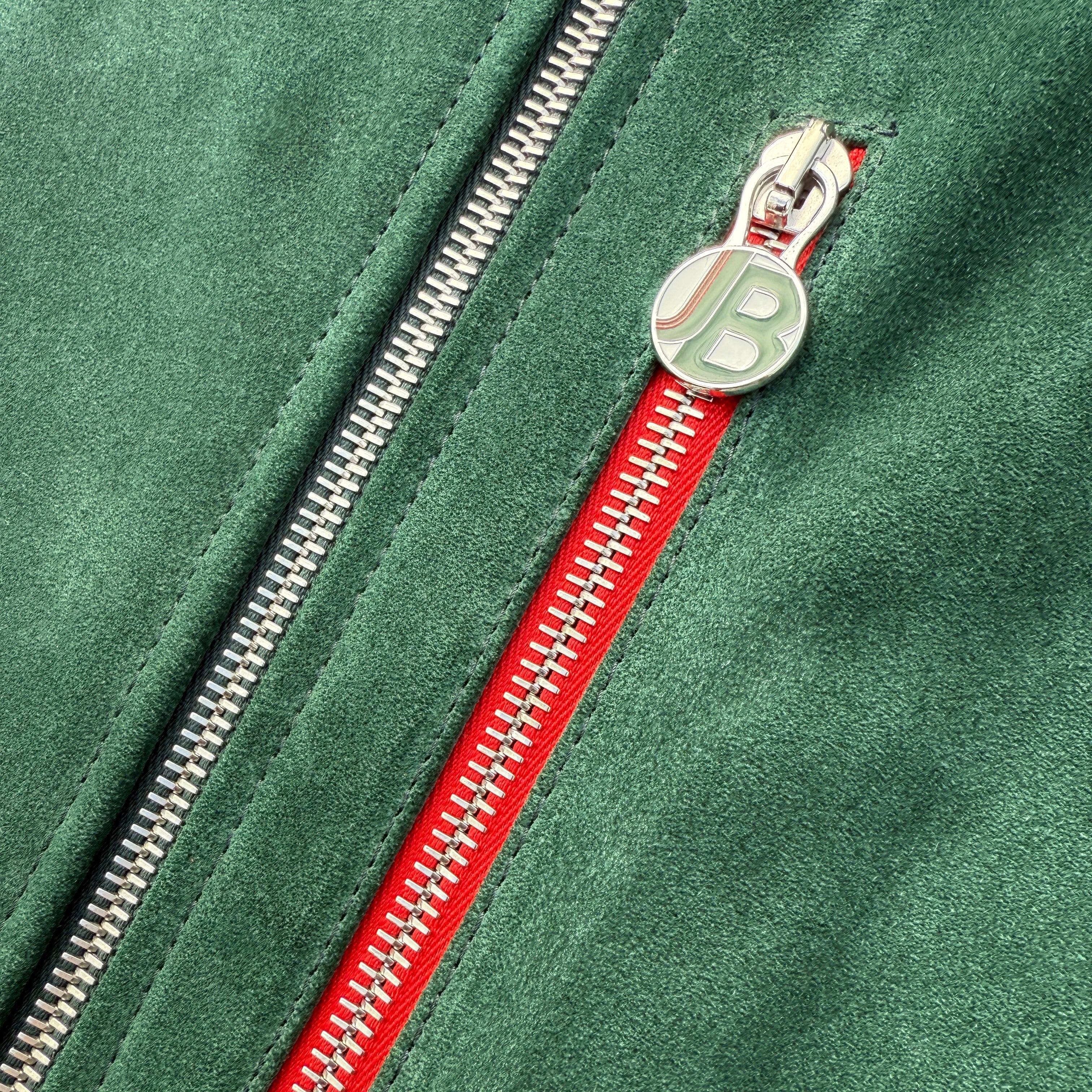
A bespoke maker is generally judged by different standards. The expectation is not simply that the seams are neat or the leather supple. It is that the piece has been thought through in a more exacting way. Material combinations must work together over time. Handles must feel right in the hand. Structure must suit the intended load. Hardware should age with dignity rather than simply shine on first impression.
When production is rooted in specialist craftsmanship - hand-made in Italy, for instance, using fine leathers, carefully selected linings and superior metalwork - the object carries a quiet authority. It does not need to announce itself loudly. Its confidence is in the making.
Personalisation versus performance
The word personalisation has been diluted by luxury retail. Too often it means choosing from three colours and adding embossed initials. Bespoke work asks much more interesting questions.
Do you need a holdall that complements the cabin of an Aston Martin or Ferrari? Are you travelling with driving shoes, a helmet, technical layers and documents for a race event? Do you want a weekender that fits elegantly in a luggage shelf yet remains soft enough to stow in a sporting car? These are not decorative concerns. They affect design, scale and usability.
This is where bespoke luggage has a commanding advantage. It can be both expressive and practical. A designer bag may look exceptional on a concierge trolley. A bespoke one can be made to perform beautifully in the context of your actual life.
For automotive and motorsport clients, that difference is especially pronounced. Luggage can become part of a wider personal aesthetic - one that reflects a marque, a garage, a racing history or simply a longstanding love of beautifully engineered things. In that setting, generic luxury begins to feel rather ordinary.
Exclusivity means different things
Luxury clients often say they want exclusivity, but exclusivity comes in two forms. The first is scarcity. A limited-edition designer case may be produced in small numbers and sold to a select market. The second is individuality. A bespoke case may exist as the only one of its kind because it was created around one person and one brief.
Scarcity has value, particularly in collector culture. But individuality has greater emotional depth. It allows the owner to recognise themselves in the object, not just the brand behind it.
That distinction matters more with age. A logo that felt fashionable ten years ago may date a piece. A carefully commissioned luggage set, grounded in materials, proportion and personal meaning, tends to mature more gracefully. It belongs to its owner rather than to a moment.
Which offers better long-term value?
If value is measured purely by resale, the answer depends on the label, condition and market appetite. Certain fashion houses hold secondary-market appeal because brand recognition drives demand.
But most clients shopping at this level are not buying luggage as a speculative asset. They are buying for pleasure, utility and permanence. In that sense, long-term value is better judged by relevance over time. Will the piece still feel appropriate in a decade? Will it wear well? Will it remain satisfying to use?
Bespoke luggage often excels here because it is less vulnerable to trend cycles. If it has been well commissioned and finely made, it can become more compelling with use, acquiring patina and memory rather than simply wear. It is crafted for life in a way that many logo-led alternatives are not.
That said, bespoke is not always the right answer for every buyer. If you prefer immediate purchase, enjoy visible brand recognition and want a piece that participates in the language of fashion, designer luggage may be the more natural choice. If, however, you value nuance, discretion and objects that reflect your exact standards, bespoke becomes difficult to rival.
Bespoke luggage versus designer luggage for the discerning traveller
For the discerning traveller, the decision often comes down to what luxury is meant to do. If luxury is about recognition, designer luggage performs that role with confidence. If luxury is about precision, individuality and the satisfaction of owning something made with you in mind, bespoke has greater depth.
That is why brands such as Jordan Bespoke occupy a distinct place in the market. They speak not to the impulse to display, but to the desire to commission. For clients shaped by fine cars, motorsport heritage and exacting standards of craftsmanship, that difference is not academic. It is the whole point.
The best luggage should travel well, wear beautifully and feel more personal with every journey. If it also tells your story, rather than someone else’s, you are usually looking in the right direction.