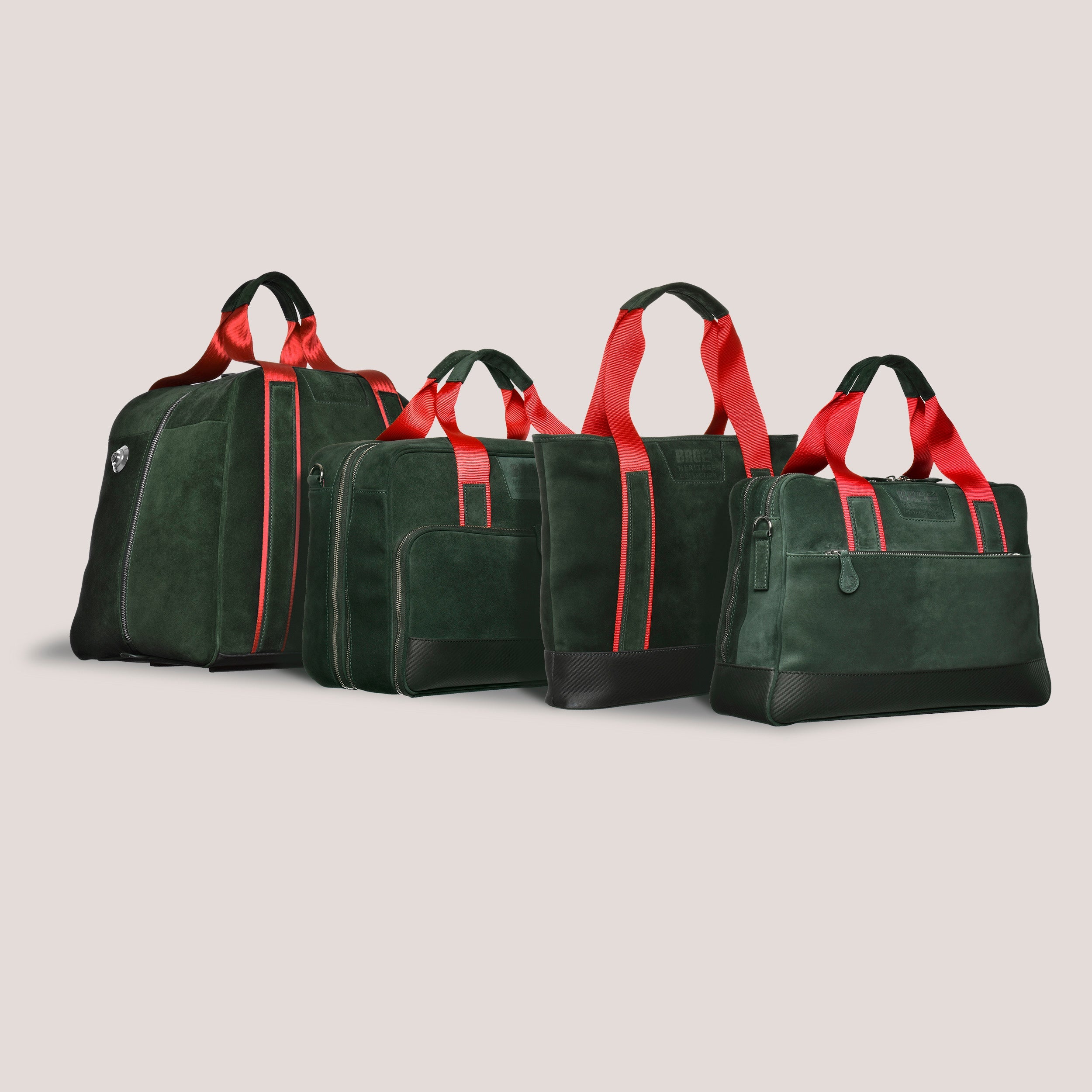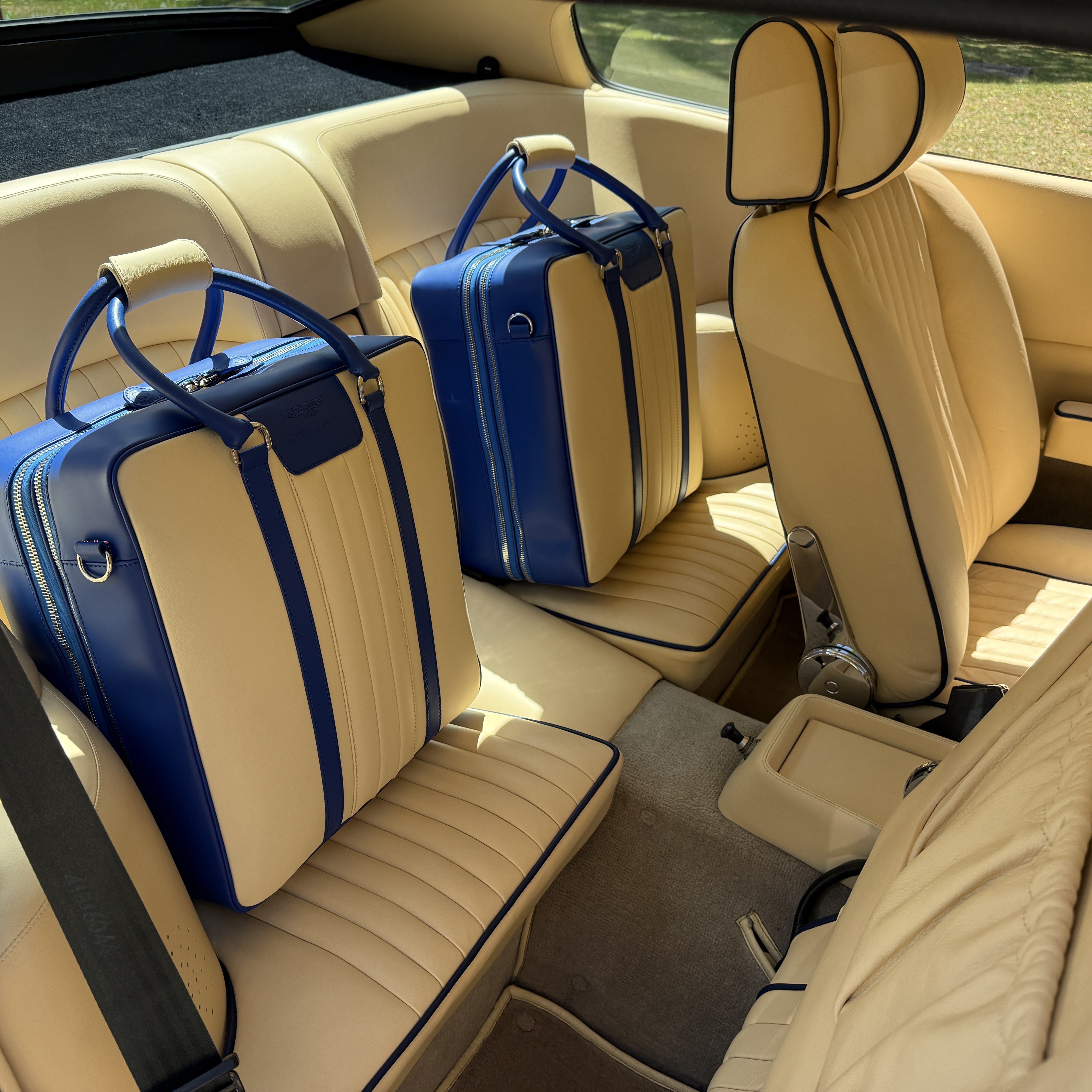


 Commissioning a bespoke bag should feel closer to configuring a grand tourer than pulling something anonymous from a shelf. If you are considering how to spec bespoke leather bags, the real question is not simply what looks handsome on a luggage rack or in a boot. It is how the piece will live with you - on race weekends, in airport lounges, behind the seats of a sporting car, or beside a tailored coat in a hotel lobby.
The best bespoke bags begin with purpose. Not trend, not novelty, and certainly not a vague moodboard assembled in haste. A well-specified piece has proportion, material integrity and a clear point of view. It reflects the owner, but it also respects the practical demands of use.
Start with use, not aesthetics
A great many disappointing commissions begin with the wrong first conversation. Clients often start with colour or stitching, when they should begin with how the bag will be used. A weekender for continental driving tours requires a different silhouette from a race day kit bag. A briefcase carried daily into meetings has different priorities from a helmet bag designed around protective structure and generous internal volume.
Think carefully about frequency, context and packing habits. Are you a disciplined packer, or do you prefer space for the unexpected? Do you travel with a laptop, charging leads, documents and a watch roll, or do you need room for driving shoes, a change of layers and a lightweight jacket? These details affect dimensions, opening width, internal architecture and handle drop more than most clients initially expect.
If the bag is intended to complement a specific car, that should be established early. Cabin dimensions, boot shape and seatback clearance matter. A low-slung GT with a shallow luggage area demands precision. A taller SUV offers more freedom, but that does not mean a larger bag is automatically better. Proportion still governs whether a piece feels considered or simply oversized.
How to spec bespoke leather bags around form and proportion
Once the use case is clear, form comes into focus. This is where discipline pays dividends. The most elegant bespoke leather bags are rarely the most complicated. They succeed because every line has a reason.
A holdall should have enough body to stand with confidence, yet not so much rigidity that it becomes cumbersome in transit. A briefcase benefits from structure, though too stiff a build can feel formal to the point of severity. A soft helmet bag needs protection and shape retention, but also enough suppleness to handle easily in pits, paddocks and garages.
Dimensions are not merely numbers on a specification sheet. They define the bag’s presence. A few centimetres added to depth can turn a refined profile into something heavy-handed. Likewise, handles that are slightly too short become irritating every single time the bag is lifted. Shoulder straps, when included, should be judged honestly. Some bags suit them. Others are better without them. Adding features simply because they seem useful on paper can dilute the purity of the design.
This is where an experienced maker becomes invaluable. Bespoke is not the same as limitless. A strong commission is often shaped by informed restraint.
Leather selection is about character as much as finish
Leather is where many commissions either gain depth or lose direction. Clients are often drawn to a single swatch in isolation, but leather should be chosen in relation to structure, use and ageing.
Full-grain hides with a natural finish tend to offer the greatest character over time. They mark, soften and develop a patina that tells the truth about ownership. That suits a client who values maturity and individuality. More corrected or heavily treated leathers can offer greater resistance to scuffs and moisture, which may be preferable for frequent travel or regular use in less forgiving conditions.
There is also the question of temper. A firmer leather helps maintain sharp architectural lines. A softer hide lends a more relaxed elegance, particularly on holdalls and travel pieces. Neither is inherently superior. It depends on the visual language you want and the life the bag is expected to lead.
For automotive and motorsport-inspired commissions, the temptation is often to match interior leather exactly. Sometimes that works brilliantly. Sometimes it feels overly literal. A better approach is often to echo the spirit of a car rather than copy it panel for panel. A hide that complements seat piping, a lining that references a historic racing colour, or a subtle contrast stitch can feel more sophisticated than a direct transplant of cabin trim.
Hardware, lining and details deserve more respect
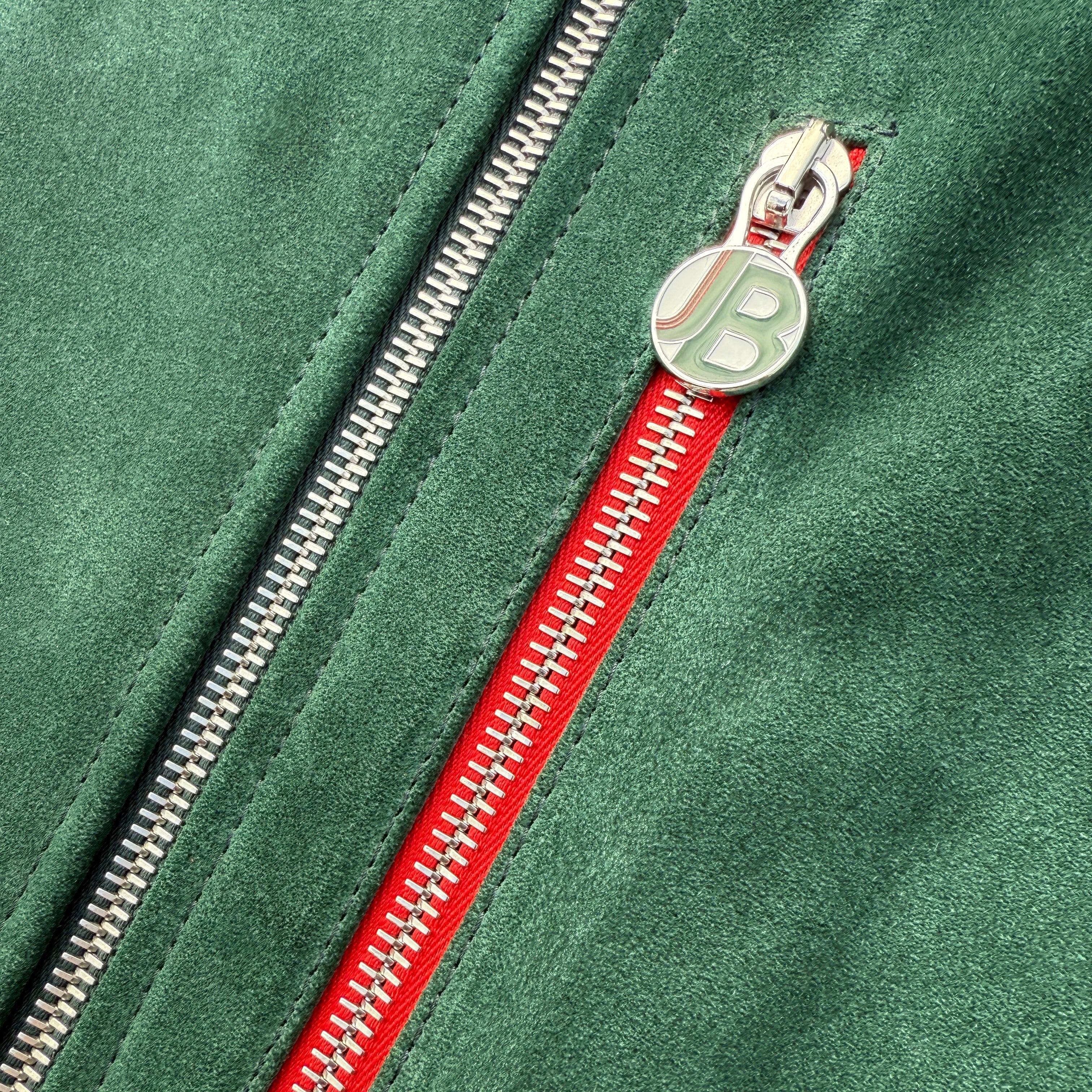
The difference between a merely expensive bag and a truly resolved one often lies in details that are not visible at first glance. Zip quality, edge finishing, stitch density, reinforcement points and lining material all shape the ownership experience.
Hardware should suit the bag’s character. Bright polished metal can feel crisp and contemporary, while antique or brushed finishes offer understatement. The wrong hardware can undermine a beautifully chosen leather. Scale matters too. Overly heavy fittings on a refined briefcase look theatrical. Understated hardware on a substantial travel bag can seem mean rather than minimal.
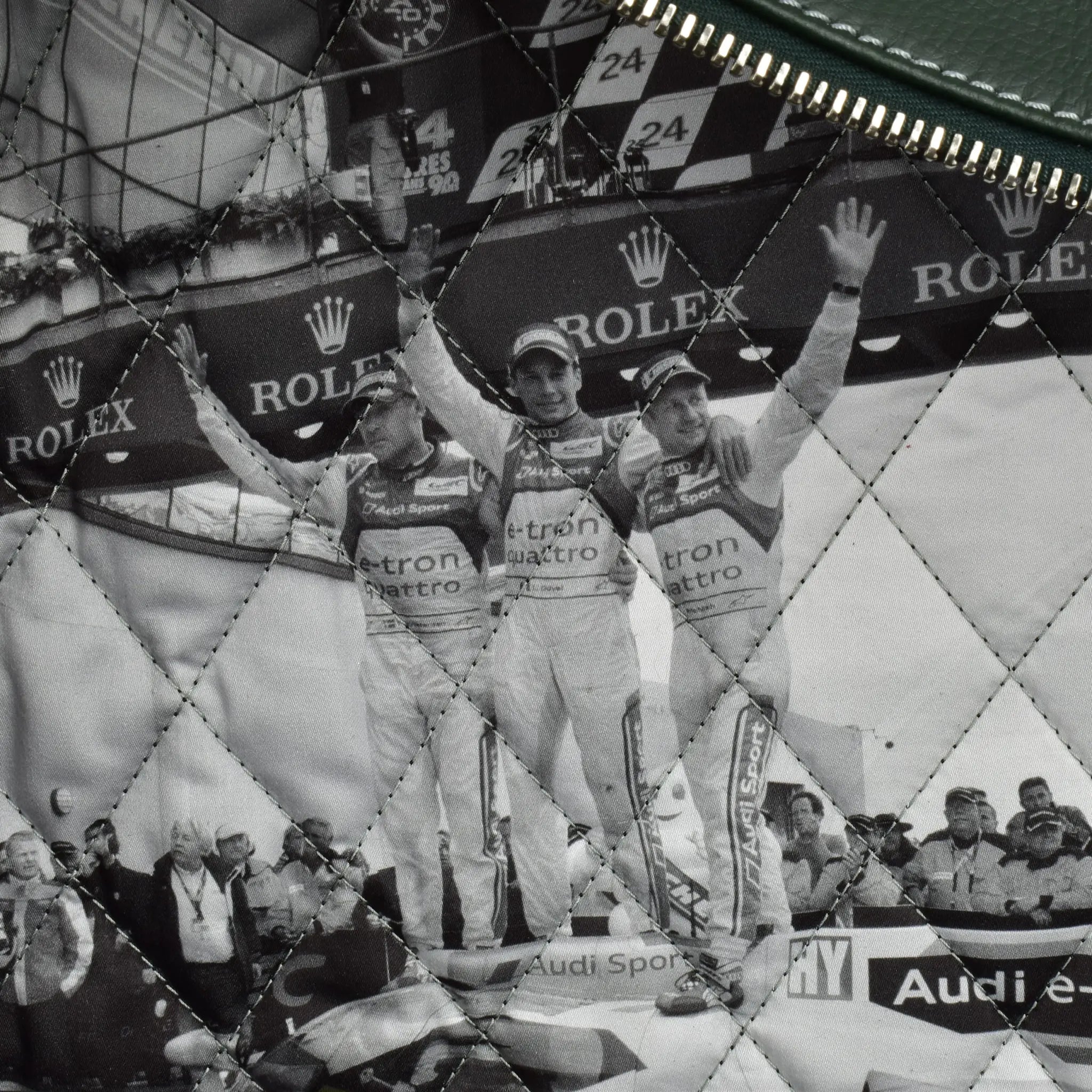
Lining is where personality can speak more intimately. This may be a restrained suede, a tonal textile, or something more expressive that nods to racing heritage, club colours or a significant car in the collection. The key is coherence. Bespoke should feel personal, not crowded.
Practical details deserve equal scrutiny. Consider whether you genuinely need external pockets, luggage sleeves, pen loops, padded laptop sections or detachable pouches. Useful features are valuable only if they suit the way you move. A beautifully clean exterior can be worth more than another compartment you rarely use.
How to spec bespoke leather bags with personal references
Personalisation is where bespoke becomes meaningful, but there is a fine line between individuality and overstatement. Monograms, embossed initials, registration-inspired details, racing roundels and contrast panels can all work superbly. The question is how much is enough.
The most enduring commissions usually avoid saying everything at once. A discreet chassis number debossed inside, a lining stripe drawn from period motorsport livery, or hand stitching that recalls interior detailing from a cherished car can carry far more emotional weight than overt branding across every panel.
This is especially true if the piece is intended to age gracefully over decades. Taste evolves. Collections change. Cars come and go. The best personalised bags leave room for the owner’s life to continue unfolding around them.
At Jordan Bespoke, this is often where the most compelling work emerges - not in excess, but in precision. A bag can feel unmistakably yours without shouting for attention.
Think about ageing before the bag is made
A bespoke bag should be crafted for life, which means the specification needs to account for wear from the outset. Light leathers can be beautiful, though they will show marks more readily. Contrast stitching has visual drama, but it can date faster than tonal stitching if the palette is too assertive. Highly polished finishes can look spectacular when new, but some clients later prefer the gentler honesty of more natural surfaces.
Ask yourself how you want the piece to look in five or ten years. Do you want a bag that records every journey, or one that maintains a more formal composure? There is no right answer, but there is a right answer for you.
Construction matters here as much as material. Reinforced corners, proper base protection and well-considered internal support all contribute to longevity. A handsome commission that collapses or distorts prematurely has not been properly specified, no matter how fine the hide.
Work with the maker, not against them
True bespoke is collaborative. The client brings taste, references and intent. The maker brings technical understanding, pattern knowledge and experience of what will endure. The strongest outcome comes when those two forms of expertise meet with mutual respect.
That means being clear, but not rigid. Bring reference points, certainly, but avoid treating the process like a checklist of every appealing detail you have seen elsewhere. A bag is a complete object. Its success depends on harmony.
Good makers will challenge weak ideas. They may advise against a certain leather for a heavily used travel piece, or suggest reducing external detailing to preserve elegance. That is not resistance. It is part of the value of commissioning a specialist.
When you review drawings, swatches or prototypes, focus on proportion and logic rather than isolated features. Ask how the bag carries, where it softens, how it opens, how it sits when full and how it will age. Those are the questions that shape lasting satisfaction.
A bespoke leather bag should never feel like an indulgence justified by price alone. It should feel inevitable - as though no off-the-peg alternative could have expressed your tastes, your travels and your automotive world with the same clarity. Specify it with care, and the result will not simply accompany your life. It will become part of how that life is remembered.