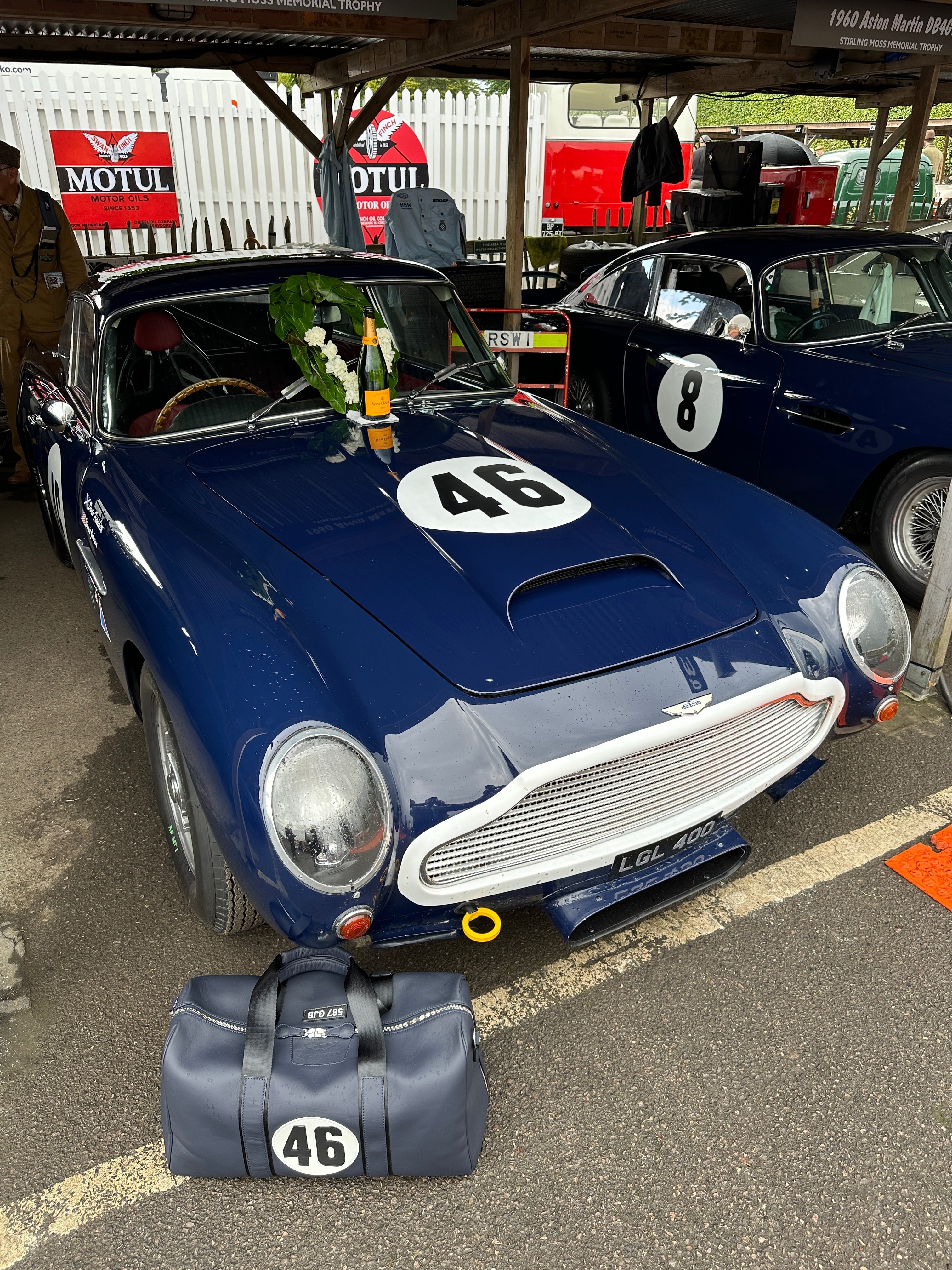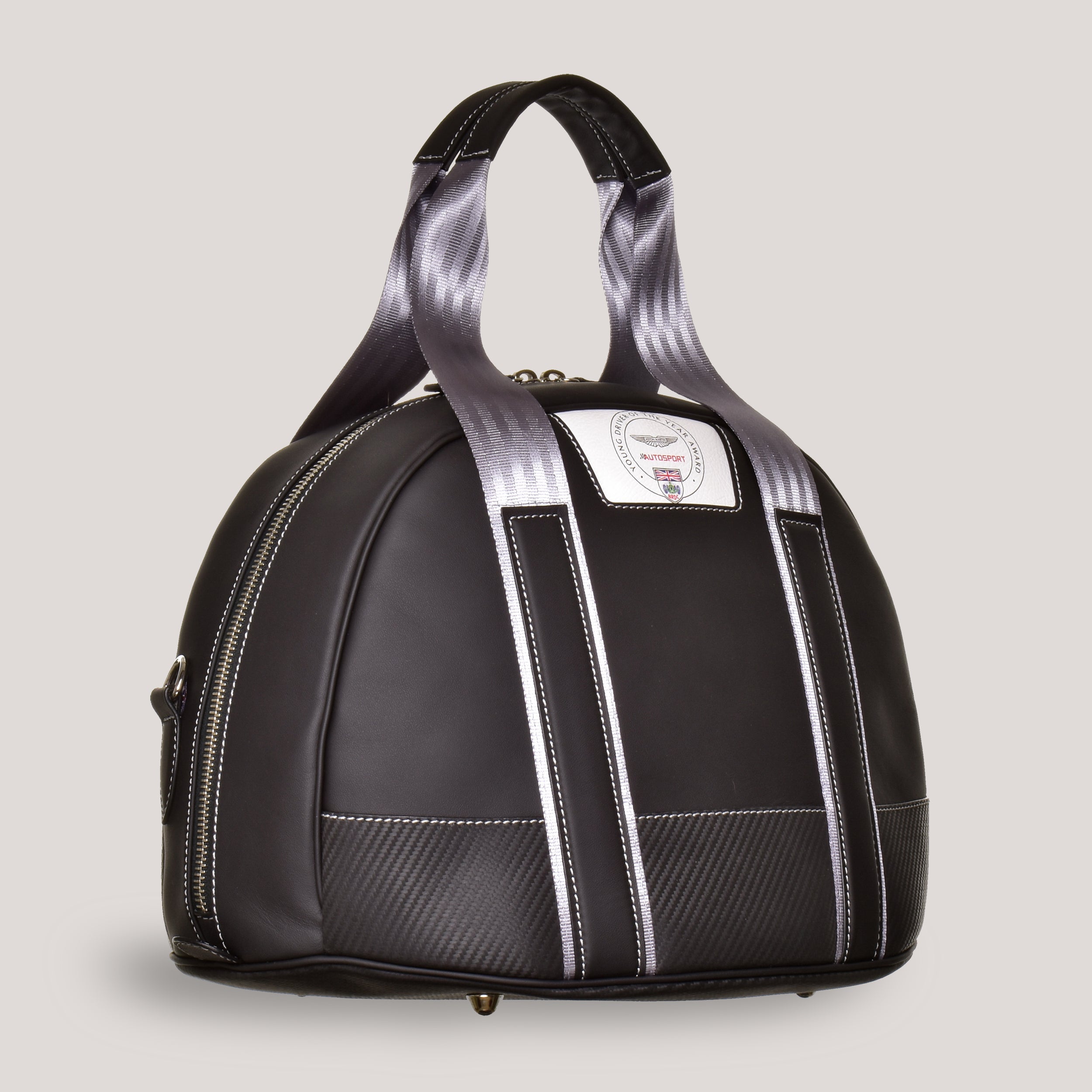


There is a particular disappointment in opening the boot of a beautifully specified grand tourer and finding luggage that looks like an afterthought. For anyone who cares about proportion, material, and the quiet pleasure of things made properly, driving luggage sets are not simply travel accessories. They are part of the car’s world - an extension of its character, and often of the owner’s own standards.
For the discerning driver, luggage must do more than carry clothes from one hotel to the next. It must fit the architecture of the vehicle, endure repeated use, and feel at home beside hand-stitched leather, brushed metal, and carefully judged detailing. The best examples are crafted for life, but they also understand theatre. Packing for a road trip, a concours weekend, or a race meeting should feel considered rather than improvised.
What makes driving luggage sets different
Most travel luggage is designed around airports, overhead lockers, and standardised dimensions. Driving luggage sets answer a different brief. They are made for cabins with low rooflines, narrow apertures, shallow boots, and the often irregular spaces found in sports cars, GTs, and high-performance saloons.
That changes everything. Shape matters more. Soft-sided construction often makes better sense than rigid shells. Handle placement, zip opening, and bag depth become practical design decisions rather than decorative ones. A holdall that works perfectly in a hotel lobby may prove deeply frustrating if it will not sit neatly behind the seats of a two-door coupé or if it wastes precious space in the rear compartment.
There is also the matter of visual harmony. In an ordinary context, luggage can be generic. In an automotive one, generic stands out for the wrong reasons. A proper driving set acknowledges the language of the car - whether that means understated British restraint, motorsport utility, or more extrovert continental flair. The relationship does not need to be literal, but it should feel intentional.
Why fit matters as much as finish
Luxury is often mistaken for surface alone. Fine leather, polished hardware, and immaculate stitching certainly matter, but fit is where a driving set proves its worth. A beautifully made bag that leaves empty voids in the boot is, in practical terms, badly resolved.
This is why bespoke and carefully designed ready-to-own sets carry such appeal. When a bag’s dimensions are informed by the vehicle itself, capacity becomes more intelligent. You gain usable volume without the visual or functional clumsiness of forcing conventional luggage into a space it was never designed for.
That said, absolute vehicle-specific tailoring is not always necessary. It depends on how the luggage will be used. If you drive one car almost exclusively for leisure trips, a dedicated fitted set makes perfect sense. If your collection includes several cars and your luggage moves between them, a modular set with complementary shapes may be the better answer. True quality lies in understanding the use case rather than chasing a single idea of perfection.
The anatomy of exceptional driving luggage sets
At this level, materials are not selected for marketing value alone. They shape how the luggage ages, how it performs, and how it belongs in an automotive setting. Full-grain leather remains the obvious reference point, particularly when cut and finished with the same degree of care one expects from a finely appointed interior. It develops character rather than simply wearing out, which is precisely what owners of cherished cars tend to appreciate.
Yet leather alone is not the whole story. Weight matters. So does resilience. In some cases, combining leather with technical canvas, Alcantara-style linings, or lightweight performance fabrics results in a more usable piece. The right choice depends on the nature of the journey. A continental touring set for hotel stays may favour richer, more luxurious constructions. A race day or support vehicle bag may benefit from tougher, lighter materials and a slightly more purposeful attitude.
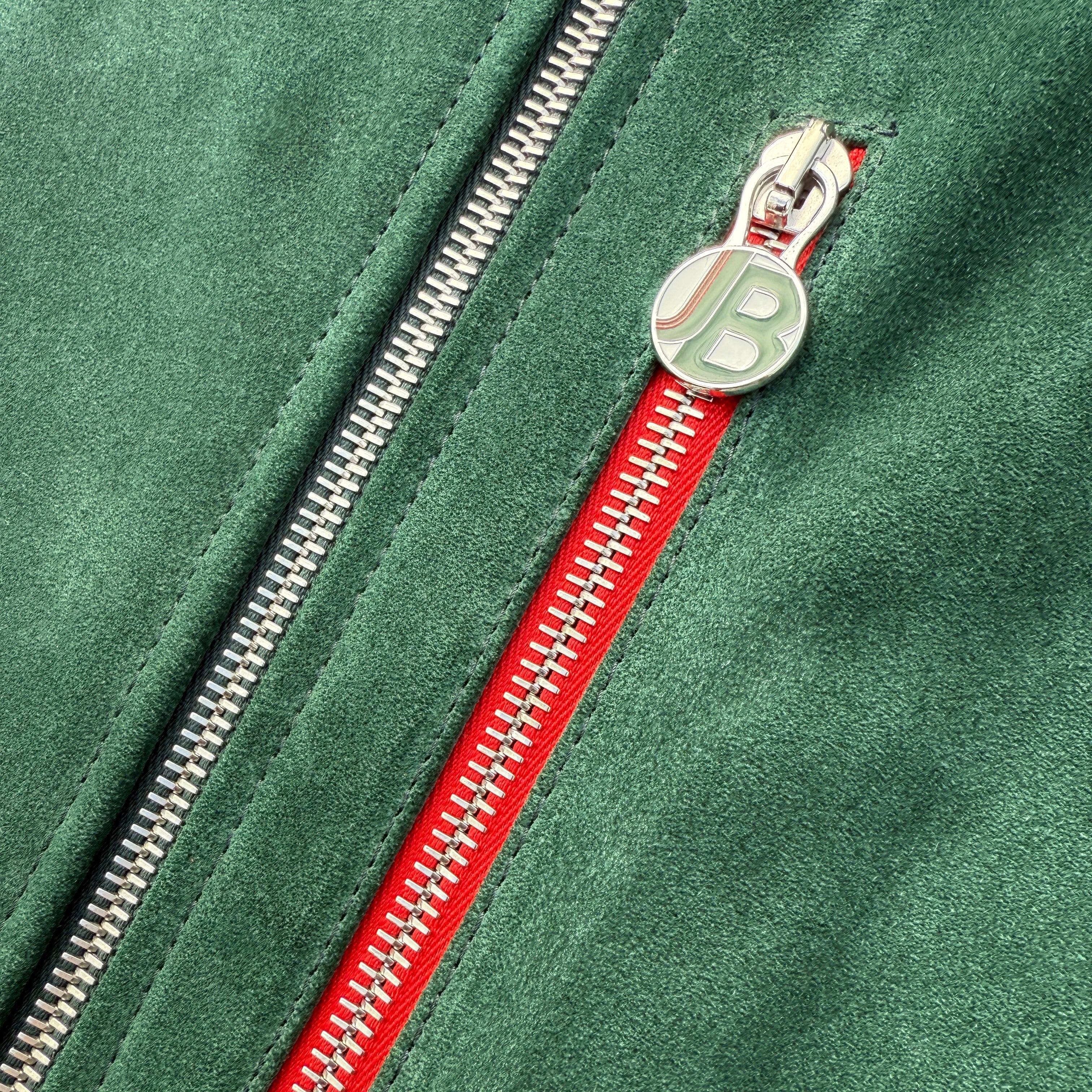
Hardware deserves equal scrutiny. Inferior zips and fittings will announce themselves quickly, and never elegantly. Smooth-running metal zips, solid clasps, reinforced corners, and handles built to bear proper load are not minor details. They determine whether a bag feels composed after years of use or tired after a single season.
Inside, organisation should be discreet and intelligent. Too many compartments can become fussy. Too few can make packing careless. The best interiors guide use without shouting about it - dedicated spaces for shoes, garments, cables, watches, documents, or driving gloves where appropriate, all integrated in a way that preserves a calm and uncluttered whole.
Style should follow the car, not compete with it
One of the most common mistakes in luxury accessories is overstatement. A driving luggage set should complement the car rather than attempt to steal the scene. That does not mean it must be plain. It means the details should feel coherent.
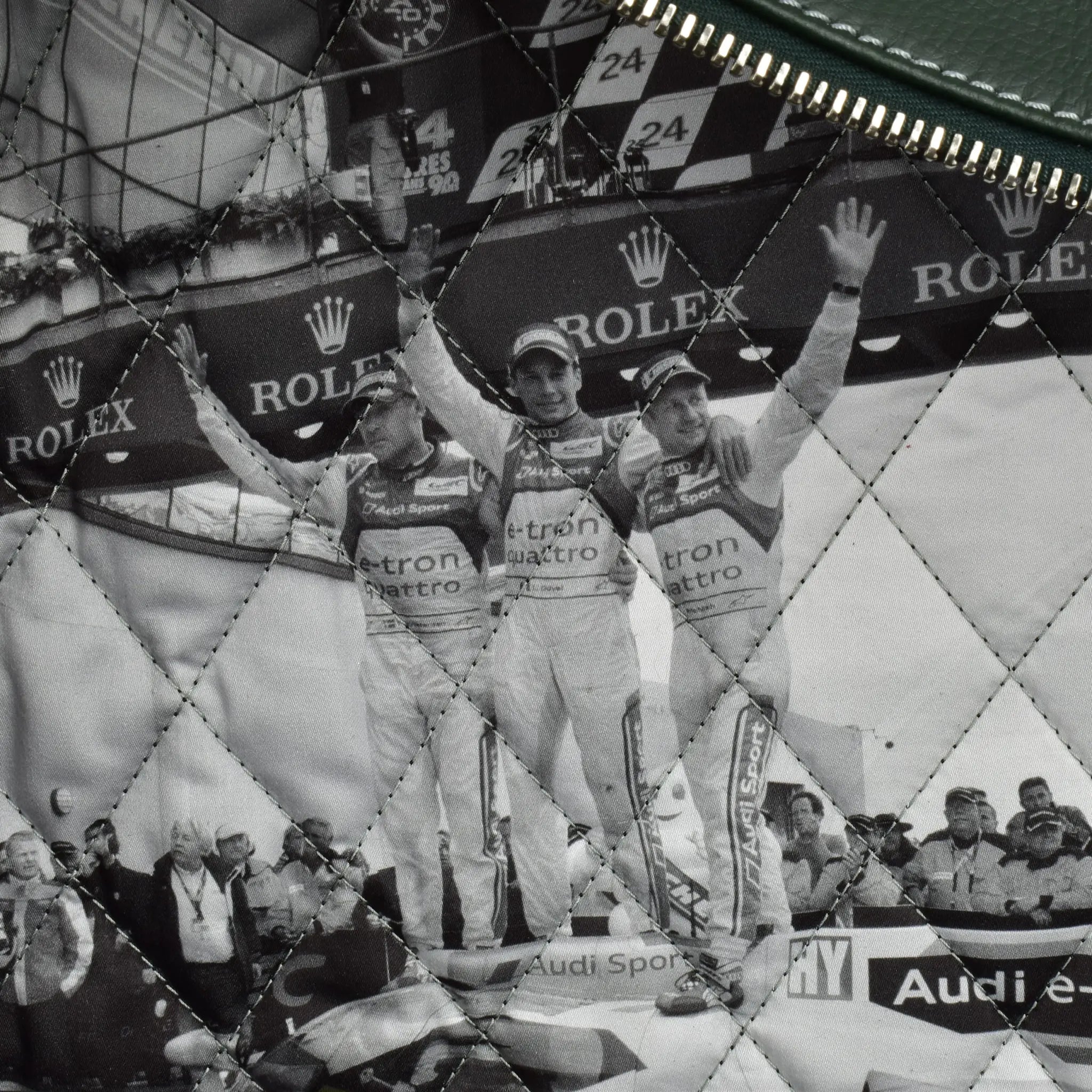
If the car is quietly formal - perhaps in deep green, navy, silver, or black with restrained cabin detailing - the luggage may be best served by subtle leather grain, tonal stitching, and refined hardware. If the brief leans towards motorsport, contrast stripes, competition-inspired quilting, race number references, or custom linings can be compelling, but only when handled with precision.
Personalisation is where this category becomes especially compelling. Monograms, embroidered initials, unique lining colours, painted edges, bespoke leather tones, and details drawn from the owner’s vehicle or racing history turn luggage into something more than expensive equipment. They make it a symbol of individuality. The difference between tasteful commissioning and gimmickry lies in restraint. The most memorable bespoke pieces are rarely the loudest.
When bespoke makes sense
For certain owners, off-the-shelf luxury luggage will always feel slightly compromised. That is where bespoke enters on entirely rational grounds, not merely indulgent ones. A commissioned set allows the client to think about the shape of the car, the length of the journey, the nature of the occasions involved, and the aesthetic language they want the pieces to carry.
Perhaps the brief is a pair of holdalls and a garment carrier for European weekends in an Aston Martin. Perhaps it is a race day kit bag, helmet bag, and smaller accessory pieces for regular circuit use. Perhaps it is luggage that picks up the hide colour, piping, and stitching pattern of a favourite motor car. These are not superficial flourishes. They create continuity between machine, owner, and object.
For a brand such as Jordan Bespoke, this approach reflects the same logic that makes clients commission a car in a specific shade, a jacket in a particular cut, or a watch with personal significance. The point is not excess. It is authorship.
Choosing the right driving luggage set for your use
A useful way to begin is by asking what kind of driving life the set is meant to serve. If most journeys are short luxury breaks, focus on two or three impeccably made pieces that maximise boot space and transition elegantly from car to hotel. If the luggage will travel to race meetings or club events, durability and compartmentalisation become more important.
It is also worth being honest about how much matching matters to you. Some clients want a complete visual set, every piece aligned in finish and detailing. Others prefer a more relaxed collection built around one or two signature items. Neither approach is inherently superior. A full set offers cohesion. A modular approach can feel more natural over time and may better suit a changing garage.
Consider, too, the realities of ownership. Pale leathers are beautiful, but they ask for a little more care. Highly structured bags maintain their shape wonderfully, but they can be less forgiving in tighter storage spaces. Large holdalls look impressive, but two medium pieces often pack more efficiently in a sports car than one oversized bag. These are the trade-offs that matter.
Driving luggage sets as part of the ownership experience
For those outside this world, the idea of car-specific or automotive-inspired luggage may seem niche. For those within it, the appeal is entirely obvious. Ownership at this level has never been only about transportation. It is about atmosphere, ritual, and the satisfaction of details that align.
A well-made driving luggage set changes the texture of a journey before the engine has even fired. Packing becomes more deliberate. Arrival feels more polished. The bags age alongside the car and, in the best cases, begin to carry the memory of trips, events, and favourite roads. That kind of value cannot be reduced to capacity or convenience alone.
The right set should not feel like merchandise. It should feel inevitable, as though it always belonged with the car. If it does, you will notice it every time you load the boot - not because it demands attention, but because nothing about it feels out of place.
Choose with the same care you would give to a cabin specification or a commission from a respected tailor. The finest driving luggage sets are not bought merely for travel. They are chosen for the life that surrounds the journey.