


 A fine grand tourer changes the way one thinks about luggage. Boot space is considered rather than generous, interiors are trimmed with intent, and every object brought along for the weekend needs to deserve its place. A luxury driving weekend bag is not simply a holdall made from expensive leather. It is a piece designed for the rhythm of driving - compact enough to stow neatly, refined enough to sit comfortably beside a beautifully appointed cabin, and crafted with the same respect for detail that defines the car itself.
For the discerning driver, this is where the difference between ordinary luxury and true automotive-minded design becomes clear. Plenty of bags wear the language of premium travel, yet very few understand what happens when luggage meets a low boot aperture, a fitted parcel shelf, or a weekend route planned around country hotels, race meetings and long A-road stretches. The right bag should feel considered from every angle.
What makes a luxury driving weekend bag different
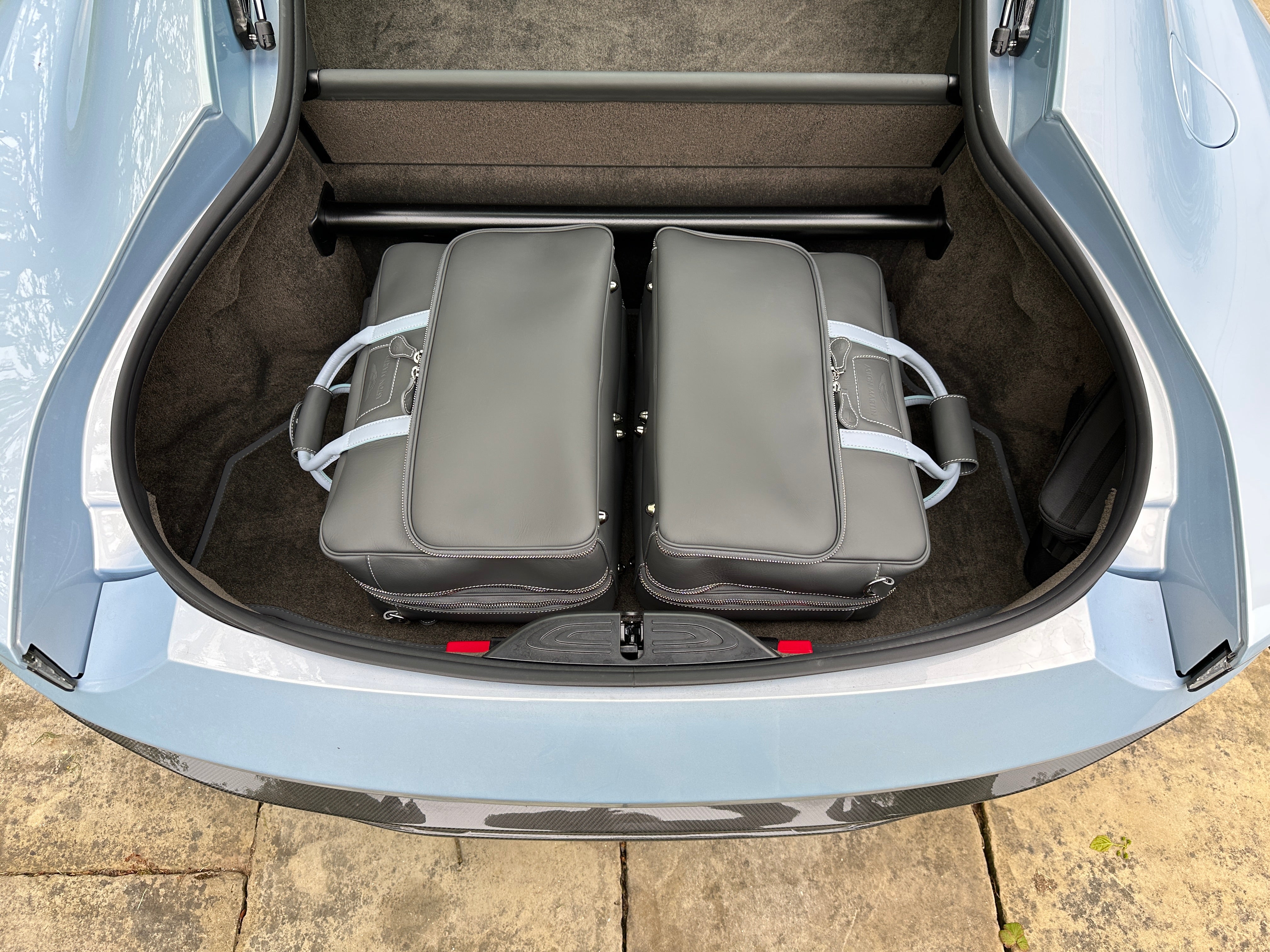
A standard weekender is often built for airport lounges and hotel porters. A luxury driving weekend bag has a more specific brief. It must hold enough for two or three days away, yet remain disciplined in shape and proportion. Too large, and it becomes awkward to load into a sports car. Too soft, and it collapses into the boot in a way that wastes valuable room. Too rigid, and it loses the ease required for genuine weekend use.
Material choice matters here, but so does architecture. A well-judged bag combines supple exterior panels with enough internal structure to preserve its silhouette. That balance allows the piece to look elegant in hand while still packing intelligently in the confined spaces that enthusiasts know so well. It should be comfortable to carry from garage to hotel, but equally at home resting on fine leather upholstery without feeling clumsy or overbuilt.
There is also the matter of character. For those who care deeply about cars, luggage is not an afterthought. It is part of the experience. The grain of the hide, the gleam of metal hardware, the stitch line along a handle wrap - these details register in the same way one notices switchgear, seat quilting or instrument design. They create a sense of coherence.
Size, shape and proportion matter more than logos
The most successful luxury driving weekend bag rarely shouts. It earns its place through proportion. In practical terms, that often means a lower, longer silhouette rather than an overly tall, boxy holdall. This shape tends to work better in performance cars and GTs, where width is available but vertical clearance is limited.
This is where many buyers make the wrong choice. They assume a larger bag is more useful, when in reality a slightly more restrained format often serves far better. A weekend away rarely requires the volume of checked luggage. A change of clothes, knitwear, driving shoes, wash bag and a few personal essentials can fit comfortably into a thoughtfully designed holdall. The discipline lies in carrying what is necessary, not everything one might conceivably need.
Handles and shoulder straps deserve equal scrutiny. If they are too thin, they cut into the hand when the bag is fully packed. If oversized, they upset the elegance of the design. Detachable straps can be useful, although some owners prefer the cleaner line of a bag carried by hand alone. It depends on the nature of the journey. For a short walk into a country house hotel, hand carry feels entirely right. For stations, airports or paddocks, a shoulder strap may prove worthwhile.
Materials should age with grace
Leather remains the natural choice, but not all leather behaves in the same way. Full-grain hides with a rich hand and natural depth tend to reward ownership over time, developing patina rather than simply showing wear. This is especially important for motoring luggage, which is handled often and used in varied settings - from polished garages to gravel drives.
A softer hide can feel wonderfully luxurious, though it may mark more easily. A firmer leather offers sharper structure, but can lose some warmth if over-corrected or heavily finished. The sweet spot is material with character, resilience and enough body to hold its form. Tuscan leather is especially prized for this reason. It carries authenticity, depth of colour and a tactile quality that feels made for life rather than display.
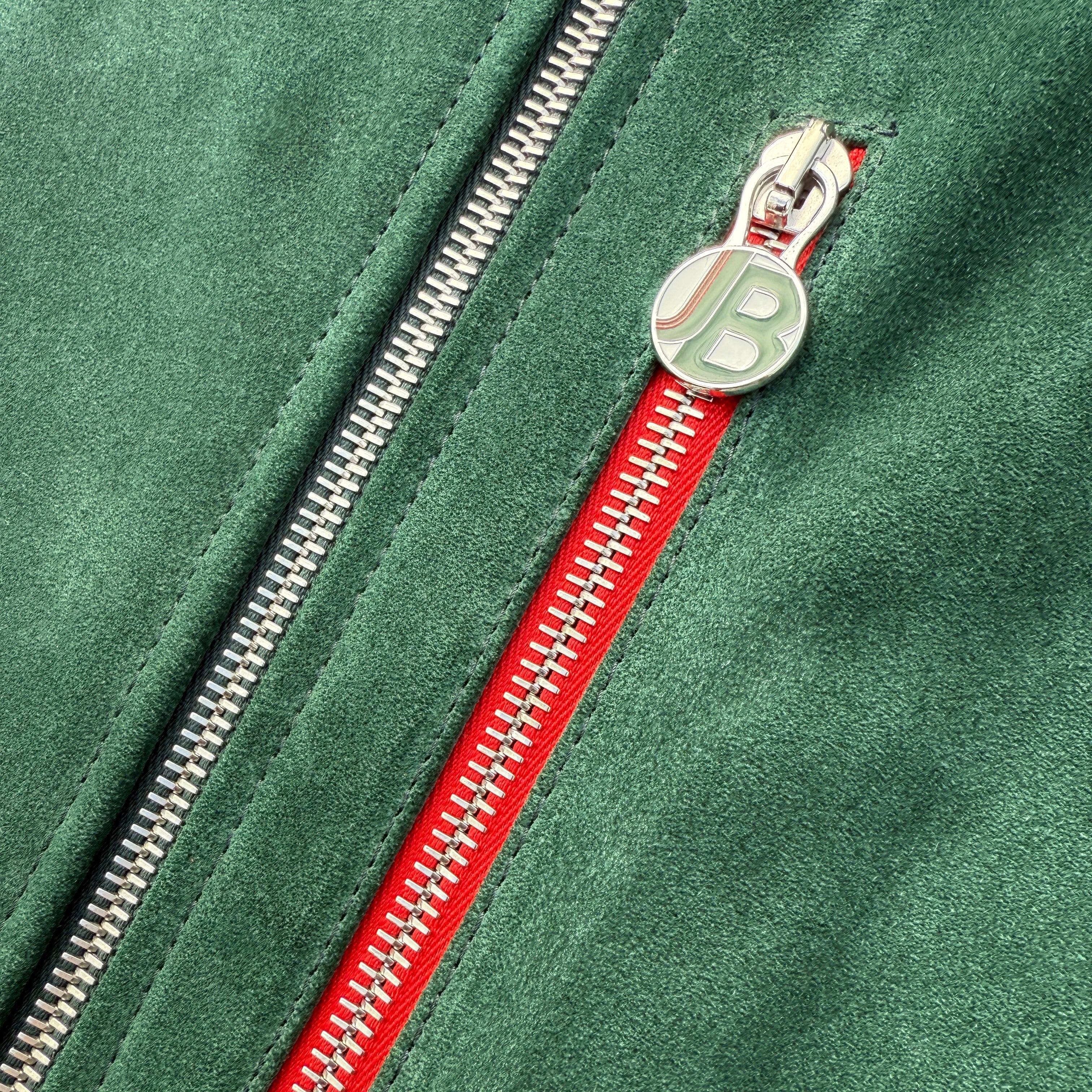
Hardware should be treated with the same seriousness. Cheap zips are the quickest way to undermine an otherwise handsome piece. Precision components such as YKK Excella zips bring a satisfying weight and smoothness that align with the standards expected in this category. Solid fittings, well-finished rivets and properly reinforced handle bases all contribute to longevity. These are not decorative extras. They are the difference between a bag that survives a season and one crafted for life.
The case for bespoke in a luxury driving weekend bag
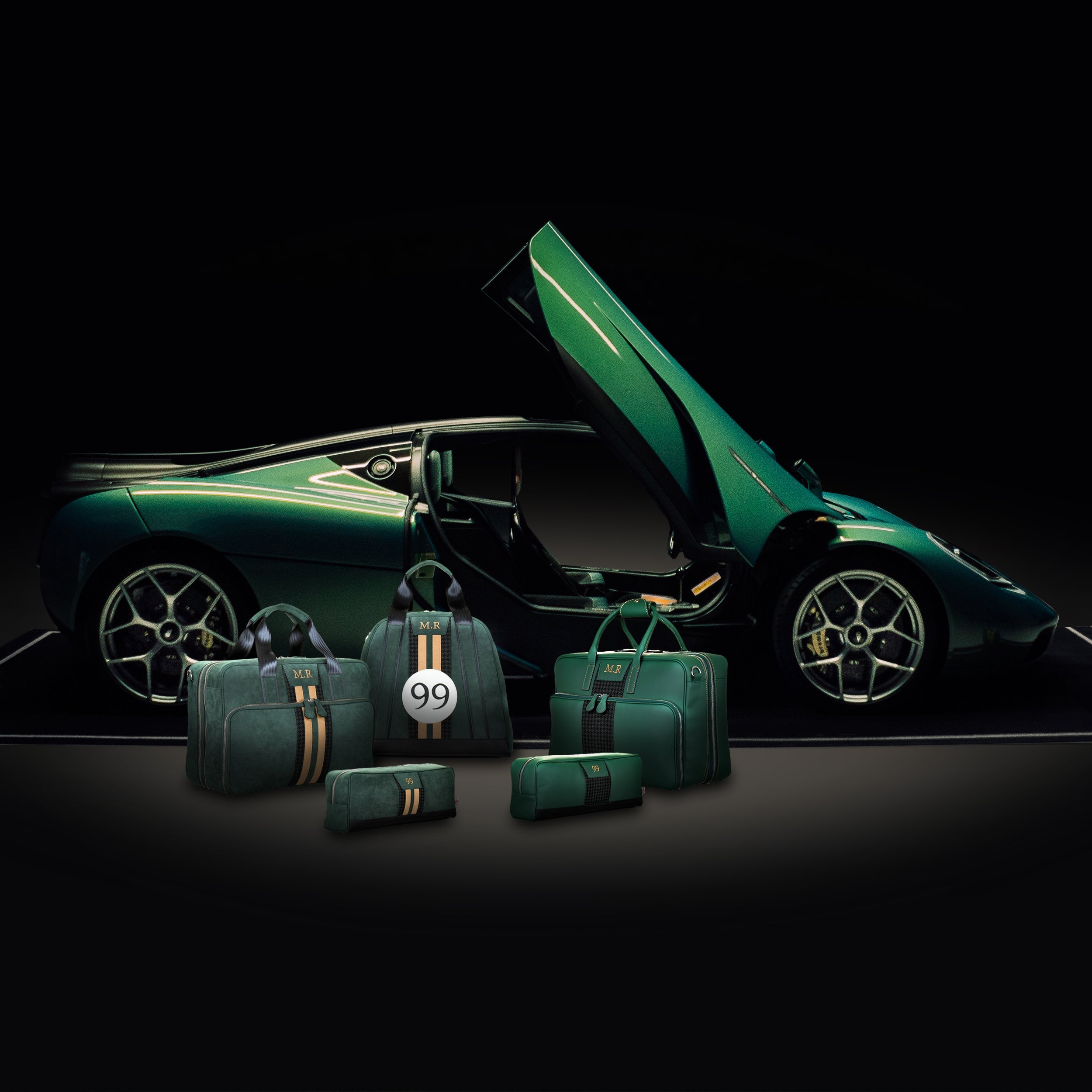
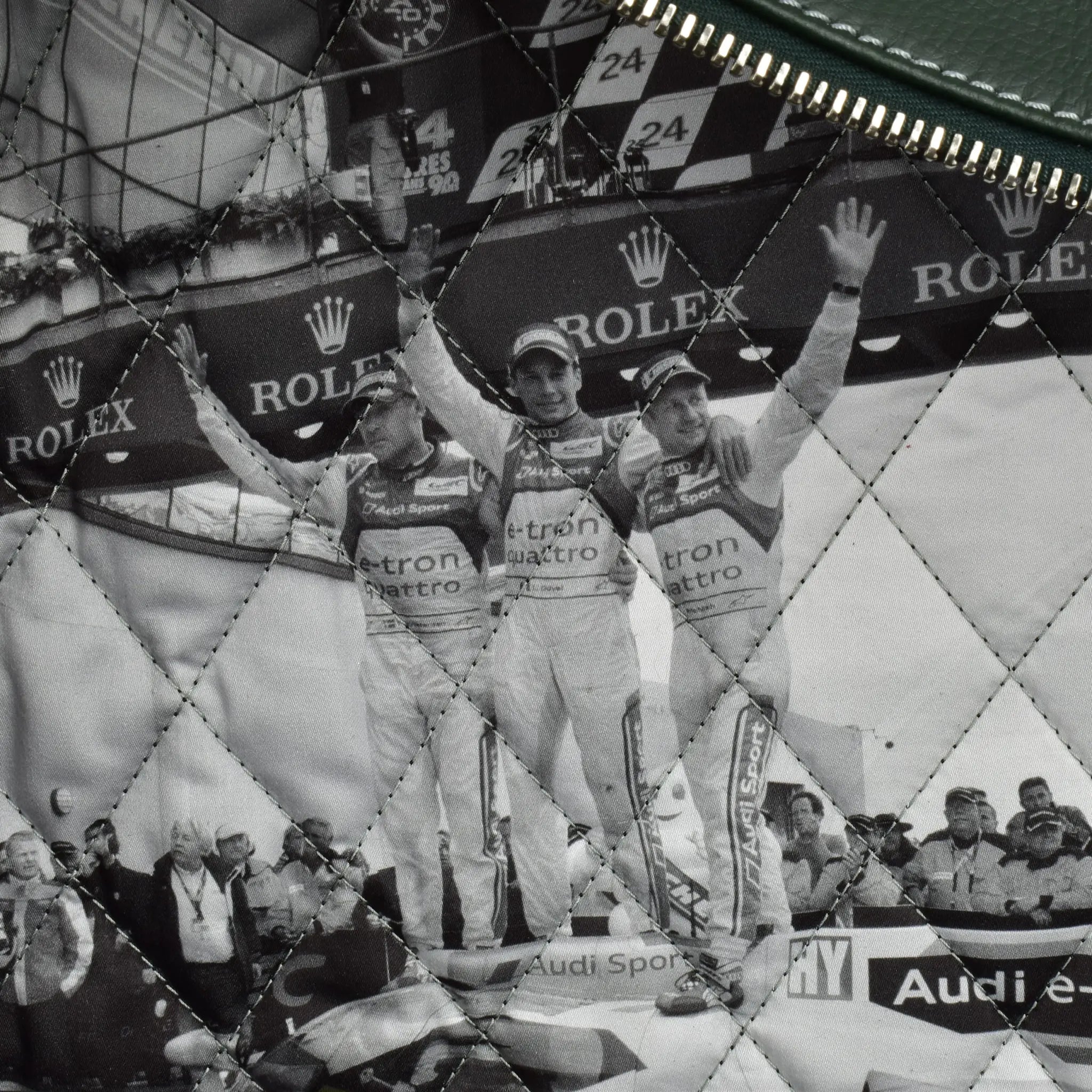
For many enthusiasts, bespoke is where the story becomes personal. A bag can be commissioned to echo the palette of a cherished motor car, reference a racing livery, or incorporate details that would mean nothing to the general market and everything to its owner. That could be a lining matched to seat inserts, contrast stitching that recalls coachlines, or subtle embossing inspired by a registration, chassis number or family crest.
This is not personalisation for its own sake. Done properly, bespoke elevates a bag from luxury accessory to symbol of individuality. It creates a relationship between object and owner that mass production cannot replicate. In much the same way one specifies a car - leather, piping, trim, finish - a bespoke luggage piece becomes an expression of taste and memory.
There is, of course, a trade-off. Bespoke requires time, clarity of vision and a willingness to make decisions. Some clients know precisely what they want from the outset. Others prefer the ease of a ready-to-own design that has already been resolved beautifully. Neither approach is inherently better. It depends on whether one values immediacy or the satisfaction of commissioning something singular.
For those who appreciate the finer points of both motoring and craftsmanship, that bespoke process has real appeal. It mirrors the language of coachbuilding, tailoring and car configuration - fields where nuance matters and the finished piece carries the client’s identity within it.
How to judge craftsmanship beyond the surface
A polished photograph can make almost any bag look impressive. True quality appears in the details one notices only after handling the piece. Edges should be neatly painted or folded, not roughly cut. Stitching should remain straight and consistent, particularly around stress points such as zip ends, corners and handle mounts. The lining should feel intentional rather than secondary, with enough substance to support regular use.
Construction around the base is especially telling. A luxury driving weekend bag needs to cope with repeated setting down on stone floors, boot carpets and hotel surfaces. A reinforced base, discreet feet when appropriate, and a clean internal structure all suggest a maker who understands how the bag will actually be used.
Equally, craftsmanship is about restraint. Over-designed bags often rely on excessive panels, oversized branding or unnecessary compartments to signal value. The more confident piece tends to be quieter. It allows material, proportion and finishing to do the work.
Why the right bag changes the journey
There is a particular pleasure in travelling with objects that belong in the same world as the car itself. The feeling is subtle but unmistakable. You pack differently. You move more lightly. You become more selective, and that selectiveness adds to the sense of occasion.
A well-made bag also settles into the rituals of ownership. It waits in the dressing room before an early departure, rests neatly in the boot after a spirited run to the coast, and returns carrying the marks of use in a way that feels dignified rather than tired. This is the sort of luxury that grows more compelling with time.
For clients drawn to the values of British design and Italian handcraft, makers such as Jordan Bespoke understand that luggage should do more than accompany the journey. It should reflect the culture around it - the heritage of motoring, the discipline of fine materials, and the emotional significance of owning something made with purpose.
Choosing the best luxury driving weekend bag for you
The best choice depends on the car, the kind of weekends you take, and how personal you want the piece to feel. If you drive a compact sports car, prioritise a lower profile and precise dimensions. If your travel is more hotel than paddock, softness and elegance may matter most. If motorsport heritage is central to your world, bespoke details can transform the bag into something far more resonant than a handsome accessory.
What matters is coherence. The right bag should feel at home with your car, your wardrobe and the way you travel. It should be useful without looking utilitarian, luxurious without becoming ostentatious, and personal without slipping into novelty.
Choose well, and a luxury driving weekend bag becomes one of those rare possessions that improves the entire ritual of departure - a companion not only for where you are going, but for the kind of driver you are.