

A collector car is no longer confined to a climate-controlled garage, brought out only for a concours lawn or a carefully managed sale. The most compelling collector car lifestyle trends are shifting ownership towards something more personal: cars driven to breakfast meetings, parked outside country hotels, taken across Europe and enjoyed alongside the people who understand why a particular gearbox, coachbuilt body or competition history matters.
For the discerning owner, this does not mean treating a rare motor carelessly. It means giving it a richer life. Provenance still commands respect, originality remains precious, and careful stewardship is non-negotiable. Yet the modern collector increasingly sees a car as part of a wider expression of taste - one that extends to travel, hospitality, racing culture and the objects carried along the way.
Collector Car Lifestyle Trends: From Possession to Participation
The old model of collecting was often measured by acquisition. The prized car sat at the centre, while the owner’s relationship with it was defined by rarity, investment potential and the satisfaction of ownership. Those factors remain relevant, particularly at the highest end of the market, but participation now carries greater cultural weight.
Owners are making time for well-curated road tours, members’ gatherings, track days and smaller marque-led events where conversation is as rewarding as the driving. A pre-war Bentley, air-cooled Porsche or analogue Ferrari has become less a static exhibit than a passport into a discerning community. The best occasions are not necessarily the largest. They are the ones with excellent roads, considered company and enough time to arrive without turning the journey into a logistical exercise.
This change has also made usability more valuable. A car that can cover meaningful miles with character and confidence often earns greater affection than one too precious to leave its storage bay. That does not diminish the appeal of a concours-standard example. It simply recognises that, for many collectors, stories accumulated on the road are part of the provenance they wish to create.
Quiet Personalisation Has Replaced Obvious Display
The collector’s taste is becoming more individual and less performative. Rather than making a loud statement through excess, owners are choosing details that reward a closer look: a period-correct luggage strap, a cabin retrimmed in an unusual factory shade, a hand-finished tool roll or a travel bag lined in a colour drawn from the car’s interior.
This is where automotive culture and personal craftsmanship meet. The same owner who specifies a subtle contrast stitch, a particular hide or an engraved plaque in a restoration will often want their luggage and race-day equipment to carry the same sense of intention. It is not about producing a matching set for its own sake. It is about creating continuity between the car, the journey and the person behind the wheel.
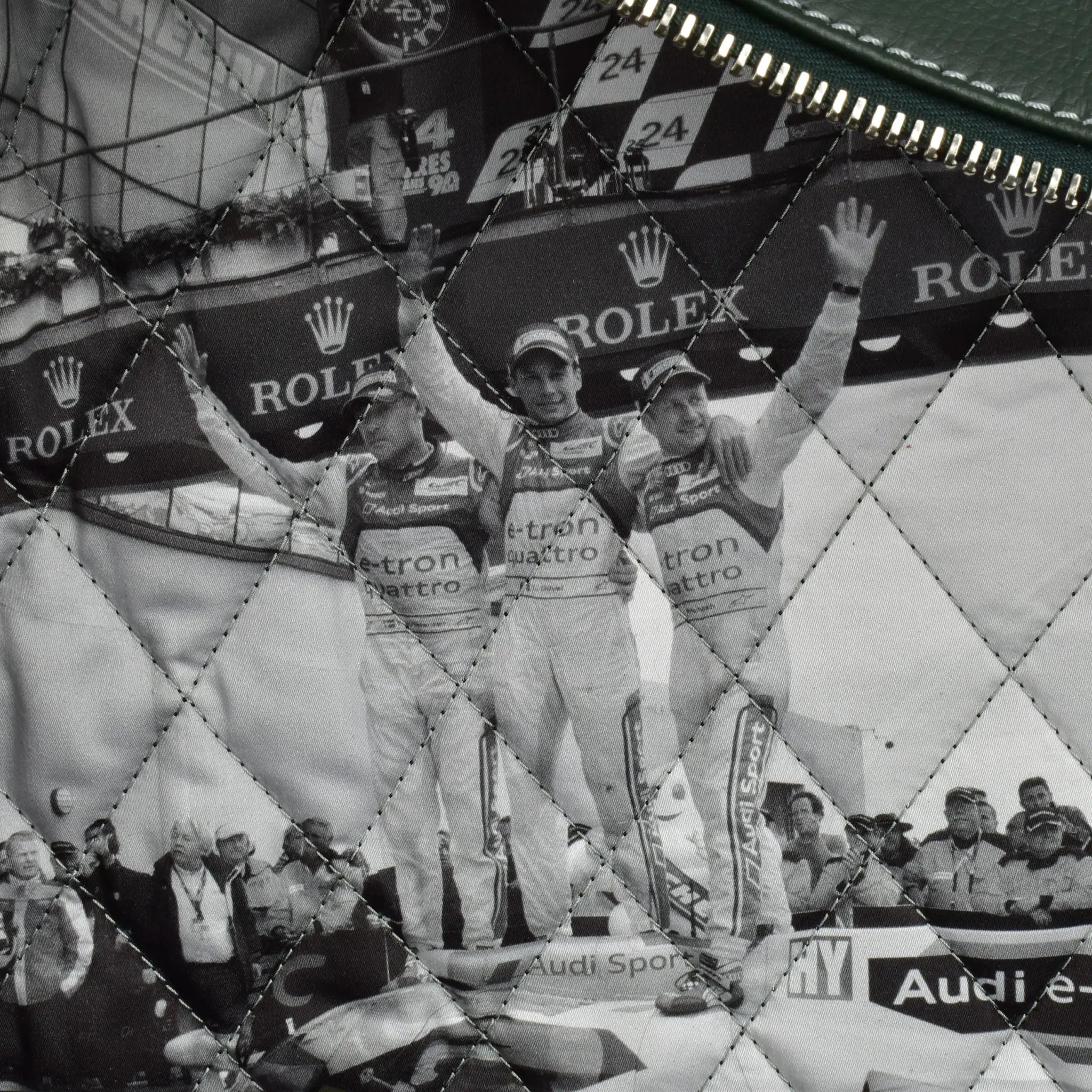
A bespoke weekend holdall, for example, can take its cue from a heritage racing livery without becoming theatrical. Fine Tuscan leather, a discreet number roundel-inspired lining or hand-painted edges in the car’s coachwork colour can hold meaning without demanding attention. The distinction lies in restraint. The most enduring commissions feel inevitable, as though they were always meant to belong together.
Motorsport Credentials Are Becoming More Personal
Motorsport remains a powerful reference point, but contemporary enthusiasts are looking beyond generic racing imagery. They are interested in authentic connections: a grandfather’s hillclimb photographs, a car’s period race entry, a family name on a programme, or the engineering detail that made a particular machine significant.
This encourages a more informed style of collecting. Buyers are asking sharper questions about restoration records, matching numbers, factory documentation and the correct specification for a given chassis. They also value the human stories around a car - the preparer who kept it competitive, the privateer who raced it in period, or the original owner who chose an unconventional colour combination.
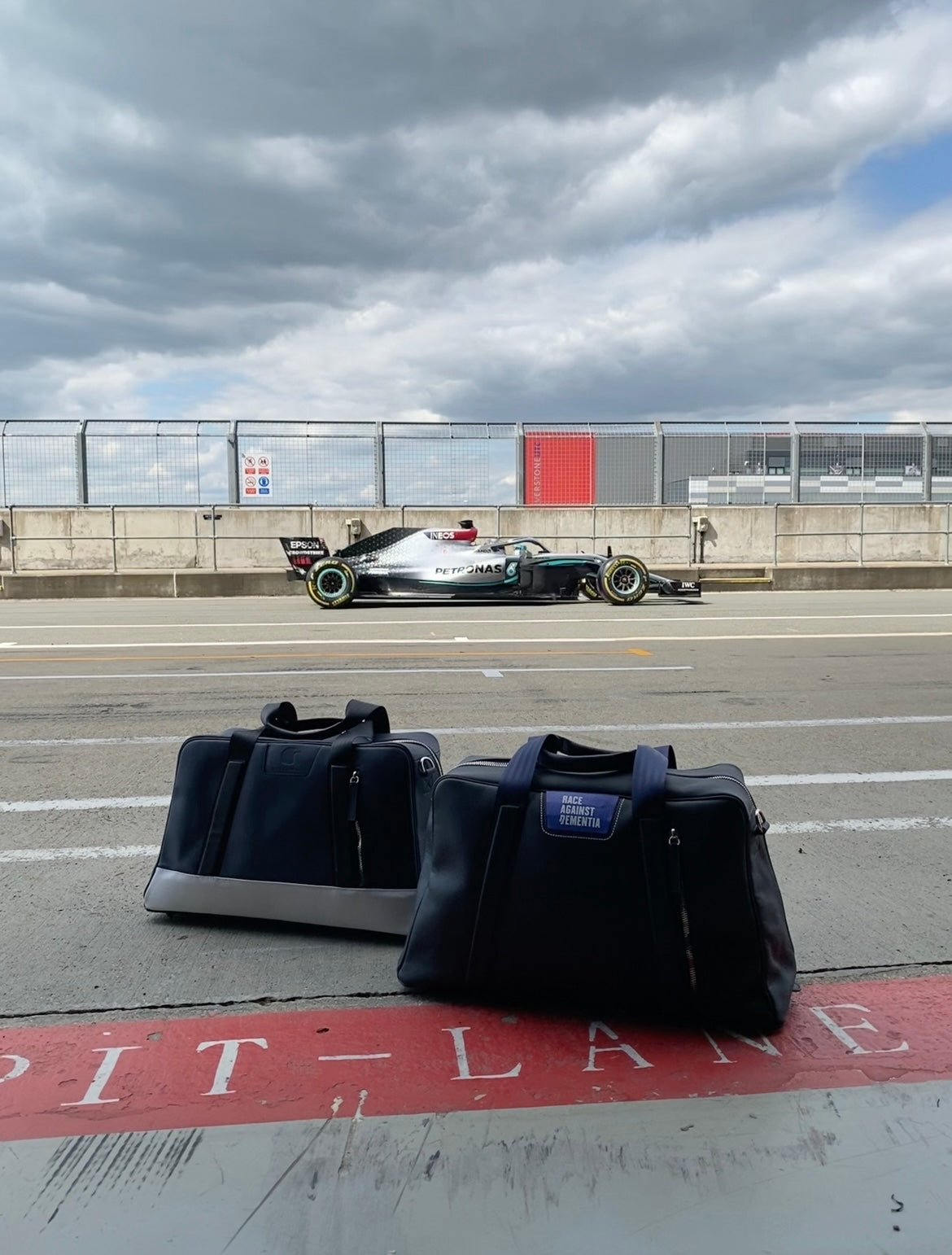
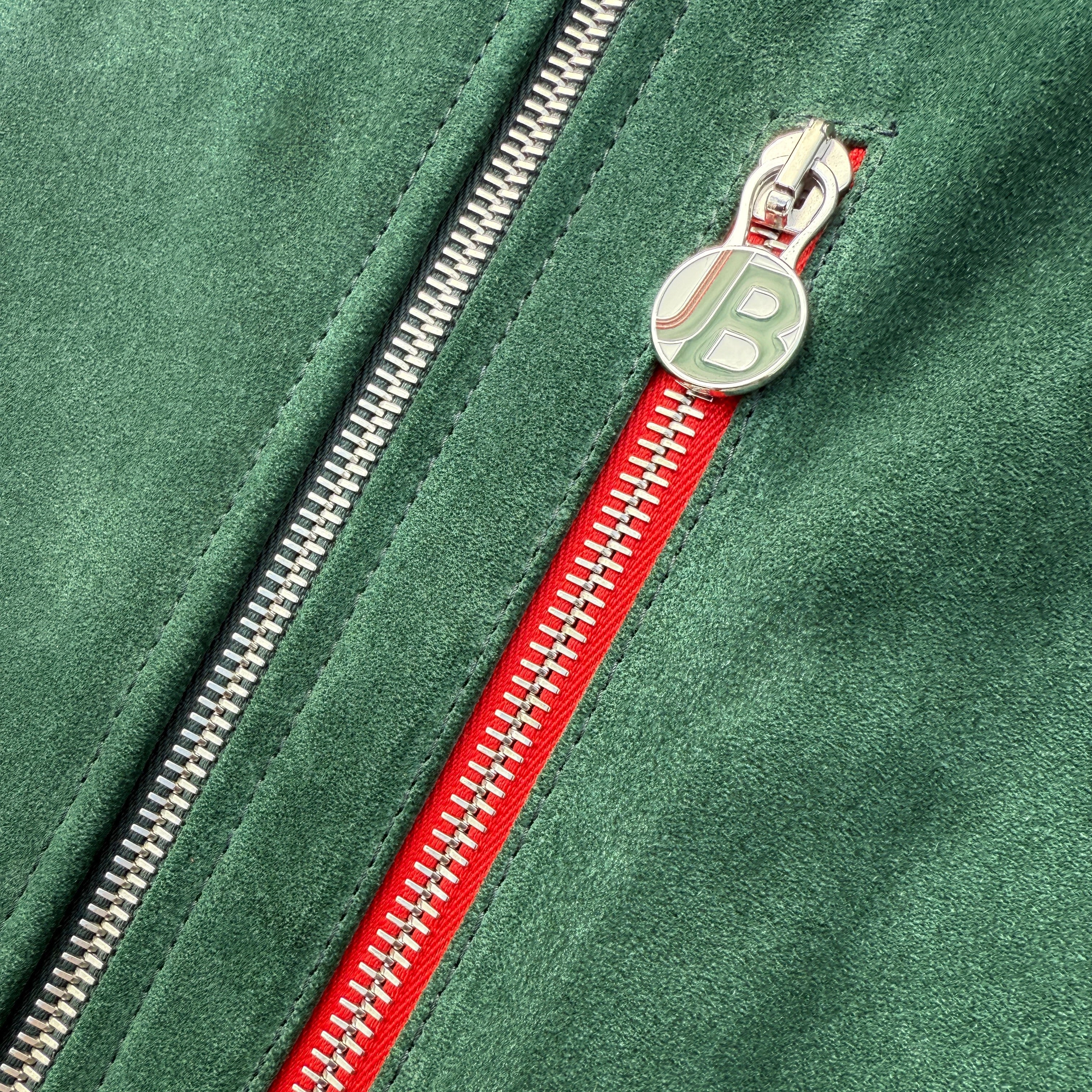
The same discernment is influencing what enthusiasts take to the circuit. A properly designed helmet bag, garment carrier or kit bag has a practical role, but it can also acknowledge a racing identity with a degree of polish. A hand-made piece with purposeful compartments, dependable YKK Excella zips and materials selected for years of use belongs in the paddock far more naturally than a disposable sports holdall.
The Journey Is Becoming Part of the Collection
There is a renewed appreciation for travelling properly by car. A collector vehicle lends itself to a different pace: the early departure before traffic gathers, a planned stop at an independent hotel, luggage packed with care rather than squeezed into the nearest available bag. These moments might appear peripheral to ownership, yet they are often the ones remembered longest.
The rise of the grand touring lifestyle is particularly evident among owners who want their cars to perform the task for which they were conceived. A V12 grand tourer should feel at home crossing France. A well-sorted 911 should earn its place on a demanding Alpine route. A sporting Aston Martin should be capable of arriving at dinner after a day of serious driving, still looking composed outside the hotel.
Naturally, it depends on the car. A low-mileage, highly original example with fragile trim or limited parts support may deserve a more restrained programme. But sensible use, sympathetic maintenance and preparation by specialists can make many significant cars more enjoyable without compromising their standing. The decision should be guided by the individual motor, not by a blanket rule that every collector car must either be hidden away or driven without consideration.
Provenance Now Includes the Owner’s Stewardship
A car’s history has always mattered. What is changing is the appreciation of recent stewardship. Future buyers increasingly notice whether an owner has maintained detailed records, chosen respected specialists and used the car in a measured, credible way. An organised file of servicing, photographs from significant tours and notes on sympathetic improvements can add depth to a car’s narrative.
This is especially relevant when modern upgrades are involved. Electronic ignition, improved cooling, discreet navigation or safety-led changes may make sense for regular driving, but they need to be chosen carefully and documented well. Reversible modifications are often the wisest route. They protect the car’s character while allowing an owner to use it with more confidence.
The principle is equally relevant beyond the workshop. Well-chosen accessories should serve the experience without cluttering it. The best pieces age well, travel well and can be repaired rather than replaced. They become part of an owner’s ritual: the same leather case on a continental drive, the same garment carrier for a race weekend, the same pair of driving gloves that has acquired its own patina.
A More Considered Kind of Luxury
The luxury surrounding collector cars is moving away from visible excess and towards fluency. Knowing the right route matters more than booking the loudest venue. Understanding why a car was specified in a particular way matters more than reciting its headline value. Commissioning an object made specifically for one’s car and use case holds greater appeal than purchasing something recognisable solely for its logo.
That is why bespoke craftsmanship has become such a natural companion to collector ownership. Like a properly configured motor car, a made-to-order piece demands decisions. Leather, lining, hardware, proportions and personal details must work together. The process is part of the pleasure, and the result becomes a symbol of individuality rather than another luxury purchase.
Jordan Bespoke understands that these details are not secondary to the automotive experience. A beautifully constructed holdall or race-day bag is not merely something to carry. It is a companion to the miles, the meetings and the memories that give a collector car its continuing relevance.
What the Modern Collector Chooses to Keep
The most meaningful collection is not necessarily the largest, nor is it defined only by auction results. It reflects judgement: the confidence to buy with curiosity, preserve with care and use each car in a way that honours what it is. A varied garage may include the immaculate reference example, the much-loved long-distance tourer and the competition car that asks more of its driver.
That diversity makes room for a more expressive lifestyle around the cars themselves. It rewards owners who value craftsmanship, maintain traditions and create their own. The next time a favourite car is prepared for an early start, consider the whole occasion with the same care given to its mechanicals. The road, the company and the pieces chosen for the journey may become part of the story worth preserving.