


 A poorly considered garment bag announces itself the moment you arrive. Creased lapels, compressed shoulders and tired handles do not belong beside a well-cut dinner jacket, a bespoke suit or a carefully prepared race weekend wardrobe. A custom leather garment carrier exists for a different standard entirely - one shaped around the rituals of proper travel, the value of fine clothing and the satisfaction of owning something made expressly for you.
For the discerning traveller, this is not simply a cover for clothes. It is part of a broader expression of taste, as considered as the tailoring it protects and the motor car it accompanies. When chosen well, it performs quietly and impeccably, preserving structure, carrying with confidence and ageing with the sort of character only natural materials can acquire.
What sets a custom leather garment carrier apart
The difference begins with intent. Most garment bags are designed to satisfy a price point, to be folded into overhead lockers a few times, and eventually replaced. A custom leather garment carrier is created with permanence in mind. It is crafted for life, not a season.
That changes everything from the cut of the silhouette to the weight and hand-feel of the leather. A superior carrier should support the line of a jacket without forcing it into an awkward shape. It should open cleanly, hang properly and travel with enough structure to protect, but not so much rigidity that it becomes cumbersome. This balance is where bespoke design matters.
Materials play a central role. Full-grain leather offers a richness and depth impossible to imitate, but it must be selected carefully. Too heavy, and the bag becomes impractical. Too soft, and it can lose composure when packed. The finest makers understand how leather, lining, zip hardware and internal reinforcement work together, much as a coachbuilder understands the relationship between material, form and function.
The value of custom leather garment carrier design
True customisation is not decoration applied at the end. It begins at the design stage, when the carrier is built around how you actually travel. That may mean sizing it for long overcoats, dinner jackets or race suits. It may involve an internal layout that accommodates shirts, ties, cufflinks or driving gloves without creating pressure points against the main garment.
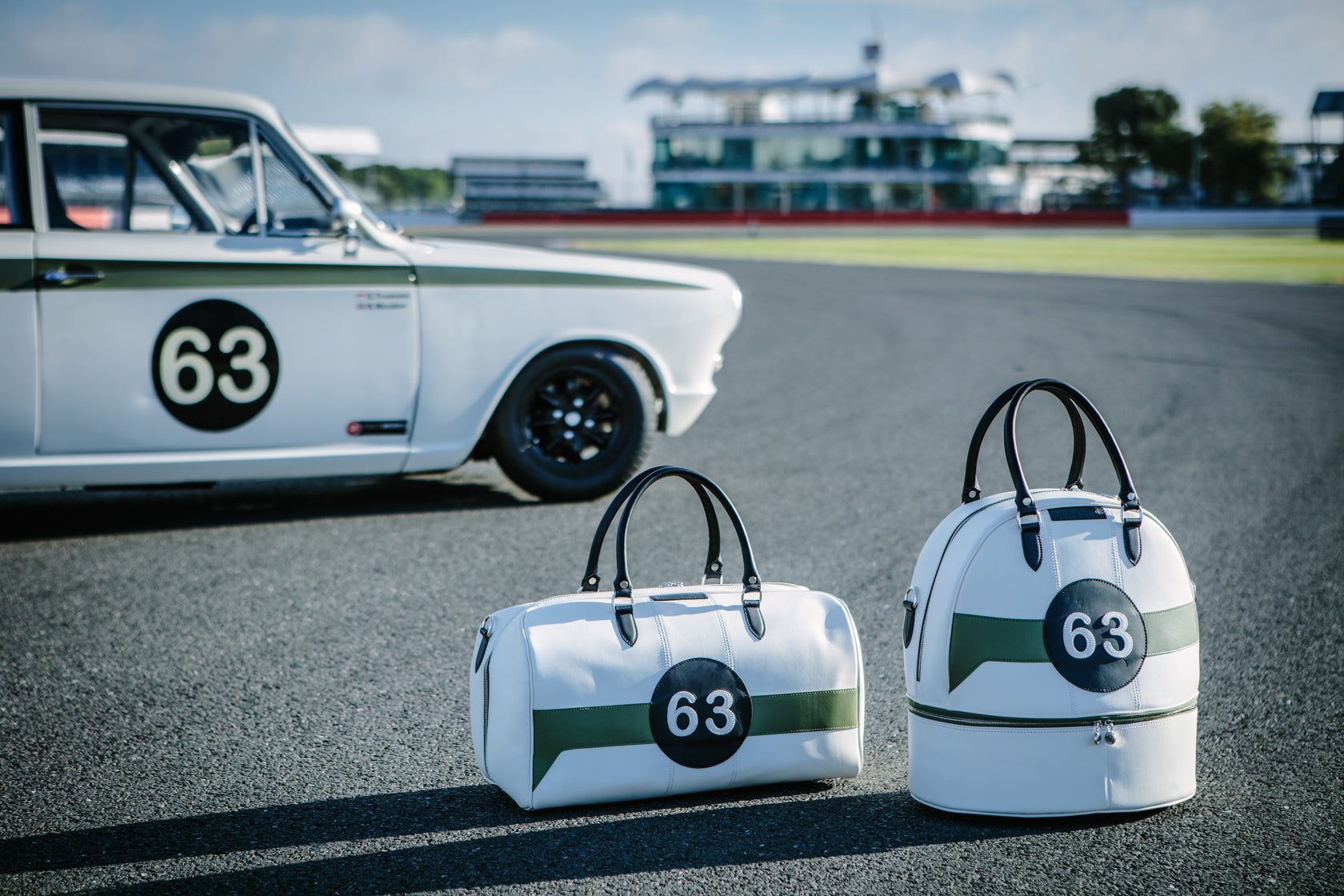
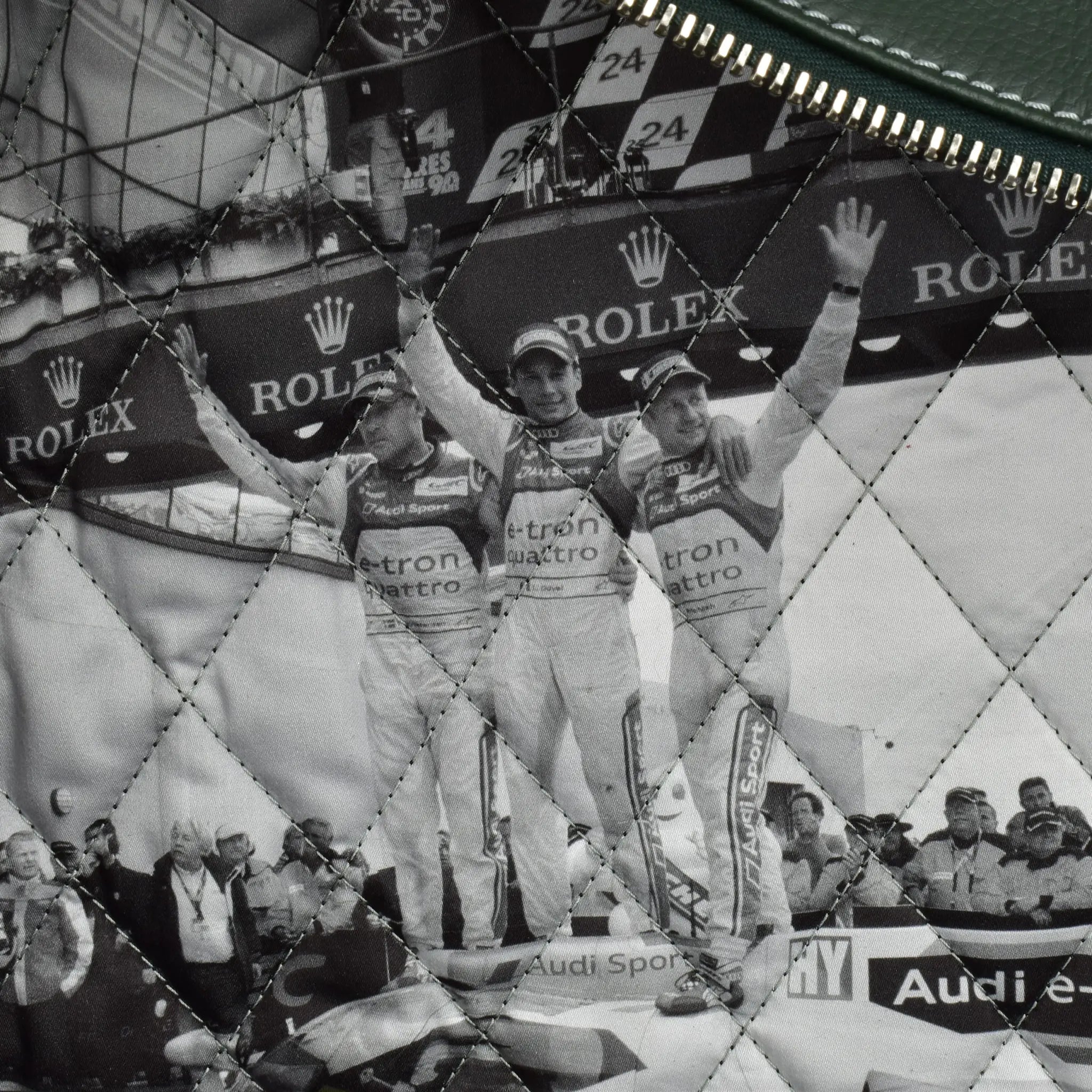
For some clients, the appeal lies in personal expression. Exterior leather can be chosen to echo a car’s hide, contrast stitching may reference factory seat details, and a lining might recall a motorsport livery, a club stripe or a meaningful family colourway. These choices are subtle when done properly. They do not shout. They reward a closer look.
There is also a practical advantage to commissioning a piece rather than buying a generic one off the shelf. If you travel by car more often than by air, you may prefer a shape that sits neatly across a rear shelf or luggage compartment. If your routine includes hotel check-ins, race hospitality or formal events, you may want an exterior pocket that keeps documents and evening accessories immediately to hand. Bespoke design allows for these habits.
Why leather still matters
Leather remains the material of choice not because it is traditional for tradition’s sake, but because it performs beautifully over time. Fine leather develops a patina that records use with dignity. It takes on depth, softness and individuality, rather than simply wearing out. For an owner who values objects with provenance, this matters.
It also offers an unmistakable visual authority. Synthetic garment carriers can be lightweight and serviceable, and there are occasions when utility has its place. Yet they rarely possess the poise expected alongside hand-made shoes, tailored suiting or the interior of a grand tourer. Leather belongs naturally in that company.
That said, there are trade-offs. Leather is an investment, and quality leather carries more weight than technical nylon. It also asks for occasional care. For some travellers who fly frequently with only one suit and prioritise absolute lightness above all else, a technical fabric carrier may be the more convenient choice. But for those who value refinement, longevity and a stronger sense of ownership, leather remains unmatched.
Craftsmanship is where luxury becomes credible
In this category, craftsmanship cannot be reduced to a label. It is visible in the way panels are cut, edges are finished and handles are anchored. It is felt in the smooth action of a high-grade zip, the precision of stitching and the confidence of a lining that sits perfectly rather than bunching or shifting over time.
The best examples are shaped by makers who understand both leatherworking and the demands of travel. Hand-made Italian production is particularly prized for good reason. The tradition brings together exacting technique, an instinct for proportion and a fluency with premium hides that machines alone cannot replicate.
Details matter more than many realise. A poorly placed seam can press into a jacket shoulder. Inferior hardware can scratch adjacent luggage or fail at the moment you need it most. An unconsidered fold line can encourage creasing where the garment should remain clean. These are not minor flaws in a luxury piece. They are evidence that the object was never truly resolved.
Customisation should feel personal, not theatrical
There is a fine line between bespoke and overdone. The most compelling custom leather garment carrier does not rely on excessive branding or novelty. Its individuality comes from coherence - the right leather, the right lining, the right proportion and the right details for the owner.
Monogramming, for instance, can be elegant when discreetly placed and beautifully executed. A personalised interior plaque, hand-painted initials or a subtle embossed signature can add meaning without compromising restraint. Likewise, colour can be handled with confidence if it relates to something real - a cherished motor car, a racing history, a house style, even a favourite cabin interior.
This is where specialist makers distinguish themselves. They understand that luxury clients are not looking for noise. They are looking for recognition. The piece should feel as though it could belong to no one else, while remaining tasteful enough to age gracefully.
How a garment carrier fits into a wider travel set
A garment carrier rarely travels alone. For many owners, it sits alongside a holdall, briefcase or weekender, and the pleasure lies partly in the harmony between pieces. A coherent leather travel set has the same appeal as a well-specified interior - each element serving its purpose, each detail speaking the same design language.
This matters especially for those whose lifestyle moves between city, circuit and country house. The luggage seen at departure, arrival and hospitality settings becomes part of one’s presentation. Not in a conspicuous sense, but in the quieter way true quality is always noticed.
A bespoke maker with an automotive sensibility can take this further. The relationship between luggage and car is not merely aesthetic. Dimensions, colours and trim references can all be calibrated so the carrier feels native to the wider ownership experience. At its best, this is deeply satisfying. Jordan Bespoke has built its reputation in precisely this territory, where travel goods become symbols of individuality rather than generic accessories.
Who should invest in one
A custom leather garment carrier is especially suited to those who travel with clothing that deserves proper treatment. That includes the owner of bespoke tailoring, the regular black-tie guest, the collector attending concours and the driver packing racewear for a track weekend. It also suits anyone who dislikes disposable objects and prefers to commission one excellent piece rather than replace mediocre ones repeatedly.
It may be less essential for someone whose travel is purely functional, whose wardrobe is casual, or who is content to check everything in hard luggage. Luxury is never about pretending one answer fits all. The best purchases are the ones that align naturally with the way you live.
What to look for before commissioning
Before ordering, it is worth considering how the carrier will be used most often. Think about the length of the garments you carry, whether you prefer to fold once or not at all, how much accessory storage you genuinely need and whether the bag will spend more time in a boot, wardrobe or aircraft cabin. Those answers should shape the commission.
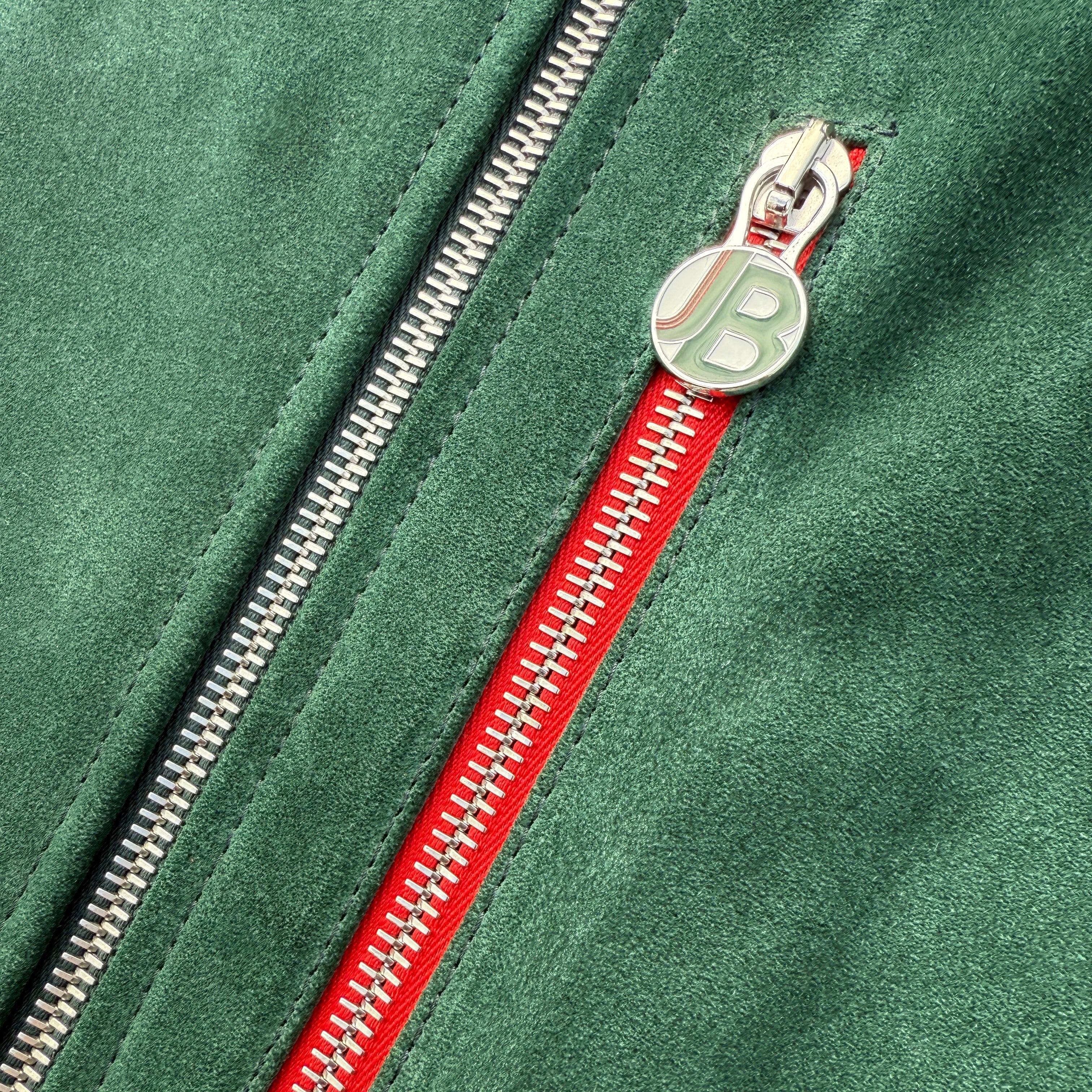
Ask about leather origin, lining material, hardware specification and construction method. A serious maker should be able to discuss these points with confidence. Premium details such as Tuscan leather, refined internal suedes or technical linings, and high-quality hardware such as YKK Excella zips are not there for brochure theatre. They influence durability, feel and daily satisfaction.
Most of all, look for proportion and restraint. The finest garment carriers do not try too hard. They appear composed, assured and complete.
A custom leather garment carrier is, ultimately, a companion to the clothes and occasions that matter. When made properly, it protects more than fabric. It preserves standards, reflects character and turns the simple act of arrival into something rather more considered.