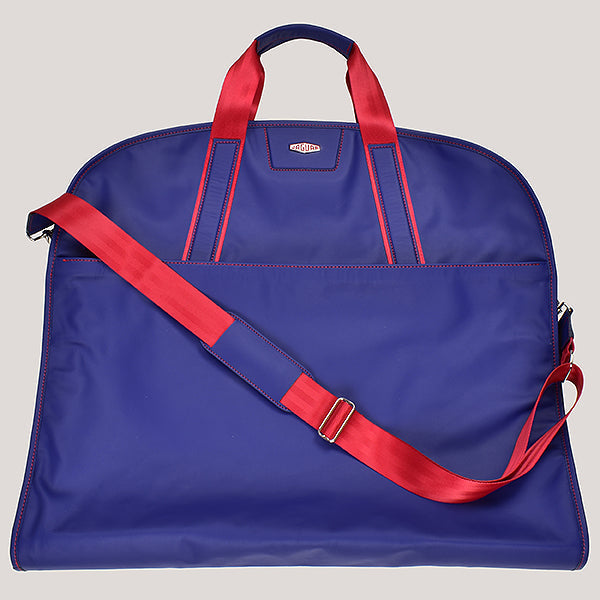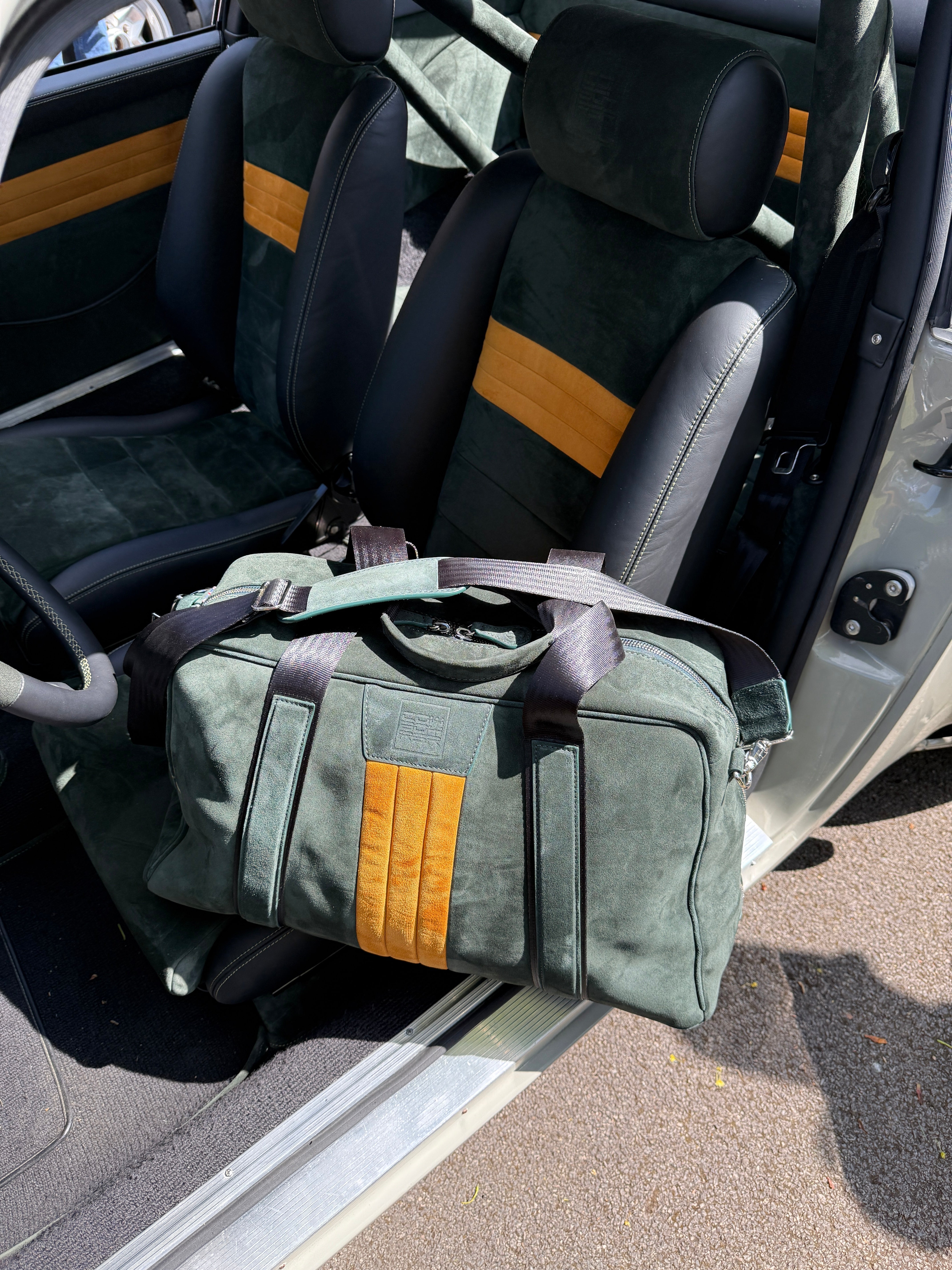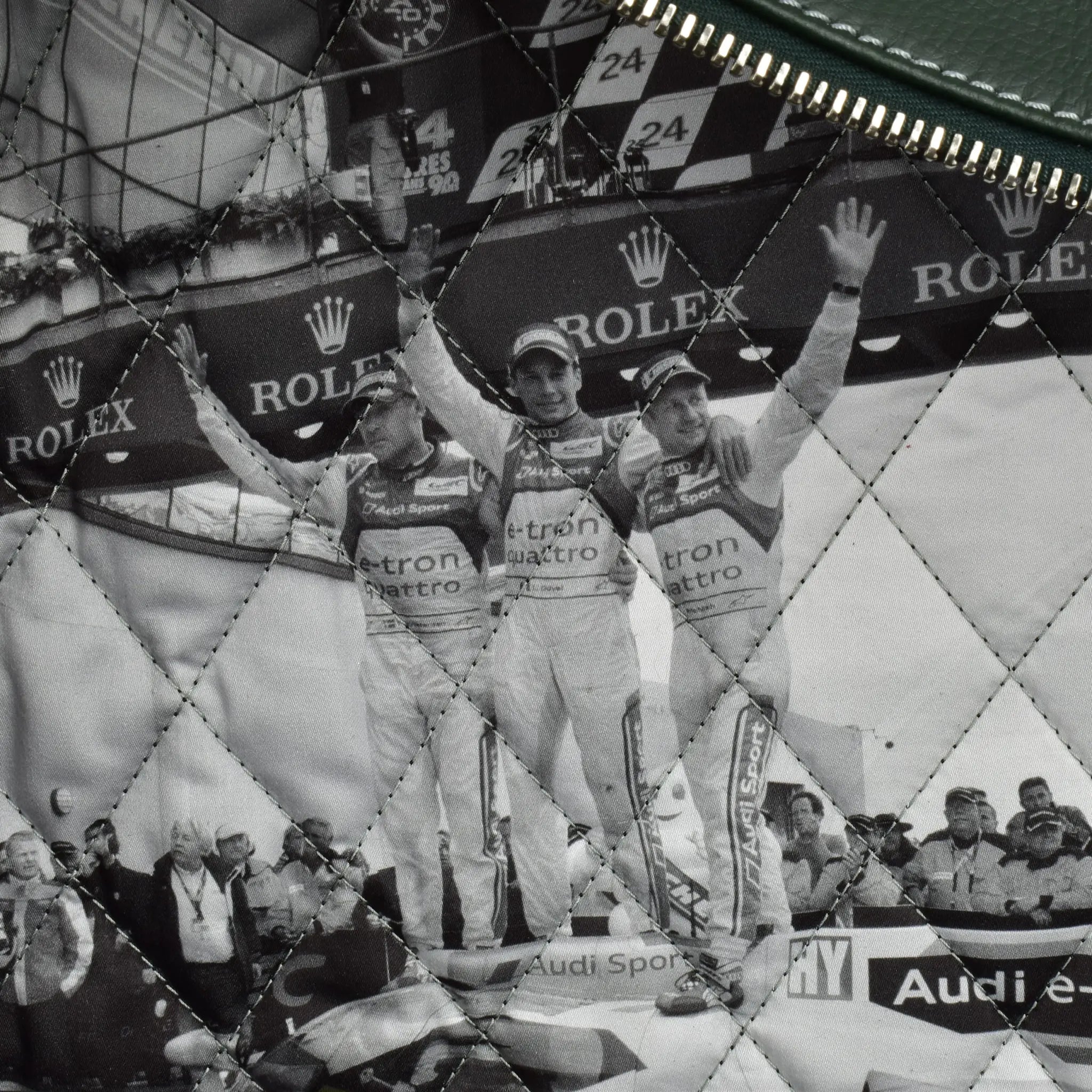

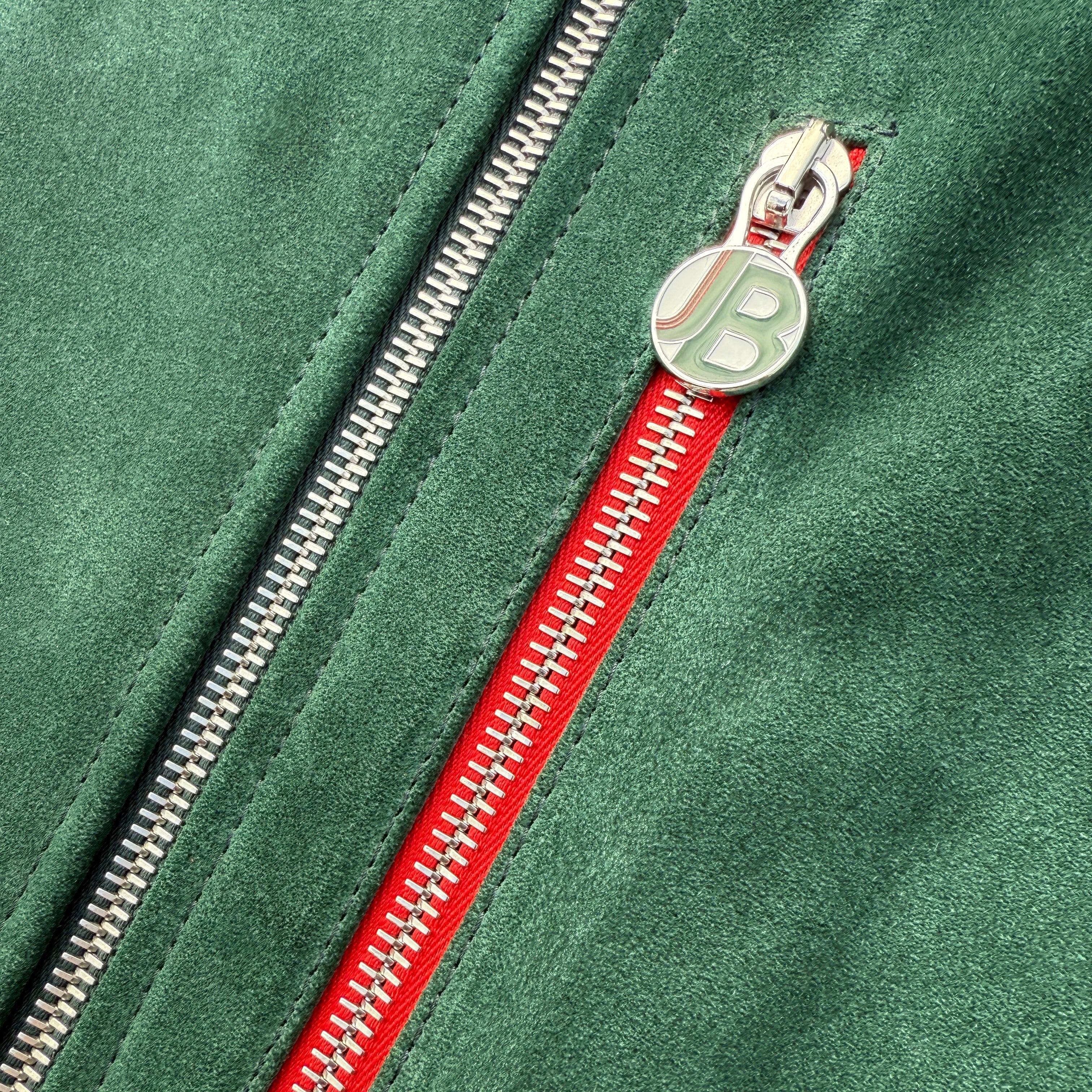

The paddock has a way of exposing poor decisions. A zip that catches when you are already late for signing-on, a soft-sided bag that collapses into the footwell, or a synthetic holdall that looks entirely out of place beside a carefully prepared motor car - these things matter more than they might on an ordinary journey. A race day kit bag earns its place not by shouting for attention, but by working beautifully under pressure and looking right in the company it keeps.
For those who live close to motorsport, a bag is never just a bag. It travels from garage to circuit, from pit lane to hotel, from early starts in poor weather to late evenings after a hard-fought session. It carries the practical pieces of the day, certainly, but it also speaks to a particular standard. Much like the car, the overalls or the watch chosen for the drive there, it should reflect discernment.
Why a race day kit bag matters
Race mornings are full of small rituals. Gloves are checked. Headsets, race boots and base layers are laid out. Licences, keys and timing notes need to be exactly where they should be. When every movement has a purpose, an ill-considered bag becomes an irritation very quickly.
That is why the best race day kit bag is designed around use rather than fashion alone. Capacity matters, but so does structure. A generous main compartment is useful, yet not if shoes scuff a helmet visor or damp kit sits against fine leather. Equally, a bag can be exquisitely made and still be wrong for the job if it lacks internal logic.
The point is not excess. It is thoughtful design with a clear sense of occasion. A proper race day bag should feel as composed in the pit garage as it does in the boot of an Aston Martin or Porsche. That balance between utility and elegance is where real quality reveals itself.
The difference between luggage and purpose-built kit
A standard weekend holdall may cope for a while, particularly if your circuit days are infrequent. But regular use exposes the compromises. Handles cut into the hand when the contents are heavy. Open interiors swallow smaller items. Thin linings show wear too soon. The silhouette loses its shape, and with it any sense of polish.
A purpose-built race day kit bag approaches the same problem from a different angle. It anticipates the peculiar mix of equipment motorsport requires: apparel, protective gear, personal items, travel essentials and often a few pieces that need separating from the rest. It considers access as much as storage, because no one wants to unpack half a bag to find a transponder or a set of gloves.
There is also the question of presence. In the luxury world, utility need not look utilitarian. A beautifully proportioned bag, crafted from full-grain leather with carefully judged hardware, offers something a generic sports bag never can. It becomes part of the wider ownership experience - an object made for the discerning individual, and made to endure.
What to look for in a race day kit bag
The first consideration is shape. A bag for motorsport should hold its form even when only partially packed. That gives it a cleaner appearance and makes it easier to place in a car without awkward bulging or collapse. A structured base is particularly useful, especially when the bag will spend time on workshop floors, circuit tarmac or damp paddock surfaces.
Material choice is equally important. Fine leather offers character, longevity and a tactile richness that improves with age, but the grade and finish matter enormously. Supple hides are appealing, though they must still be resilient enough for repeated handling. Strong linings, reinforced stitching and dependable metal hardware are not decorative extras - they are what turn a handsome piece into one crafted for life.
Then there is organisation. Too many compartments can be as frustrating as too few, but a few well-judged divisions make all the difference. Separate spaces for footwear or used garments help keep the rest of the contents presentable. Smaller interior pockets should accommodate valuables and race-day necessities without turning retrieval into a search exercise.
Carrying comfort should not be overlooked. A bag may spend more time in the car than on the shoulder, yet there are still walks across paddocks, hotel forecourts and hospitality areas to consider. Properly balanced handles and a removable shoulder strap can transform convenience. At this level, every touch point should feel considered.
Craftsmanship is not theatre
In luxury goods, craftsmanship is sometimes treated as a mood rather than a measurable standard. In reality, the details are quite concrete. The cut of the leather, the weight of the zip, the precision of the edge finishing and the quality of the handwork all influence how a bag performs over time.
This is particularly true of a race day kit bag, because it lives a more demanding life than many pieces of formal luggage. It is loaded and unloaded often. It may encounter heat, moisture, grit and constant movement. Poor construction reveals itself quickly in stretched handles, warped panels and tired corners.
By contrast, proper craftsmanship lends quiet confidence. A finely made bag opens cleanly, closes securely and ages with dignity. The best examples gain character from use rather than simply accumulating damage. That distinction matters to owners who understand that patina is earned, not manufactured.
For this reason, materials and manufacture should always be discussed together. Tuscan leather, polished metal fittings and hand-finished construction are meaningful only when brought together with discipline. Otherwise they are just expensive ingredients without a result worthy of them.
The case for bespoke
There is a point at which personal taste and practical need meet, and that is precisely where bespoke excels. For some owners, the ideal race day kit bag is not merely a matter of size or colour, but of identity. It may need to complement a specific interior, echo a historic racing livery or incorporate details that mean something only to the owner.
That level of customisation changes the relationship entirely. Instead of buying into a general idea of luxury, you commission an object with personal significance. The leather, stitching, lining and hardware become decisions rather than defaults. Monograms may be subtle. Colour contrasts may reference a cherished car. The overall effect is not ostentation, but authorship.
For an enthusiast audience, this is often the difference between acquiring something pleasant and owning something memorable. Jordan Bespoke understands that distinction well. In a world of standardised luxury, genuine personalisation remains one of the few expressions of taste that cannot be copied at scale.
How style and function should work together
A refined bag should not force a choice between elegance and practicality. If anything, the highest level of design resolves both at once. The proportions should feel clean and intentional. Hardware should complement rather than dominate. Even the opening of the bag should be generous enough to make packing straightforward while preserving a tailored silhouette.
This is where many products miss the mark. Some lean too heavily into sport and feel disposable. Others pursue formality to such an extent that they become precious and inconvenient. The right race day bag sits between the two - polished enough for the grand hotel, capable enough for the circuit.
That middle ground suits the modern motorsport lifestyle. Few owners move through a single setting on race weekends. One moment calls for technical efficiency, the next for understatement and poise. The bag should move through those shifts without ever looking misplaced.
Buying once, buying properly
There is always a cheaper option, and for occasional use that may be enough. But for those who spend real time around cars, events and track activity, repeated compromise becomes tiresome. Inferior materials age badly. Temporary solutions rarely become treasured possessions.
A well-made race day kit bag asks more at the point of purchase because it gives more over time. It carries the practical burden of the day, certainly, but it also reinforces the pleasure of preparation, travel and arrival. It becomes part of the ritual, and in some cases part of the story.
That is ultimately the appeal. The finest objects in this world are not only useful. They sharpen the experience around them. Choose a bag with the same care you would bring to specifying a motor car, and it will reward you every time the circuit calls.
The best race day pieces are the ones you stop thinking about because they simply belong - in your hands, in your car, and in the life you have built around driving.