

A well-cut jacket should arrive with the same composure it had when it left the wardrobe. That is the practical heart of the garment bag versus suit carrier question: both protect tailoring in transit, but they serve distinctly different journeys. Choosing well comes down to how you travel, what you carry and how much presence you expect from the piece itself.
For the discerning traveller, this is not merely a matter of avoiding creases. A carrier becomes part of the ritual of departure - as considered as selecting the watch, shoes and jacket that travel within it.
Garment Bag Versus Suit Carrier: The Essential Difference
In everyday conversation, the terms are often used interchangeably. Strictly speaking, a garment bag is the broader category: any bag designed to transport hanging clothing, from a simple protective cover to a fold-over travel bag with pockets and handles. A suit carrier is usually a more focused form of garment bag, intended primarily for one or two suits, jackets or formal outfits.
The distinction matters because each design makes a different set of compromises. A slim suit carrier prioritises a clean silhouette, lightness and ease through an airport or into the rear of a grand tourer. A more substantial garment bag may incorporate shoe compartments, pockets for shirts and ties, a removable shoulder strap, and enough room for a complete overnight wardrobe.
Neither is inherently superior. The right choice depends on whether your clothing is the main event or one element of a wider travel kit.
Choose a Suit Carrier for Focused, Formal Travel
A suit carrier is at its best when the itinerary is concise and tailoring is non-negotiable. Think of a London meeting followed by dinner, a concours weekend, a black-tie celebration, or a race day where your jacket needs to look considered when you step into the paddock.
Its principal virtue is restraint. A well-designed carrier holds a suit close to its natural shape, preventing the hard folds and compression that can spoil the line of a lapel or create a stubborn crease across a trouser leg. It is also easier to manage than a full holdall when moving from car to hotel reception or navigating a crowded train.
For a single suit, perhaps with a spare shirt, a pocket square and essential accessories, a dedicated carrier is often all that is required. It encourages disciplined packing: shoes travel separately, toiletries remain elsewhere, and the tailoring stays isolated from heavier objects that might mark or crush it.
That said, a very slender suit carrier is not the answer for every occasion. If you are away for several nights, carrying driving shoes, knitwear and more than one change of clothes, its elegant simplicity can quickly become a limitation.
The fold is still the critical detail
No carrier eliminates folding entirely. Most travel designs fold a jacket once through the middle, allowing it to fit a manageable profile. What separates a considered piece from a basic cover is how gently it accommodates that fold.
Look for sufficient internal volume, a lining that allows cloth to settle rather than grip, and construction that does not force the shoulders into an unnaturally tight angle. The best carriers allow a jacket to travel relaxed, rather than pressed flat between two rigid panels.
When a Garment Bag Makes More Sense
A garment bag comes into its own when the journey requires more than tailoring alone. It is the natural companion for a two- or three-day break, a destination wedding, a driving tour or a motorsport weekend where the schedule may move from the circuit to supper without pause.
A larger garment bag can carry two suits or a combination of jackets, trousers, shirts and eveningwear, while dedicated compartments keep smaller pieces organised. In practical terms, it reduces the temptation to pack formal clothing into a conventional case, where it will be compressed beneath shoes, wash bags and whatever else has been added at the last minute.
This makes it particularly useful for those who dress with range. A navy blazer for the journey, a dinner jacket for the evening, chinos for the following day and a lightweight knit can coexist in one purposeful piece. For longer trips, pair the garment bag with a separate weekend holdall rather than overfilling it. Tailoring benefits from space; a bag filled beyond its intended capacity defeats the point of carrying one.
The trade-off is size. A fully loaded garment bag is less discreet than a suit carrier and may be awkward as cabin luggage, depending on the airline and the bag’s dimensions. It also asks more of its handles, zip and hanging system, which is why material quality and construction deserve close scrutiny.
What Protects Tailoring Properly?
The outer material matters, but the details inside matter just as much. A durable leather exterior gives a garment bag structure, longevity and a finish that improves with use. Yet leather should not be so heavy or rigid that it becomes cumbersome at every handover. The finest travel pieces balance body with considered flexibility.
Inside, smooth linings help delicate cloth move naturally. A reliable hanging hook should be robust enough to support the loaded bag in a hotel wardrobe, while a secure hanger system prevents garments from slipping to the base. Full-length or near-full-length zips allow the bag to open flat, which makes packing more controlled and reduces needless handling of pressed clothing.
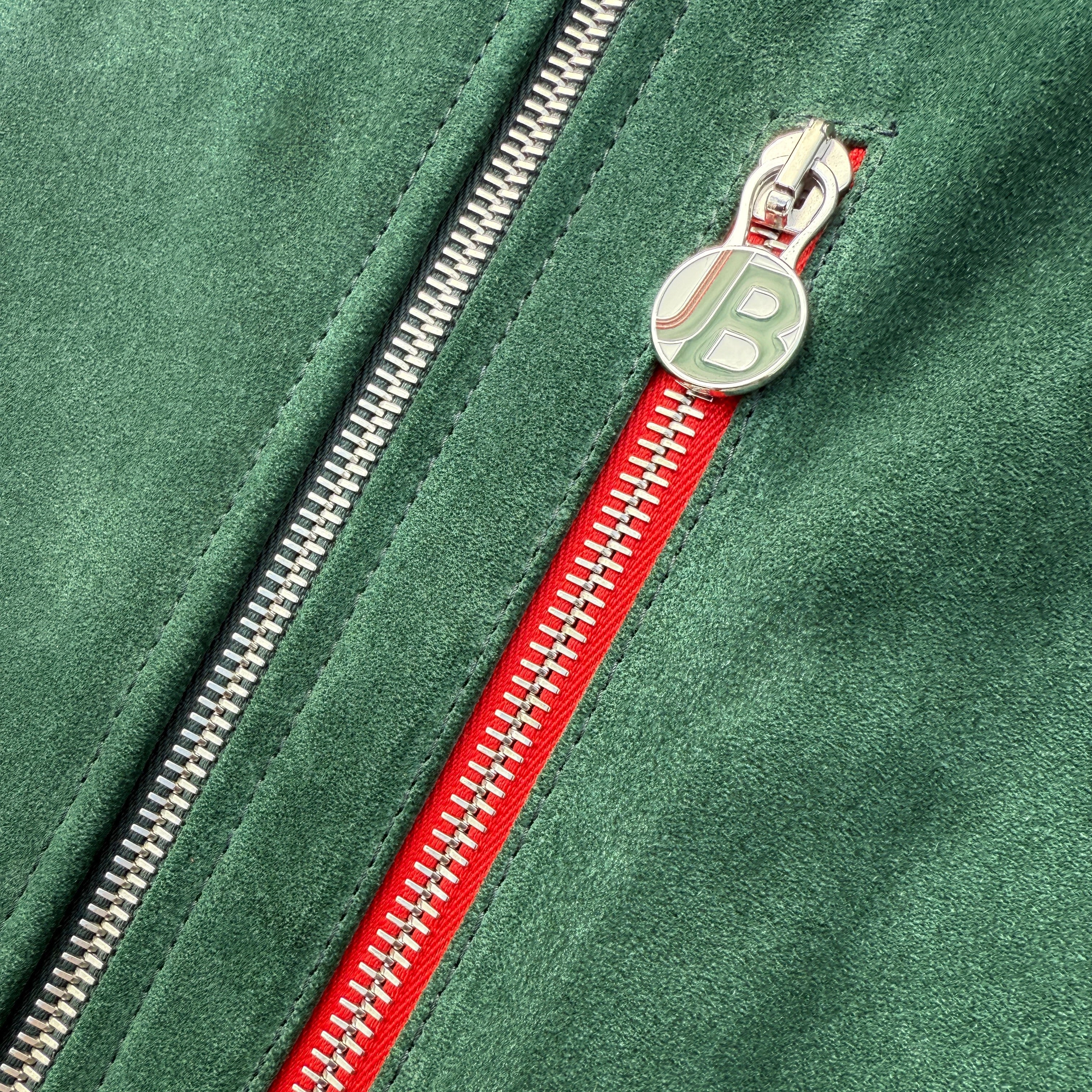
Hardware is more than decoration. Precision zips, such as YKK Excella zips, glide cleanly and are less likely to snag lining or fabric at an inconvenient moment. Strong stitching around handles and stress points is essential, particularly on a garment bag designed to carry shoes or additional layers. These are the details that become apparent only after years of use - precisely when a well-made piece proves its value.
Consider the Journey, Not Just the Destination
The correct choice often reveals itself when you picture the whole journey. If you drive directly to a hotel, a larger garment bag is easy to justify. Laid carefully in the boot, it protects clothing while keeping your essentials together. For a flight with hand luggage restrictions, a compact suit carrier may be the more intelligent proposition, especially if it can be carried over the arm or placed neatly atop a small case.
If you are travelling with cabin luggage only, confirm the folded dimensions before relying on any carrier. Airline rules vary, and even an impeccably made leather piece is of little help if it must be surrendered at the gate. When checking luggage is unavoidable, consider placing the carrier within a larger protective case only if its construction and dimensions allow it. For many trips, keeping tailored clothing with you remains the sounder strategy.
There is also the question of arrival. A suit carrier that opens immediately onto a wardrobe rail saves time and preserves the structure of a jacket. If you arrive late before an early event, that small advantage feels rather more significant.
Bespoke Details Worth Commissioning
A garment carrier is an unusually personal object because it carries the clothes in which one is seen. Bespoke design gives it a chance to reflect the same discernment as the wardrobe it protects.
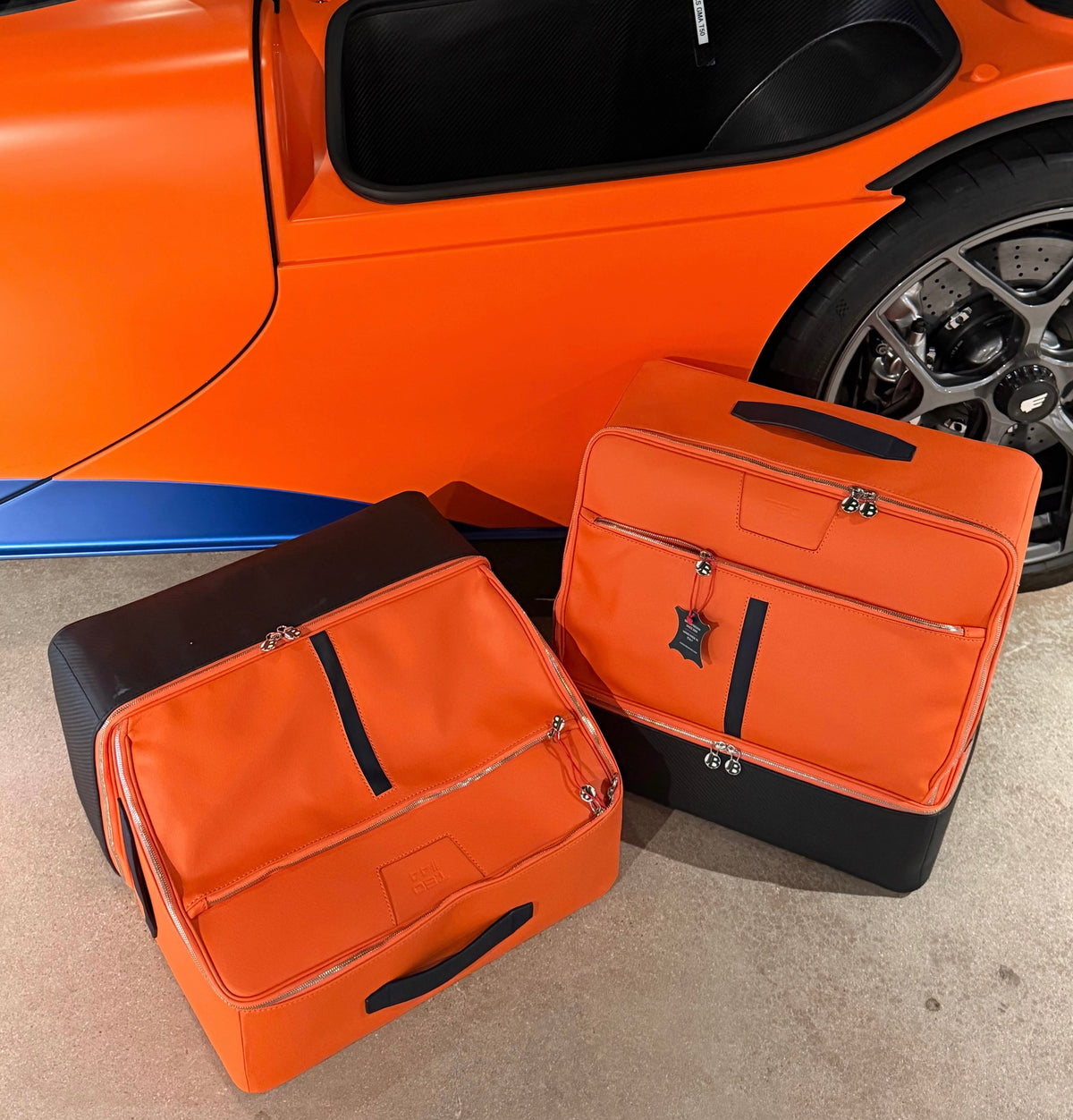
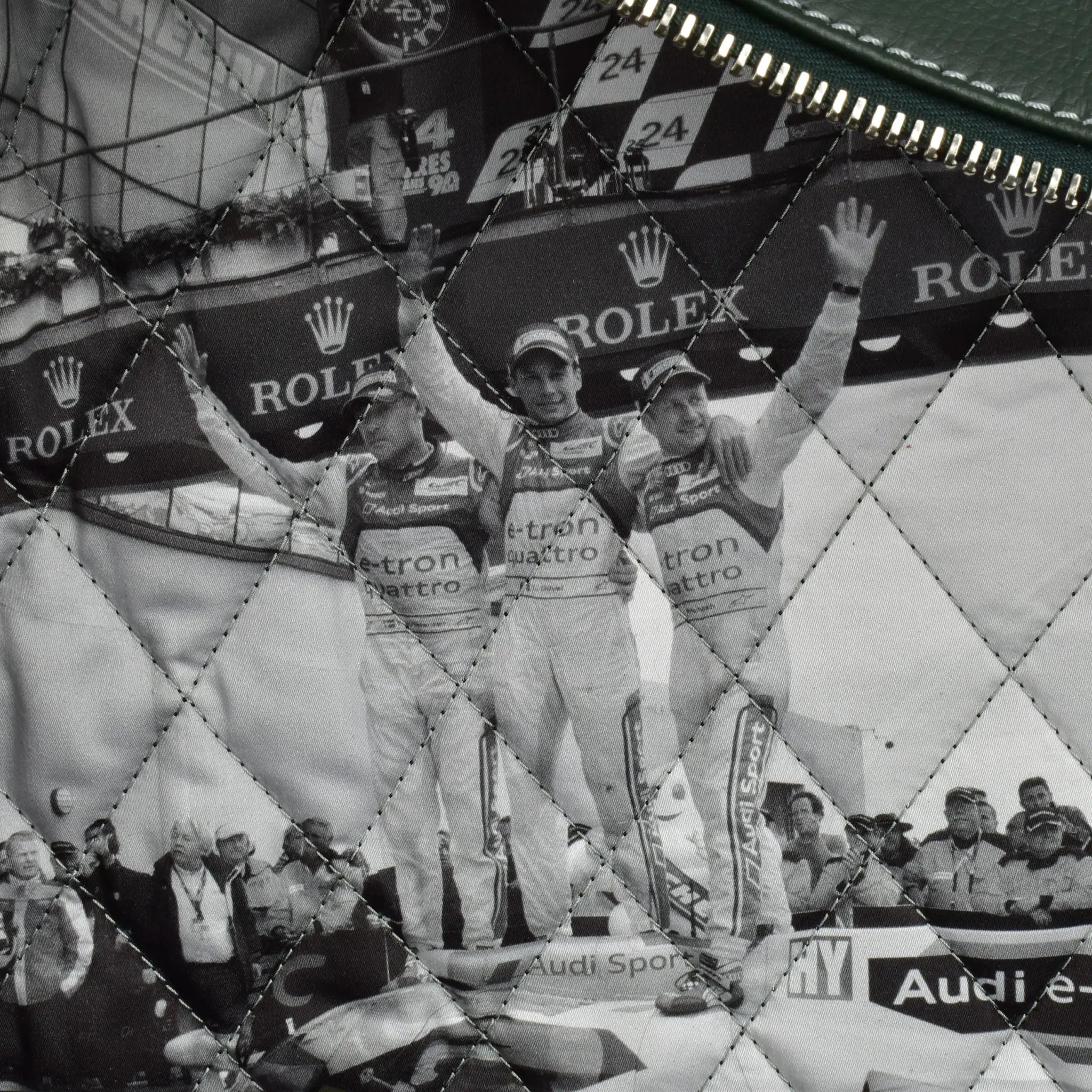
At Jordan Bespoke, that can mean Tuscan leather selected to complement a treasured motor car, a contrast lining inspired by a racing livery, discreet initials, or carefully chosen hardware. Such details should serve the object rather than overwhelm it. The most enduring commissions have a clear point of view, expressed through materials and proportion rather than novelty.
Practical customisation is equally valuable. A client who travels with a dinner jacket may need additional length and a dedicated shirt pocket. Someone attending race meetings may favour a configuration that works alongside a helmet bag and weekend holdall. A frequent flyer might prefer lighter aerospace-grade elements in order to reduce weight without sacrificing strength. Bespoke is most compelling when it resolves the way an individual actually travels.
A Better Way to Pack Either Style
Begin with freshly pressed, fully cooled garments. Packing a jacket immediately after steaming can set creases into the cloth. Use broad, supportive hangers where the carrier allows them, then fasten the jacket gently rather than pulling it taut. Trousers should hang smoothly or be folded along their existing crease line, never forced into an additional sharp fold.
Keep shoes in their own compartment or separate bag, preferably in soft shoe bags. Belts, watches and loose metal accessories should not sit against fine cloth or leather. Once you reach your destination, unpack and hang the garments promptly. A few minutes in a steamy bathroom can relax minor travel creases, but it is no substitute for packing with care.
The most satisfying choice is the one that makes departure feel deliberate and arrival effortless. Select a suit carrier when one immaculate look is the priority; choose a garment bag when the journey demands a fuller wardrobe. In either case, give fine tailoring a travelling home worthy of the life you lead.