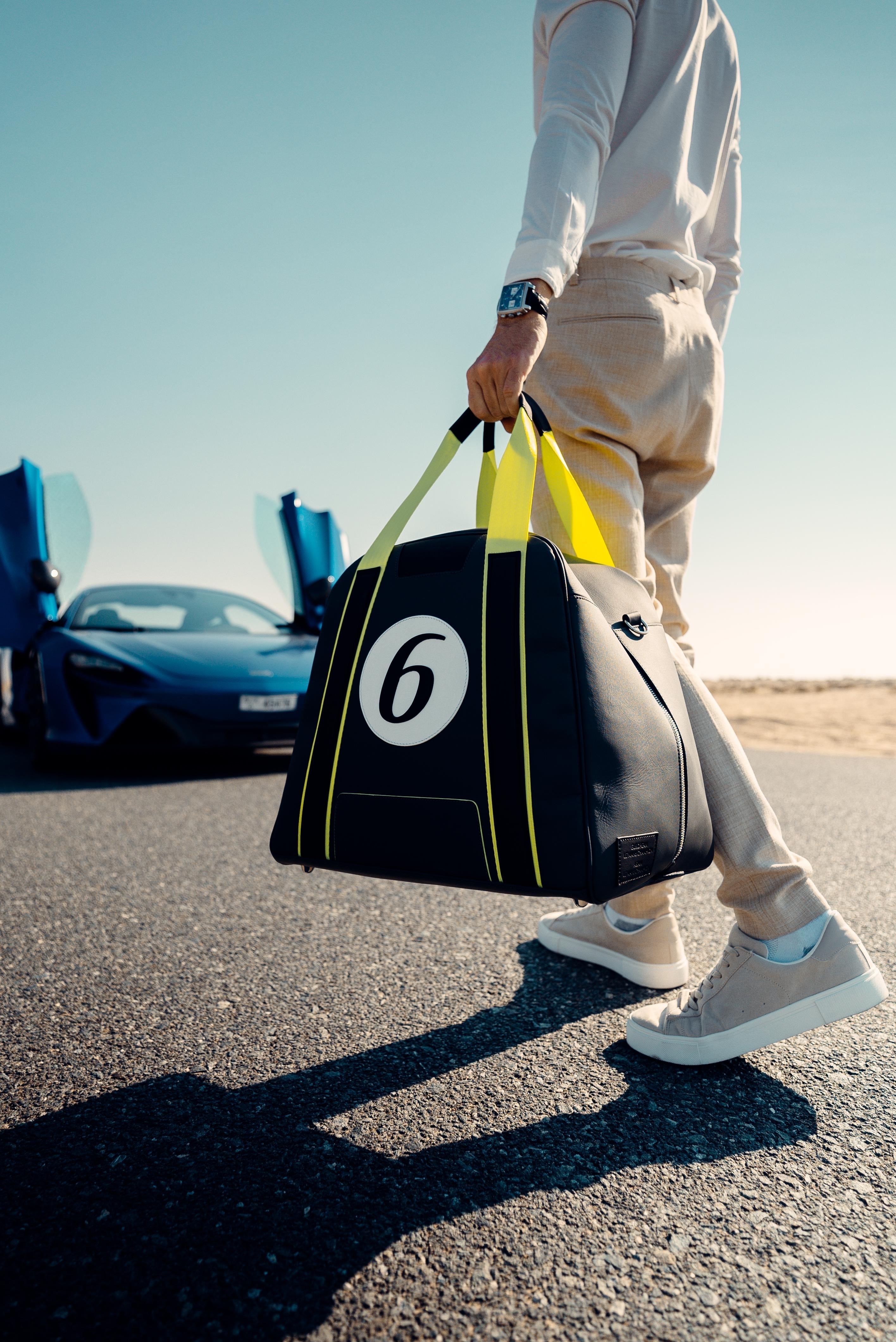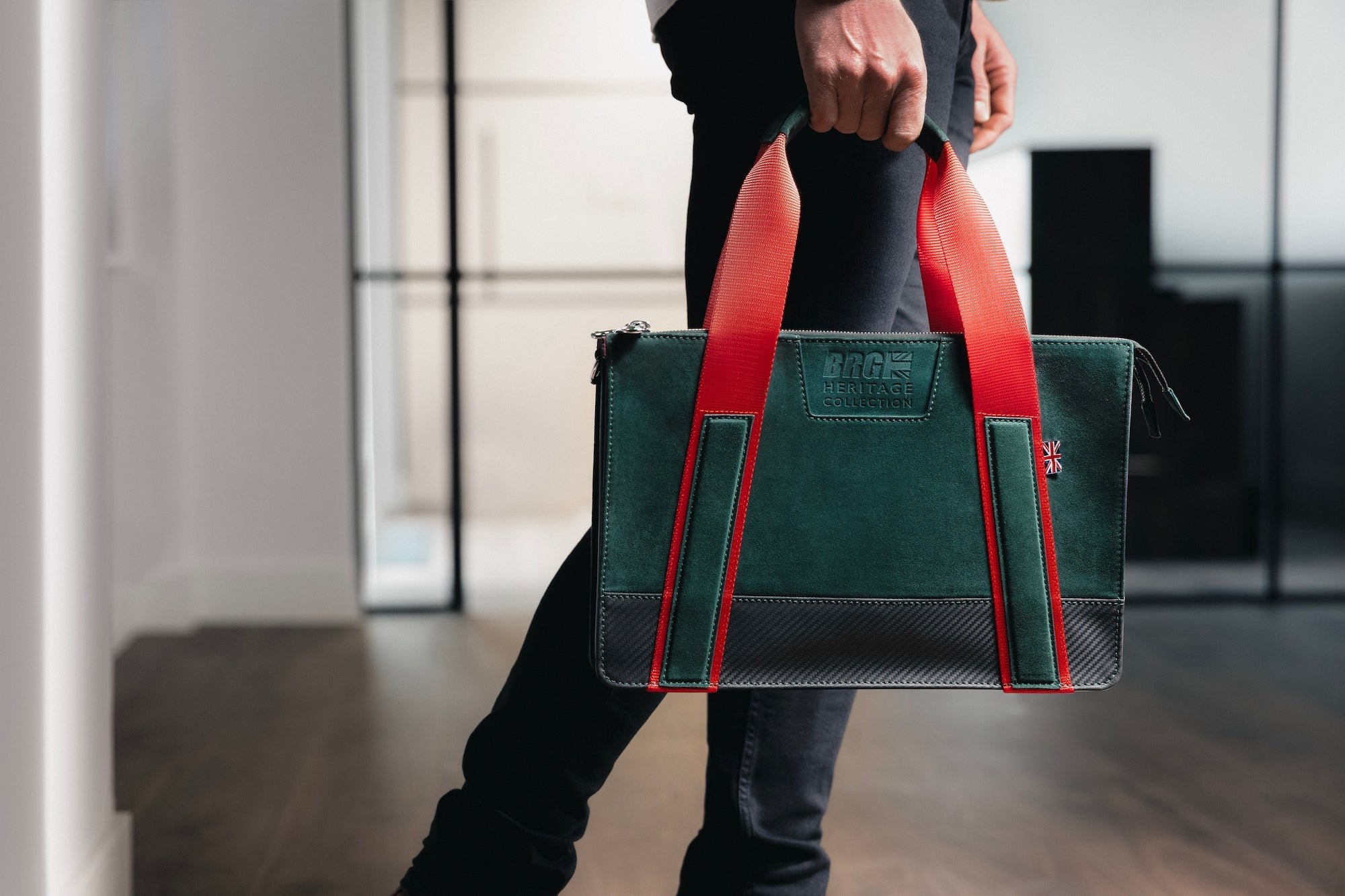


A well-made leather holdall should feel considered before it is even opened. The weight of the handles, the quiet precision of a zip, the way the leather settles against a luggage shelf or the boot of a grand tourer - these are details that reveal whether an object was merely produced or genuinely made. This guide to bespoke leather craftsmanship considers the choices, skills and patience behind pieces created for the discerning individual.
For automotive and motorsport enthusiasts, a bespoke bag is rarely just a means of carrying kit. It may be commissioned to accompany a favourite car on continental journeys, to house a helmet and race suit, or to carry the colours, trim and spirit of a much-loved machine. Its value lies in this personal connection as much as in its material quality.
What Bespoke Leather Craftsmanship Really Means
Bespoke is often used loosely in luxury. True bespoke leather craftsmanship begins with a conversation rather than a catalogue. The maker considers how the piece will be used, what it must carry, where it will travel and which references matter to its owner. A race day kit bag, for example, demands a different balance of structure, access and protection from a garment carrier intended for a weekend at Goodwood.
The process also allows the client to shape the character of the piece. That may mean a leather chosen to echo a car's interior, contrast stitching inspired by a historic racing livery, or a lining colour that recalls the cockpit of a particular marque. Monograms and embossed initials have their place, but thoughtful bespoke work goes further. It turns the function, memories and preferences of one owner into a coherent design.
This does not mean every element should be customised. Restraint is part of good design. A bag with too many competing colours, badges and finishes can lose the sense of purpose that makes it enduring. The most successful commissions usually have one clear story, expressed through a small number of impeccably judged details.
The Material Decisions That Define a Piece
Leather is not a single material. Its origin, tanning method, finish and thickness determine how it will look, feel and mature. For luxury luggage, full-grain leather is prized because the natural surface of the hide remains intact. It retains character and develops a patina through use rather than simply wearing away.
Tuscan leathers are especially valued for their depth of colour, supple handle and ability to age with distinction. Yet the right choice depends on the commission. A softly constructed weekend holdall benefits from a leather with pliancy and a gentle drape. A structured briefcase or tech case may call for a firmer hide that holds a crisp profile. For an item exposed to regular trackside use, a more resilient finish can be sensible, even if it has a slightly less natural feel.
Colour deserves the same level of consideration. Black and dark brown remain timeless, particularly alongside formal travel or classic interiors. Rich oxblood, racing green, navy and tobacco introduce individuality without becoming novelty. In a motorsport-led commission, a carefully selected accent can be more effective than an entire bag in a vivid shade. Consider the piping, handle wrap, zip tape, lining or stitch as the place for a more expressive note.
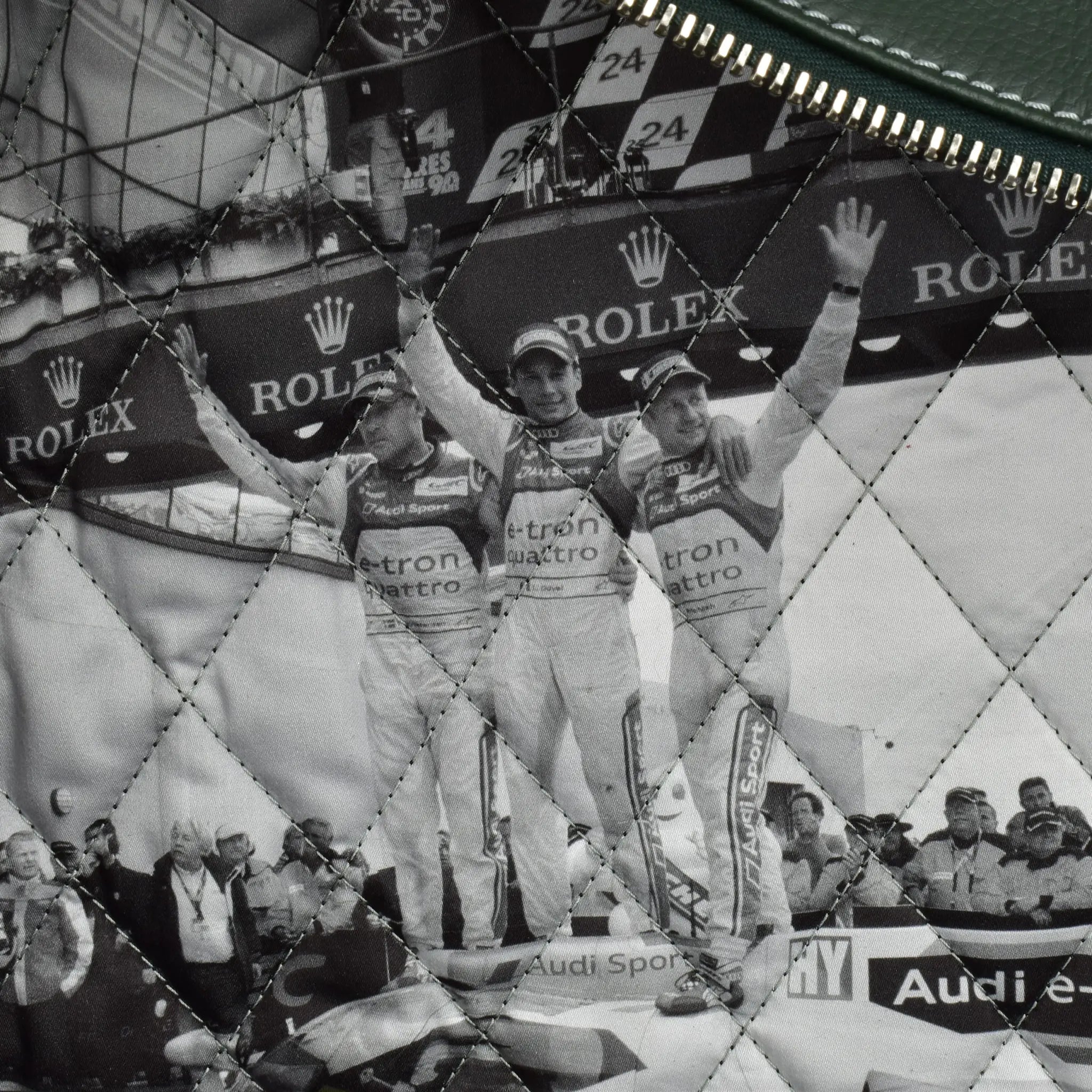
A lining is not an afterthought. It protects the interior, influences how a bag feels in use and offers a private field for personal colour. Suede, technical textiles and fine woven fabrics each bring different qualities. The right lining for a helmet bag may prioritise cushioning and cleanability; the right one for a document case may favour a refined, low-friction finish that treats a laptop and papers with care.
From Pattern to Hand-Finished Construction
The distinction between ordinary leather goods and exceptional work often appears in places that receive little attention at first glance. Before cutting begins, a pattern must establish proportion, capacity and structural integrity. A millimetre matters when aligning a panel, setting a gusset or ensuring a zip follows a clean line around a curved opening.
Skilled makers inspect each hide before cutting. Natural markings, grain direction and stretch must be understood, then used intelligently. Large, visually prominent panels are selected with particular care; smaller sections may be cut from areas that offer a complementary grain. This is one reason a handcrafted piece cannot be judged only by a photograph. The maker has made hundreds of quiet decisions that determine its eventual poise.
Edges are then thinned where necessary, folded, stitched and finished. A clean edge may be painted in several fine layers, with drying and sanding between each one, or burnished for a more traditional appearance. Neither method is automatically superior. Painted edges can create a sharp contemporary line, while a burnished edge can suit a more heritage-led object. The appropriate choice follows the design and expected use.
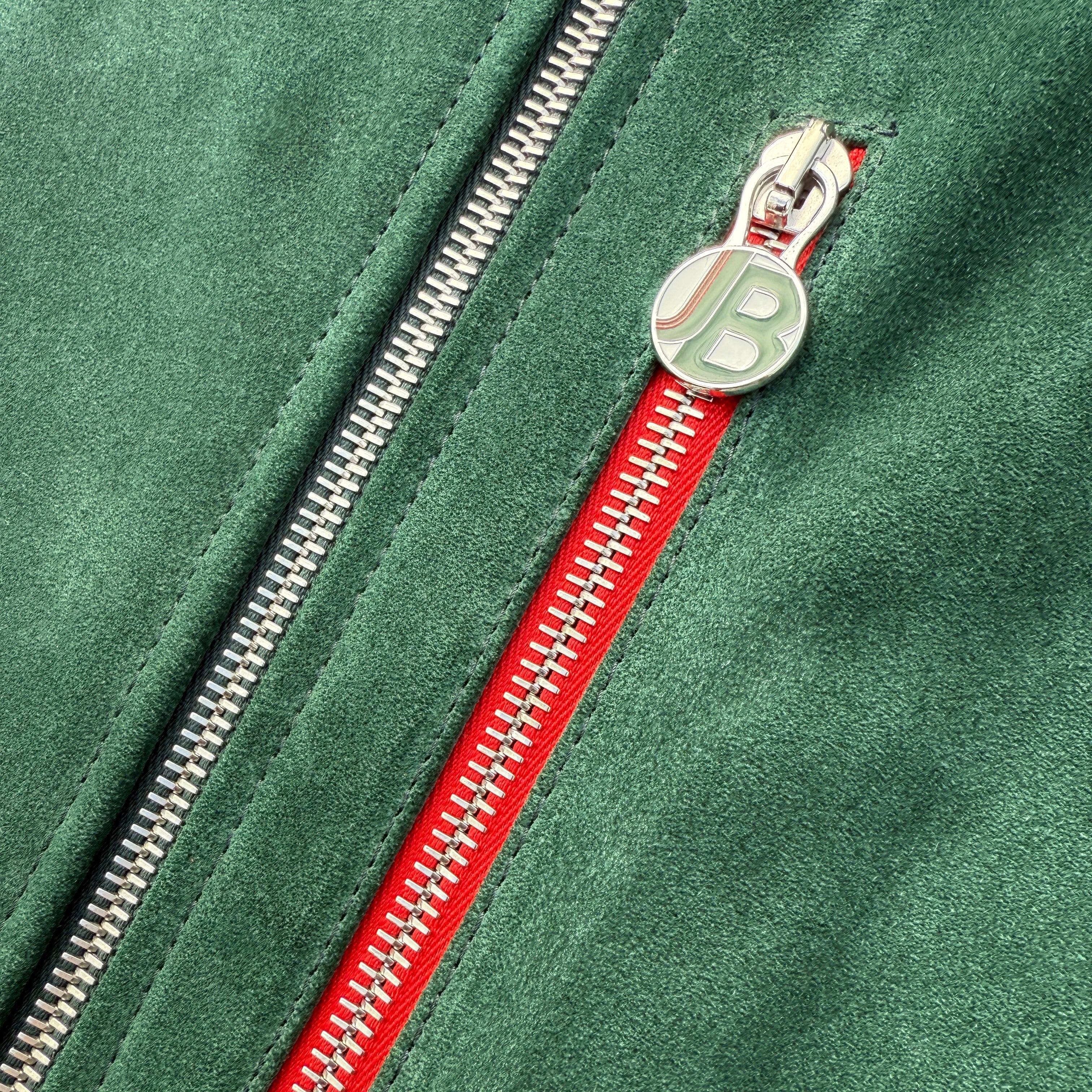
Hardware is equally revealing. A substantial zip should run smoothly without catching; its puller should feel balanced in the hand. YKK Excella zips are admired for their polished metal teeth and dependable operation, making them a natural consideration for refined luggage. Clasps, D-rings, studs and feet should support the design rather than distract from it. Their finish should also sit comfortably with the leather - bright chrome, warm brass, gunmetal and blackened metal each alter the mood of the finished piece.
A Guide to Bespoke Leather Craftsmanship for Drivers
Commissioning luggage for a motoring life starts with the practical realities. Measure what the piece needs to carry and where it needs to fit. The boot of a low-slung sports car has different constraints from the rear compartment of a luxury saloon, and a bag designed for a race weekend must accommodate awkward, heavy items that a conventional holdall was never intended to manage.
A proper brief should account for the journey, not simply the destination. Will the bag be carried through an airport, placed behind a seat, used in a paddock or stored at home between events? Does it require a separate compartment for boots, gloves or damp kit? Should a garment carrier fold compactly, or maintain enough structure to keep tailoring presentable on arrival? These answers guide the form more reliably than aesthetics alone.
There is also a worthwhile trade-off between softness and protection. Unstructured leather luggage is elegant, tactile and forgiving when packed, but may offer less support for delicate equipment. A more reinforced construction protects its contents and retains shape, though it can be heavier and less relaxed in character. The finest commissions resolve this balance honestly rather than pretending one design can satisfy every purpose.
For a piece tied to a particular vehicle, references should be used with discernment. A seat leather match can be striking, but exact matching is not always possible or desirable because automotive hides and luggage leathers are finished for different demands. A complementary hue, a similar stitch colour or a subtle lining reference may create a more sophisticated result. The objective is not imitation. It is harmony.
The Value of Time, Repair and Patina
Bespoke work asks for patience. Lead times reflect design development, material sourcing, cutting, assembly and finishing, along with the care required for quality control. This pace is not an inconvenience to be disguised. It is part of the proposition: a piece made thoughtfully should not feel interchangeable with something selected from a warehouse shelf.
It should also be made for a long life. Leather will gather signs of travel, particularly on handles, corners and panels that meet the hand. A good patina is not neglect; it is evidence of use. Regular cleaning with a suitable soft cloth, sensible protection from prolonged moisture and careful storage away from direct heat will preserve the material without stripping it of character.
Repairs matter too. Replaceable straps, serviceable hardware and sound construction make it possible to extend a piece's useful life. Some marks will warrant professional attention, while others become part of its history. The decision depends on the item and the owner. A pristine formal briefcase may deserve restoration; a much-travelled race bag may be better allowed to tell its story.
At Jordan Bespoke, this philosophy is expressed through British design, hand-made Italian production and commissions that take their cues from the cars and lives of their owners. The result is not simply luggage with a monogram, but a symbol of individuality built with purpose.
When considering a commission, bring more than a colour preference. Bring photographs of the car, an account of the journeys ahead, the equipment that must travel and the details that have stayed with you over the years. The right maker can turn those references into something quietly distinctive - crafted for life, and ready for every mile that gives it meaning.