

A boardroom bag should not feel like an afterthought. For the discerning driver, collector or founder, a personalised leather briefcase is a daily companion with the same presence as a well-chosen watch, a hand-finished steering wheel or the first turn of a key on an early morning drive. It carries more than a laptop and papers. It carries the quiet signals of taste, achievement and the standards by which you choose to live.
Mass-produced business bags are designed to offend no one. A bespoke briefcase is designed around one person. Its leather, proportions, interior and finishing details can speak directly to the owner, whether that means the restrained elegance of a grand tourer, the purposeful character of a competition car or the impeccable restraint of a tailored jacket.
A personalised leather briefcase, made with intent
The appeal of personalisation is not simply putting initials on a flap. Monogramming has its place, but the finest commissions begin earlier, with an understanding of how the briefcase will be used and what it should express.
A client who spends the week moving between London meetings and European flights may require a slim profile that sits comfortably beneath an airline seat, with considered protection for a laptop, charging cables and documents. Another may want a more structured case for contracts, a tablet and the small essentials that accompany a day at the circuit. Neither is better. The right configuration depends on the rhythm of the owner’s life.
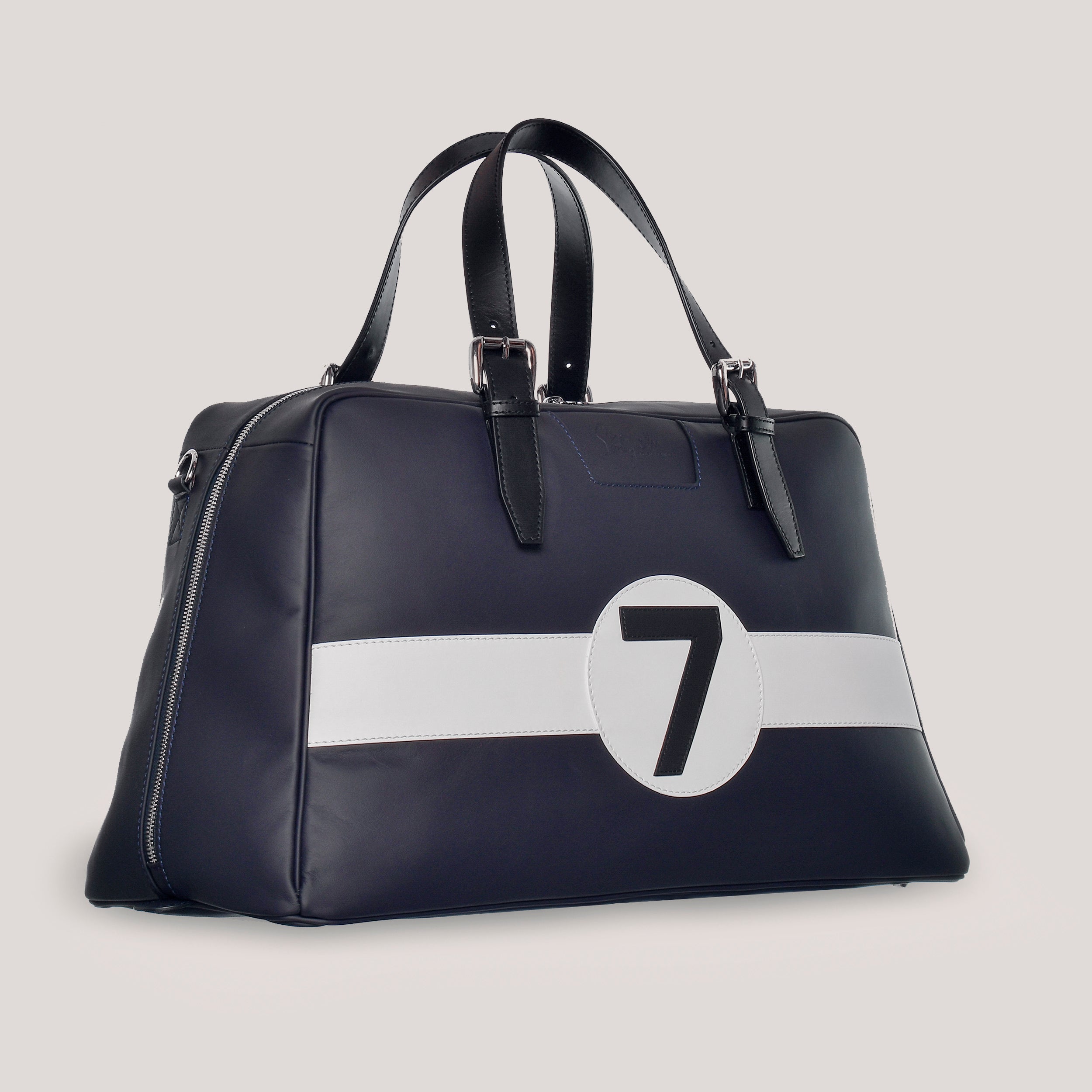
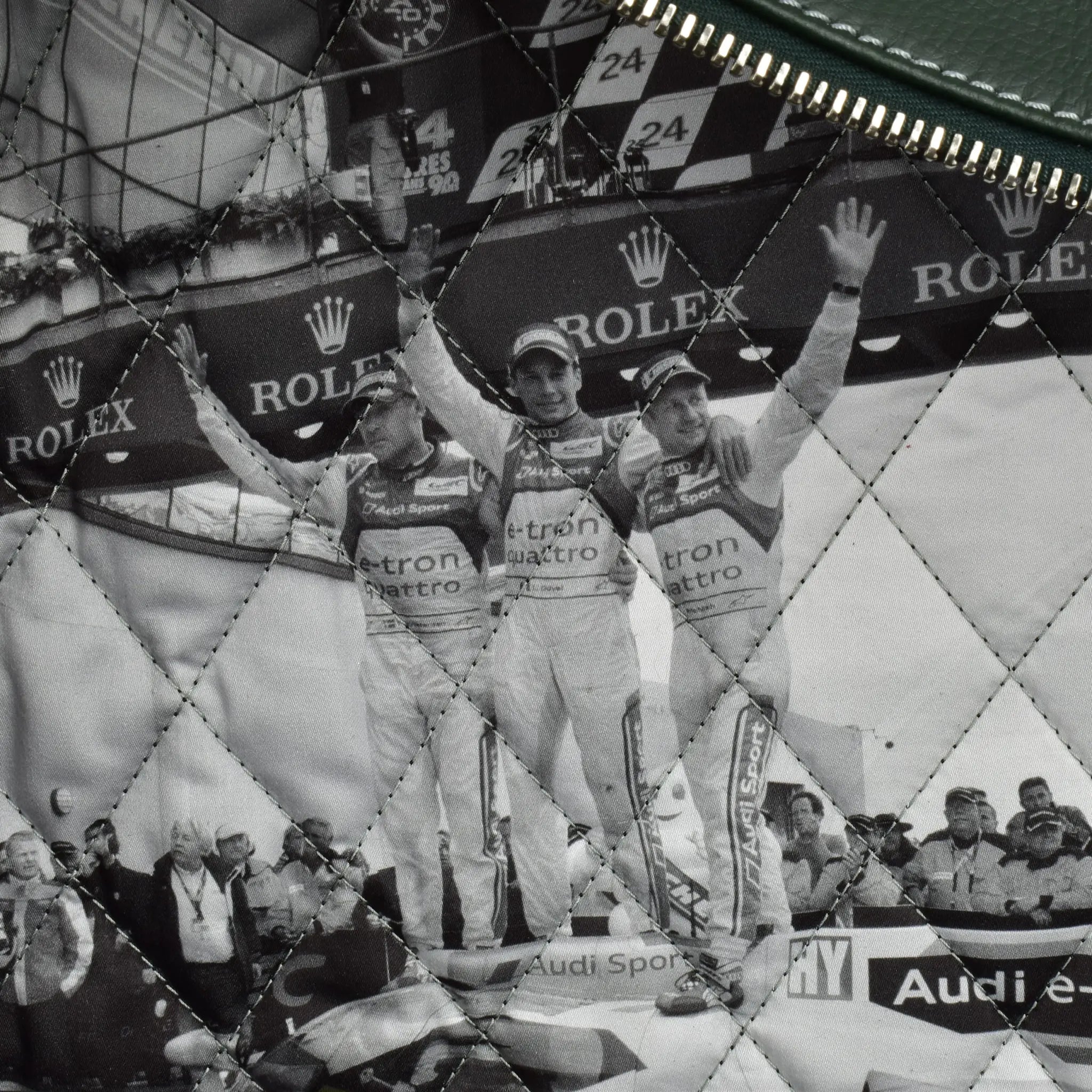
At Jordan Bespoke, that conversation can extend to the character of a cherished vehicle or a personal motorsport story. The result might be a lining that recalls a period race livery, contrast stitching drawn from an interior hide, or a discreet colour combination that only its owner will recognise. These details need not shout. In fact, the most successful ones rarely do. They reward a closer look.
Leather that gains character rather than loses it
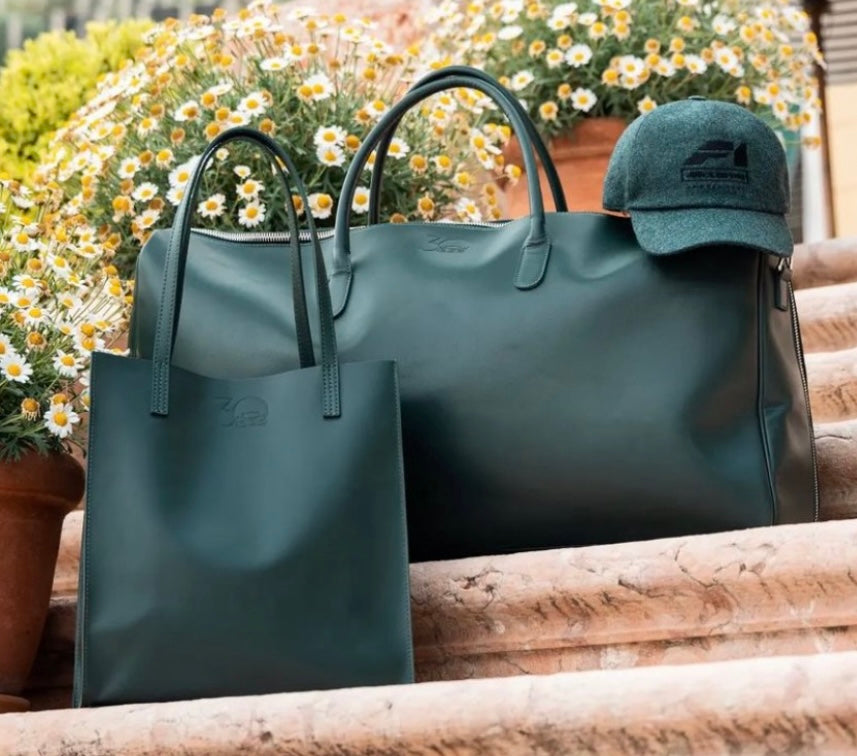
A luxury briefcase earns its value over years of use. That starts with the hide. Full-grain Tuscan leather retains the natural grain of the skin, allowing it to develop a rich patina as it accompanies its owner through stations, hotel lobbies, offices and paddocks. It will not remain factory-perfect, nor should it. Fine leather records a life well lived with more grace than synthetic materials ever could.
The choice of finish matters. Smooth calf leather has a clean, formal appearance and suits a more metropolitan wardrobe. Grain leather is often more forgiving of the daily knocks that come with travelling and can bring a tactile, sporting quality to the piece. Suede linings add softness and depth, while a carefully selected technical lining may make greater sense for a briefcase that regularly carries devices and accessories.
Colour is equally personal. Black remains exacting and versatile, particularly with business tailoring. Deep navy, racing green, tobacco and oxblood offer a more individual expression without sacrificing sophistication. A vivid interior can be a private pleasure, while matching trim and stitching can create a composed, automotive-inspired scheme. The point is not to reproduce a car cabin literally. It is to capture its atmosphere with restraint.
The details that define a bespoke briefcase
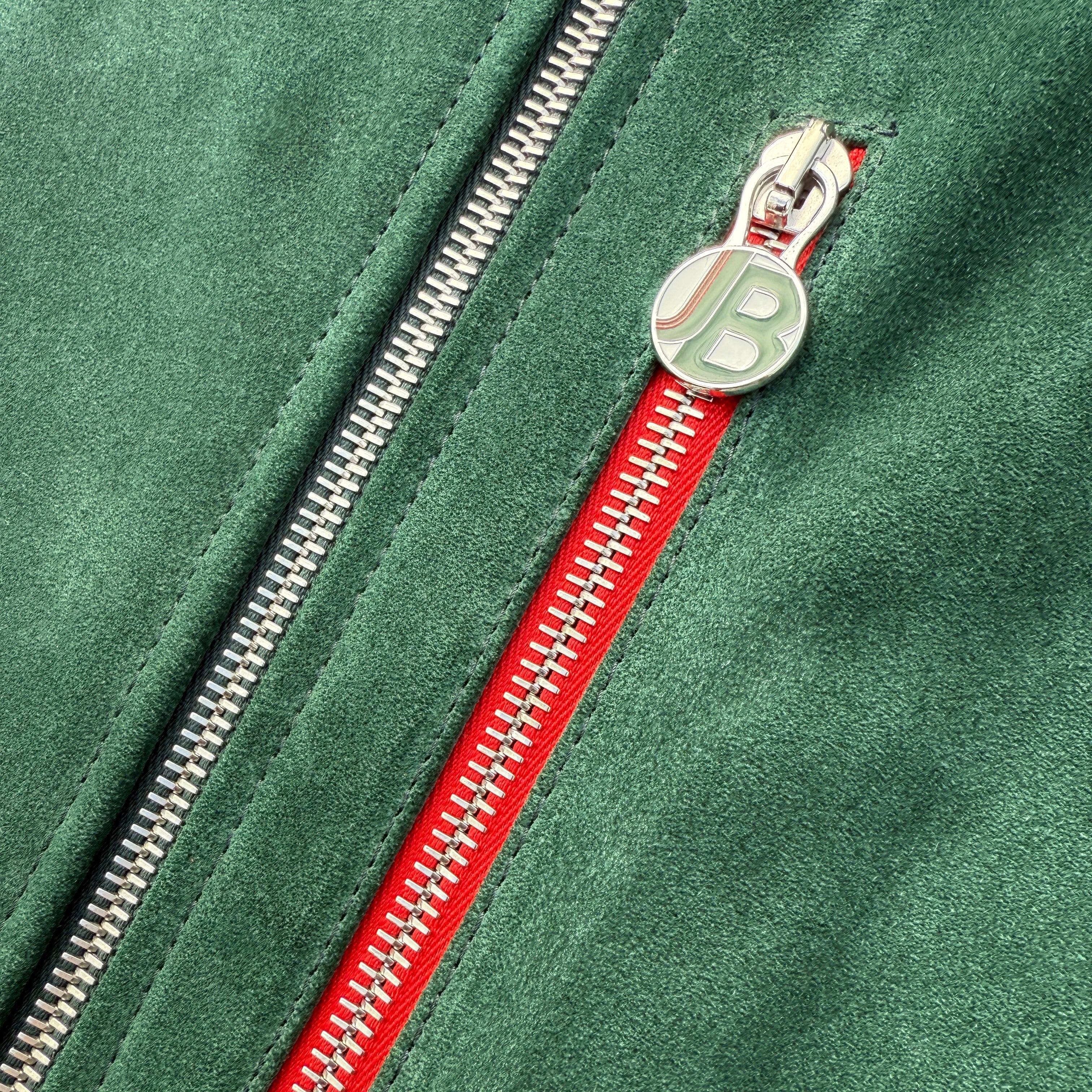
The difference between a handsome bag and a truly exceptional one is often found in the parts most people never notice. A beautifully constructed handle should feel balanced in the hand, rather than merely look substantial. Edge painting must be precise and resilient. Hardware needs appropriate weight, a finish that complements the leather, and a mechanism that inspires confidence each time it is used.
For a briefcase that will be opened repeatedly throughout the day, YKK Excella zips are a particularly considered choice. Their polished metal teeth and smooth operation bring a sense of engineering to the object, while helping the case retain its composed appearance. This is the same principle that guides great automotive design: the points of contact matter most.
Interior organisation should be purposeful rather than overdesigned. Too many pockets can make a briefcase bulky and rigid. Too few leave valuable equipment loose inside. A well-planned interior may include a padded laptop compartment, a slim document section, a secure zipped pocket and tailored spaces for a phone, pens, cards and cables. If you carry a compact camera, a notebook, driving gloves or a passport regularly, those requirements should shape the design from the outset.
Personal touches can include hand-painted initials, embossed lettering, a commissioned lining, contrast piping or a discreet plaque. For some clients, a date, chassis reference or racing number is meaningful. For others, the most personal decision is an unmarked exterior with a signature interior visible only when the case is opened. Luxury is not always public.
Choosing the right format for your working life
A classic single-compartment briefcase is hard to surpass for formal meetings and lighter daily carry. It has a clean profile and works naturally with tailoring, a wool overcoat or a driving jacket. A double-gusset design offers additional capacity for those who carry files, technology and an overnight change of clothes, but it should be chosen carefully. Extra volume is useful only if it will be used; otherwise, a slimmer case is more elegant and easier to carry.
A detachable shoulder strap can be practical for airport concourses and city travel, although the briefcase should still look considered when carried by its handles. This is one of the useful trade-offs in bespoke design. The most formal case may have no external hardware beyond its closure, while the most versatile may include a strap, luggage sleeve or discreet rear pocket. There is no universal answer, only the version that feels right in your hand and fits the way you move.
For clients who drive often, proportions deserve particular attention. A briefcase should sit securely in the passenger footwell or behind a seat without feeling cumbersome, and should be easy to retrieve at a petrol stop or hotel arrival. It is a small point, but one that separates an object made for a catalogue photograph from one crafted for life.
Craftsmanship is felt long after the commission
Handmade Italian production gives a personalised leather briefcase its lasting authority. Skilled makers understand how a leather will stretch, fold and age. They know where reinforcement is needed, how to construct a clean corner, and when a millimetre in a pattern can transform the balance of a case. Such knowledge cannot be replicated by adding a luxury logo to an industrially produced bag.
This level of work also asks something of the owner: a willingness to choose with care. Bespoke is not instant, and it should not be treated as a novelty. The pleasure lies partly in the process of specifying a piece that will remain relevant long after a season’s fashions have moved on.
Care is straightforward but worthwhile. Store the briefcase in its dust bag when not in use, keep it away from prolonged direct heat, and avoid overfilling it beyond the shape for which it was made. A soft cloth and occasional specialist leather care will help preserve the finish. More importantly, use it. A fine briefcase is at its best when it becomes familiar, developing a patina that belongs entirely to its owner.
A personalised leather briefcase is ultimately an object of considered continuity. It can accompany a new role, a growing business, a favourite road trip or years of race weekends. Choose details that will still mean something a decade from now, and the case will become less like an accessory and more like part of your own story.