

A matching luggage set can look impressive from a distance. Up close, the difference between bought and commissioned is something else entirely. If you are considering how to commission custom luggage, the real question is not simply what colour to choose or which initials to add. It is how to create something that belongs to your way of travelling, your standards, and, in many cases, the character of the motor car or lifestyle it is meant to accompany.
Bespoke luggage sits closer to tailoring than retail. The best pieces are not just personalised after the fact. They are conceived around purpose, proportion and personal taste from the outset. That distinction matters, because true custom luggage should feel resolved in every detail, from the handle drop to the lining, from the way the zip runs to how the bag sits in a boot.
How to commission custom luggage really means
There is a great deal of loose language around bespoke. In luxury goods, many products described as custom are, in truth, standard designs offered with a few surface choices. That may be perfectly suitable if you want a monogram and a preferred hide. It is not the same as commissioning.
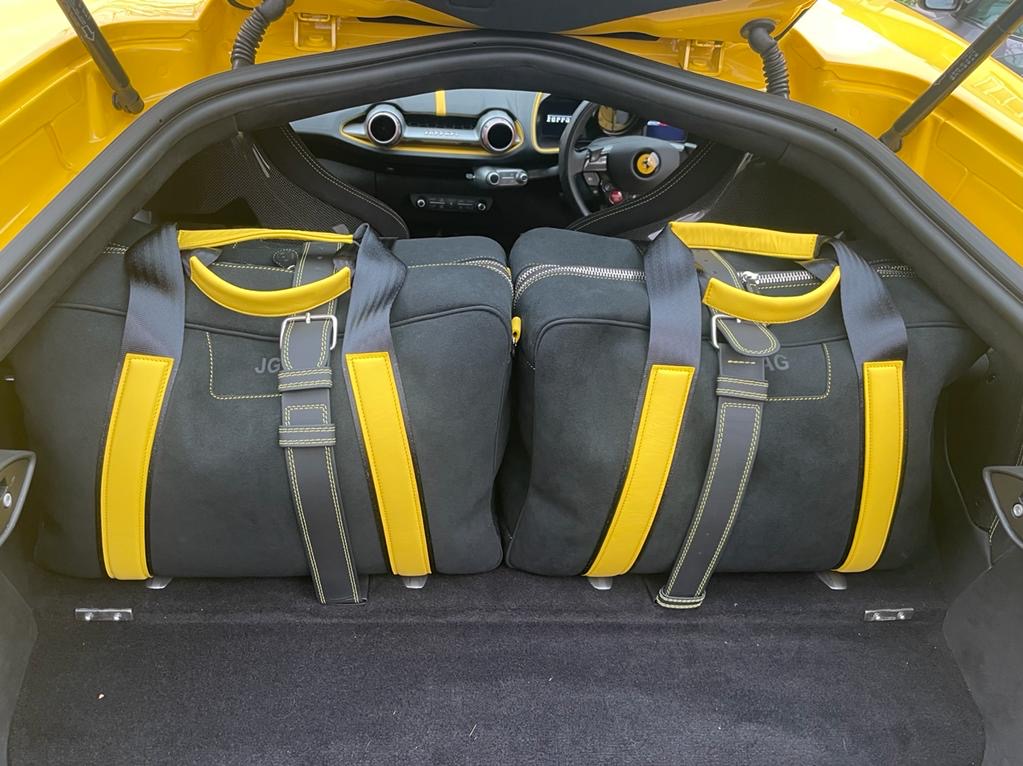
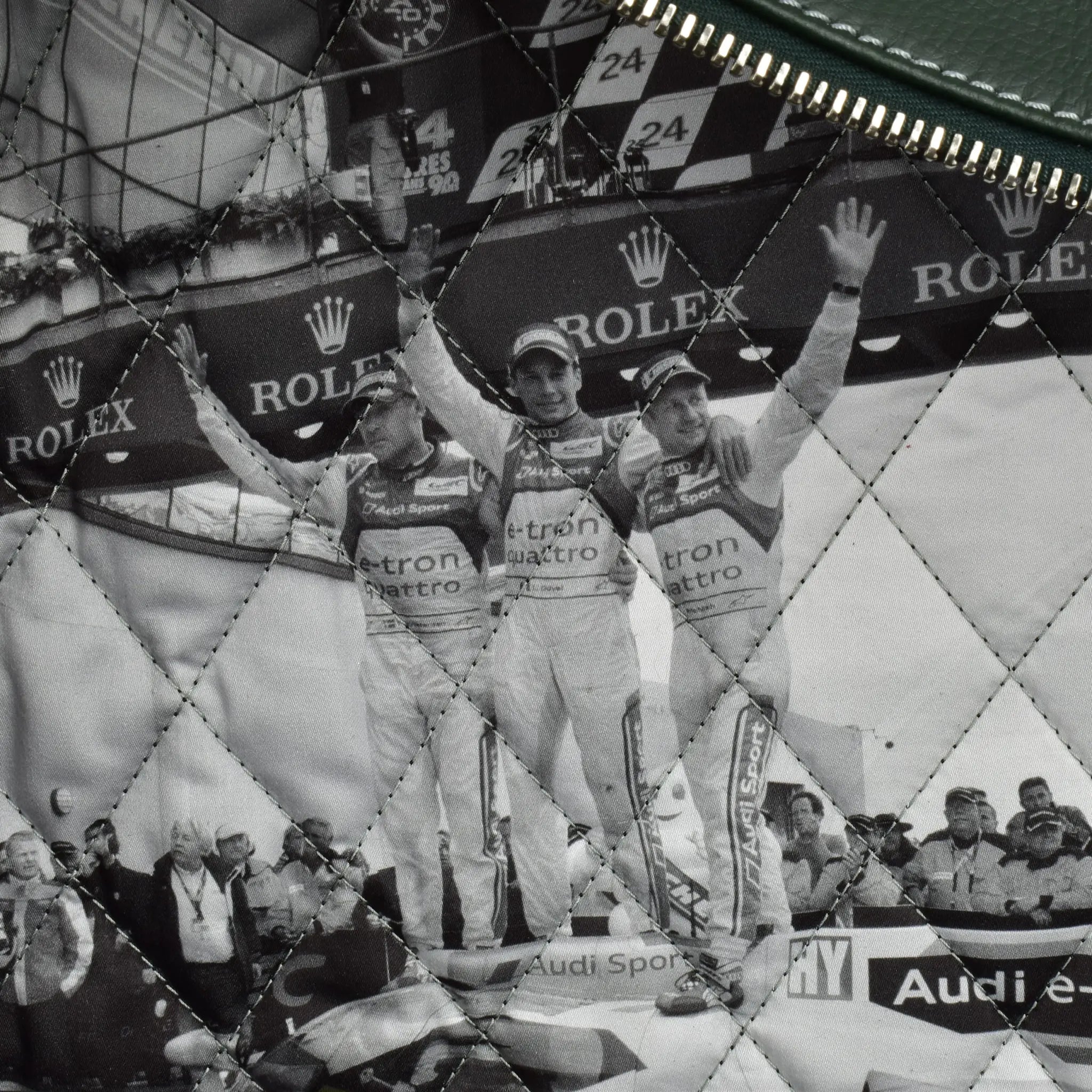
To commission custom luggage properly is to begin with a brief. That brief might be practical, such as creating a holdall proportioned for short-haul weekends and a garment carrier that fits around regular business travel. It may be automotive, such as a set designed to complement a specific interior, echo a seat stitch pattern or fit the geometry of a grand tourer’s boot. Or it may be emotional, tied to racing history, a family crest, club colours or a significant car in a collection.
The value lies in that translation from idea to object. Done well, custom luggage becomes one of those rare possessions that feels inevitable, as though it could not have been made for anyone else.
Start with use, not decoration
Many commissions go astray because they begin with appearance. Appearance matters, especially in this category, but the discipline should start with use. Ask yourself where the luggage will actually go and how it will be handled.
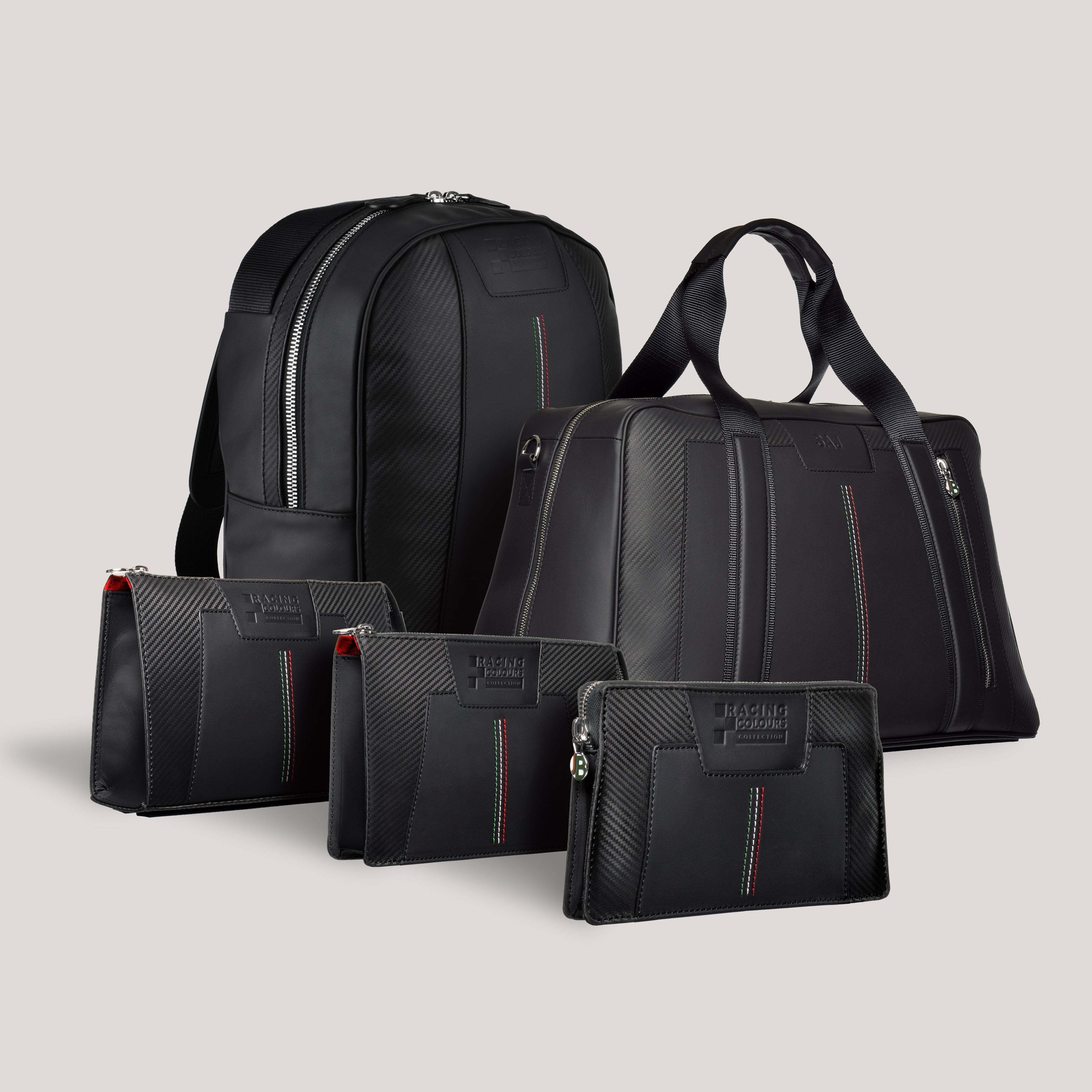
A frequent traveller may need a holdall that remains elegant under cabin constraints, with discreet external access for documents and technology. A driver using the bag for continental touring may care more about shape retention, ease of loading and how multiple pieces stack in the car. A race day client may want a helmet bag, kit bag and small leather accessories that feel coherent without becoming theatrical.
This is where a specialist maker earns their place. They should ask the right questions before discussing finishes. How many days are you typically away? Soft-sided or more structured? Will the bag be lifted in and out of a low boot aperture? Do you travel with tailoring that needs protection? Is this luggage for flights, road trips, paddock use, or all three? Those answers determine far more than taste alone.
Choose a maker with a real bespoke process
If you want to know how to commission custom luggage without disappointment, pay close attention to process. A serious maker will be transparent about what can genuinely be changed and what remains fixed.
Some houses offer a strong made-to-order service based on existing silhouettes. Others will work more deeply, adapting dimensions, internal layouts, hardware finishes, trim details and construction choices. Neither approach is wrong, but they are not interchangeable, and expectations need to match the service.
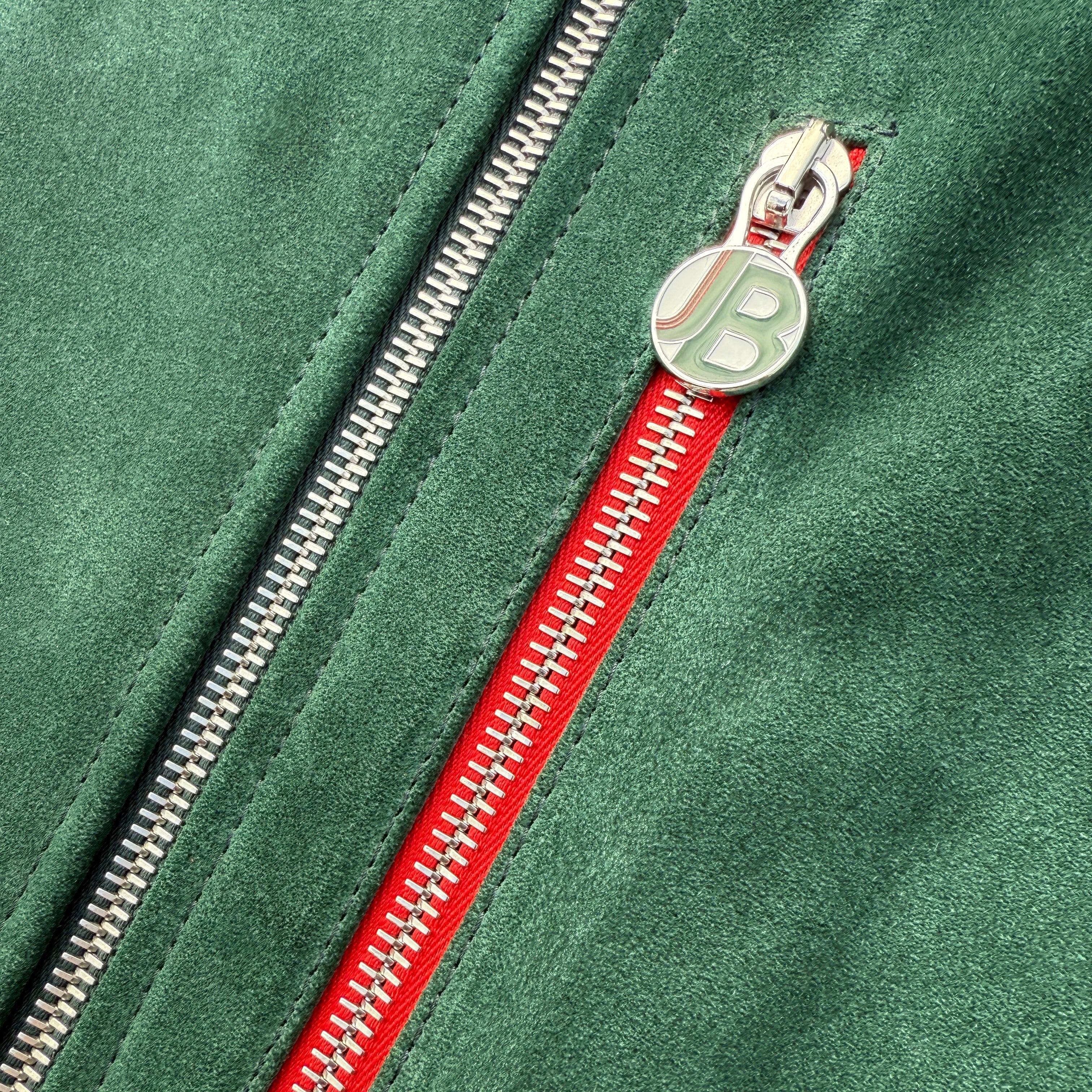
Look for evidence of material fluency and manufacturing credibility. In luxury luggage, that may mean full-grain Tuscan leathers, carefully selected suede or Alcantara-style linings, hand-finished edges, quality metalwork and zips that feel precise rather than merely bright. It should also mean confident guidance. An experienced maker will not say yes to every request. They will explain why one leather ages more gracefully than another, why pale linings are beautiful but less forgiving, or why a particular construction is better suited to a bag that will be used frequently.
That restraint is part of the service. Bespoke should refine your ideas, not flatter every impulse.
Materials, colour and the question of longevity
This is often the most enjoyable stage, and the one most likely to become overworked. The temptation is to use every available option because the opportunity exists. In practice, the finest commissions tend to show control.
Leather is the foundation. Smooth calf can feel crisp and formal, grained hides are often more relaxed and resilient, while more technical materials can bring a motorsport edge with practical benefits. The right choice depends on how the luggage will live. A bag intended for frequent travel should wear beautifully, not anxiously.
Colour deserves similar discipline. Exterior tones may take cues from an interior palette, coachwork, racing livery or simply a favoured wardrobe. Inside, contrast can be striking, but it must still age well and remain useful. Very pale linings create drama, though they reveal every mark. Darker linings are more forgiving but can make smaller items harder to find. Hardware sits in the same category. Palladium, brass, blackened finishes or polished metal all send a different signal.
The best results come when colour and material choices tell a coherent story rather than competing for attention.
When automotive inspiration works best
For many discerning clients, the appeal of custom luggage lies in its relationship to the motor car. This can be handled with great subtlety or with deliberate reference. Both can work.
A restrained commission might echo a seat piping colour, a stitching pattern, or the tone of a hide used in the cabin. A more expressive one could reference period racing roundels, heritage stripes or interior quilting. The judgement lies in proportion. A bag should converse with the car, not impersonate it.
This is especially important with prestige and performance marques, where the car already carries strong visual identity. The luggage should feel like a companion piece, not merchandise.
Fit matters more than most people expect
One of the clearest advantages of commissioning is dimensional intelligence. This matters whether the luggage is designed to fit a specific boot, a rear shelf, an overhead cabin requirement or the realities of modern travel.
If the luggage is intended for a particular vehicle, measurements should be taken seriously. Aperture width, boot depth, loading angle and the presence of shelves or structural intrusions all affect what will work. A beautiful bag that must be forced into place has missed the point.
Likewise, internal organisation should be considered with restraint. Too many compartments create bulk and stiffness. Too few can leave a bag feeling generic. The right arrangement depends on what you actually carry. Shoe sections, watch protection, garment support, laptop sleeves and document pockets all have a place when they answer a real habit.
Ask about construction, not just appearance
Luxury is often discussed in visual terms, yet the lasting pleasure of a commissioned piece usually comes from less obvious things. How the handles are anchored. Whether the base is reinforced sensibly. How the corners are finished. Whether the zip line remains smooth after years of use. These are the details that separate a bag made for admiration from one crafted for life.
This is also where handmade production matters. Human hands can do things machines cannot, especially where alignment, edge finishing and material sensitivity are concerned. That said, craftsmanship is not nostalgia. It should serve performance. A bag can be beautifully traditional and still benefit from modern, hard-wearing components where appropriate.
A considered maker will speak comfortably about both romance and engineering.
How to brief a bespoke commission clearly
The clearest commissions begin with a concise, well-judged brief. You do not need to arrive with every answer. You do need to know your priorities.
It helps to define the core use, the visual direction and the non-negotiables. You may want luggage for two-night driving tours, inspired by the cabin of a particular Aston Martin, with a clean exterior, minimal branding and room for shoes and knitwear. That is a useful brief. By contrast, asking for something timeless, distinctive, practical, sporty and understated all at once without hierarchy can lead to diluted decisions.
Reference images can help, though they should guide rather than dictate. The point of a bespoke service is interpretation through a maker’s eye. If the workshop has true expertise, they will improve the brief and protect it from excess.
Jordan Bespoke approaches this with the same care one would expect from coachbuilding or tailoring: a dialogue, not a menu.
Timelines, revisions and the cost of getting it right
Commissioned luggage is not immediate, nor should it be. Materials may need to be sourced, samples approved, dimensions checked and details refined before production begins. That takes time, and time is part of the value.
Costs vary considerably depending on complexity, leather choice, hardware and whether you are adapting an existing design or creating something more singular. What matters is not finding the lowest figure, but understanding what you are paying for. Superior hides, Italian handwork, precise pattern cutting and bespoke development all sit behind the finished piece.
Revisions are part of the process as well, but good revisions are disciplined. They sharpen the brief rather than reopening every choice. Constant changes usually weaken a commission. Confidence, guided by expertise, tends to produce the strongest result.
The best custom luggage does more than carry what you need for a journey. It reflects how you move through the world, what you notice, and what you consider worth making properly. If you commission with care, the result will not merely travel well. It will feel right every time you reach for it.