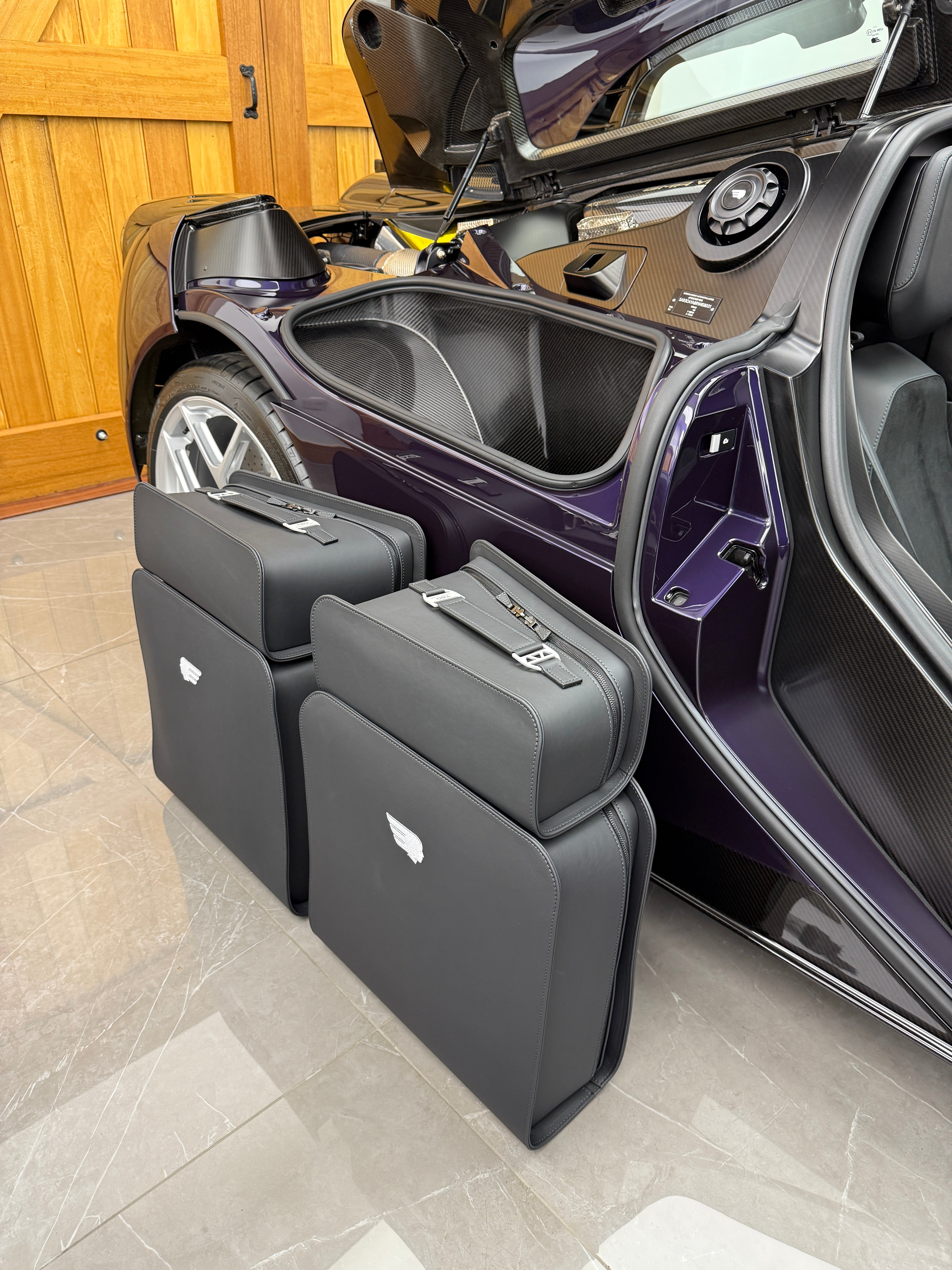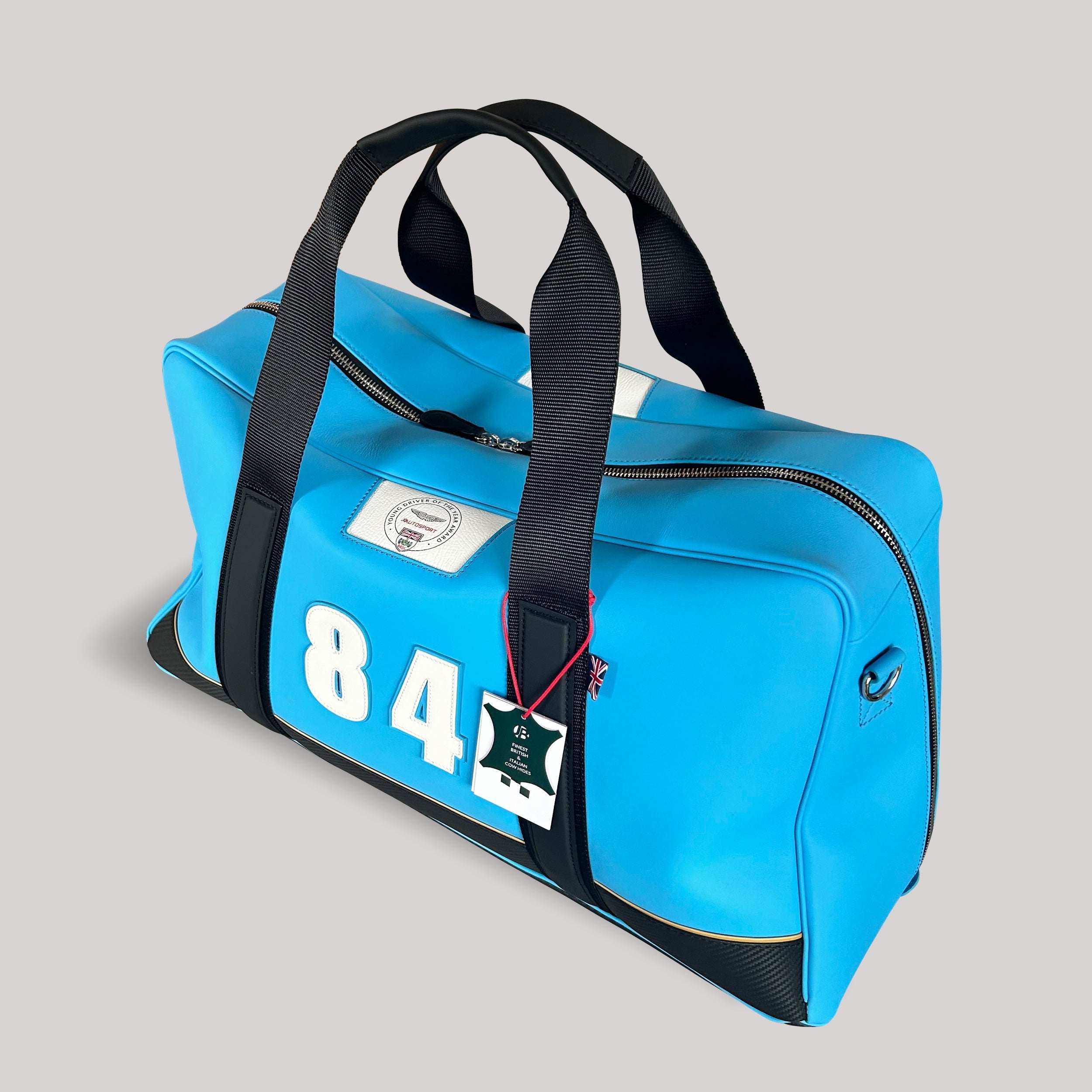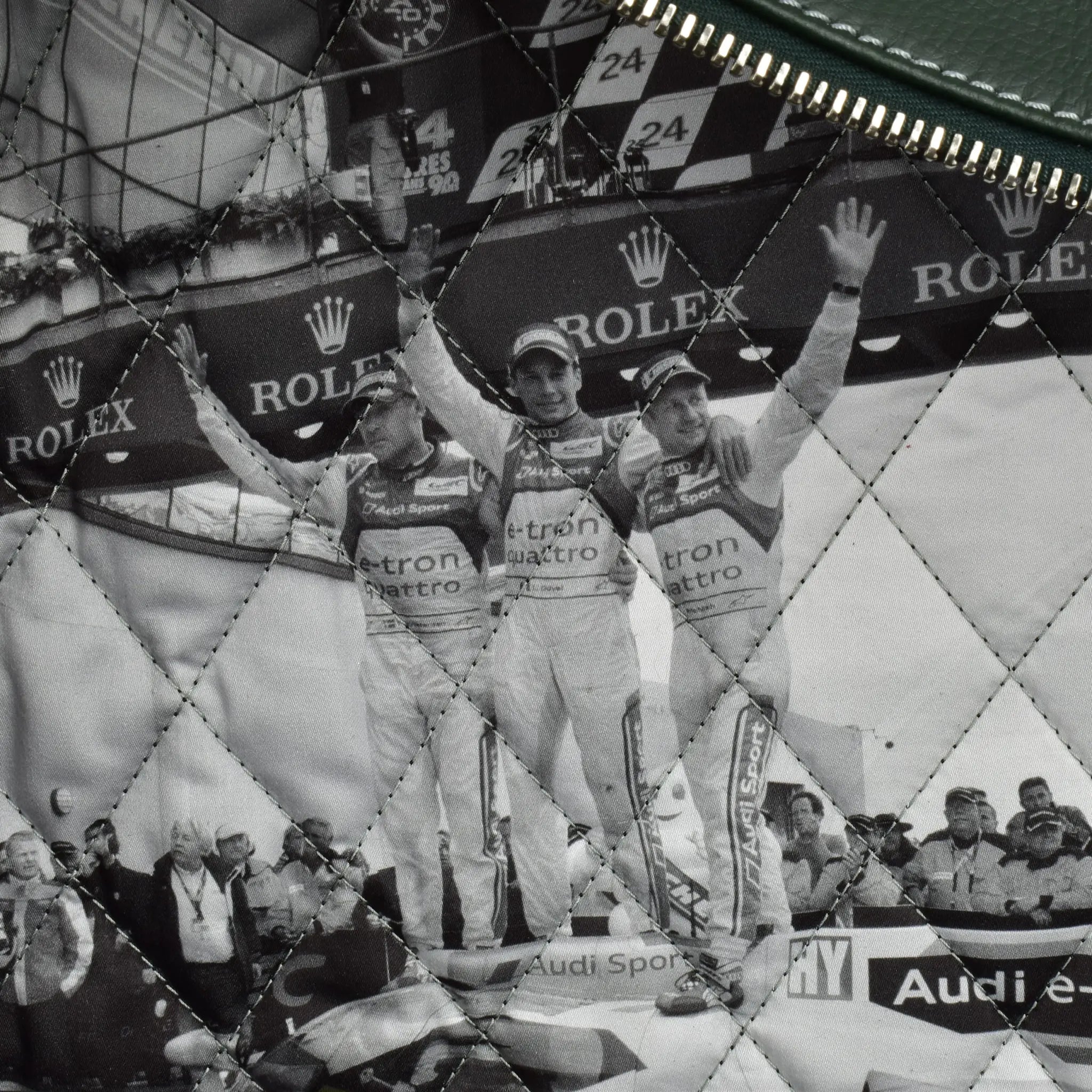

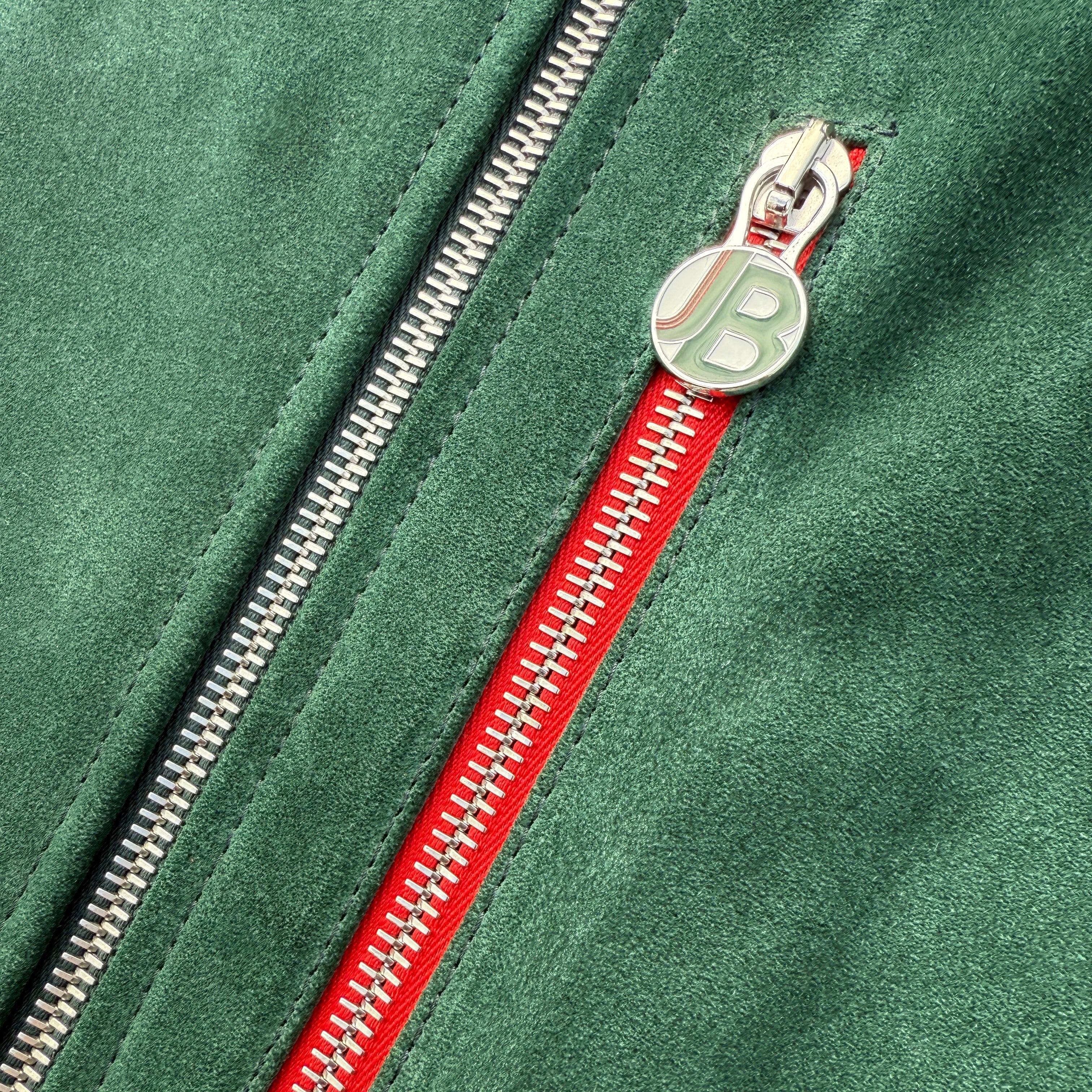

 A fine motor car is never merely specified. It is composed: the hue of the hide, the stitch line across the dash, the quiet glint of a buckle, the particular feeling of opening its door. This guide to commissioning car matched luggage considers how to carry that same sense of authorship beyond the garage, with pieces designed not simply to resemble a vehicle, but to belong to it.
The most successful commissions are not exercises in copying. They translate the character of a car into luggage that is practical, enduring and unmistakably personal. Whether the car in question is a grand tourer built for continental miles, a heritage racing machine or a modern performance icon, the details deserve the same discernment given to its original configuration.
Begin with the car's character
The registration plate, exterior paint and cabin trim are useful starting points, but they are not the whole brief. Consider what the car represents in your life. A V12 grand tourer may call for a pair of refined holdalls and a garment carrier for a long weekend away. A track-focused Porsche or McLaren may be better served by a helmet bag, race day kit bag and compact tech case that can move easily between paddock, pit lane and hotel.
Think, too, about the era and temperament of the car. The restrained palette of an early British sports car can be echoed in tobacco leather, contrast piping and discreet debossing. A contemporary supercar may invite a sharper treatment: dark technical cloth, perforated leather, Alcantara-style lining or a more assertive accent colour. The aim is coherence, not costume. A luggage set should feel at home beside the car even when it is carried through an airport or placed in the hall of a country house.
A good commissioner will ask for photographs of the exterior, cabin and, where relevant, the boot. Original build specifications, trim samples and images taken in natural light are particularly valuable. Paint and leather behave differently under showroom lighting, daylight and the warm illumination of a garage, so the more reference available, the more assured the final balance.
Decide what the luggage must do
Car-matched luggage earns its place through use. Before choosing hides and hardware, establish the journeys it will make. Is the set for two nights in the Cotswolds, a week on the Riviera, regular race meetings, or flights where one piece must work as hand luggage? The answer determines proportion, opening style, internal organisation and the number of pieces required.
A single, generously sized holdall offers flexibility and presence, but two smaller bags can be easier to place around wheel arches or beneath a sloping rear screen. Garment carriers protect tailoring beautifully on a driving weekend, while a dedicated shoe compartment keeps polished footwear apart from clothing. For race days, a structured helmet bag with protective padding and a separate compartment for gloves, balaclava and communications equipment is often more useful than a conventional weekend bag.
Boot fit should be treated as a design consideration rather than an afterthought. Measure the usable opening as well as the internal space. A bag can fit within the luggage compartment yet prove frustrating if its rigid base cannot pass through the aperture. Note hinges, raised lips, charging cables, emergency kits and any areas that must remain accessible. For a commissioned set, those constraints can inform bag height, corner shaping, handle placement and the choice between soft-sided and semi-structured construction.
Select materials with intention
Leather is central to the experience, but matching does not always mean using the identical hide or finish as the cabin. Automotive leather is engineered for UV resistance, abrasion and long-term exposure; luggage leather must drape, age gracefully and withstand the demands of travel. A skilled maker will instead identify a hide with a compatible grain, tone and hand-feel.
Full-grain Tuscan leather gives a holdall depth and a patina that improves with miles. Saffiano-style or finely grained leather provides greater scratch resistance for frequently handled cases. Suede and Alcantara-style linings bring a tactile connection to the interior of the car, although pale linings demand a little more care and darker colours are generally more forgiving on regular journeys.
Hardware should follow the same logic. Polished nickel can reflect brightwork or classic instruments; brushed metal may better suit contemporary cabin controls. Brass has warmth and heritage, while blackened fittings lend a more technical, motorsport-led character. YKK Excella zips are an appropriate choice where a precise, smooth-running metal zip is wanted, particularly on a piece intended for frequent use.
There are sensible trade-offs. A very pale leather can look exceptional against a cream interior, but is less suited to being placed on wet tarmac or in an aircraft hold. Carbon-fibre detailing may speak directly to a track car, yet too much can make a travel piece feel overly literal. The right commission has enough visual connection to be recognised by its owner, without relying on novelty.
Build the palette beyond paint and trim
A considered palette usually has three layers: the principal leather, a secondary colour and a restrained accent. The principal leather might reflect the cabin. The secondary tone can take its cue from carpeting, hood fabric, seatbelts or a period-correct interior detail. The accent is where piping, stitchwork, zip tape or an internal pocket can introduce a flash of contrast.
This approach is particularly effective when the car's exterior and interior are dramatically different. A deep green grand tourer with tan upholstery, for example, need not result in a fully green bag. Tan leather can form the foundation, with green piping and a lining inspired by the exterior paint. The result is more refined and more versatile than a direct one-colour interpretation.
Request physical swatches before final approval whenever possible. Digital screens cannot reliably convey grain, sheen or undertone. Place samples inside the car, near the seats and in the boot, then view them in daylight. This small stage of the process prevents a commission from becoming too warm, too cool or too close in colour without truly harmonising.
Personal details that reward a closer look
The most compelling bespoke luggage reveals its story gradually. A hand-painted edge in a signature cabin colour, contrast stitching that recalls a steering wheel, or a lining developed from a racing livery can say more than a large external logo. Initials, a family crest, race number or discreet chassis reference may also be incorporated, provided they remain proportionate to the piece.
For collectors, interior details often offer the greatest freedom. An embossed map of a favoured route, a subtle chequered pattern inside a document pocket, or a leather label carrying the name of a significant event can make the commission deeply personal without compromising its elegance in public. Jordan Bespoke approaches these decisions as a dialogue between the owner, the car and the life the luggage is made to accompany.
Personalisation should also serve function. Different coloured lining panels can distinguish one partner's bag from another. An engraved luggage tag can make identification easier in a hotel lobby. A dedicated key sleeve, watch pouch or document pocket may be more meaningful in daily use than an elaborate decorative motif.
The commissioning process, from brief to handover
A proper commission benefits from patience. The early conversation should establish the vehicle, the intended use, preferred dimensions, material direction and desired personal references. From there, the maker can develop a proposal around silhouettes, swatches, hardware and construction details. This is the moment to challenge assumptions. If a requested leather is impractical for the intended use, or a bag will not make the most of the boot space, a specialist should say so.
Once materials and specifications are approved, hand-made Italian production brings the design to life through cutting, stitching, edge finishing, lining and final assembly. Expect small variations in natural leather grain. They are not flaws but evidence that the material has character, and they give a bespoke set a presence that synthetic uniformity cannot replicate.
Before delivery, consider how the luggage will be stored and cared for. Keep it away from prolonged direct sunlight, allow damp leather to dry naturally and use dust bags when pieces are not in service. Avoid overloading a holdall simply because it can be closed. Fine leather and expertly made handles are durable, but a bag retains its shape best when treated with the same mechanical sympathy one would give a cherished motor car.
The finest car-matched luggage does more than fill a boot neatly. It makes the moment before departure feel considered: a reminder that the journey, the machine and the objects chosen to travel with it can all carry the same unmistakable signature.