

A helmet is never just another piece of kit. It carries the marks of early starts, pit-lane briefings and memorable laps, while its fit and condition can directly affect comfort and concentration behind the wheel. Knowing how to choose a helmet bag means looking beyond a convenient place to put it between sessions. The right bag protects a precision-made safety essential, travels handsomely from garage to circuit, and feels appropriate beside the rest of your race day equipment.
For the discerning driver, a helmet bag should earn its place in the paddock. It must guard against avoidable damage, accommodate the particularities of modern motorsport helmets, and reflect the same considered choices made when specifying a car or commissioning a piece of luggage.
Start with the helmet, not the bag
The first consideration is simple: measure the helmet you actually use. Motorsport helmets vary significantly in outer-shell profile, particularly once a peak, radio hardware, hydration connections or a frontal head-and-neck restraint post are involved. A bag designed around a compact road helmet may be uncomfortably tight around a full-face FIA-approved model.
Look for a shape that gives the helmet room without allowing it to move freely. Too little space can put pressure on visors, vents and communication fittings. Too much can allow the helmet to shift during transport, especially when the bag is placed in a boot alongside heavier equipment. The ideal fit is accommodating rather than loose.
If you use a HANS device, intercom, spare visor or balaclava on every outing, decide whether these should travel in the same bag. There is a clear trade-off here. A single, generously sized bag keeps race day kit together, but a dedicated helmet compartment offers better protection and prevents hard accessories from rubbing against the shell. Many drivers prefer a helmet bag for the lid itself, with a larger kit bag for everything else.
Allow for the details that make your helmet yours
A helmet’s vulnerable points are often its most personal additions. A fitted communications system, a painted finish, a tinted visor or a hand-applied graphic deserves particular care. Before choosing a bag, check that the opening is wide enough to load the helmet naturally. Forcing it past a narrow zip line is an unglamorous way to scratch a visor or catch a microphone boom.
Consider, too, how you will use it at the circuit. A full-length zip that opens widely makes it easier to retrieve a helmet in a busy garage. A carefully positioned grab handle lets you carry it without turning the bag upside down. These are modest details, yet they matter when the day is moving quickly.
Choose protection that respects the finish
The best helmet bags do not rely on padding alone. Protection begins with the materials touching the helmet. A soft, non-abrasive lining should sit against the shell and visor, keeping dust, grit and incidental contact at bay. This is especially valuable for matte finishes and bespoke paintwork, where a careless surface can show immediately in direct light.
A lightly structured exterior helps prevent knocks from reaching the helmet during a journey. It need not be hard-sided, but it should hold its form when lifted and provide a degree of cushioning against the realities of a crowded paddock or the back of a grand tourer. Dense foam, carefully layered fabric and a reinforced base can all contribute to this without making the bag cumbersome.
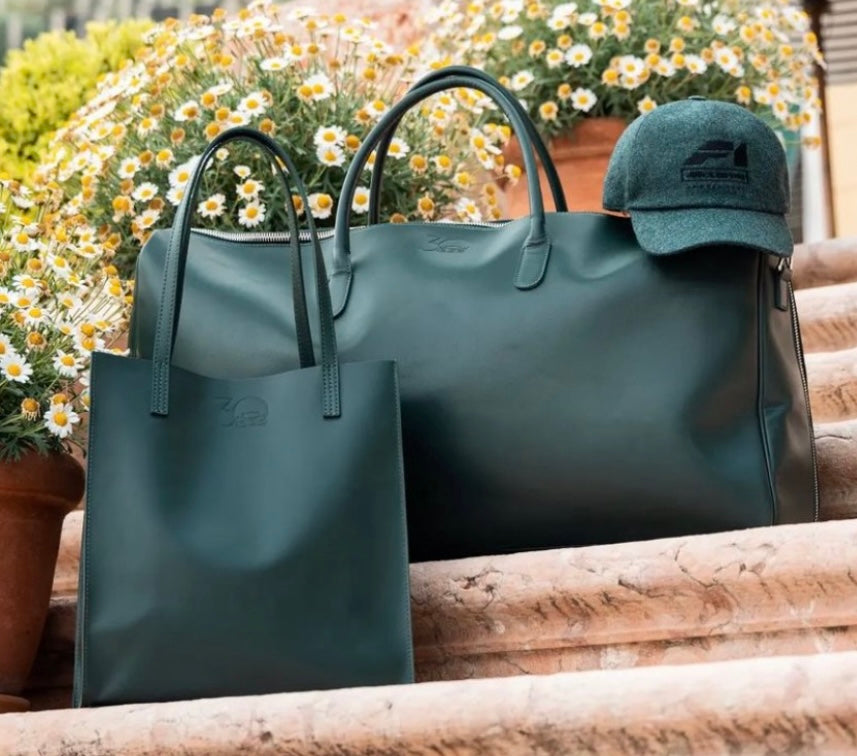
Leather brings a different quality to the equation. Properly selected and skilfully worked, it offers a naturally durable exterior that develops character with use. It also gives the bag enough substance to feel protective rather than disposable. For a piece intended to accompany a prized helmet for years, the tactility and ageing of fine leather are part of the appeal.
That said, leather should be used with intelligence. A helmet bag is exposed to wet paddocks, dusty garages and occasional contact with fuel-scented race kit. Choose a design with a resilient base and an interior that can be aired and gently cleaned. The finest luggage is made for life, not for being kept out of sight.
How to choose a helmet bag for travel
Race day is only one part of the ownership experience. If your helmet travels between home, workshop, circuit and hotel, the bag must work beyond the garage.
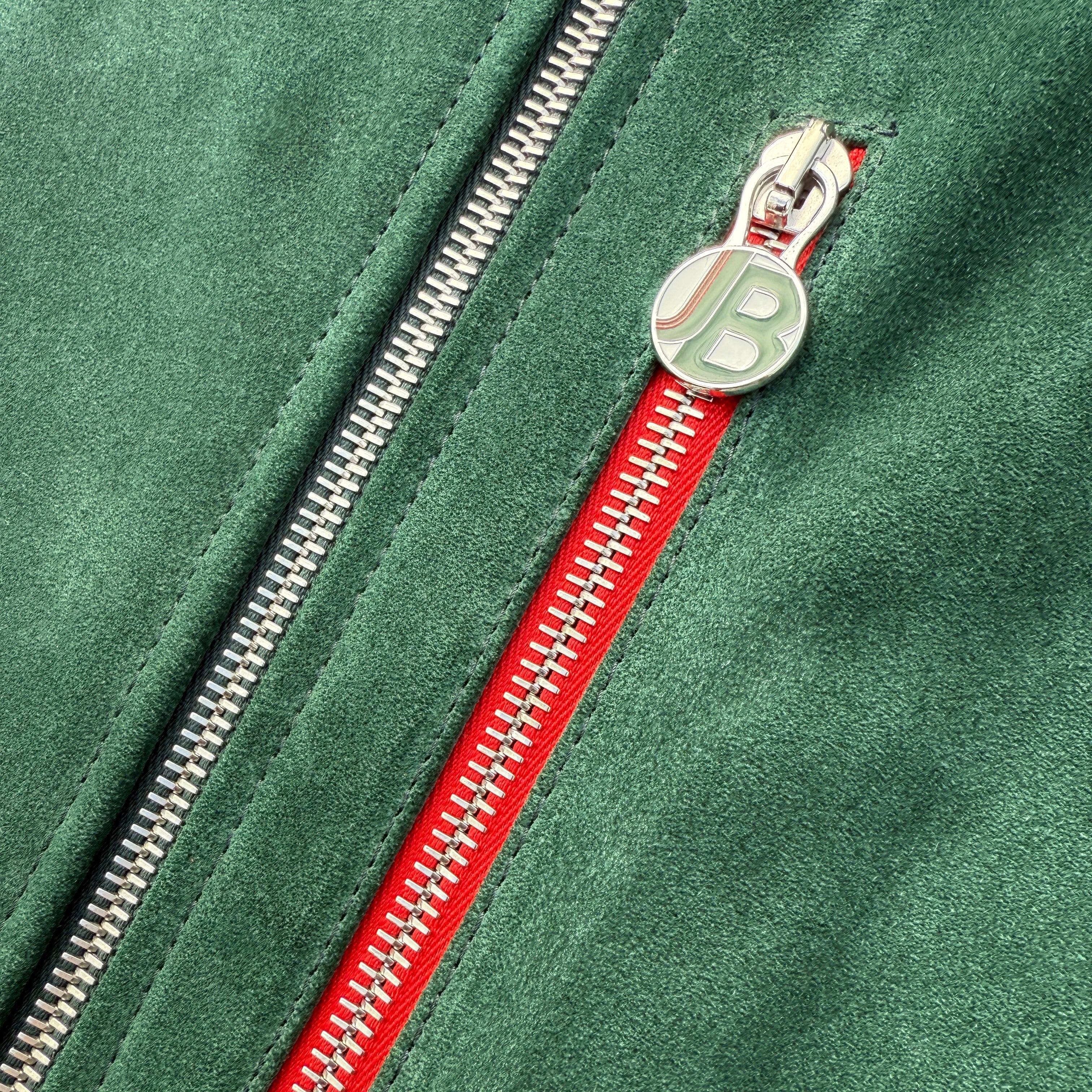
A secure zip is central. Smooth, substantial hardware such as YKK Excella zips gives confidence because it is less likely to snag around a soft lining or fail after repeated use. The zip pull should be easy to grasp with cold hands, but discreet enough to preserve the bag’s clean silhouette. A lockable arrangement may appeal if the helmet is carried through public areas, although it should never be treated as a substitute for keeping valuable kit attended.
Carry options deserve the same scrutiny. A strong top handle suits short walks through the paddock; a detachable shoulder strap can be useful when you are carrying a holdall, suit carrier or documents at the same time. Check the attachment points rather than focusing only on the strap itself. Poorly finished hardware is often where an otherwise attractive bag reveals its limitations.
For air travel, it is usually wiser to keep a helmet with you where practical rather than consign it to hold luggage. A helmet bag that remains elegant and manageable as hand luggage has a genuine advantage. Avoid overbuilt designs that become awkward in terminals, and be mindful that airline size rules vary. Protection is essential, but portability still counts.
Do not overlook ventilation
After a demanding session, a helmet can retain heat and moisture. Closing it straight into a fully sealed bag may encourage unwanted odours and leave the interior feeling stale by the following morning. Subtle ventilation, breathable linings or simply the ability to open the bag fully between uses makes a meaningful difference.
This is a case where a little practicality protects the luxury experience. Fine materials should age with patina, not neglect. Allowing the bag and helmet to air after use is as worthwhile as cleaning the visor before the next event.
Match the bag to your wider race day kit
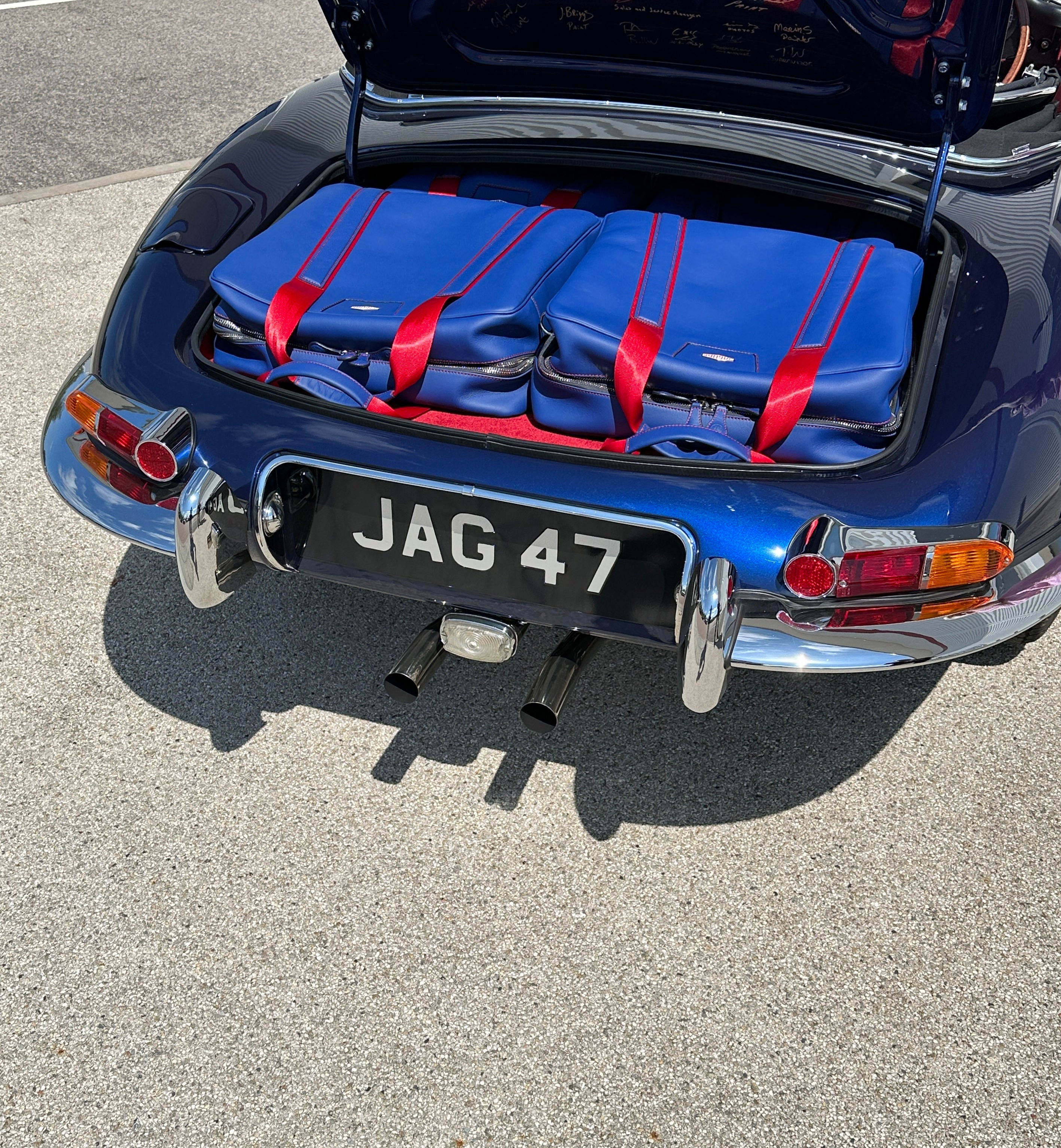
A helmet bag should belong to its owner’s world. For some, that means an understated black leather piece with tonal stitching, chosen to sit quietly in the boot of a Bentley or Aston Martin. For others, it may mean a bold lining drawn from a historic racing colour, contrast piping that echoes a car’s interior, or initials placed with restraint on the exterior.
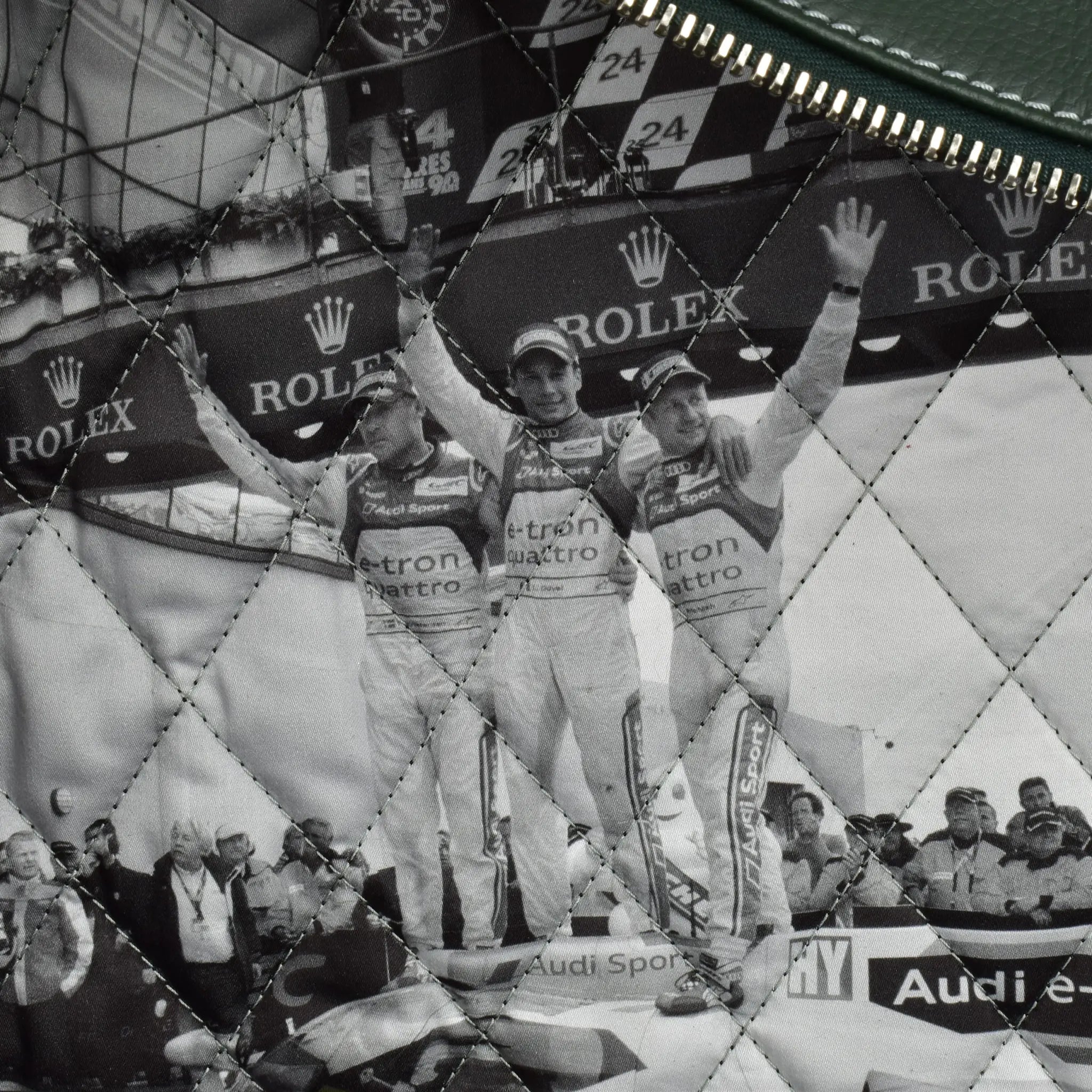
Personalisation works best when it has a reason. A lining inspired by the upholstery of a cherished car, a racing number with family meaning, or a colour combination that recalls a competition livery turns the bag into a symbol of individuality rather than an exercise in decoration. The same judgement applies to branding: a discreet maker’s mark generally carries more confidence than a crowded exterior.
At Jordan Bespoke, this connection between vehicle, driver and object is central to the commission. Tuscan leather, bespoke linings and hand-made Italian construction allow a helmet bag to feel less like an accessory and more like a considered part of the journey.
Judge craftsmanship where it will be tested
Photographs can make almost any bag appear convincing. The useful questions are more tactile. Is the stitching even and secure at the handles? Does the base have enough reinforcement to withstand being set down on concrete? Are the seams bound or finished cleanly inside? Does the zip run smoothly around the corners? These details determine whether a bag remains composed after seasons of use.
Pay close attention to the interior, where corners are often cut. Loose lining fabric can catch on visor mechanisms or conceal grit. A well-made interior sits neatly, protects every contact point and feels purposeful when the helmet is removed. Equally, the bag should retain its shape when empty. A collapsed, unstructured form offers little reassurance for something as valuable as a race helmet.
Price naturally reflects materials, construction and provenance, but the most expensive choice is not automatically the most appropriate. A driver who attends a handful of track days each year may value a beautifully made, simple bag. A frequent competitor travelling internationally may need additional structure, a shoulder strap and carefully separated storage. Choose for the life the bag will actually lead.
A final check before you commit
Place your helmet inside, close the bag and lift it as you would on a race morning. There should be no strain at the zip, no uncomfortable bulge and no sense that a visor or radio fitting is under pressure. Carry it for a few minutes and consider whether it works alongside your usual luggage.
The right helmet bag offers a quiet reassurance: your helmet is protected, your kit is composed, and the object in your hand is worthy of the machine waiting outside. Choose one with that feeling, and it will become part of the ritual long before the engine starts.