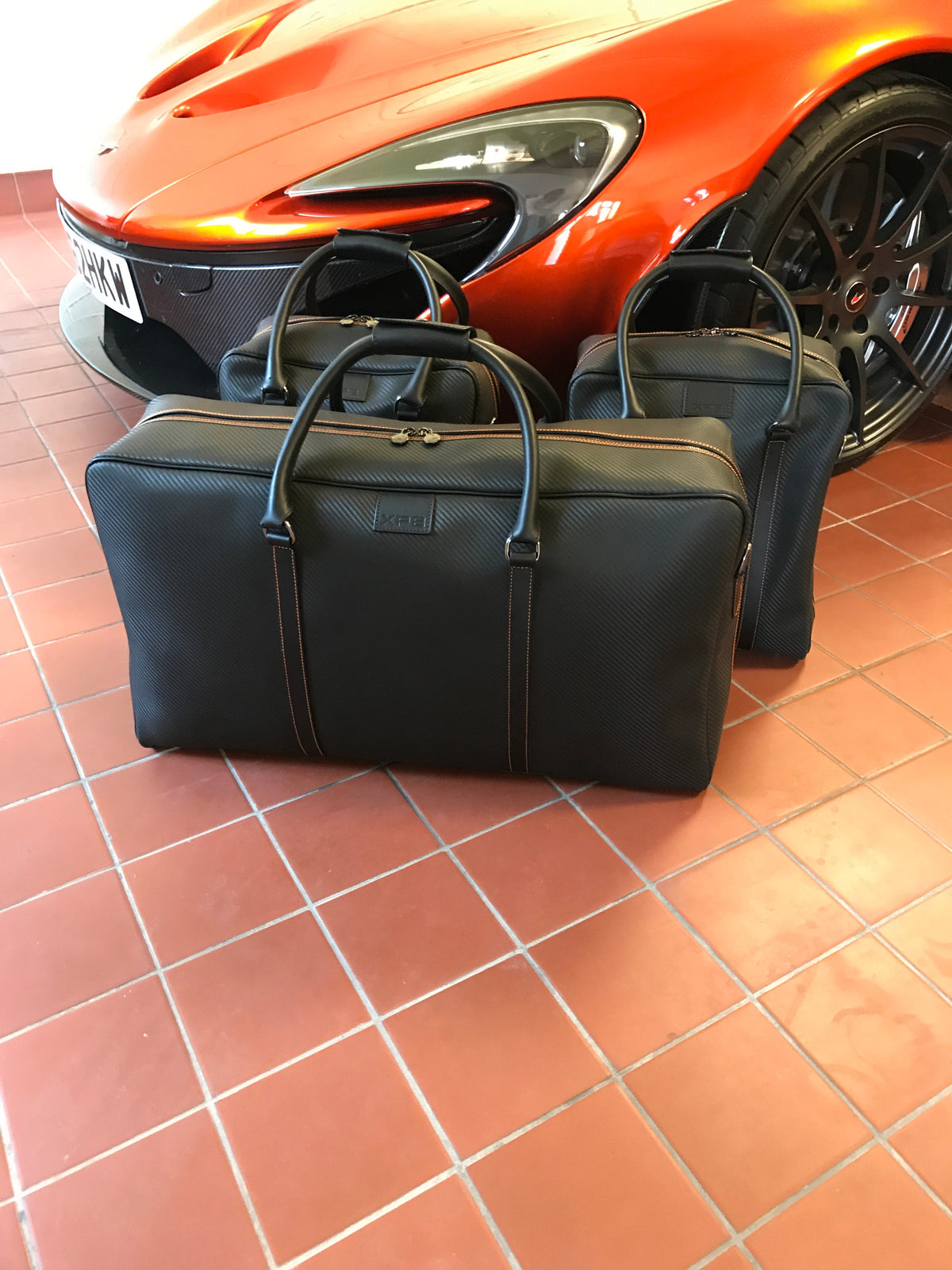


A fine leather holdall earns its marks honestly: a trace of rain from a hurried platform, a scuff from a boot compartment, the faint imprint of a memorable weekend away. Yet there is a clear distinction between a handsome patina and accumulated grime. Knowing how to clean a leather holdall properly protects the material, the structure and the quiet character that made you choose it in the first place.
The rule is simple: work slowly, use little moisture and never treat leather as though it were canvas. Premium full-grain leather is a natural material with fibres, oils and a finish that will respond to the wrong cleaner far more dramatically than most owners expect. A measured approach keeps a holdall looking purposeful rather than overly polished.
Before You Clean a Leather Holdall
Begin by identifying what you are dealing with. Smooth, semi-aniline and full-grain leathers can generally tolerate careful surface cleaning, but suede, nubuck and heavily distressed leathers require specialist methods. If the holdall has an unfamiliar finish, a vintage surface or contrasting leather panels, test any product on a concealed area first - beneath a strap keeper or inside a pocket is ideal.
Empty every compartment, then turn the lining out as far as the construction allows. Shake out dust and debris and use a soft vacuum brush on a low setting for the lining, taking particular care around seams and zip tracks. For a motorsport weekend bag, this small stage matters: grit, paddock dust and the occasional metal shaving can work their way into corners and abrade the leather from within.
Use a clean, dry microfibre cloth or a very soft horsehair brush to remove loose dust from the exterior. Brush along seams, piping, handles and the folds where the holdall opens. Do not start with conditioner. Conditioning over dirt can darken the leather unevenly and effectively seal surface soil in place.
What You Need - and What to Avoid
For most routine care, a soft microfibre cloth, lukewarm water, a pH-balanced leather cleaner and a quality leather conditioner are sufficient. Choose products made for finished leather, ideally without silicone, harsh solvents or heavy waxes. The aim is to nourish the hide without creating a shiny, artificial coating.
Avoid household sprays, washing-up liquid, saddle soap unless the manufacturer specifically recommends it, disinfectant wipes, baby wipes and alcohol-based cleaners. They may appear effective for a moment, but can strip protective finishes, pull moisture from the leather or leave residues that attract dust. Never soak a leather holdall, place it in a washing machine or accelerate drying with a radiator, hairdryer or direct sunlight.
A little product goes a long way. Luxury leather should not feel wet after cleaning. If it does, too much has been applied.
How to Clean a Leather Holdall Step by Step
Dampen, rather than wet, a microfibre cloth with clean water and wring it out thoroughly. Wipe the leather in light, even passes, beginning with the broad panels before moving to handles, corners and piping. This lifts ordinary surface dust and gives you a clearer view of any remaining marks.
Apply a small amount of leather cleaner to the cloth, not directly to the bag. Work in gentle circular movements over one small section at a time, using almost no pressure. The goal is to release grime, not to scrub the surface. Pay attention to handles, which naturally gather skin oils, and to the base, where luggage racks and car interiors can leave transfer marks.
Immediately buff away cleaner residue with a second dry, soft cloth. Continue panel by panel, taking time to ensure the finish remains even. If a mark does not lift after one or two passes, stop. Aggressive rubbing can create a pale patch or alter the grain more noticeably than the original stain.
Allow the holdall to air dry naturally in a well-ventilated room, away from direct heat. Keep its shape while it dries by lightly filling it with clean, unprinted tissue paper or a soft cotton cloth. Do not overstuff it. The objective is simply to support the sides and preserve the crisp proportions of the bag.
Conditioning After Cleaning
Once the leather is fully dry, apply a small amount of conditioner with a fresh cloth. Use thin, even layers, allowing each section to absorb before moving on. A good conditioner restores suppleness and helps the leather cope with the changes in temperature and humidity that come with regular travelling.
Conditioning is not a weekly ritual. For a holdall used frequently, two to four times a year is usually ample. A bag carried only for selected weekends or special journeys may need attention less often. Over-conditioning can soften structured leather, clog the grain and make lighter colours appear darker.
Leave the conditioner to settle according to its instructions, then give the exterior a gentle final buff. The desired result is a refined, natural lustre - never a mirror-like shine.
Treating Common Marks Without Taking Risks
A fresh water mark is often best handled with restraint. Lightly dampen the surrounding panel with a clean cloth so the moisture dries evenly across the area, then let it air dry. Treating only the centre of the mark can leave a visible tide line.
For a small grease spot, blot carefully with a dry cloth. Do not rub, add water or apply detergent. Grease can migrate deeper into leather with pressure. A specialist leather cleaner may help with a minor recent mark, but older or substantial oil stains are best left to a professional leather-care service.
Ink, dye transfer from denim, wine and unknown spills require particular caution. It is tempting to act decisively, especially on pale leather, but improvised remedies often cause permanent damage. Do not use nail-varnish remover, vinegar or alcohol. Photograph the stain, note what caused it if known, and seek specialist advice before attempting removal.
Scuffs are different. Many are simply compressed fibres or surface transfer rather than lost colour. Gentle cleaning and a light condition may reduce their appearance. If there is genuine colour loss, a professional repair is the more discerning choice. A bespoke holdall deserves repair that respects its original tone, stitching and finish rather than a quick recolouring treatment.
Care for Hardware, Lining and Zip Tracks
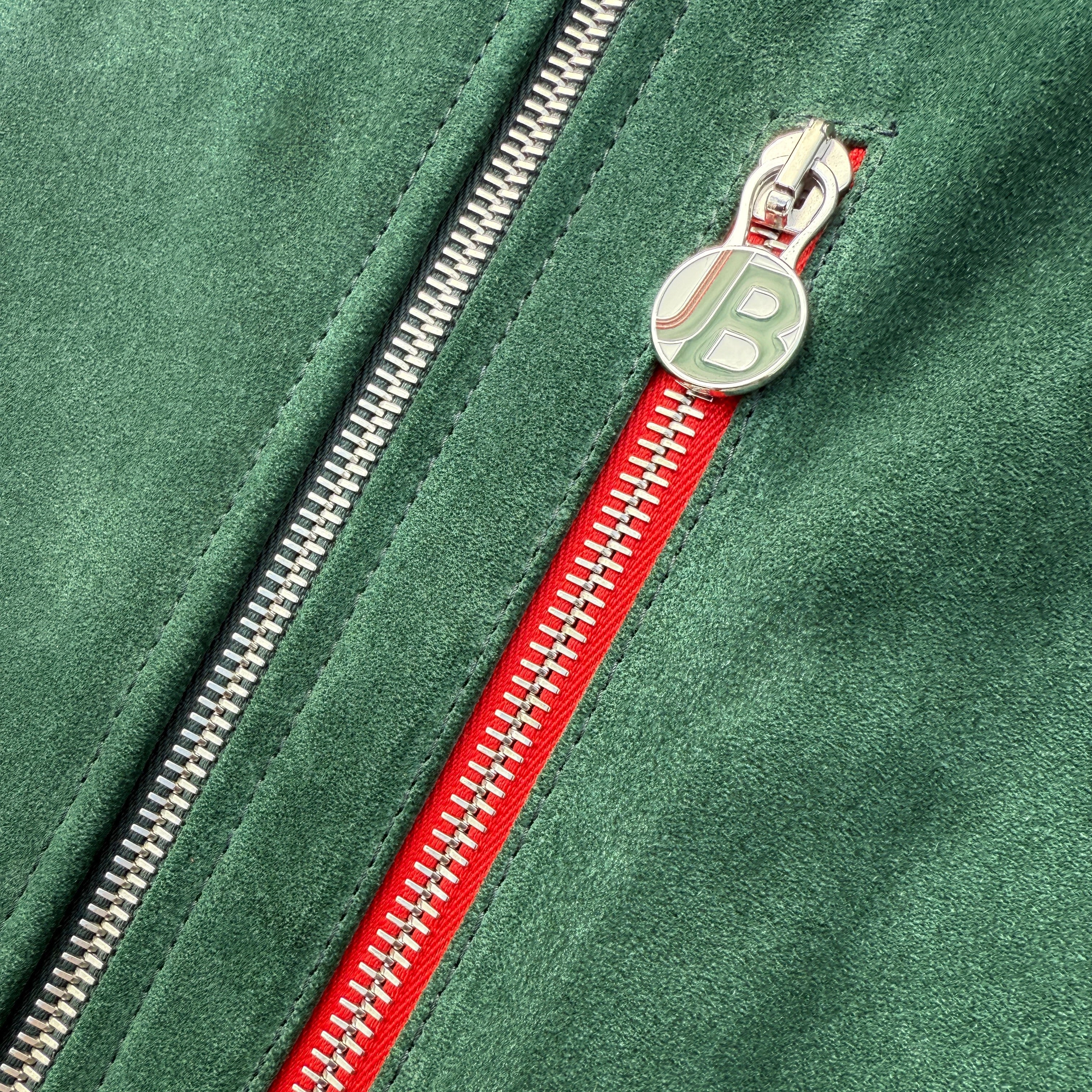
Leather is only one part of the object. Wipe metal hardware with a dry, soft cloth after cleaning the bag, taking care not to let leather cleaner collect around rivets or zip ends. YKK Excella zips and other fine hardware benefit from being kept free of dust, but avoid lubricants unless the zip manufacturer recommends a specific product.
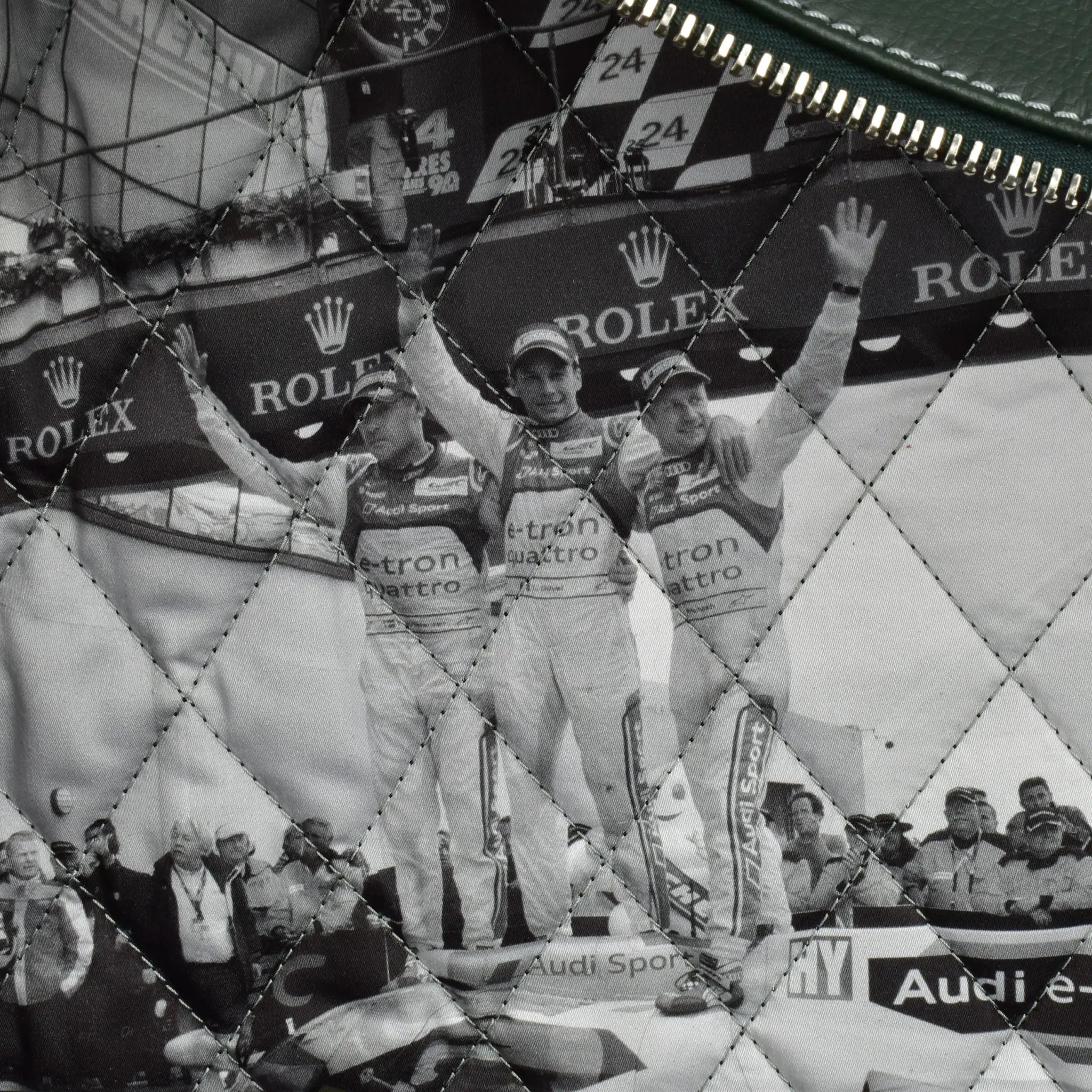
For a fabric lining, deal with isolated marks using a barely damp cloth and a mild fabric cleaner tested in an unseen area. Keep moisture away from the leather edge binding. If the lining is heavily soiled, professional cleaning is wiser than saturating the interior and risking distortion, odour or staining through to the outer hide.
Storage Is Part of Leather Care
A holdall is best stored empty, shaped with acid-free tissue or clean cotton, and placed in its dust bag. Keep it in a cool, dry room with normal airflow. Avoid plastic storage boxes and sealed bags, which can trap humidity and encourage mildew, as well as lofts, garages and car boots where temperature swings are severe.
Do not hang a loaded holdall from its handles for long periods. The weight can stretch attachment points and alter the silhouette. If you have a carefully structured piece, store it on a broad, clean shelf with nothing pressing against its sides.
For Jordan Bespoke pieces crafted in Italian leather, thoughtful care is an extension of ownership. The materials are selected to develop character over years of use, not to remain frozen in showroom condition. A few signs of the road are part of the story; neglect need not be.
The most considered leather care is rarely dramatic. Clean lightly after demanding journeys, condition only when the leather asks for it, and allow time for professional help when a stain lies beyond ordinary maintenance. Your holdall will retain not only its finish, but the confidence and individuality with which it was made.