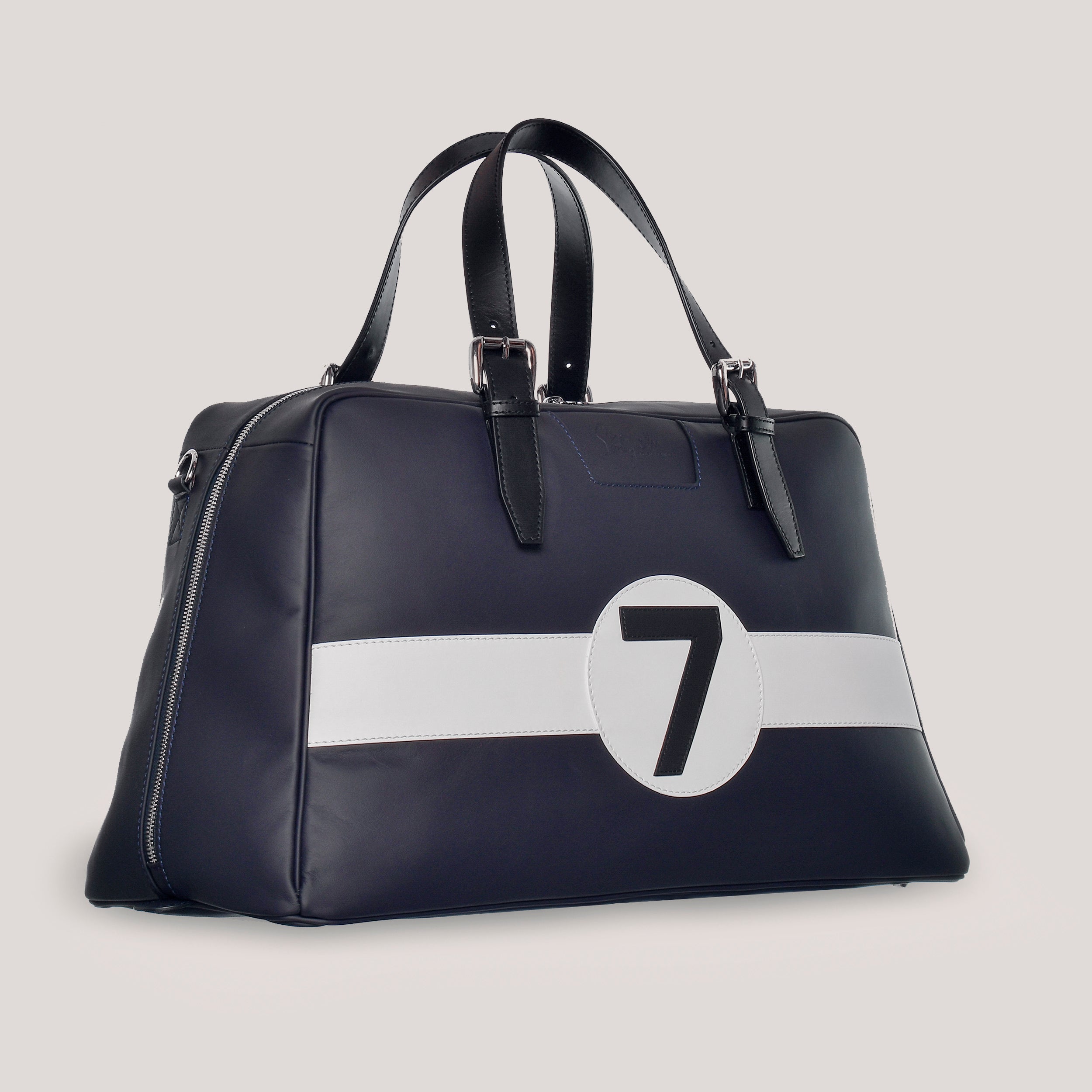


A well-considered luggage set should feel as though it belonged with the car from the moment its boot was opened. It is not simply a matter of matching leather to paintwork. To understand how to design car matched luggage is to consider proportion, tactility, function and the personal story held within the vehicle itself.
For the discerning driver, luggage can become an extension of a cherished grand tourer, a race-prepared weekend car or a family heirloom kept for Sunday mornings. The finest examples do not shout for attention. They carry the same quiet confidence as a hand-trimmed cabin: every decision is deliberate, and every detail earns its place.
How to design car matched luggage from the car outward
Begin with the car's character, rather than one isolated colour. A classic Aston Martin calls for a different visual language to a track-focused Porsche or a contemporary Bentley. Consider the vehicle's era, its intended use and the atmosphere created by its interior. Is it an elegant continental tourer, a car for concours lawns, or something built for early starts at the circuit?
The exterior paint is an obvious reference point, but it need not dictate the entire design. A luggage set in precisely the same shade can be striking, yet it may feel overly literal in use. Often, the more assured choice is to take the cabin as the primary cue: the warmth of saddle leather, the depth of oxblood hide, the restrained contrast of charcoal Alcantara or the fine stitch line on the seats.
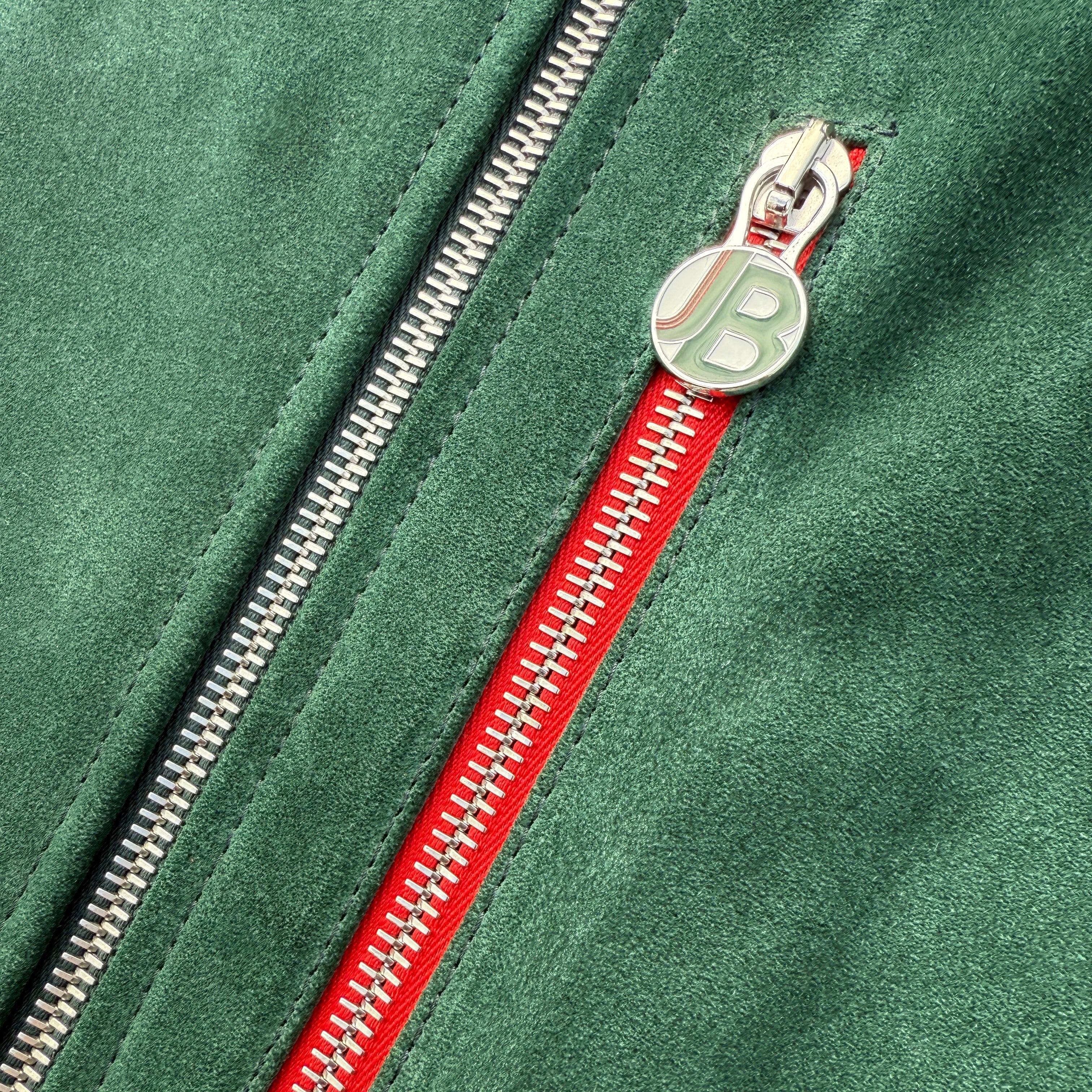
A limited colour palette brings discipline. Select a principal leather, a complementary lining and one accent colour for elements such as piping, stitchwork, zip pulls or hand-painted edges. This gives the pieces a relationship with the car without turning every bag into a replica of its interior.
Translate colour with restraint
Matching is not always exact. Paint, leather, cloth and suede each absorb light differently, so an identical colour specification can look surprisingly different across materials. A deep British Racing Green, for example, may be richer and more forgiving in semi-aniline leather than in a glossy automotive finish. Rather than chasing a laboratory-perfect match, aim for visual harmony in natural daylight.
Contrast is where individuality often emerges. A cream leather cabin may be complemented by tobacco luggage with ivory stitchwork, while a black interior can be lifted with a lining in the car's exterior hue. Racing heritage offers another useful route: a subtle flash of Rosso Corsa, Gulf blue, Guards Red or a historic team stripe can sit inside a bag, beneath a zip guard or along a discreet luggage tag.
The guiding principle is proportion. If the car already has dramatic upholstery, carbon fibre and brightwork, luggage should provide composure. If the cabin is understated, a stronger lining or bolder contrast stitch can introduce a more personal note. Bespoke design is not about adding every available option. It is about knowing which details deserve to remain.
Choose materials that belong together
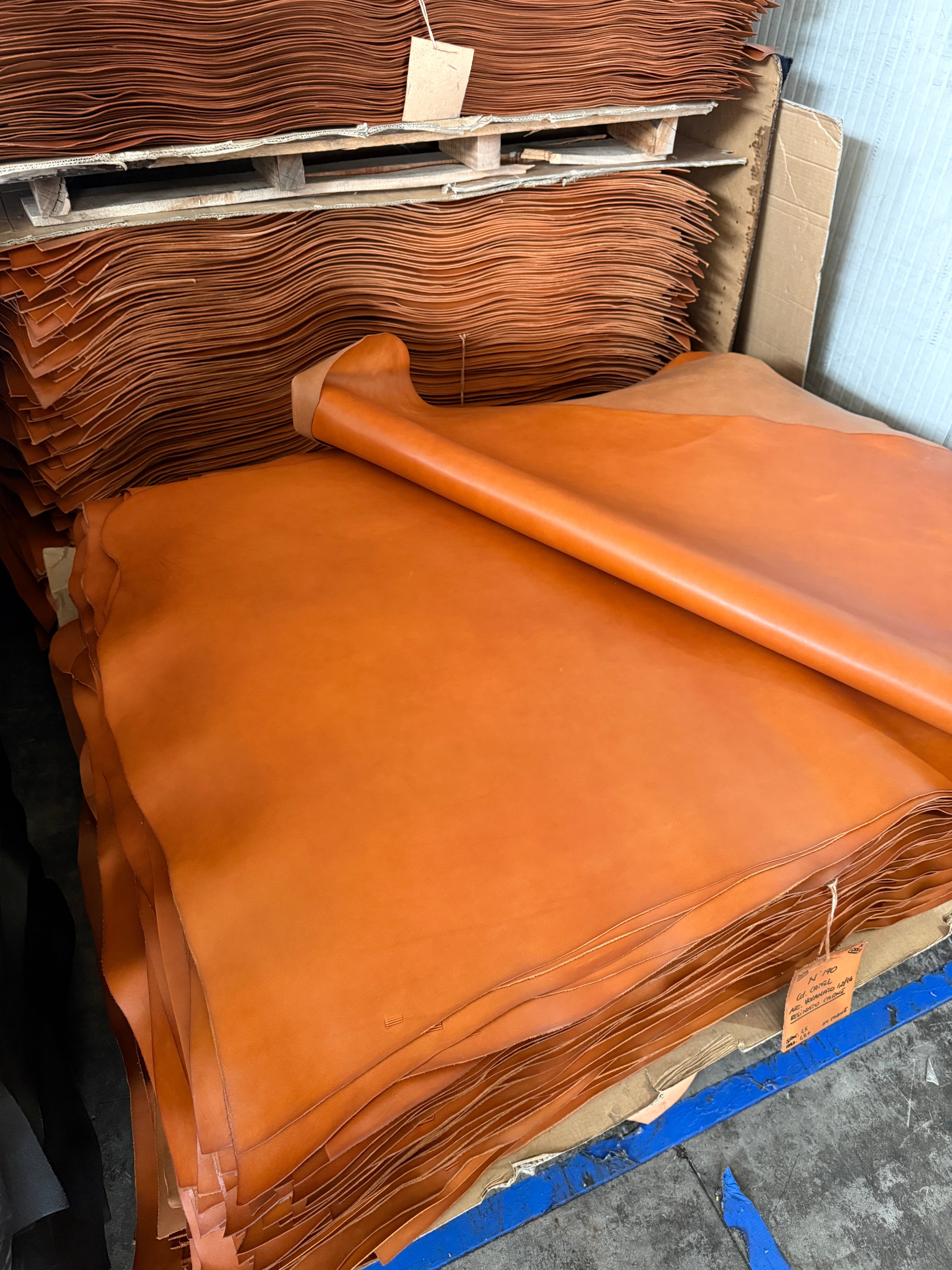
The material must feel credible beside the vehicle. Full-grain Tuscan leather offers a natural choice for many luxury interiors because it develops character through use, much like a well-kept driver's seat. Its grain, weight and ability to take a hand-finished edge lend it an authority that synthetic substitutes cannot replicate.
However, material selection depends on the journey. Supple calfskin has an elegant drape for holdalls and garment carriers, but a more structured hide may be preferable for a briefcase or a case that will be frequently packed into a narrow boot. Suede and Alcantara-style linings create a refined connection to performance cabins, while technical woven textiles can be appropriate for helmet bags and race day kit where weight, durability and easy handling matter more.
Hardware should have the same conviction. Polished nickel suits traditional brightwork; antique brass can complement older cars with warmer interior details; dark gunmetal works particularly well with contemporary performance models. YKK Excella zips, neatly finished zip pulls and solid metal feet are not decorative afterthoughts. They are the points a client touches most often, and the places where quality is immediately felt.
Design for the boot, not just the photograph
The most beautiful luggage is of limited value if it wastes the space it was created to occupy. Before finalising the design, measure the usable boot aperture as well as the boot floor. The opening can be far more restrictive than the volume inside, particularly in sports cars with shallow or curved access.
Think in a set, rather than as a single oversized holdall. Two soft-sided weekend bags may fill a grand tourer's boot more elegantly than one rigid case, while slim garment carriers can sit above them without crushing a jacket. For a smaller performance car, a pair of shaped bags designed around the wheel arches or rear bulkhead can make previously awkward space genuinely useful.
This is also where the owner's habits matter. A driver who regularly travels for two nights requires a different arrangement from a couple attending concours events, or a racing enthusiast carrying gloves, shoes, overalls and a helmet. A practical collection may include a holdall, a garment carrier and a compact document or tech case, each with a defined role and a shared design language.
Do not overlook handles, straps and bases. Handles should be comfortable enough for a hotel arrival yet low-profile enough to avoid catching against boot trim. Detachable shoulder straps are useful for airports and paddocks, but should not compromise the clean silhouette when removed. Protective feet and a reinforced base preserve the leather when luggage is set down beside the car or on a workshop floor.
Make the interior personal
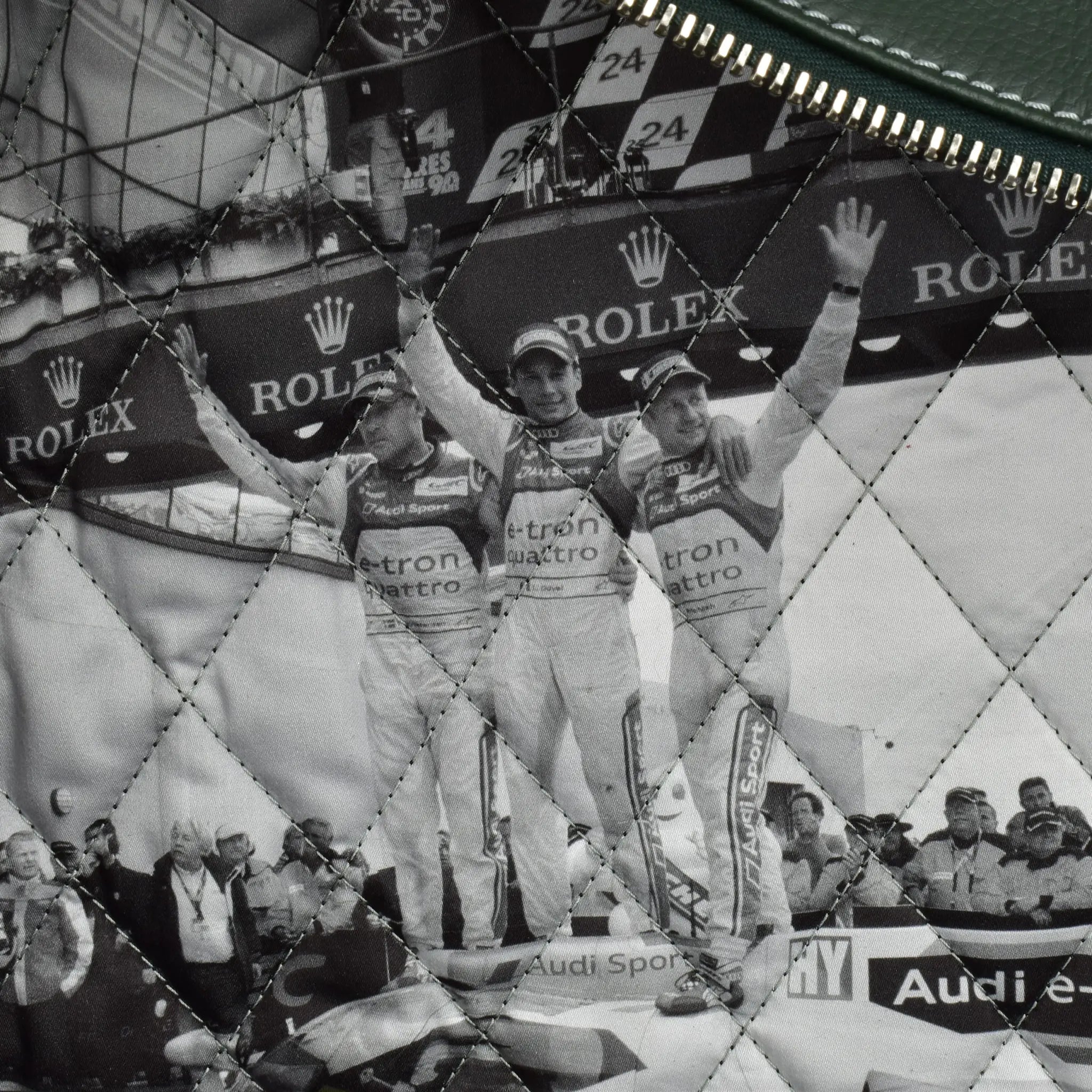
The lining is the private side of a commission, and it can carry the most intimate reference to the owner or vehicle. A carefully selected colour may echo a seat insert, hood lining or racing stripe. A more personal option might be a bespoke printed textile drawn from a number plate, a track map, a family tartan or a significant motorsport livery.
Monograms, embossed initials and discreet dates add meaning when applied with care. The chassis number, registration, a race number or the name of a much-loved car can be included inside a pocket or stamped beneath a flap. Such details should reward the owner rather than compete with the exterior of the piece.
Function deserves the same attention. Interior pockets should accommodate passports, charging cables, watches and travel documents without becoming an over-engineered collection of compartments. A helmet bag benefits from a soft protective lining and a wide opening. A garment carrier needs sufficient length and structure to protect tailoring. Luxury is often most convincing when it removes a small irritation from a familiar journey.
Let craftsmanship carry the connection
Car matched luggage should never feel like merchandise. Its connection to a vehicle comes from intelligent interpretation, not the casual application of a badge. Hand-cut panels, carefully aligned stitching, painted edges and Italian-made construction all contribute to an object that can stand on its own merits, even away from the car.
At Jordan Bespoke, this approach treats each commission much like a personal vehicle specification. The client selects the character and references; the maker resolves them into materials, proportions and finishing details that will age gracefully. It is a process that respects both automotive design and the traditions of fine leatherwork.
The most successful set will also allow for patina. Leather gains small marks, a softened handle and a deeper tone over years of use. That is not a failure of perfection. It is evidence of weekends away, early-morning drives, race meetings and the journeys that made the car worth owning in the first place.
When choosing the final details, place the proposed bags beside the vehicle if possible, in daylight and with the boot open. Step back, then handle them. If the colours sit naturally, the hardware feels right and the luggage makes you want to plan the next drive, the design has found its proper destination.