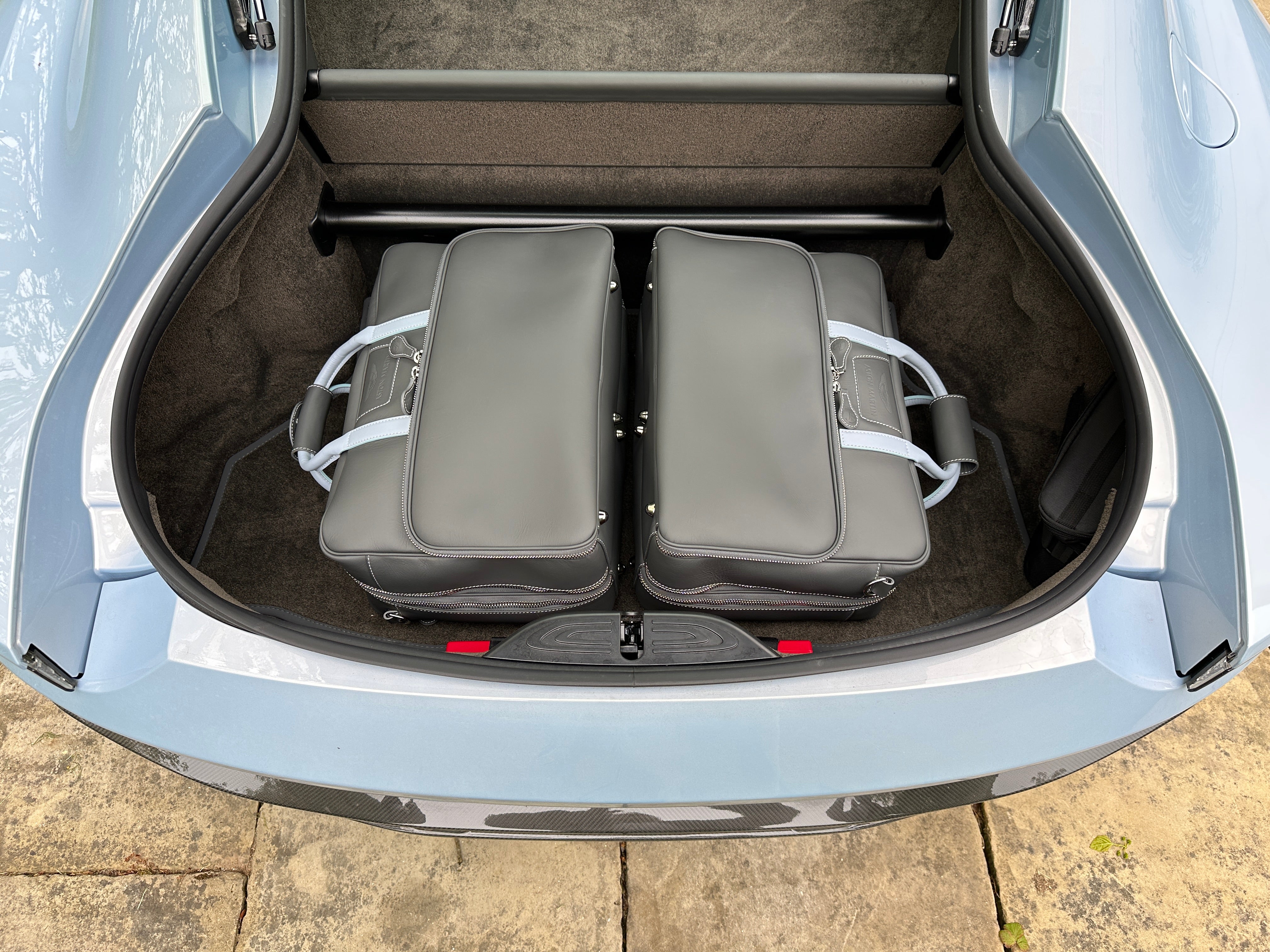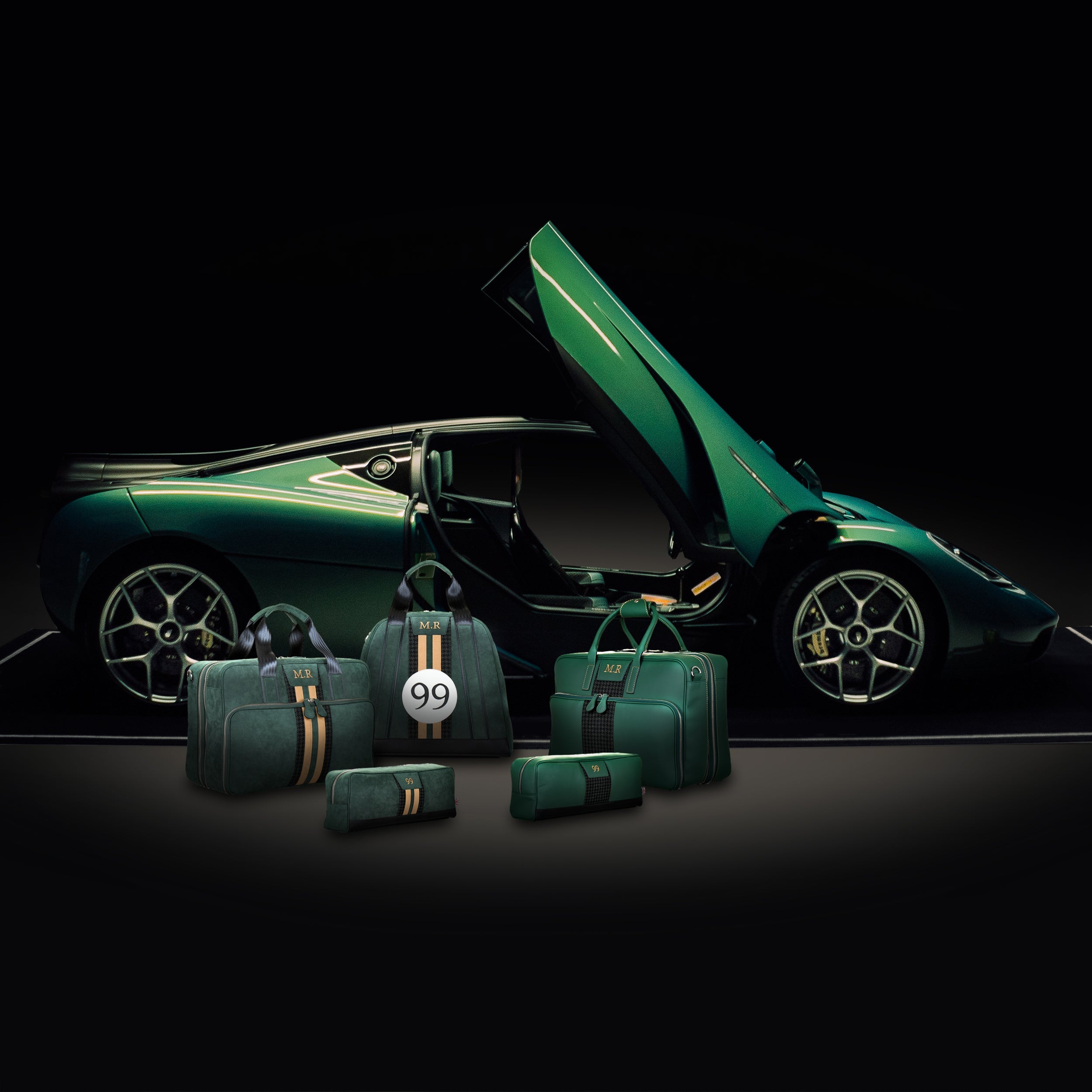


A leather holdall should feel as considered as the motor car beside it. The first touch tells part of the story: the warmth of the hide, the supple resistance beneath the hand, the way light moves across its surface. Yet what makes Italian leather premium is not simply its country of origin. It is the meeting of exceptional raw material, patient tanning, exacting finishing and the trained judgement of makers who understand how leather will wear over decades.
For luggage built for grand touring, race weekends and demanding travel, that distinction matters. A fine leather piece should not merely arrive beautifully presented. It should gain character with every journey, carry its hardware with confidence and become distinctly its owner's over time.
What Makes Italian Leather Premium?
Italy has earned its reputation through generations of specialist knowledge concentrated in regions such as Tuscany and Veneto. There, tanneries and leather workshops have developed close relationships with one another, often refining the same processes over many decades. The result is a culture of material fluency: people who can assess a hide at a glance, identify the right tanning method for its intended use, and finish it without disguising its natural qualities.
This heritage does not mean every hide labelled Italian is automatically exceptional. Italy produces leather across a wide range of price points and specifications, just as Britain produces everything from hand-built sports cars to ordinary commuter vehicles. Premium Italian leather is defined by provenance, selection and process, not a label alone.
For a discerning owner, the difference reveals itself in subtleties. The grain has a natural, even character rather than a heavily stamped uniformity. The colour has depth rather than a flat, painted appearance. Edges can be finished cleanly, panels can be cut with precision, and the leather has the strength to remain composed when a bag is properly loaded.
The Hide Is Where Quality Begins
The best leather begins with the quality of the animal hide. A premium tannery selects hides for consistency, substance and minimal visible scarring, while recognising that small natural variations are part of genuine leather's appeal. Grain, pores and discreet marks give a material life. They should not be confused with the random blemishes, weak areas or excessive correction associated with lower-grade hides.
Full-grain leather retains the uppermost layer of the hide, including its original grain. This is generally the most desirable starting point for luxury luggage because it is strong, breathable and capable of developing a rich patina. With use, the surface becomes more personal: a deepening of tone at the handles, a softer sheen across frequently handled panels, the quiet record of miles travelled.
Some premium applications use lightly corrected or fine-grain leathers for a more formal, uniform appearance. That can be the right choice for a sharply tailored briefcase or a piece requiring particular resistance to marking. The key is honesty in the material and appropriateness in the specification. A leather intended to evoke the relaxed elegance of a vintage grand tourer may benefit from visible grain and a softer hand. A helmet bag built for regular paddock use may call for a firmer hide with greater abrasion resistance.
Tanning Creates the Leather's Character
A raw hide has no place in a luxury object until it has been transformed through tanning. This process stabilises the material, preventing decay and determining much of its feel, scent, flexibility and ageing behaviour.
Vegetable tanning, traditionally achieved with natural tannins derived from bark and plants, is prized for its depth and evolution. It takes time, but rewards that patience with leather that acquires a handsome patina. It is particularly compelling for pieces designed to become more distinguished with age, from driving-inspired holdalls to small leather goods carried daily.
Chrome tanning is often misunderstood as inferior simply because it is more common. In reality, expertly chrome-tanned leather can be exceptionally refined, soft, colour-consistent and resilient. It is valuable when a design demands saturated colour, a lighter weight or reliable performance in varying conditions. Many of the finest makers use a combination of methods or carefully developed modern processes to achieve a particular result.
The premium difference lies in control. A reputable tannery manages tanning times, chemical balance, drying and moisture with exceptional care. Poorly treated leather may feel overly stiff, artificially slick or prone to cracking. Well-tanned leather feels alive. It bends without looking strained and returns to its shape with reassuring composure.
Colour Should Have Depth, Not Just Coverage
Fine Italian leather often receives colour through processes that allow tonal variation to remain visible. Aniline and semi-aniline finishes preserve much of the hide's natural character, giving the surface luminosity and depth. They are favoured by those who appreciate leather that will change gracefully rather than remain visually frozen in time.
There is a trade-off. The more natural the finish, the more readily it may show a light scratch, rain spot or trace of use. For many collectors, that is not a fault but part of ownership. Others may prefer a protected finish, especially for luggage exposed to airport handling, wet weather or regular circuit travel. Premium is not synonymous with precious. The right leather is one whose finish is suited to the life it is expected to lead.
Italian Finishing Is an Exercise in Restraint
Finishing can elevate an already excellent hide or conceal an ordinary one. Premium Italian leather is generally finished to enhance its inherent qualities, not bury them beneath thick pigment and plastic-like coatings.
The finest surfaces have balance. They may be buttery and supple, yet retain enough body to hold a bag's architecture. They may have a subtle sheen, yet never appear synthetic. Their colour should feel layered, particularly on darker tones such as racing green, oxblood, navy and tobacco, where light reveals the complexity within the dye.
This restraint also matters at the cutting table. A skilled maker positions every panel with the same attention a coachbuilder gives to grain and line. Matching grain direction, avoiding weak sections, selecting hides with comparable tone and managing stretch are practical decisions that shape the finished object. No amount of handsome hardware can compensate for leather that has been carelessly selected or cut.
Craftsmanship Determines How the Leather Performs
Leather is only as convincing as the object made from it. In luxury luggage, the relationship between hide, structure, stitching, lining and hardware must be resolved as a complete system.
A substantial holdall requires reinforcement in the right places so that it maintains its form without becoming rigid. Handles must be comfortable in the hand, properly anchored and able to develop character rather than fatigue. Corners, base panels and zip surrounds need particular consideration because they encounter the greatest strain. Fine stitching should be even and purposeful, while hand-finished edges should feel smooth, durable and precise.
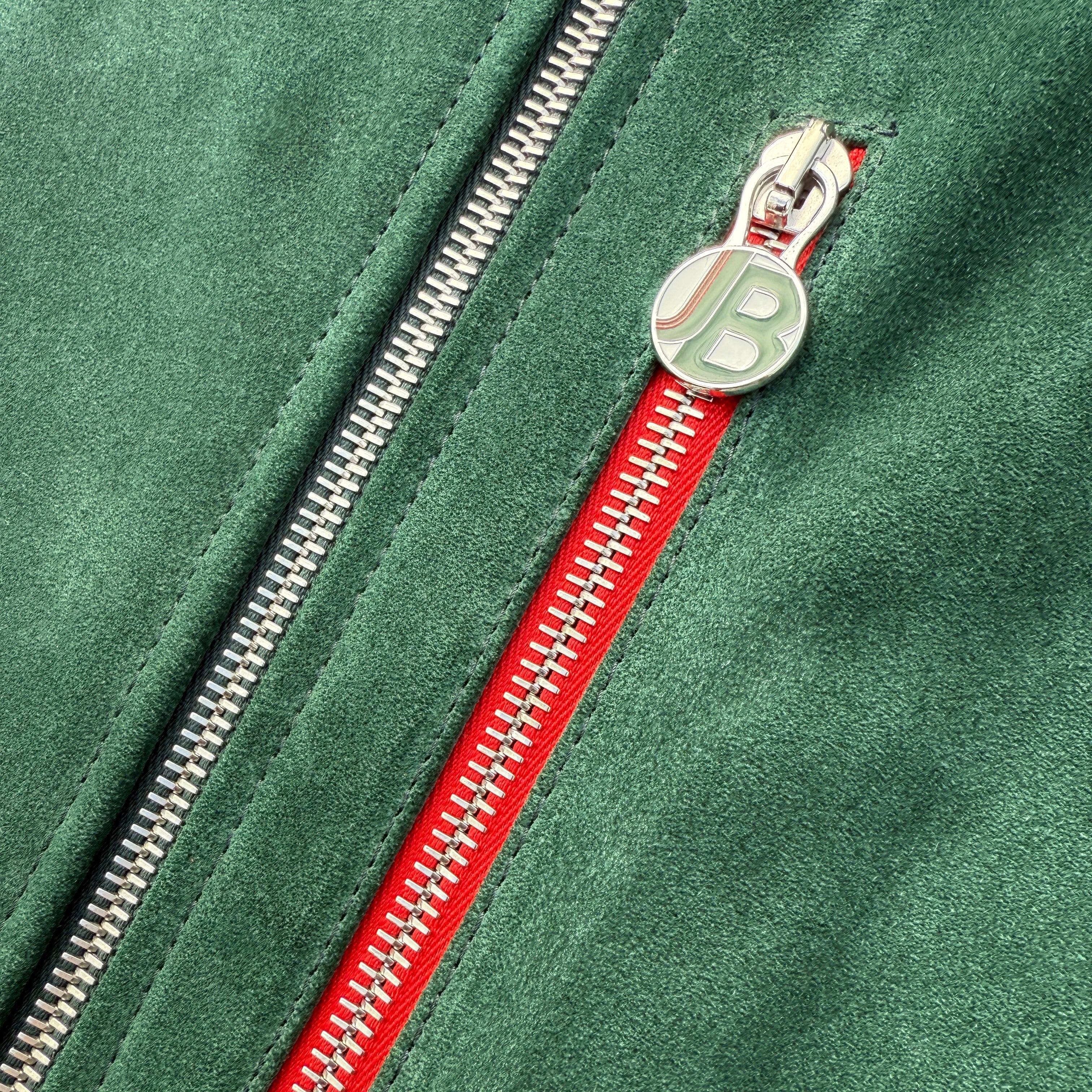
Details matter because they are often where demanding use exposes compromise. A beautifully tanned hide paired with an ordinary zip will not deliver a premium experience. Equally, a high-specification YKK Excella zip should sit within leather panels that have been reinforced and aligned to prevent unnecessary stress. This is the same discipline that separates an evocative driving machine from one that merely wears a prestigious badge.
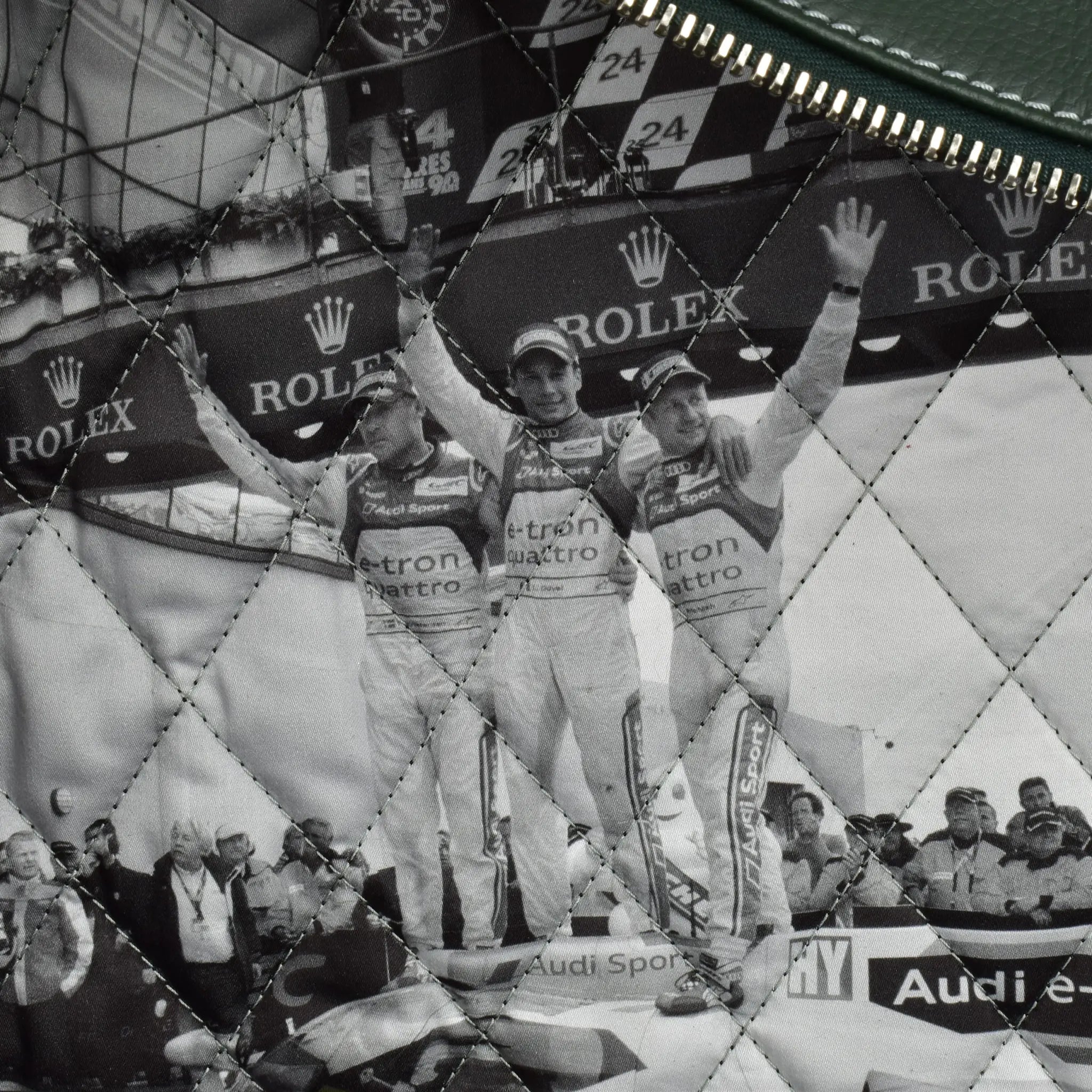
At Jordan Bespoke, Italian craftsmanship is valued not as a decorative claim, but as the foundation for objects made around an individual life. A chosen leather can echo the cabin of a cherished car, a historic racing colour or the restrained palette of a favourite tailored jacket. Bespoke lining, contrast stitching and personal details then turn material quality into a symbol of individuality.
How to Recognise Premium Leather in Person
Begin with touch. Premium leather should feel substantial but not lifeless, supple but not spongy. Gently flex an inconspicuous area: natural grain may move and reveal slight variation, whereas heavily coated leather can crease in a uniform, artificial way.
Then look closely at the edges and reverse side. Cleanly painted or hand-burnished edges, tidy stitching and a well-considered lining indicate that the maker has treated the material with respect. Examine the way the bag holds its shape when empty and imagine it loaded for a weekend away. Quality is not only a surface impression; it is the confidence that the piece will perform.
Finally, ask the right questions. Where was the leather tanned? What type of hide and finish has been used? How is it expected to wear? A serious maker should welcome that conversation, because premium leather has a story worth understanding.
Choose the leather that suits your own journeys, rather than chasing a generic idea of luxury. The finest piece is the one that carries your essentials faithfully, complements the machines and places you care about, and looks more like yours with every mile.