

The paddock has a way of exposing poor preparation. A missing HANS device, damp race boots or a charger left on the kitchen counter can disrupt a weekend that has taken months to arrange. Knowing how to pack for race weekends is therefore less about taking everything and more about building a precise, dependable system around the way you drive, travel and spend time at the circuit.
For the discerning driver, race-weekend luggage should feel as considered as the car itself. Each piece has a role, each item has a place, and nothing essential is left to chance. The reward is not merely a tidier pit garage or hotel room. It is the quiet confidence of arriving prepared, composed and ready to focus on the driving.
How to pack for race weekends with a clear system
Begin with the weekend itinerary, not the luggage. A single-day track event calls for a different approach to a three-day historic meeting, while a championship round abroad brings its own demands around travel documents, team kit and variable weather. Check the circuit timetable, paddock access arrangements, accommodation, evening commitments and expected conditions before you lay out a single garment.
Then divide your packing into four distinct groups: racewear, driving equipment, travel clothing and circuit essentials. This simple separation prevents the familiar problem of opening one overfilled holdall and finding gloves tangled with wash kit, paperwork and muddy shoes.
Keep the items you cannot drive without together in one dedicated bag. Your helmet, HANS device, race suit, gloves, boots, balaclava and any mandated communications equipment should travel as a single unit. It protects the integrity of your preparation and makes scrutineering mornings considerably calmer. A purpose-made helmet bag is especially worthwhile: it shields a painted helmet from knocks while creating room for visors, tear-offs, earplugs and a visor cloth.
Your racewear deserves the same discipline. Pack it clean, dry and in the order you will use it. If rain is forecast, include a second balaclava and gloves where regulations and preference allow. Few things undermine concentration like putting on cold, damp kit at the start of a demanding session. For multi-day events, a garment carrier keeps team apparel and evening clothing presentable without forcing it into the same space as circuit equipment.
Build the driver kit around the job at hand
The extent of your technical kit depends on your role. A driver supported by a full professional team may only need personal equipment and a few familiar essentials. Those running a private entry, a club racing car or a historic machine will need a more practical reserve.
A compact technical case can hold the small items that tend to vanish when required most: tyre-pressure gauge, gloves for refuelling or wheel changes, cable ties, tape, a torch, batteries, marker pen, notebook, spare transponder fixings and a basic multi-tool. Add a mobile phone battery pack and the correct charging leads. Modern race days run on data, timing apps, photographs and messages, and a flat mobile phone is an unnecessary handicap.
Do not let contingency planning become clutter. There is a difference between carrying a few proven spares and attempting to transport a workshop in the back of the car. Confirm what the team, preparer or circuit support will have on hand, then pack only what is genuinely yours to provide. This is particularly relevant when luggage space is shared with helmets, overnight bags and fellow competitors.
Prepare for weather without overpacking
British circuits can offer bright morning sun, a sharp crosswind and heavy rain before lunch. A lightweight waterproof outer layer, cap, sunglasses and a warm mid-layer are sensible even in summer. In colder months, a spare pair of dry socks and a more substantial jacket can make a long wait in the pit lane far more comfortable.
Choose garments that work across the paddock, hospitality and the journey home. Neutral, well-cut layers travel better than a collection of single-purpose pieces. The goal is to look appropriate in the garage and at dinner without needing a separate wardrobe for each setting.
Footwear benefits from a similar approach. Keep race boots protected and separate from wet paddock shoes. If you are likely to walk the circuit or spend hours on your feet, bring a comfortable pair with grip. A second pair is worthwhile for a wet weekend, but three or four pairs generally consume space better used for equipment.
Give documents and valuables their own place
A race weekend often involves more paperwork than expected. Competition licence, event entry confirmation, road-car documents, insurance details, hotel booking, passport and travel tickets should not be scattered between jacket pockets. Keep them in a slim document wallet or tech case that stays with you from departure to arrival.
The same applies to valuables. Watches, keys, glasses, headphones and charging equipment are easily misplaced in a busy garage. A small leather case creates a consistent home for these items and is far preferable to leaving them loose on a pit counter. For international events, add copies of important documents and check any carnet, insurance or customs requirements well before departure.
Choose luggage that works from driveway to paddock
The right luggage is not simply a matter of appearance, although a beautifully made piece has its place beside a special car. It must also suit the realities of motorsport: limited boot space, uneven paddock surfaces, frequent handling and the occasional wet morning.
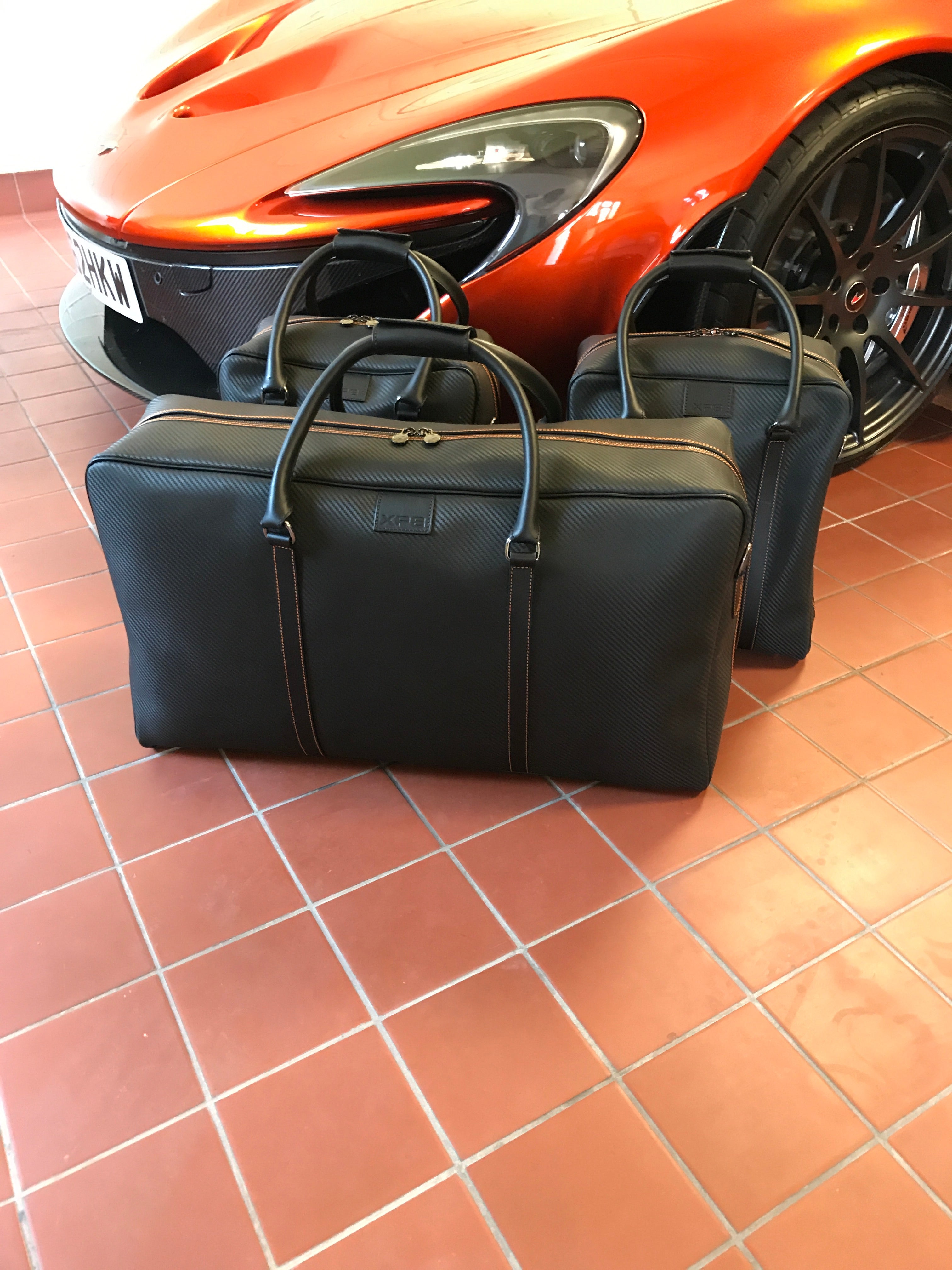
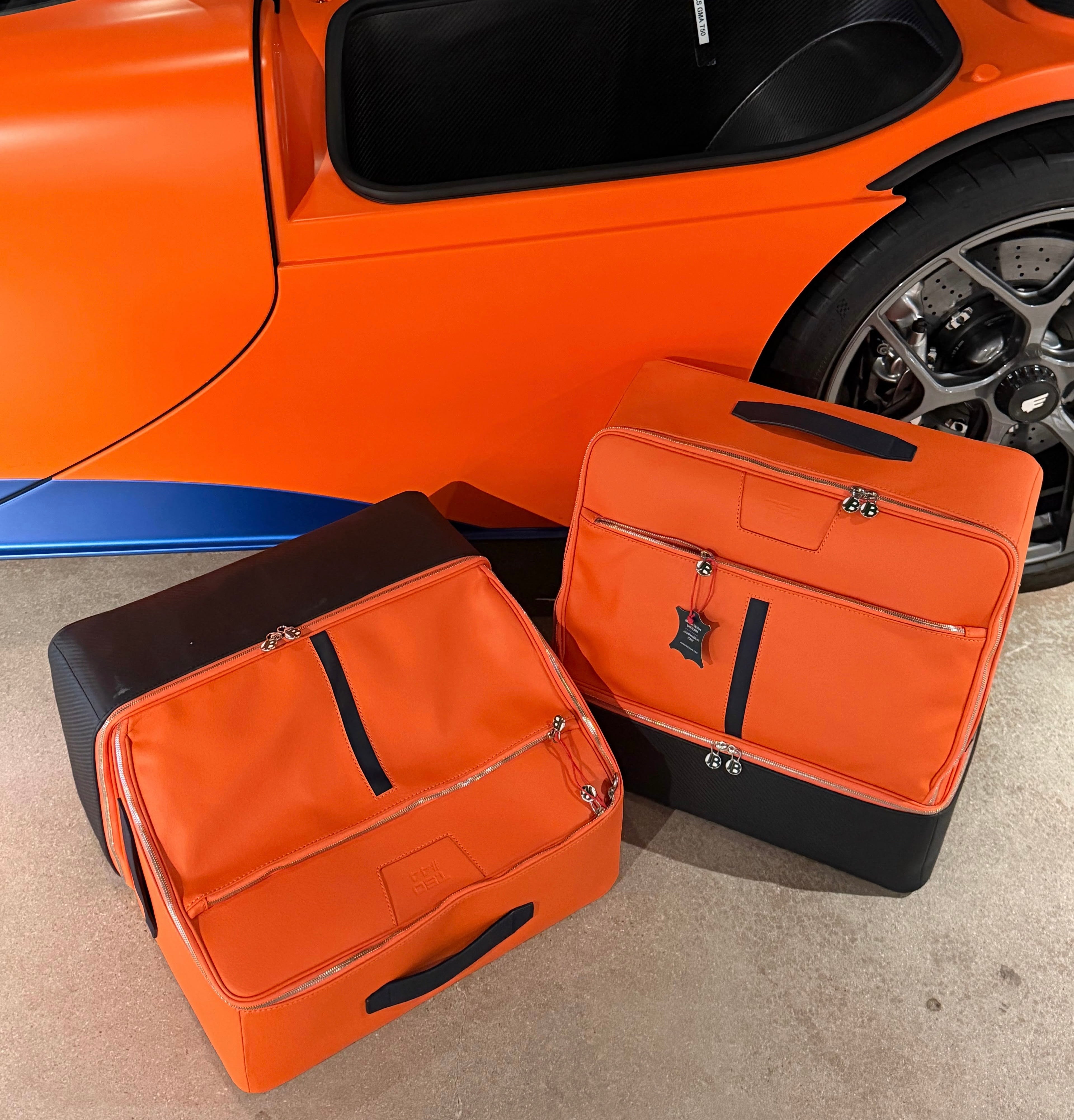
A considered combination usually works best: a dedicated helmet bag, a substantial race-day kit bag for racewear and equipment, a holdall for clothing, and a smaller case for documents and technology. This modular approach means the helmet can go directly to the garage, clothing can go to the hotel, and important items remain close at hand.
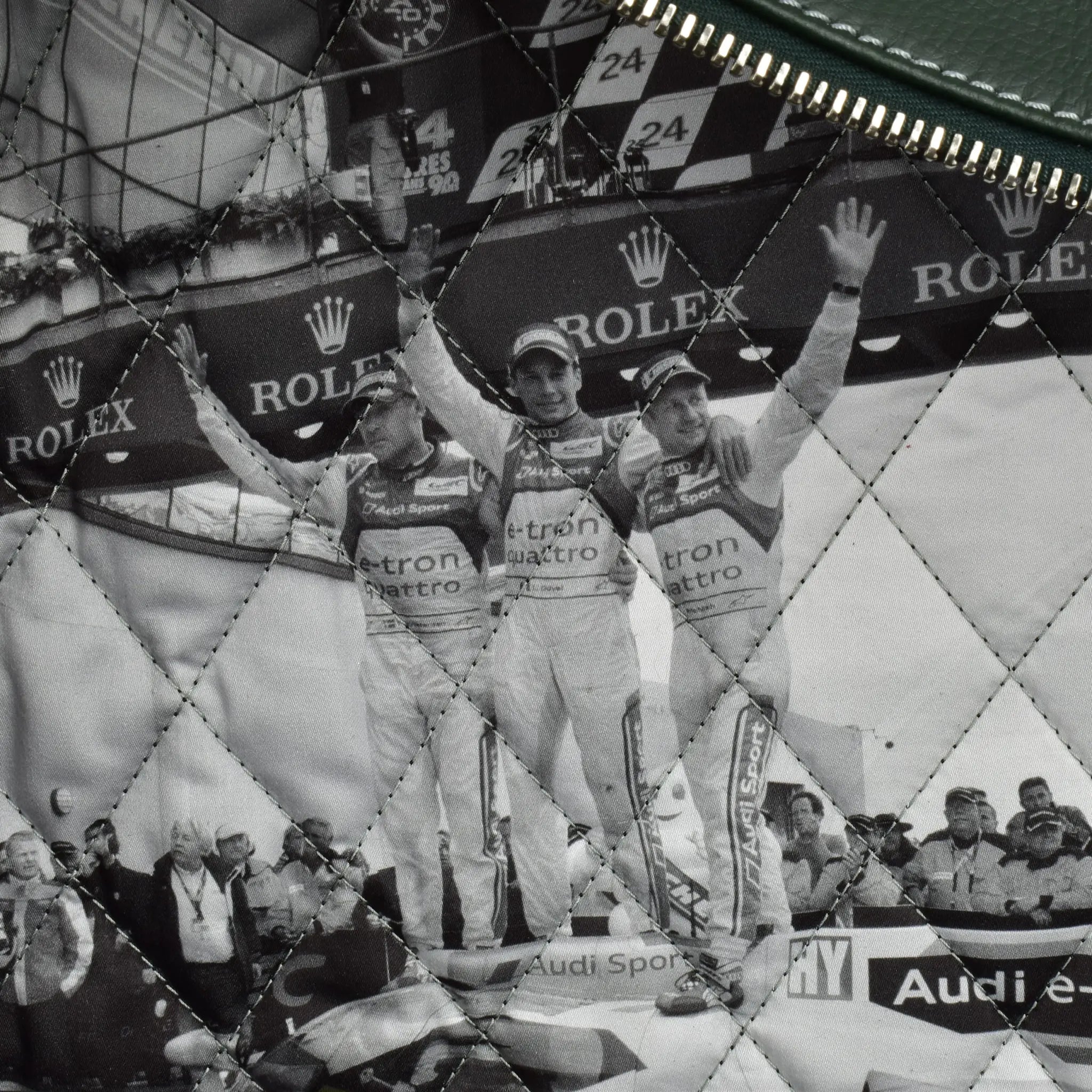
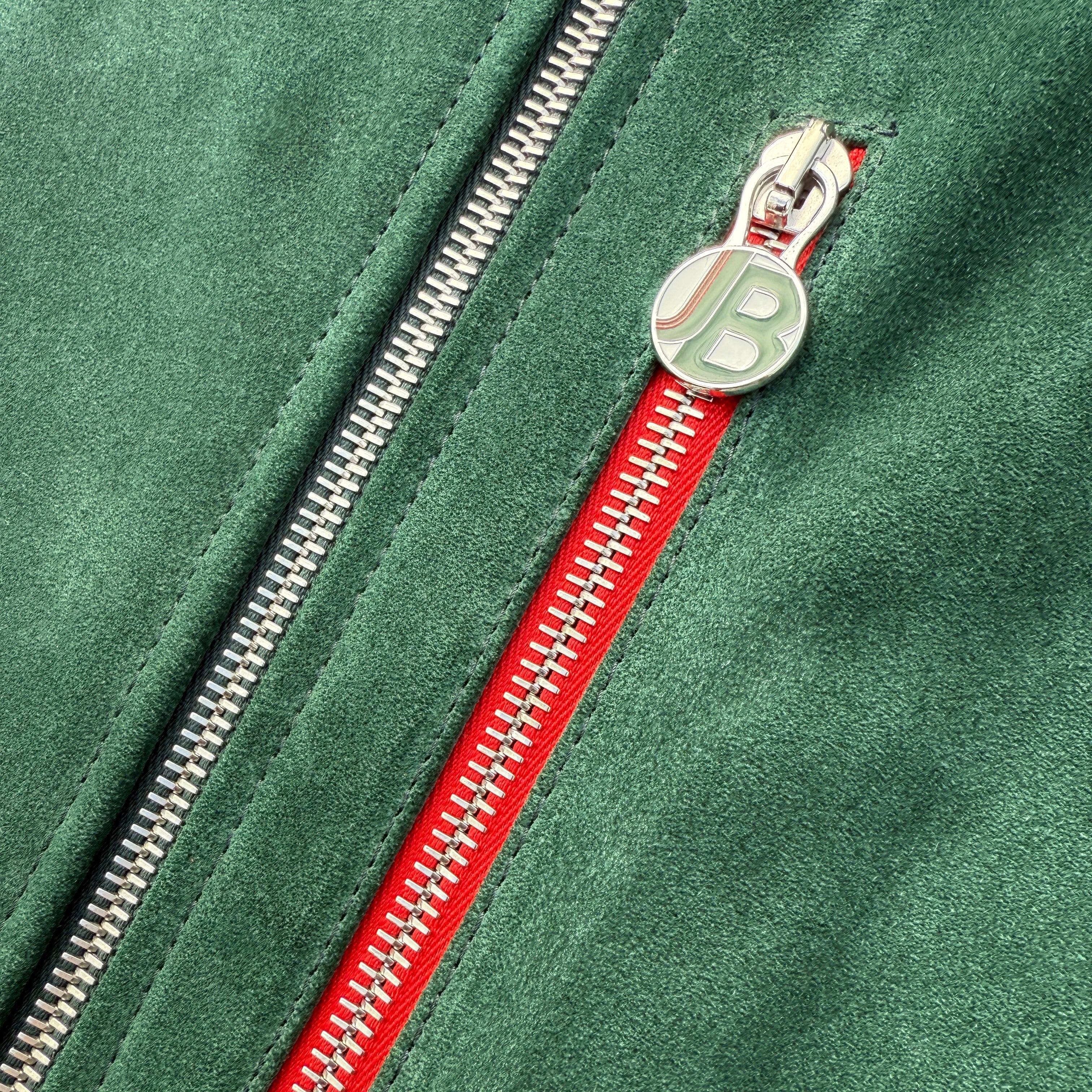
Materials matter. Fine leather brings character, durability and a sense of occasion, but should be paired with thoughtful construction: strong zips, protected bases, practical internal organisation and linings that can cope with regular use. Jordan Bespoke approaches race-weekend luggage as a personal commission, with hand-made Italian craftsmanship and details that can reflect the colours, stitching or heritage of a client’s own car.
Bespoke is particularly valuable when travelling in cars with limited luggage capacity. A bag designed around the available space, rather than forced into it, avoids crushed garments and awkward compromises. For a grand tourer, a compact holdall may be enough. For a race transporter or family weekend away, larger matching pieces may be entirely appropriate. The correct answer depends on the car, the event and how much of the operation you are personally managing.
Pack in sequence, then leave room for the return journey
Lay out every item the evening before and pack from least-needed to most-needed. Clothing and wash kit go first. Racewear follows, ideally protected from shoes and tools. Put documents, electronics, medication, keys and anything required at sign-on within immediate reach. Your helmet and HANS device should never be buried beneath luggage or left loose in the car.
Before closing each bag, run a final check against the next morning rather than the entire weekend. Ask one simple question: if the car were unloaded now, could you sign on, get changed and drive? If the answer is yes, the essentials are in the right place.
Leave a little capacity unfilled. Race weekends generate unexpected additions: a damp race suit, event programmes, a bottle of water, shared team equipment or a small trophy with a gratifyingly awkward shape. A bag packed to its absolute limit before departure gives you no margin when the day becomes less tidy than planned.
The best packing routine eventually becomes instinctive, much like a pre-session check of mirrors, harness and tyre pressures. Treat it as part of the ritual. When every item is crafted for a purpose and ready when called upon, the journey to the circuit begins with the same sense of intent as the first lap.