

The boot is smaller than it looks. That is the first truth any owner learns when planning a long weekend in a mid-engined coupé, a grand tourer or a roof-down sports car. A weekend bag for supercar owners is not simply a handsome piece of luggage scaled down for convenience. It is an object that must earn its place beside an exceptional motor car: considered in proportion, assured in material, and personal enough to feel commissioned rather than merely bought.
For the discerning driver, the journey begins well before the ignition. The right holdall carries the essentials for a night away, sits naturally within the contours of the luggage compartment, and reflects the same discernment applied to paint, trim, wheels and interior specification. It is crafted for life beyond the garage, but it should always retain a connection to the machine that makes the escape possible.
Why a weekend bag for supercar owners needs a different brief
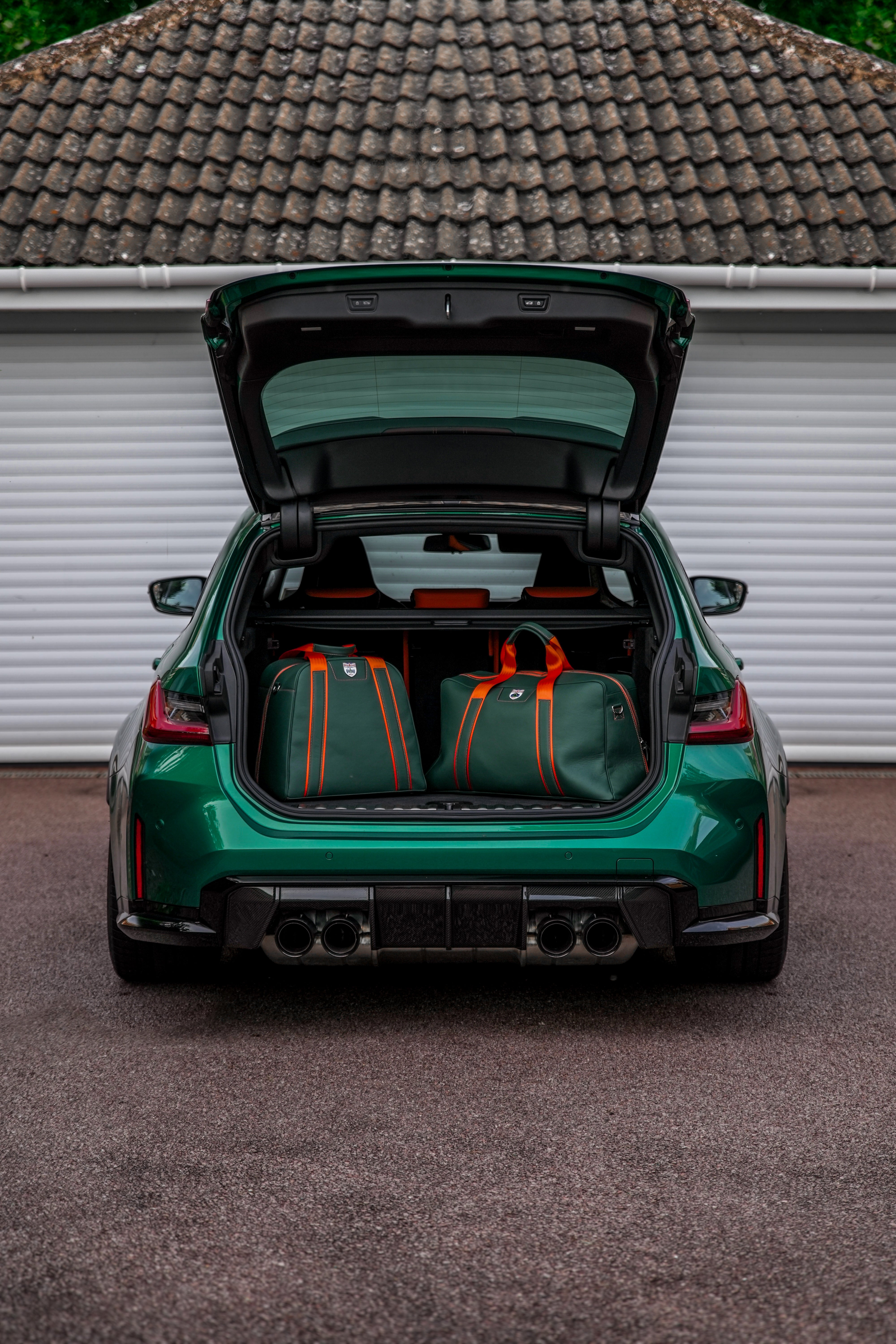
Most weekend bags are designed around a conventional boot, an overhead locker or the expectation that a second bag can follow. Supercar luggage has a more exacting role. Front boots are often shallow, rear compartments may be interrupted by braces or engine-bay architecture, and the usable opening can be narrower than the space behind it. A bag that is technically compact but awkwardly structured will quickly become an irritation.
The ideal shape depends on the car. A soft-sided holdall can make intelligent use of an irregular compartment in a Ferrari or McLaren, while a more structured case may suit the broad, useable boot of an Aston Martin or Bentley. There is no universal answer, which is precisely why measurements matter. The internal dimensions, aperture width and depth beneath any parcel shelf should be considered before choosing a bag, not after it arrives.
This need for precision does not require compromise. Soft construction need not mean shapeless construction, and a compact capacity need not feel austere. A well-designed holdall gives with the space available while preserving a clean silhouette when carried into a country hotel, private members' club or circuit paddock.
Start with the journey, not the bag
A two-night break in the Cotswolds calls for a different proposition from a drive to Le Mans Classic or a winter escape across the Highlands. The bag should be chosen according to what the journey demands, rather than an assumed idea of what weekend luggage ought to contain.
For a hotel stay, a single holdall with room for folded knitwear, a change of shoes, wash bag and outer layer is often enough. For race weekends, the equation changes. Driving shoes, a lightweight jacket, documents, charging cables, sunglasses and perhaps a helmet require more considered organisation. In those cases, a weekend holdall works best as part of a small, coherent set, accompanied by a dedicated helmet bag or compact tech case.
There is also the question of travelling as a pair. Two perfectly matched bags may look compelling in a showroom photograph, but they are only useful if the luggage space accommodates them without force. One larger holdall and one smaller companion bag can be a more elegant solution, particularly where access is limited. The point is not to maximise every litre. It is to travel with enough, beautifully arranged.
Capacity should feel deliberate
A bag that is too large invites overpacking and may dominate a compact boot. One that is too small turns a weekend away into an exercise in restraint of the wrong kind. For most two- to three-night journeys, a medium holdall offers the most persuasive balance. It should take a carefully edited wardrobe without becoming cumbersome when carried from car to reception.
Look for a wide opening and an interior that is straightforward to use. A beautifully lined central compartment, useful internal pockets and a secure space for smaller valuables are more valuable than excessive divisions. Too many compartments can make packing needlessly formal. The best luggage feels intuitive from the first use.
Materials that belong beside exceptional cars
A weekend bag should develop character, not merely survive use. Full-grain leather remains compelling because it responds to time and handling. It gains depth, softens where it should, and carries the small marks of a life well travelled with distinction. The quality lies in the selection of the hide, the cut, the feel of the handles and the confidence of the finishing.
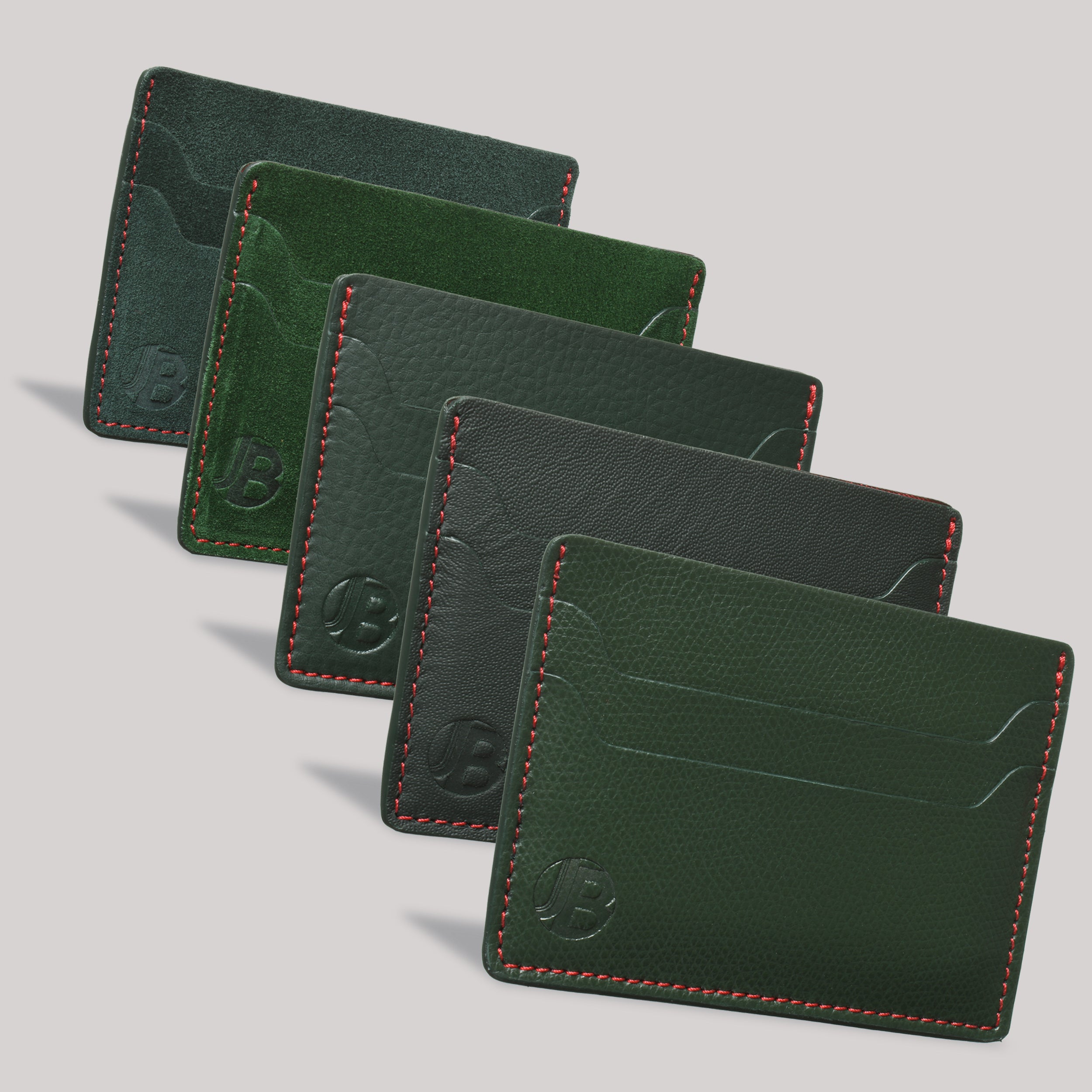
Tuscan leather offers particular appeal for automotive luggage. It can be supple enough to work with confined luggage spaces while retaining the substance expected of a luxury object. Colour also matters more than many assume. A deep racing green, oxblood, tobacco, navy or charcoal can complement a car without becoming an obvious replica of its interior. The most successful pairings are suggestive rather than literal.
For those who travel through mixed weather or attend motorsport events, technical materials have a place too. Aerospace-grade fabrics, resilient linings and carefully chosen protective panels can reduce weight and add practical reassurance. The trade-off is emotional: technical cloth is often more forgiving, but leather delivers a tactile richness that few materials can match. A considered combination of both may offer the best of each.
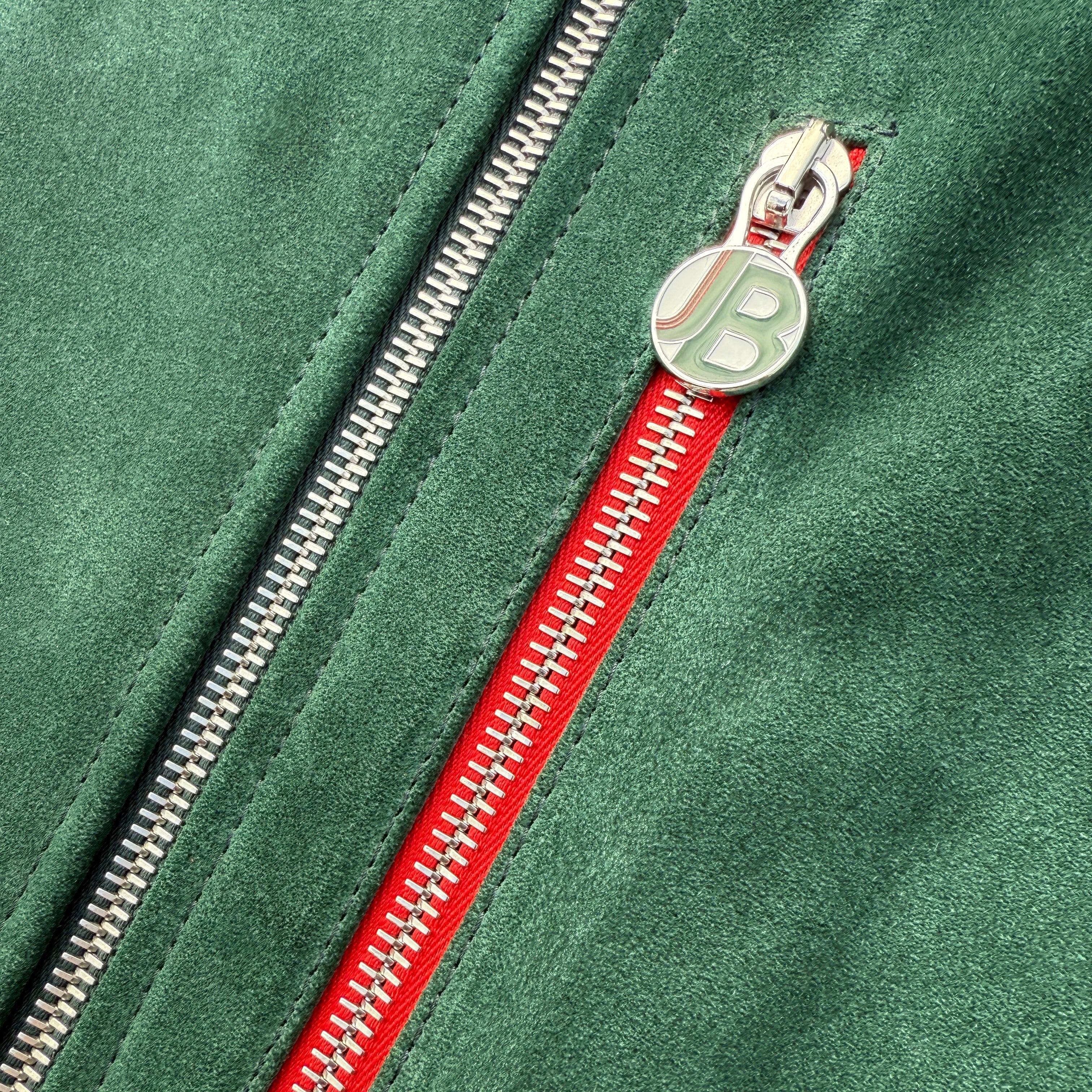
Hardware should be approached with the same scrutiny as a car's switchgear. Zips ought to operate with satisfying precision, pulls should feel substantial, and metal fittings should complement rather than distract from the leather. YKK Excella zips are valued for precisely this reason: they lend a reassuringly engineered action to a piece otherwise defined by handwork.
The details that make it yours
The difference between luxury luggage and a genuinely personal possession is found in the details that cannot be selected from a standard shelf. A bespoke weekend bag may take its cue from a car's interior leather, contrast stitching, seatbelt webbing, brake-caliper colour or a favourite racing livery. These references should be handled with restraint. The aim is not to create a novelty object, but to establish a private connection that its owner recognises immediately.
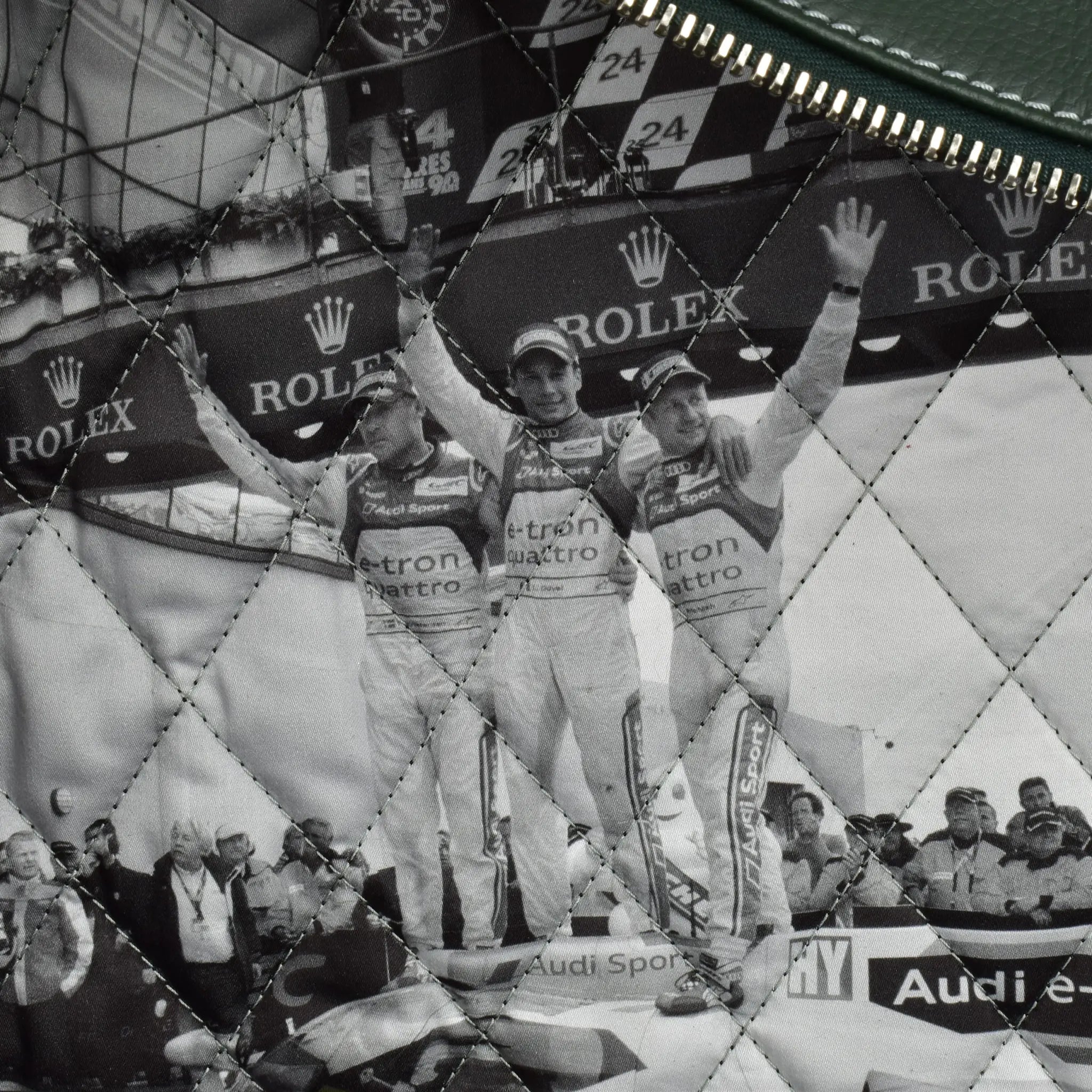
A hand-painted monogram, discreet initials on a luggage tag or a lining selected to echo a particular vehicle can be enough. For a more personal commission, a historic race number, a family crest or a subtle motif linked to a significant car may be incorporated. Such details become symbols of individuality, carrying a story that is meaningful without needing explanation.
At Jordan Bespoke, this is treated with the seriousness of vehicle specification. The process is closer to commissioning tailored clothing than choosing an accessory: materials, colour, lining, stitching and finishing are considered as one composition. Made by hand in Italy, each piece is intended to feel inseparable from the owner's way of driving, travelling and collecting.
Do not overlook the lining
The lining is where a bag can become unexpectedly memorable. It is the surface seen each time a watch case, driving gloves or a room key is retrieved. A vivid Alcantara-inspired tone, a richly coloured leather trim or a bespoke printed textile gives the interior its own identity while preserving a composed exterior.
Practicality still applies. A lining should be durable, easy to care for and sufficiently light in colour to make contents visible. Very dark interiors can appear dramatic, but they are less forgiving when searching for a charging cable at the end of a late drive.
Carry, protect and live with it
A supercar weekend bag should look considered in the boot and feel equally right in the hand. Handles must be comfortable when the bag is full, with a drop that allows it to sit naturally at the side. A removable shoulder strap can be useful for longer walks through stations or airports, although many owners prefer the cleaner appearance of hand carry for short journeys.
Protection is worth considering, particularly if the bag will share space with hard cases, tools or loose accessories. A reinforced base, discreet feet and a wipe-clean lower panel can prevent unnecessary wear. Yet excessive armour can make a bag stiff and heavy. The finest examples protect the vulnerable areas while retaining the suppleness that makes leather luggage so satisfying to use.
Care should be uncomplicated. Keep the bag out of prolonged direct sunlight, avoid leaving it pressed against damp surfaces, and use a quality leather conditioner sparingly when the hide begins to feel dry. When not in use, store it lightly filled in its dust bag so its form remains relaxed and assured.
The right bag should never feel like an afterthought, nor should it compete with the car itself. Choose one that fits the available space, serves the way you actually travel and carries a detail that makes you pause each time you lift it from the boot. That small moment of recognition is part of the pleasure of owning things made with intention.