

A fine leather duffel earns its place long before the first overnight stay. It sits in the boot of a grand tourer without looking like an afterthought, carries enough for a two-night escape, and becomes more characterful with every mile. For the discerning driver, it is not simply luggage. It is part of the ritual of leaving well.
The difference is felt in the hand. A proper leather duffel has substance without unnecessary bulk, a purposeful silhouette, and details that reward a closer look. Its handles should feel assured when lifting it from the passenger seat; its zip should run cleanly; its leather should possess depth rather than a uniform, synthetic shine.
This is why the best examples are chosen with the same care as a driving glove, a watch or a piece of luggage commissioned to complement a particular motor car. They must perform beautifully, but they should also say something unmistakably personal.
What Defines a Proper Leather Duffel?
A duffel is often treated as a casual catch-all, but the finest versions are built with discipline. The traditional cylindrical profile remains appealing because it is generous, recognisable and easy to pack. Yet a well-designed leather duffel refines that familiar form through proportion, structure and material.
The ideal size depends on how it will be used. A compact piece suits a single overnight stay, gym kit or race-day essentials. A larger weekend holdall offers space for knitwear, shoes, a wash bag and a change of clothes without requiring the scale of a suitcase. For regular driving holidays, two considered bags often work better than one oversized holdall: they are easier to place within the boot and more elegant to carry into a hotel.
Structure is a matter of balance. Leather that is too soft can collapse when half-packed, making the bag awkward to use. Excessive rigidity, however, can make a holdall feel more like a case than a companion. The most successful designs retain their shape through a reinforced base and thoughtful internal construction while allowing the leather to soften naturally over time.
A wide opening is equally valuable. A weekend bag should not force its owner to rummage through layers of clothing for a charger or a set of cufflinks. A full-length zip, carefully positioned internal pockets and a considered lining make packing calmer and access more intuitive.
The Leather Is the Story
Not all leather ages in the same way, and this matters more in a duffel than in many smaller accessories. The surface is handled, lifted, placed on floors, stowed in cars and exposed to the small frictions of travel. It should develop a patina, not merely show wear.
Full-grain leather is prized because the natural grain remains intact. It has the potential to acquire greater richness as it is used, with subtle tonal variation and individual marks becoming part of its story. A premium vegetable-tanned hide often offers particular depth and a pleasingly organic feel, though it may require more care than highly treated leather. Chrome-tanned leathers can be supple and resilient, particularly when chosen from a respected tannery, but their finish should still feel authentic rather than coated.
Tuscan leather has enduring appeal for good reason. Italy's great leather-making regions combine technical expertise with an instinctive understanding of touch, colour and finish. The aim is not leather that looks perfect forever. It is leather that looks increasingly like yours.
Colour deserves equal consideration. Black is formal, versatile and fitting for a discreet cabin or a business trip. Tobacco, chestnut and rich cognac shades bring warmth to darker interiors and age with visible character. Racing green, navy and oxblood can be exceptionally handsome choices when handled with restraint. The decision may be guided by a favourite car, but a direct colour match is not always the most sophisticated route. A complementary tone often feels more timeless.
Construction That Merits a Closer Look
Luxury is revealed where a bag is most likely to be tested. The base corners, handle attachments, zip ends and shoulder strap fittings should be designed for repeated use, not just visual impact.
Handles need a comfortable grip and should be secured through the body of the bag rather than fixed superficially to its exterior. Hand-finished edges, neat stitching and reinforced stress points contribute to longevity while preserving a refined appearance. A detachable shoulder strap can be useful in an airport or paddock, though it should never undermine the clean line of the bag when removed.
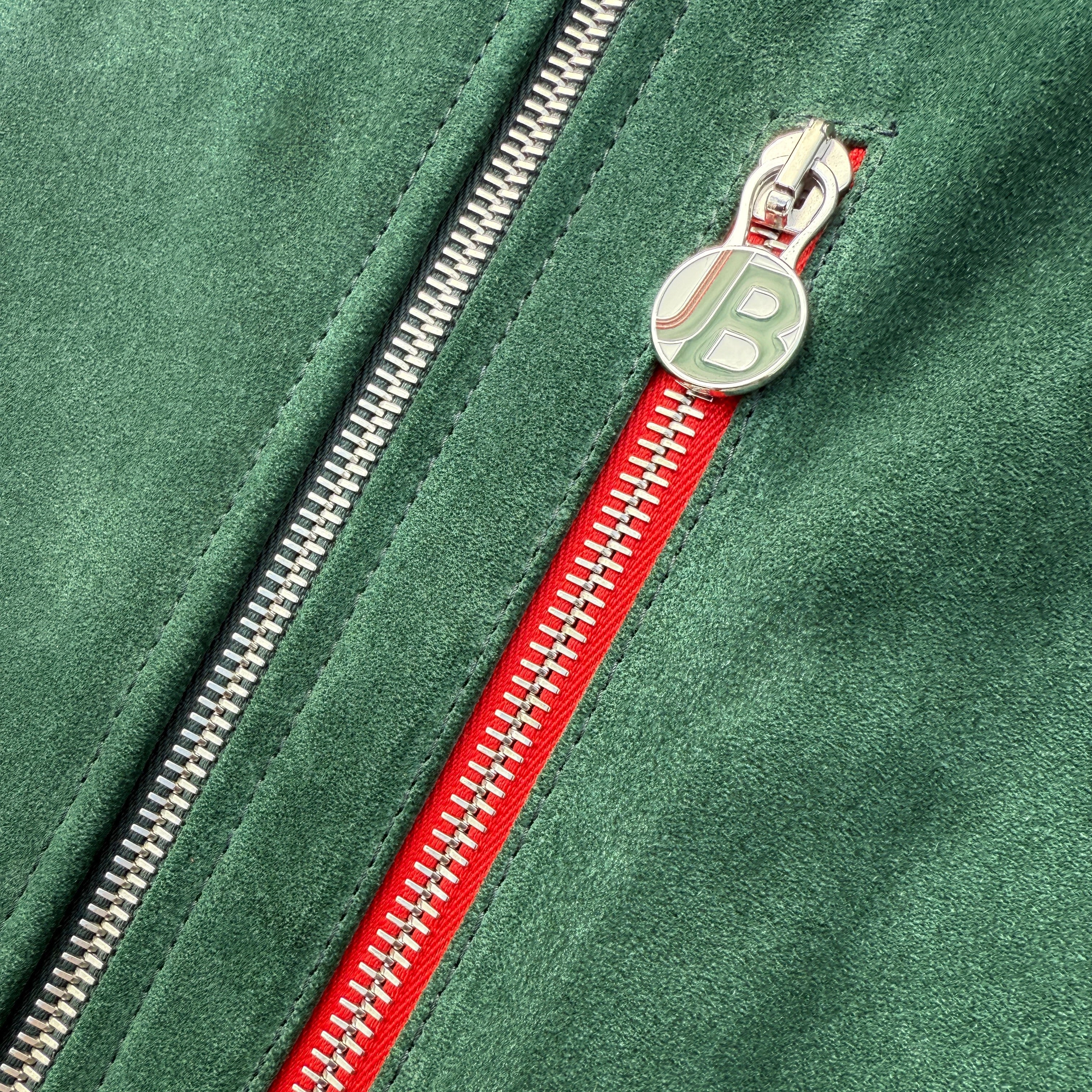
Hardware is a defining detail. Cheap plated fittings soon lose their lustre and can make even good leather feel ordinary. Solid-feeling metalwork, carefully selected finishes and dependable zips are worth seeking out. YKK Excella zips, for example, are admired for their smooth action and finely engineered presence. They are the sort of detail one notices each time the bag is opened, which is precisely the point.
Inside, a quality lining protects clothing and brings a further opportunity for personality. Alcantara-like technical materials, hard-wearing canvas or contrasting leather-trimmed linings each create a different mood. A lighter lining improves visibility, while a darker one may better suit a sporting, understated scheme. There is no universal answer. The right choice depends on whether the bag is intended for frequent travel, occasional concours events or the regular rhythm of track days.
Practical Details Worth Specifying
A beautiful holdall still has to work in the real world. Consider the footwear you normally travel with, whether you carry a laptop or camera, and how often the bag will move between car, train and aircraft. A separate shoe compartment may be useful, but it can consume valuable internal volume. External pockets offer convenience, although too many can disturb the purity of the silhouette.
For most owners, a restrained layout is best: one generous main compartment, a secure zipped pocket for valuables, and one or two slim sections for cables, travel documents or keys. A firm base with protective feet is particularly worthwhile if the bag will be set down frequently at circuits, hotels or garages.
Why Bespoke Changes the Relationship
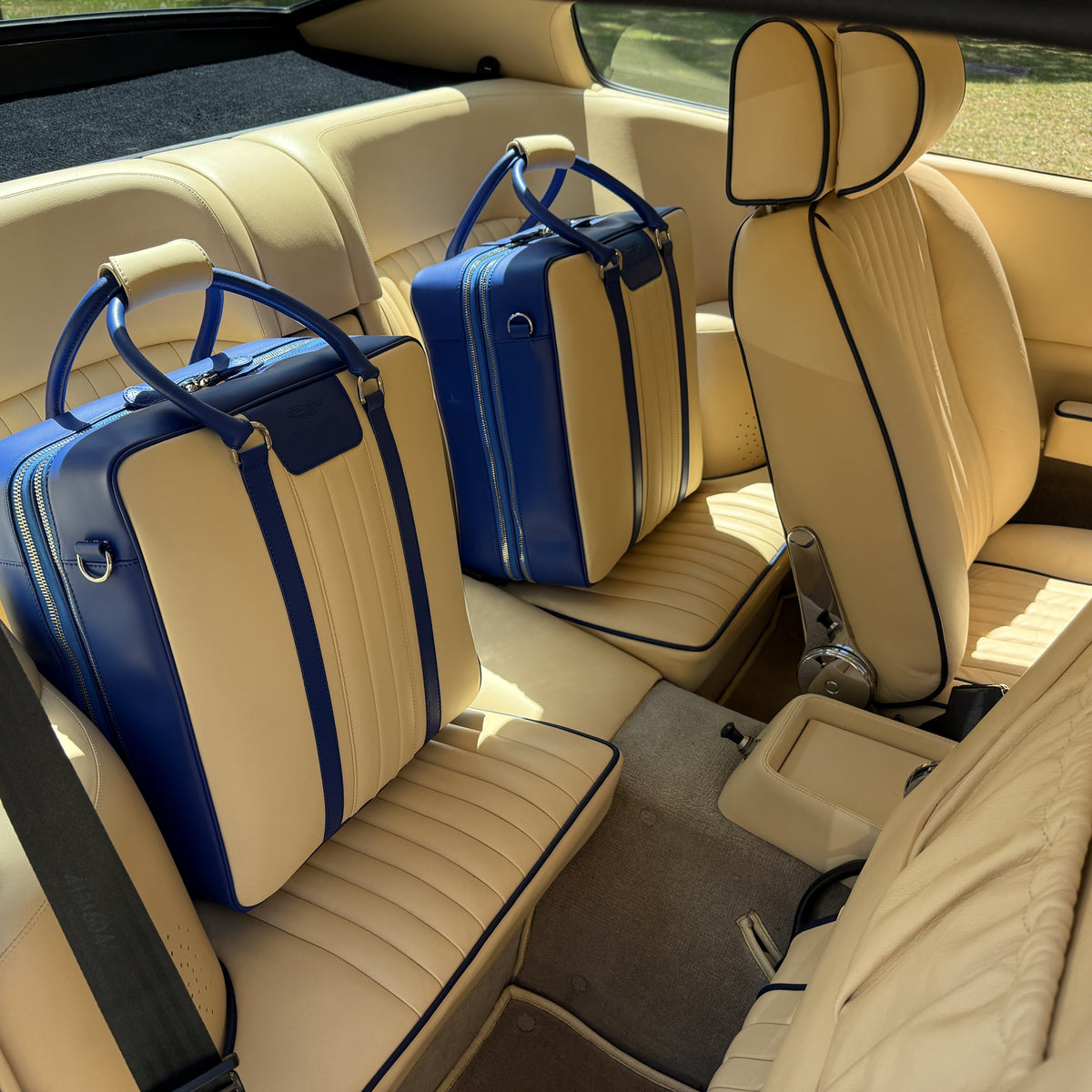
A ready-to-own leather duffel can be an excellent choice when its design, size and finish already align with your life. Bespoke becomes compelling when the bag needs to reflect something more specific: the cabin of a cherished GT, a historic racing livery, a family crest or a private collection of objects carried on every journey.
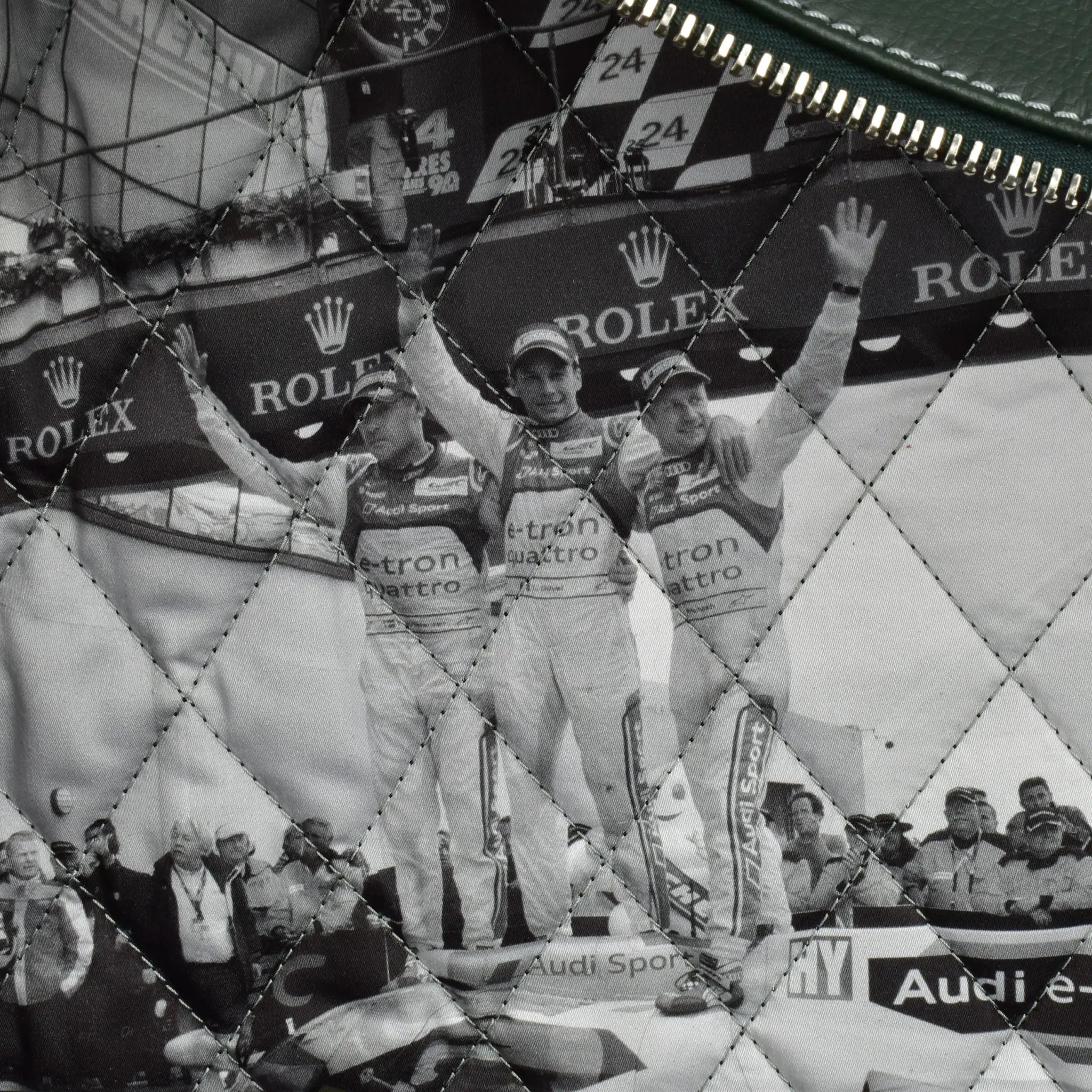
At Jordan Bespoke, this approach draws on the same pleasure found in commissioning a tailored jacket or configuring a motor car. The process can begin with a leather colour, then move into contrast stitching, piping, lining, hardware and discreet monogramming. More personal commissions may take cues from a vehicle's seat inserts, dashboard leather or motorsport heritage, translating them into details that remain elegant away from the car.
The strongest bespoke work does not shout. It uses references with confidence and proportion. A flash of contrasting colour beneath the zip, a lining inspired by a racing number, or stitching that recalls an interior can carry more meaning than a literal reproduction of a livery. The result is a symbol of individuality rather than branded decoration.
Choosing One for the Life You Actually Lead
Before selecting a leather duffel, picture its first dozen journeys. Will it live in the boot of a low-slung coupé, travel with you through London for overnight meetings, or accompany race weekends across Europe? The answer determines whether compactness, capacity, weather resistance or a more formal finish deserves priority.
A softer holdall is often easier to fit into a shallow boot. A structured bag presents more formally and protects its contents more effectively. Pale leather can look remarkable in the right setting but asks for greater care. Darker colours are forgiving, while mid-brown leather tends to offer the most expressive patina. These are not compromises so much as choices of character.
Care should be simple and regular. Empty the bag after a journey, brush away surface dust, keep it away from prolonged direct heat and store it loosely filled in a dust bag when not in use. Use an appropriate leather conditioner sparingly. Over-conditioning can soften the hide excessively or leave residue, particularly on finely finished leathers.
The right leather duffel should feel better on its fiftieth departure than it did on its first. Choose one with honest materials, exacting construction and details that belong to your own story. Then give it the one thing no workshop can manufacture: a life well travelled.