

A helmet is rarely just another piece of kit. Whether it carries the marks of a favourite track day, accompanies a concours-bound motor car, or sits ready for the next race weekend, it deserves considered protection. The leather helmet bag vs fabric question is therefore not simply about appearance. It is about how you travel, what you carry, and whether your kit should feel as individual as the machine waiting in the garage.
Leather helmet bag vs fabric: the defining difference
Fabric helmet bags are designed around utility. They are generally light, forgiving and straightforward to store when empty. For the driver moving frequently between pit lane, trailer and paddock, a well-made textile bag can be a sensible, uncomplicated choice.
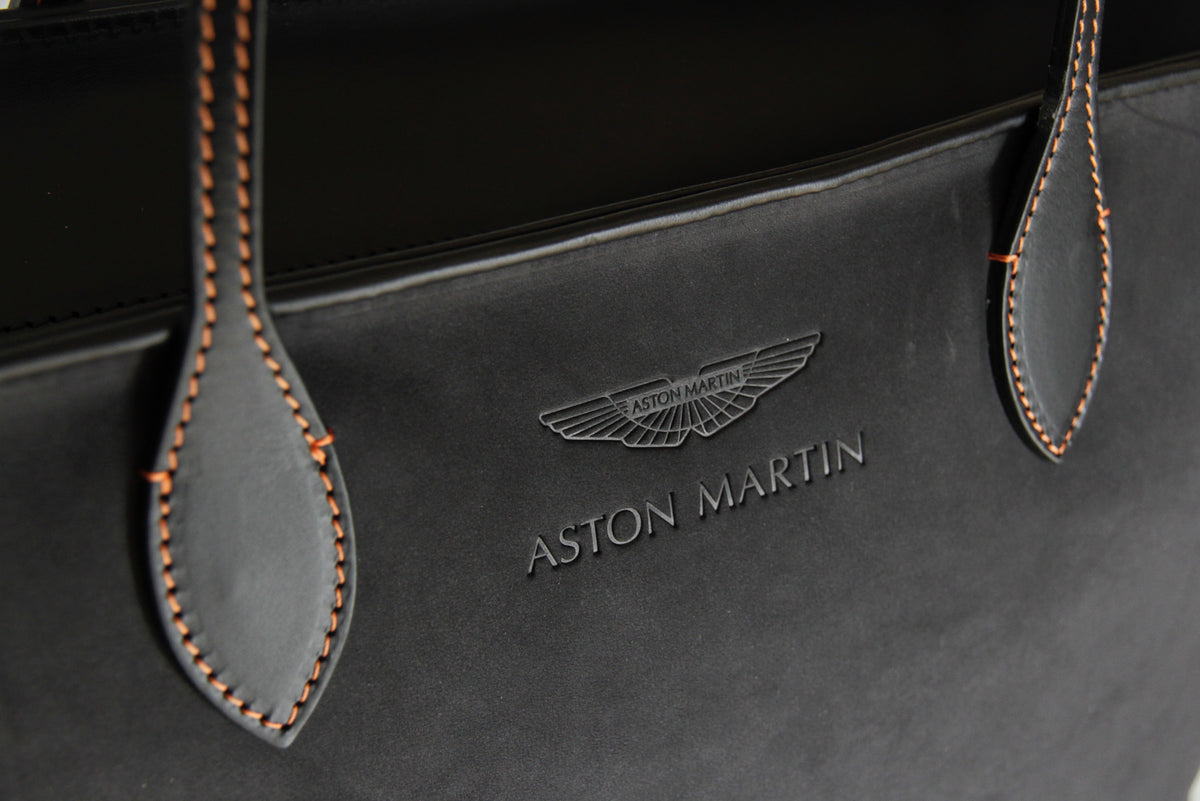
Leather offers a different proposition. It is chosen not because it is the lightest solution, but because it brings permanence, character and a more considered level of presentation to an essential piece of driving equipment. A finely crafted leather helmet bag belongs naturally beside a grand tourer, in the luggage compartment of a classic, or at the side of a race car prepared with the same attention to detail.
The right choice depends on what you ask of the bag. If your priority is minimum weight and a bag that can be treated as disposable kit, fabric has clear advantages. If you value longevity, tailored detailing and the pleasure of an object that improves with use, leather earns its place.
Protection is about construction, not material alone
Neither leather nor fabric automatically guarantees better protection. The protection comes from the architecture of the bag: a softly padded interior, sufficient structure around the shell, a secure zip and a lining that will not abrade a painted or lacquered finish.
A quality fabric bag can provide excellent shock resistance when it uses dense foam, a durable outer weave and reinforced panels. Its flexibility can be helpful when packing it into a crowded pit garage or stowing it alongside other equipment. Yet thin, unstructured fabric offers little defence against a helmet being knocked by tools, boots or a hasty luggage load.
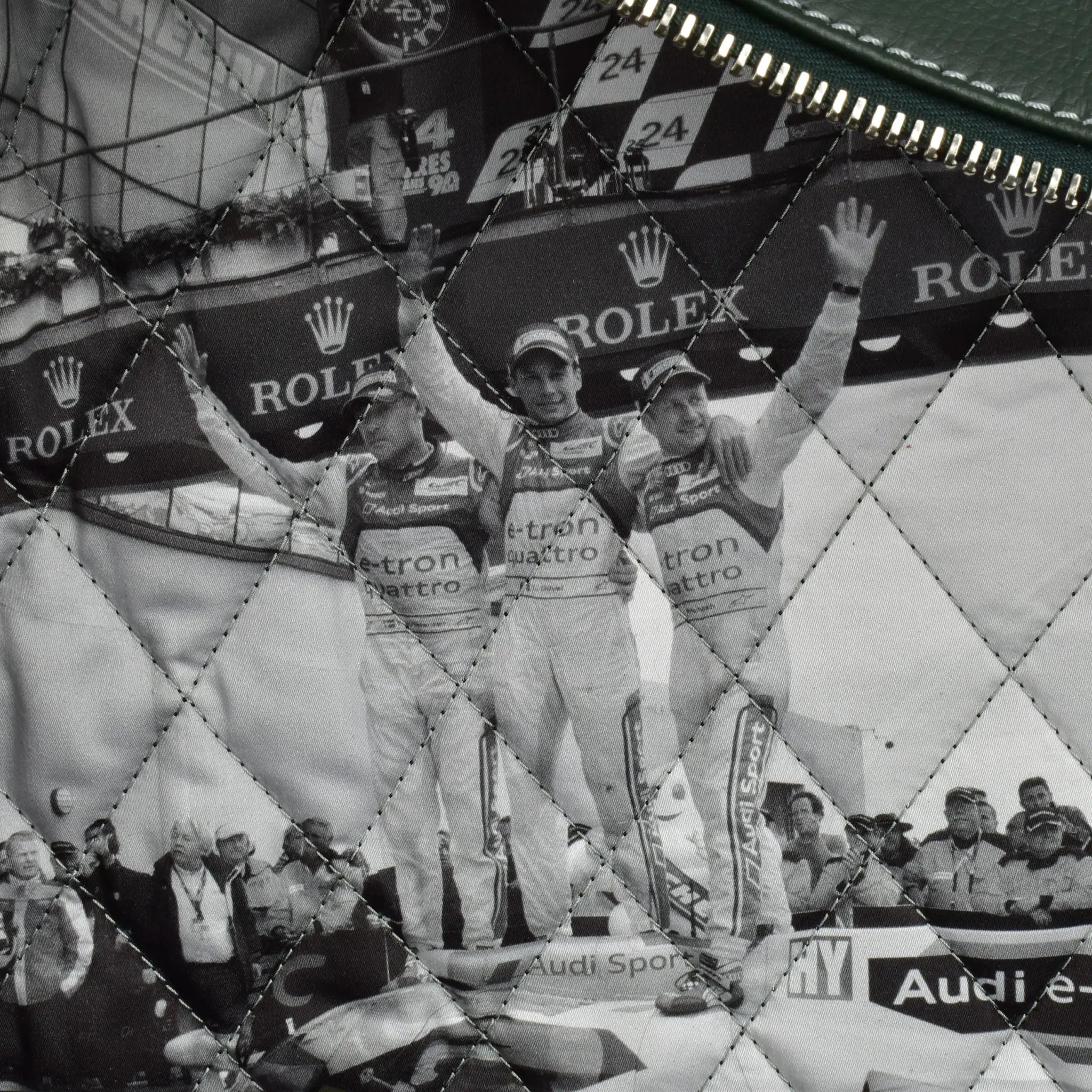
Leather has a naturally substantial hand and can be formed into a more protective silhouette. When paired with a padded, suede-like or technical lining, it creates a reassuring enclosure for a prized helmet. The material is also less likely to look tired after repeated contact with hard surfaces, provided it is properly cared for.
For a carbon-fibre helmet, a hand-painted design or a visor you prefer to keep pristine, the interior deserves as much scrutiny as the exterior. Look for a dedicated visor separation panel or soft internal pocket, especially if you carry tear-offs, a balaclava, intercom leads or gloves in the same bag.
Consider the journey beyond the circuit
A helmet bag may travel in a car, be carried through an airport, placed in a hotel lobby and occasionally pass through a busy paddock. The more varied the journey, the more valuable a structured design becomes. A bag that looks composed in the passenger footwell but collapses around its contents in transit is not offering meaningful protection.
Equally, a racing driver who travels with a separate rigid helmet case may only need a lightweight fabric cover between sessions. There is no virtue in choosing leather merely for the sake of it if the bag will spend every weekend exposed to rain, tyre debris and workshop floors.
Weight and practicality on race day
Fabric wins on weight. Modern technical textiles can be remarkably strong while adding very little to a race-day load. This is particularly appealing to drivers and team members carrying helmets, HANS devices, race suits, footwear and electronics across a large circuit.
Leather is heavier, although the difference should be placed in context. A thoughtfully proportioned leather helmet bag, fitted with comfortable handles and an adjustable shoulder strap, remains easy to carry. For most owners, the helmet itself and the wider kit bag will dictate the load more than the outer material of the helmet bag.
The practical question is how the bag behaves when in use. Does the zip open widely enough to remove a helmet without catching the visor? Does it stand upright? Are the handles properly reinforced? Is there a discreet place for a mobile phone, documents or a set of keys? These details turn a beautiful piece into a useful one.
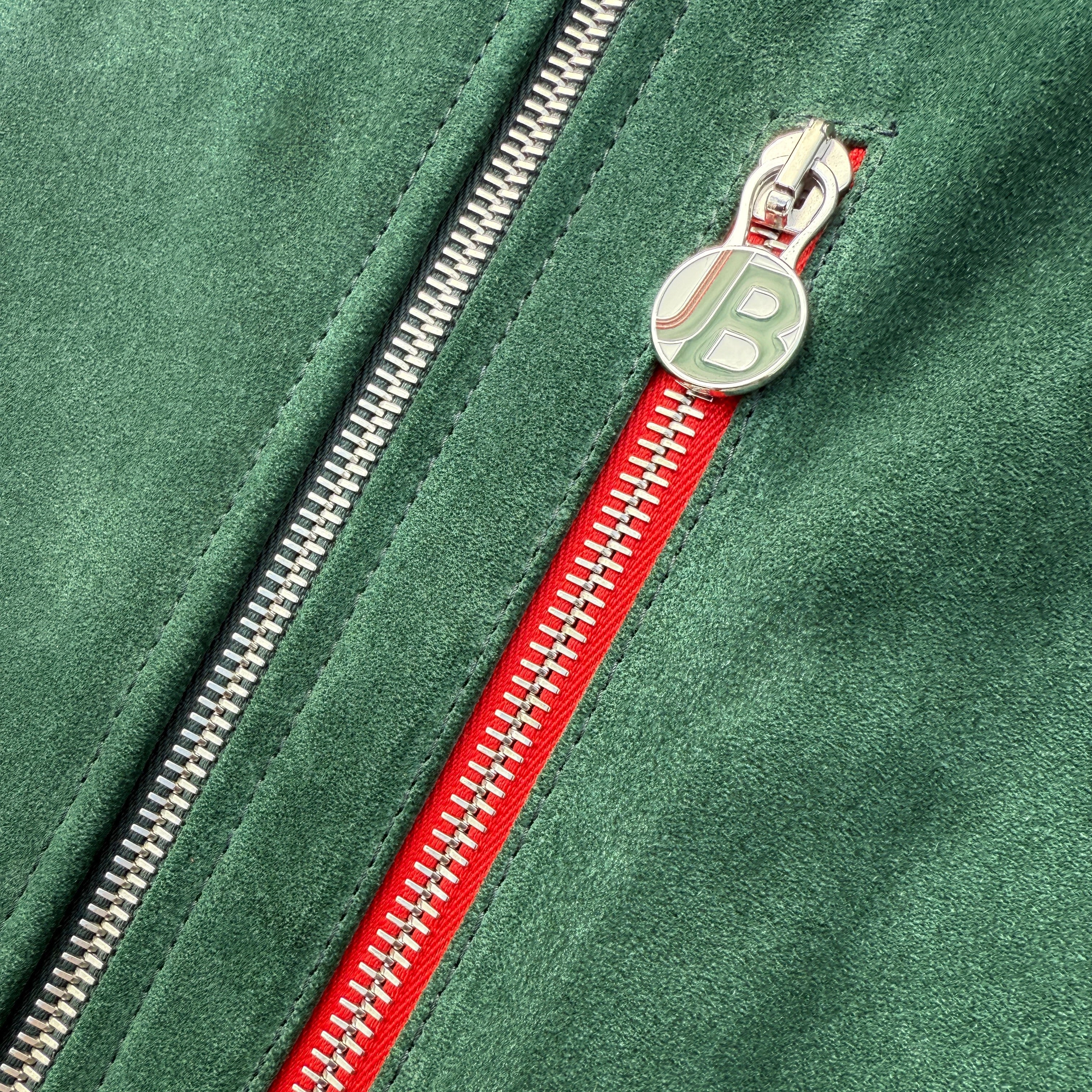
Premium hardware matters here. Smooth-running YKK Excella zips, leather zip pulls and carefully bound seams make a noticeable difference, particularly when wearing gloves or moving quickly before a driver briefing. They are small decisions, but motorsport has always been shaped by small decisions made well.
The character of leather over time
A fabric bag tends to retain a similar appearance until wear becomes visible. It may fade, pick up scuffs or lose its shape, but it seldom develops greater personality. That predictability is useful for hard-working team equipment.
Leather tells a more personal story. Full-grain leather acquires a patina through handling, travel and exposure to light. The occasional mark does not necessarily diminish it. With the right finish and regular care, it becomes part of the bag's record: a weekend in the Dolomites, a historic meeting at Goodwood, an early start for a continental road trip.
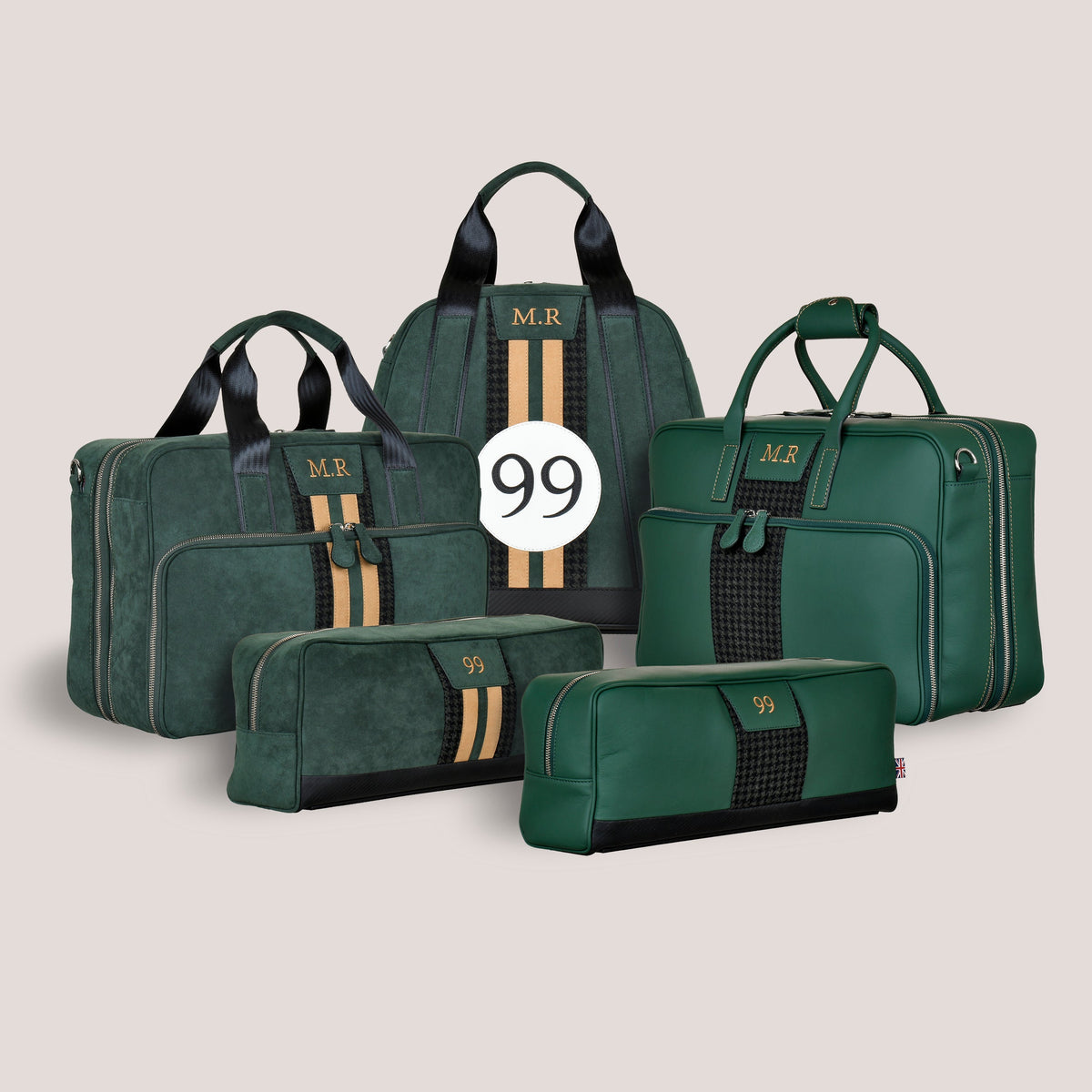
This is the distinction that appeals to collectors and drivers who see their possessions as an extension of their motoring life. A leather helmet bag can be commissioned to echo cabin hide, contrast stitching, racing stripes or a favourite period colour. It becomes a symbol of individuality rather than an anonymous container.
That said, leather does ask something in return. It should not be left soaked through in the rain, pressed against a wet garage floor or cleaned with harsh household products. A quick wipe after use, occasional conditioning and sensible storage away from prolonged heat will preserve its finish for years.
When fabric is the better choice
Fabric is the honest answer for punishing conditions. A driver competing in wet, muddy or dust-heavy environments may prefer a washable technical bag that can be used without concern. It is also a practical spare for guests, junior drivers or teams managing several helmets at once.
Choose fabric if lightness, easy cleaning and outright utility are the priority. A high-quality textile bag need not feel cheap, particularly when it has disciplined design, substantial padding and restrained branding. It simply serves a different purpose.
For airline travel, fabric can also be useful as a secondary layer inside a rigid protective case. In that role, its lightness and compressibility are genuine advantages, while the hard case absorbs the more serious impacts of baggage handling.
When leather is worth choosing
Leather is most compelling when the helmet bag is part of a wider ritual of ownership. Perhaps it accompanies a tailored weekend holdall, sits in the boot of a cherished sports car, or is carried into a hospitality suite where presentation matters. It lends ceremony to the transition from road to circuit.
It is also the natural choice for a personalised commission. At Jordan Bespoke, a helmet bag can be made to reflect an owner's vehicle, racing heritage or preferred palette, with Italian craftsmanship and material choices selected for the individual rather than a production line. Such details are not decorative afterthoughts. They are what make the piece feel properly yours.
A leather bag is not necessarily for every helmet or every event. It is for the driver who values objects made for the long term, and who understands that the best equipment combines function with a sense of occasion.
How to make the right decision
Before choosing, think about where the bag will spend most of its life. If it will be thrown into a support vehicle after every session, fabric may be the sensible workhorse. If it will travel with you in a finely kept car and protect a helmet of real personal or financial value, leather offers a more enduring answer.
Also consider whether the bag needs to work alone or alongside other luggage. A coordinated leather helmet bag brings order to a race weekend and keeps specialist equipment distinct from clothing, shoes and tools. In a busy boot, that clarity is more useful than it first appears.
The finest choice is the one that respects both the helmet and the life it leads. Select fabric for uncompromising utility; select leather when protection, craftsmanship and personal story deserve to travel together.