

A luggage set that merely carries clothing has little place beside a carefully specified motor car. The most compelling luxury luggage personalisation trends now favour a quieter, more exacting form of expression: pieces that reflect the owner’s taste, their motoring history and the way they travel, without resorting to conspicuous branding.
For the discerning individual, personalisation is no longer an added monogram applied at the end of a purchase. It is a design conversation. The leather, lining, proportions, hardware and smallest finishing details are considered together, much as one might specify the cabin of a grand tourer or commission a suit from Savile Row.
Luxury luggage personalisation trends are becoming more considered
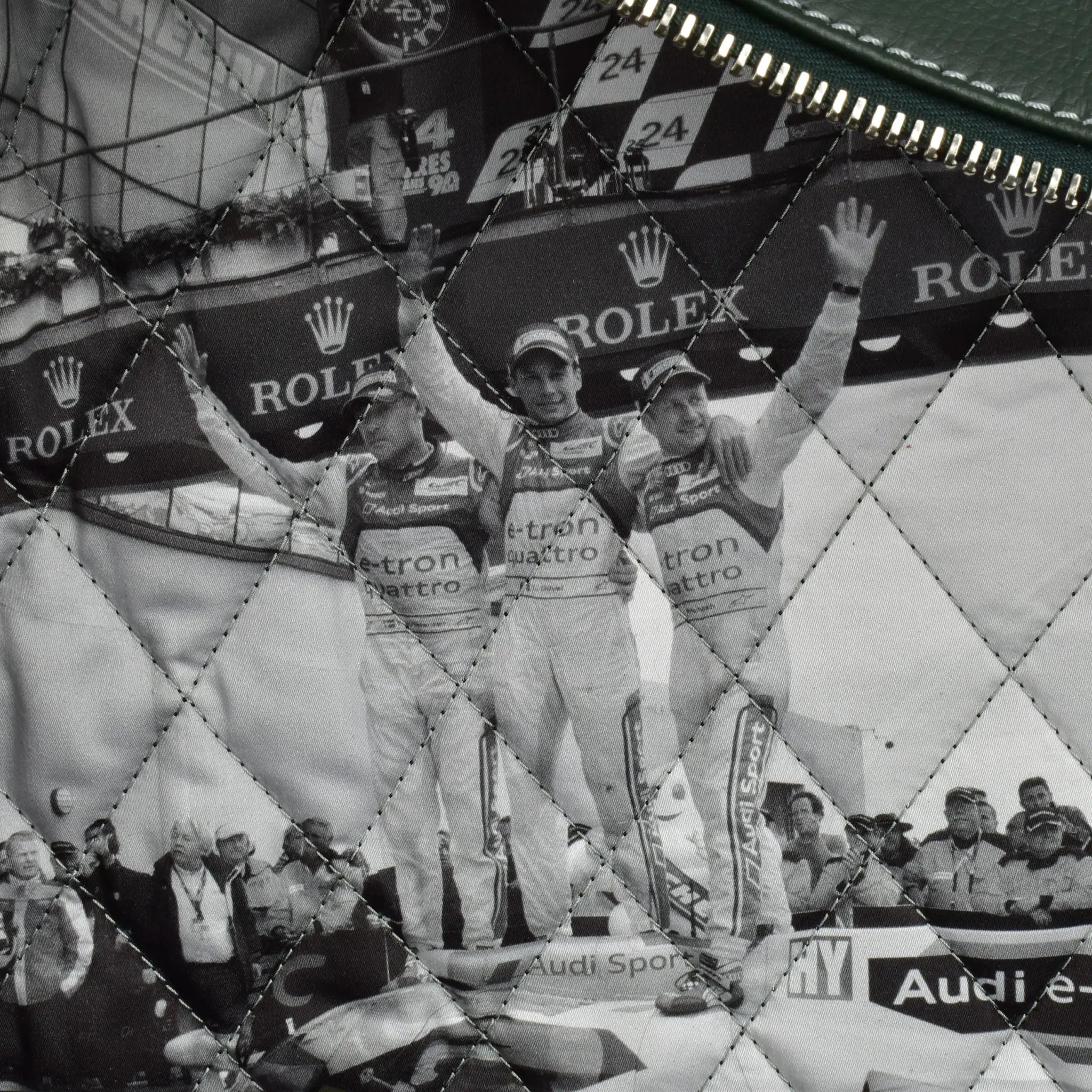
The era of the oversized logo and indiscriminate initial stamping is giving way to personal details with a reason to exist. A weekend holdall in a colour that echoes the interior of a cherished Aston Martin, a lining selected to complement an historic racing livery, or discreet embroidery marking a significant chassis number can say far more than a prominent brand motif.
This shift reflects a wider change in luxury itself. Clients who have access to almost anything increasingly value discernment over display. They want objects with provenance, tactility and a story that could not simply be selected from a shelf. A piece of luggage becomes a symbol of individuality when its details relate meaningfully to the person carrying it.
The strongest commissions tend to have restraint. A deeply personal build need not announce every reference at once. A contrast stitch in a precise shade, a subtle debossed motif or a custom lining visible only when the bag is opened can create the most satisfying sense of ownership.
Automotive references with genuine provenance
Automotive-inspired luggage is maturing beyond the predictable use of racing stripes. The more sophisticated approach takes cues from a vehicle’s character and translates them into leatherwork with care. Perforated leather may recall a driver’s seat, Alcantara can reference a purposeful cockpit, and a particular hide can echo the warmth of a classic grand tourer’s cabin.
There is a difference between imitation and interpretation. Luggage need not be a miniature version of a car interior to feel connected to it. Indeed, direct replication can become limiting. The best designs identify one or two defining elements - a seat piping colour, a dashboard material, a racing roundel or the geometry of a grille - and allow those references to inform the commission.
For collectors, this offers an especially compelling opportunity. A leather weekend bag made to accompany a particular car can become part of its ownership story: useful on a Continental journey, fitting beneath the rear shelf or within a specified luggage compartment, and distinct enough to be retained with the vehicle over time.
Material choice is now a form of personal signature
Colour remains central, but the current direction is towards depth rather than novelty. Rich tobacco, oxblood, midnight blue, racing green and stone remain enduring choices because they age handsomely and sit naturally alongside both contemporary and heritage cars. Yet a personal palette can be more nuanced: an unexpected lining, a hand-painted edge or a restrained flash of contrasting leather can give a traditional exterior a more individual identity.
Texture is equally significant. Smooth full-grain leather has a formal clarity that suits a boardroom briefcase or garment carrier. Pebble grain is more relaxed and forgiving for regular travel. Suede and Alcantara add a motorsport-inflected tactility, although they demand more thought where frequent exposure to wet weather or abrasion is expected.
A bespoke commission should acknowledge how the item will be used. A pale, supple leather may be beautiful for occasional concours weekends, but a darker, more resilient hide can be the wiser choice for a bag that will move between airport lounges, pit lanes and the boot of a car every fortnight. Luxury is not diminished by practicality. It is elevated when the material is chosen for a life well lived.
Hardware deserves the same scrutiny as leather
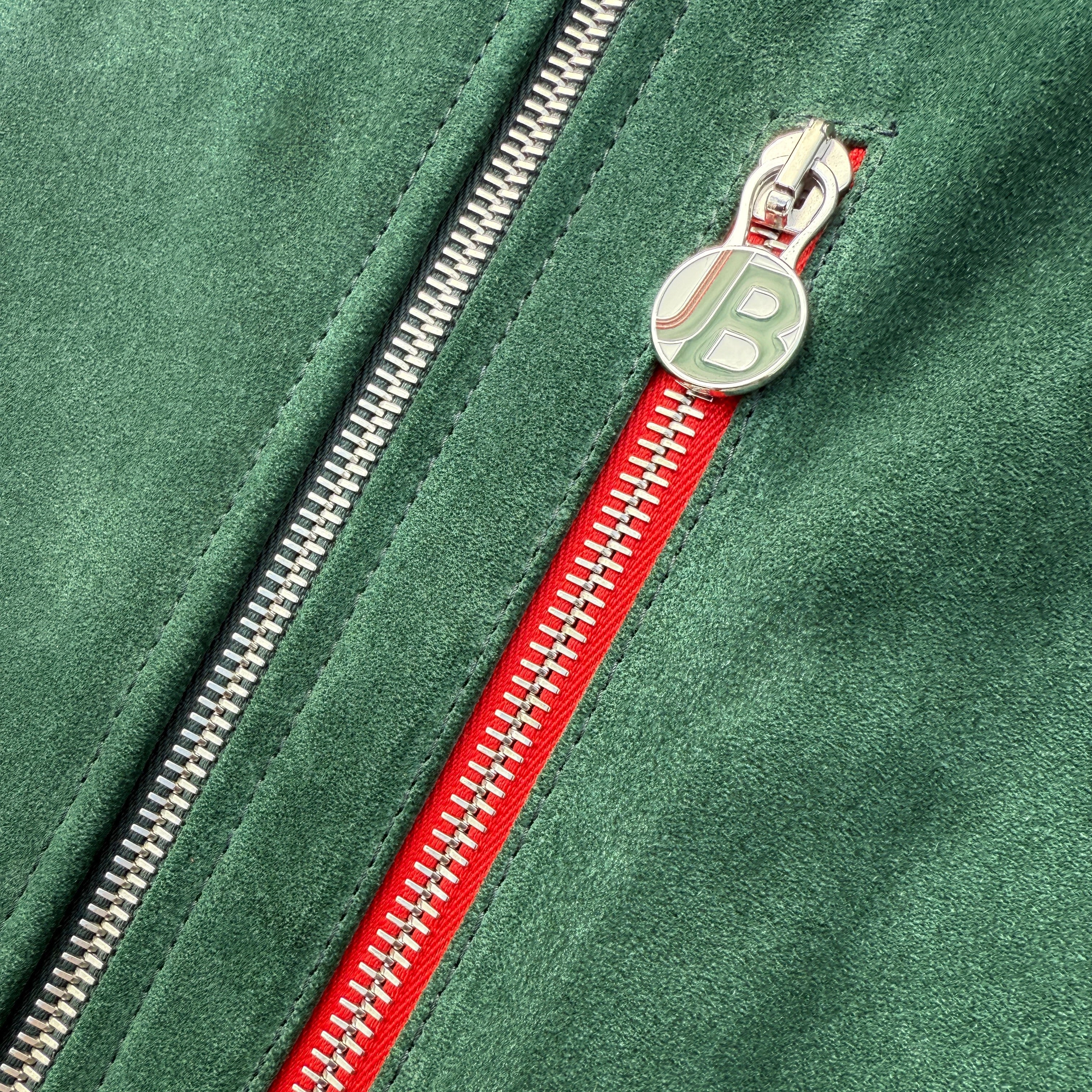
Fine luggage is often judged first by its leather, then remembered by the way it feels in the hand. Hardware plays a defining role in that experience. The weight and finish of a clasp, the action of a zip and the sound of a buckle all signal whether a piece has been made with conviction.
There is growing appreciation for hardware that can be specified to complement a commission. Polished nickel has a crisp, classic character. Antique brass brings warmth to traditional leathers. Blackened metal or gunmetal can lend a more technical, contemporary edge, particularly when paired with carbon fibre details or darker interiors.
Function should lead the decision. YKK Excella zips, for example, are valued not simply for their refined appearance but for their smooth, durable performance. For a race day kit bag or helmet bag used regularly, that reliability is part of the pleasure of ownership.
The return of luggage made for a precise purpose
One of the most practical luxury luggage personalisation trends is the move away from generic travel formats. Rather than acquiring another standard duffel, clients are commissioning pieces around specific rituals: a one-night road trip, a track weekend, business travel with tailoring, or carrying driving equipment securely and elegantly.
A well-conceived garment carrier protects a jacket without creating unnecessary bulk. A helmet bag should consider padding, ventilation and how the helmet is removed. A tech case needs thoughtful internal organisation, not a handful of decorative pockets. These are modest distinctions on paper, but they transform a piece from attractive luggage into equipment that earns its place.
Bespoke dimensions matter too. A bag intended for the front boot of a sports car has different requirements from one made for the rear of a luxury saloon. Measurements, opening angles and handle placement can all be adapted. The result feels composed because it has been designed for the journey rather than forced into it.
Personalisation that protects privacy
For a generation accustomed to sharing less of its private life publicly, discreet identification is increasingly desirable. Initials can be blind embossed in matching leather, placed beneath a flap or incorporated inside the bag rather than across its face. A private dedication, family crest or date may be applied to a removable leather tag or an interior panel.
This approach is particularly appropriate for clients who travel internationally or carry luggage through busy terminals. It preserves individuality while avoiding the unnecessary visibility that can come with prominent personal marking. There is confidence in a detail intended to be recognised by its owner alone.
Craftsmanship and repairability are part of the appeal
Personalisation has greater meaning when the object itself is built to last. The appeal of hand-made Italian production lies not only in the finish of the leatherwork, but in the judgement behind it: how panels are cut, where stress points are reinforced, how the lining is fitted and whether components can be maintained.
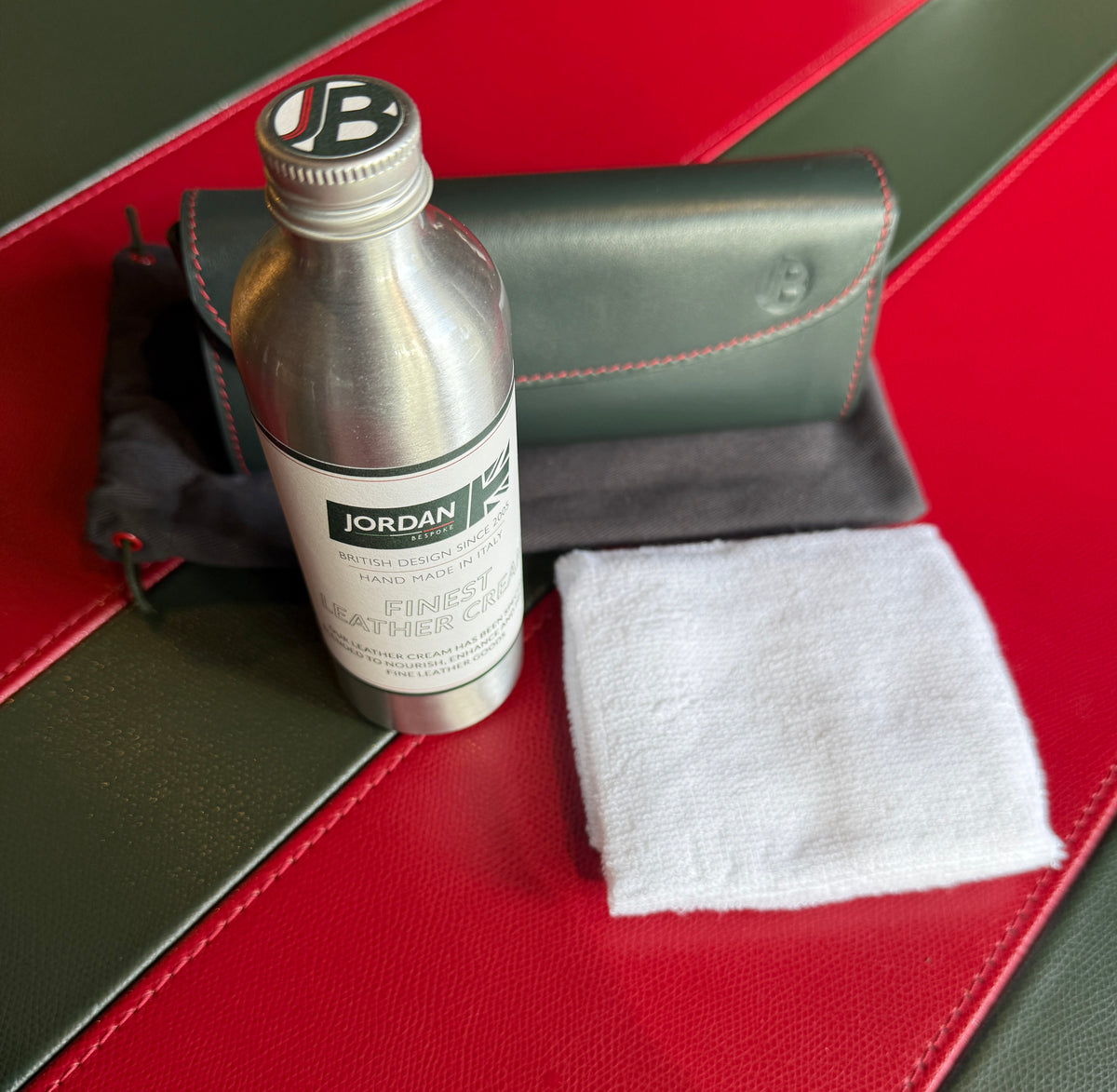
A bag made from exceptional materials should acquire character, not simply wear out. Fine leather develops a patina particular to its owner’s journeys. Small signs of use can become part of its charm, provided the construction is sound and the piece can be cared for over time.
This is where bespoke luggage differs from fashion-led customisation. A seasonal colour or novelty graphic may be right for some clients, especially for a team event or a limited racing project. But for a personal holdall intended to accompany years of travel, timeless proportions and serviceable craftsmanship remain the more valuable investment.
Jordan Bespoke approaches this balance through British design, Italian hand-making and a deep understanding of automotive culture. The aim is not personalisation for its own sake, but a piece whose details feel inevitable once they have been chosen.
The most rewarding commission begins with an honest question: where will this bag go, and what should it quietly remember? Start there, choose materials that will age with grace, and allow the personal references to emerge with purpose. The result will not merely accompany the journey. It will become part of the ritual of setting off.