

 A luggage piece earns its place long before it reaches an overhead locker or the boot of a grand tourer. It begins with the feel of the hide, the line of the handle, the quiet authority of hardware that works precisely as it should. Made in Italy leather luggage appeals because it brings these details together with a standard of craft that remains visible, tactile and personal.
For the discerning driver or frequent traveller, the right holdall is not simply somewhere to put a change of clothes. It is part of the departure ritual. It sits naturally beside a concours car, travels well to a race weekend, and gains character with every journey. The distinction lies not in a conspicuous logo, but in materials, proportion and the confidence of something made properly.
Why Italian craftsmanship still matters
Italy's reputation for leatherwork is not an abstract promise. It is built on regional knowledge, specialist workshops and a long-standing understanding of how a natural material should be selected, cut, stitched and finished. A fine leather hide has variation in its grain and tone. Rather than hiding this character beneath heavy coatings, skilled makers choose and place panels so the finished bag feels considered from every angle.
The difference becomes clearer with use. Lower-grade leather can look convincing on the first day, then crease sharply, lose colour around stressed areas or become unnaturally stiff. Full-grain and carefully finished leathers age differently. They soften, develop patina and retain their integrity when they are properly cared for. This is what gives a well-made piece its sense of life.
Italian production also brings a useful discipline to construction. Edges are painted or turned with care. Stitching follows the shape of the bag rather than fighting it. Reinforced points at handles, shoulder straps and zip ends are treated as engineering considerations, not afterthoughts. For luggage intended to travel regularly, these are the decisions that matter most.
Made in Italy leather luggage is more than a label
The phrase has value only when it refers to genuine making expertise. A leather bag may be designed in one country, assembled in another and promoted with Italian references that say little about its actual production. Those who care about provenance should look beyond the label and ask more useful questions: where is the piece cut and sewn, who sources the leather, and what components have been chosen to withstand years of use?
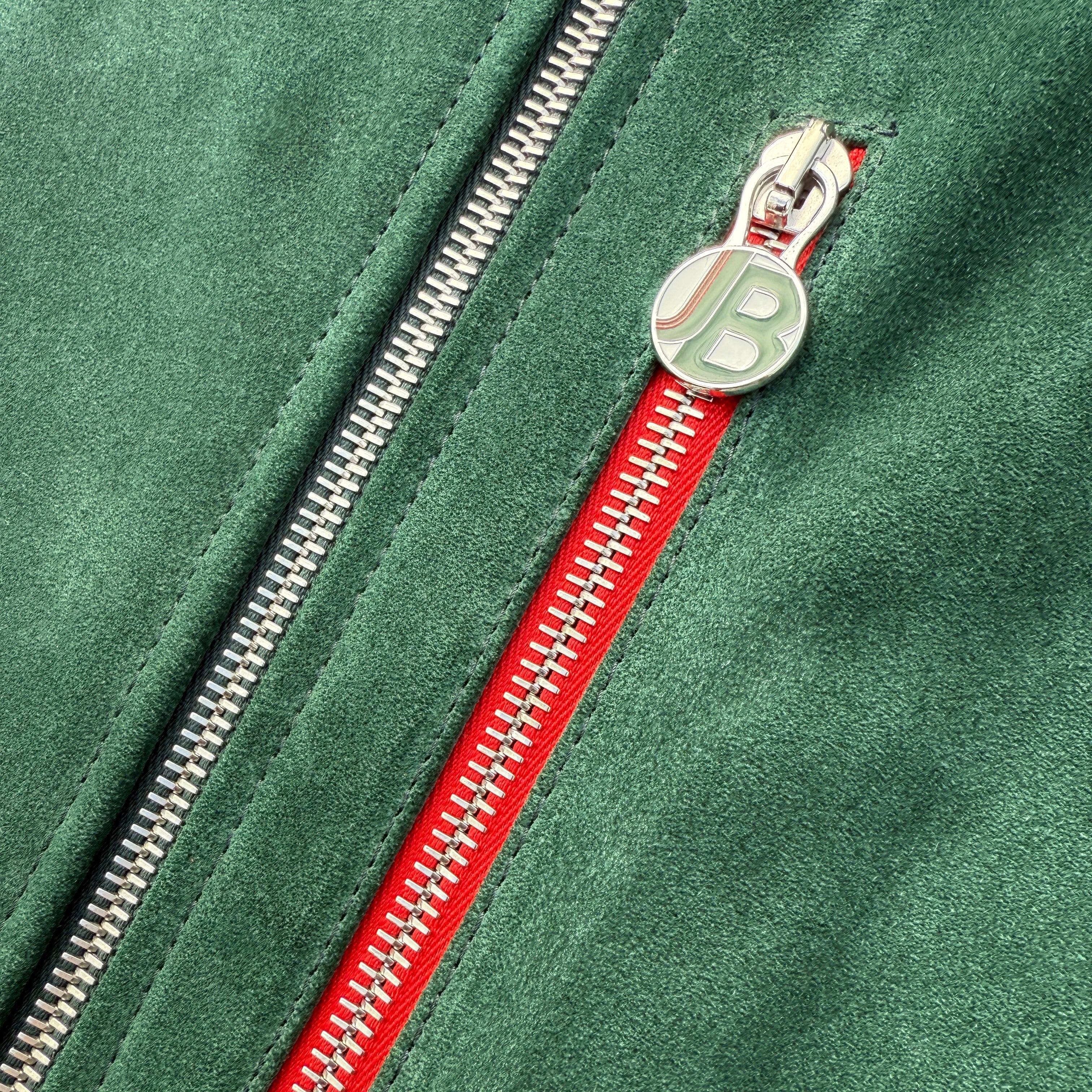
A serious piece of luggage reveals the answers through its build. Look for clean, consistent stitching with no loose threads or hurried corners. Examine the zip track, the pullers and the way the zip is anchored into the body. Premium hardware, including YKK Excella zips where appropriate, has a satisfying weight and a controlled action that does not become a frustration at an airport or in a hotel car park.
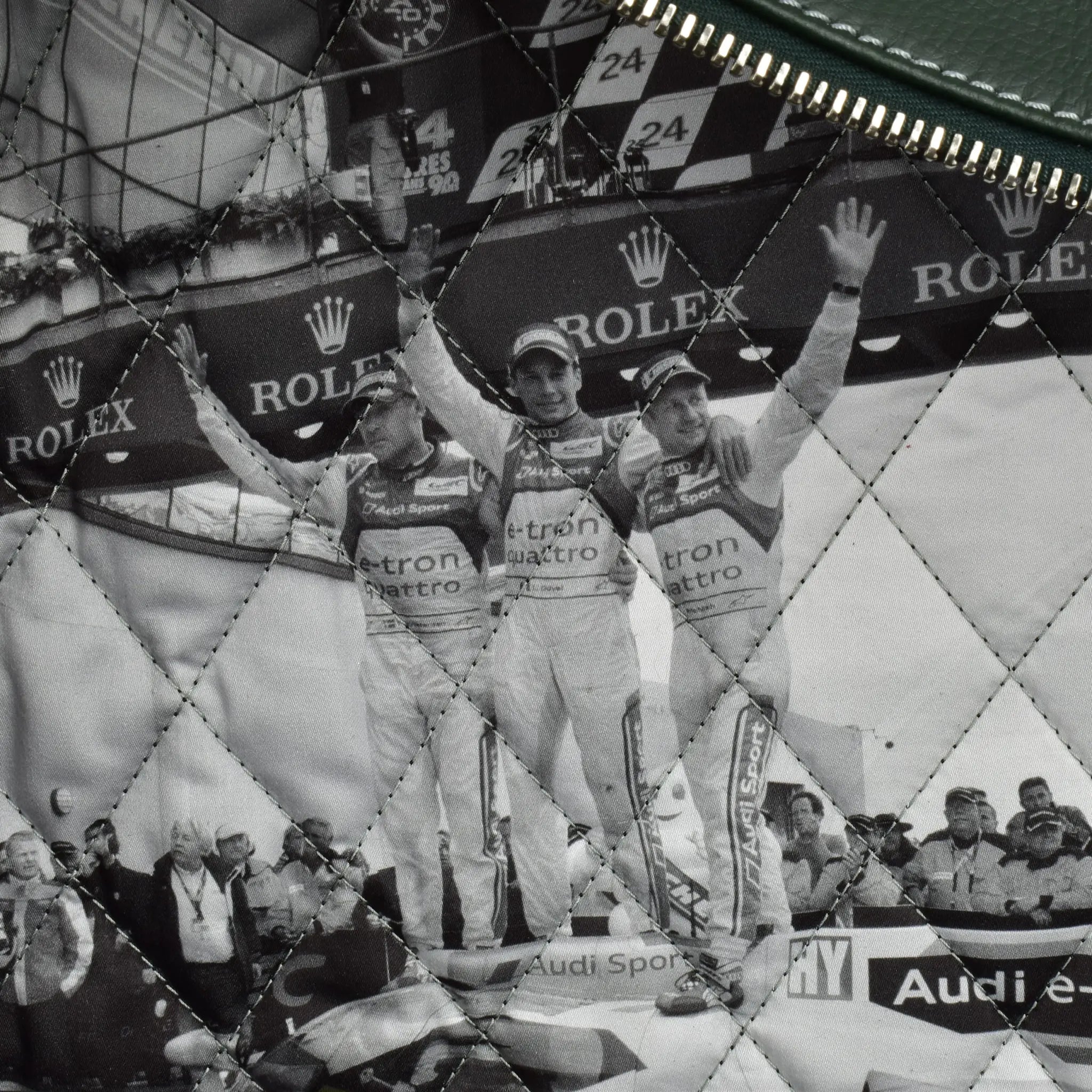
The lining deserves equal scrutiny. It should support the bag's purpose rather than merely conceal its interior construction. A well-chosen lining can introduce colour, texture or a private reference to a cherished car, racing number or family crest. It is a small detail, but one that transforms luggage from a luxury object into a personal possession.
Design for the road, not just the photograph
Many leather bags are handsome when empty and awkward once packed. Good travel luggage must hold its shape without becoming rigid, open widely enough to make packing easy, and carry comfortably through stations, paddocks and hotel lobbies. The ideal format depends on how you travel.
A weekend holdall suits two or three days away, particularly when travelling by car. It has the relaxed elegance that hard-shell luggage rarely achieves, and its soft construction allows a little flexibility around jackets, knitwear and driving shoes. A structured grip can be the better choice for a shorter business trip, while a garment carrier protects tailoring for an event, track day dinner or client meeting.
For motorsport use, a dedicated race day kit bag has its own logic. It should accommodate racewear, gloves, footwear and essential equipment without asking a helmet to share space with items that may mark its finish. A separate helmet bag, ideally with a protective lining and confident closure, is a practical investment for anyone who treats their equipment with the respect it deserves.
There is a trade-off. Leather luggage is heavier than technical nylon and requires more care in heavy rain. For long-haul travel involving tight weight limits, a lightweight case may be more practical. Yet for road trips, short stays and journeys where arrival matters as much as the distance covered, leather has a presence that synthetic alternatives cannot replicate.
The power of a personal commission
The finest luggage has always carried an element of individuality. Bespoke work simply takes that idea further, allowing a client to specify the elements that make the piece unmistakably theirs. In the same way that a well-configured motor car balances performance, comfort and aesthetic judgement, a commissioned holdall can be shaped around a particular life.
This may begin with leather colour. Deep racing green, tobacco, oxblood, midnight blue and warm cognac each carry a different character, particularly when paired with contrasting stitching or hand-finished edges. Then come the details: an Alcantara-style lining in a chosen hue, discreet embossed initials, a rally-inspired stripe, a numbered plaque or a lining that echoes an interior trim.
The most convincing commissions avoid novelty. A colour taken directly from a car's paintwork can be striking, but it needs the right leather, hardware and proportion around it. Likewise, a motorsport reference should feel authentic rather than theatrical. A restrained nod to a race number, a team palette or a historic livery often speaks more clearly than overt branding.
At Jordan Bespoke, this approach is informed by British design, automotive culture and hand-made Italian production. The objective is not to make luggage that merely matches a vehicle. It is to create a piece with the same sense of intention as the vehicle's specification: considered, individual and built for the owner rather than the market.
Materials and details worth specifying
When commissioning or choosing made in Italy leather luggage, material selection should lead the conversation. Smooth calf leather offers a refined, formal surface and works beautifully on structured bags. Pebble-grain leather is often more forgiving on a travel piece, disguising minor scuffs while retaining a substantial feel. Suede or Alcantara-style accents can bring a distinctly automotive note, although they are best reserved for protected panels or interiors if the bag will be used frequently.
Hardware changes the character immediately. Polished metal feels elegant and traditional; brushed finishes are quieter and more contemporary; dark gunmetal can lend a performance-led edge. The practical question is durability. Solid-feeling clasps, feet and strap attachments should be chosen for the demands of the bag, not solely for appearance.
Proportion is equally important. A holdall designed to fit easily in the boot of a sports car may need a lower, longer profile than one intended for the cabin of a larger touring car. For those who fly often, dimensions should be checked against common cabin allowances, bearing in mind that softer bags can be more accommodating than framed cases but still need sensible packing.
How to make leather luggage last
A beautiful piece need not be kept under glass. It should be used, but used intelligently. Avoid overfilling, which places needless strain on zips, seams and handles. Keep pens, keys and toiletries in internal cases, particularly when the lining is pale or textured. After a wet journey, allow the bag to dry naturally at room temperature, never against a radiator or with direct heat.
Conditioning should be restrained. The right leather cream can maintain suppleness, but too much product can darken the surface or leave residue. Test any treatment on an inconspicuous area first, and use a soft cloth to remove dust after travel. When storing the bag, fill it lightly with clean tissue or soft fabric to preserve its shape, then keep it in a breathable dust bag away from strong sunlight.
Patina is not damage. A light mark from a road trip, a softening handle or a subtle change in tone can become part of the story, provided the underlying leather and construction are sound. The goal is not perfection preserved indefinitely. It is character earned through considered use.
The right piece of Italian leather luggage should feel at home wherever the road leads: at the circuit before first light, outside a favourite hotel, or resting in the boot before a long weekend away. Choose it for its craft, specify it for your life, and give it enough journeys to become distinctly your own.