

 The paddock has its own rhythm: the early arrival, the sound of warm engines across the garages, a final tyre-pressure check before the drivers' briefing. The right track day essentials do more than prevent inconvenience. They allow you to focus on the circuit, the car and the quality of every lap, rather than searching for a missing glove or an overheating phone in the boot.
For the discerning driver, preparation is part of the pleasure. A well-considered kit reflects the same judgement that went into choosing the car itself: purposeful, dependable and individual. Whether you are taking a cherished Porsche, Ferrari or Aston Martin to a favourite UK circuit, or travelling farther afield for a private event, pack for the realities of the day rather than the ideal conditions promised by the forecast.
Track Day Essentials Begin With Safety
A helmet is the obvious starting point, but it deserves more thought than simply retrieving it from a shelf. Check that it meets the organiser's current requirements, fits correctly and has a clean, undamaged visor. Open-face and full-face designs each have their place, depending on the car, circuit rules and your preference. For open-top cars, a full-face helmet can offer welcome protection from wind, debris and noise; in a well-ventilated closed cockpit, some drivers may prefer the freedom of an open-face design.
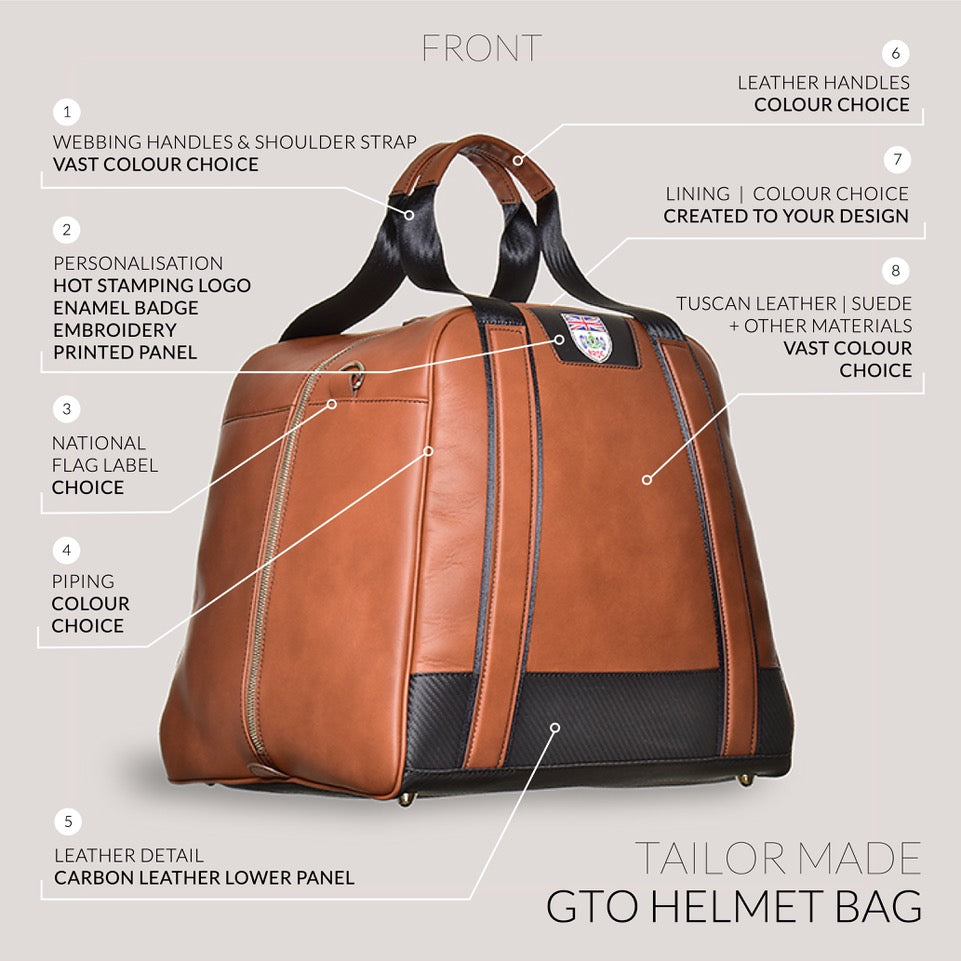
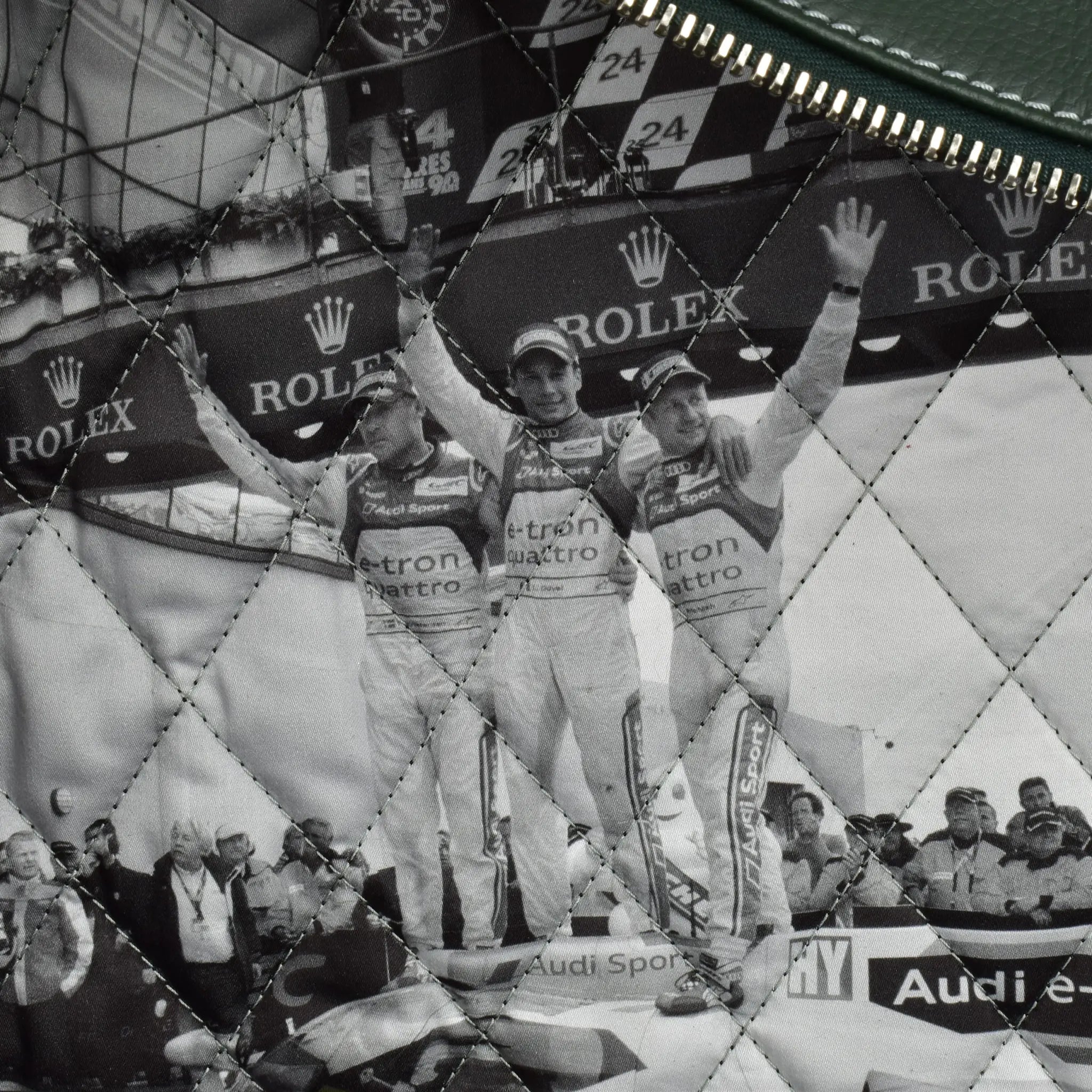
Bring a spare visor or visor-cleaning kit if conditions look changeable. A clear visor in low sun or rain is not a luxury. It is a practical safety measure. A helmet bag with a soft, lined interior also matters: a painted shell, communication unit and visor can all be marked by careless transport. Keep your helmet separate from loose tools, fluids and footwear.
Your clothing should support concentration rather than distract from it. Even where racewear is not compulsory, natural-fibre layers, long sleeves and trousers are sensible, particularly in a performance car with a warm cabin. Well-fitting driving shoes with thin, tactile soles give more consistent pedal feel than bulky trainers. Gloves are optional, though they can improve comfort over long sessions and protect an Alcantara or leather steering wheel from repeated perspiration.
Do not overlook the quieter details: ear protection if your car is particularly loud, sun cream for open paddocks, and a lightweight waterproof layer. British circuits can offer bright sunshine, standing water and a sharp crosswind within the same afternoon.
The Car Kit That Earns Its Place
Track use reveals small weaknesses that road driving can conceal. You do not need to turn your garage bay into a workshop, but a compact, disciplined selection of maintenance items can save a session or help you make a sensible decision to stop.
Start with the car's own essentials: the correct key, locking-wheel-nut adaptor, towing-eye attachment and a copy of any relevant vehicle settings or tyre information. If your car has a removable number plate, make sure you have the fittings and a suitable place to stow it. A small torch is invaluable for looking behind wheels, into engine bays or beneath a seat when light is fading.
A quality tyre-pressure gauge is among the most useful items you can own. Road pressures are rarely the right answer after a sequence of quick laps, and the target will vary with tyre construction, ambient temperature, car weight and driving style. Record your cold pressures, then check them after each meaningful session. There is no universal number worth copying from another driver in the paddock.
A portable inflator, tyre tread gauge and a modest tool roll make a strong foundation. Add nitrile gloves, microfibre cloths, brake cleaner, a roll of durable tape and cable ties. These are not glamorous pieces, but they deal with loose trim, residue on glass and minor niggles without improvisation. Take only the fluids your manufacturer permits, stored upright and securely. Oil, brake fluid and coolant should never be allowed to roam loose among finely made luggage.
Tyres, brakes and fuel deserve restraint
The temptation at a track day is to keep driving while there is still time on the clock. The more accomplished approach is to listen to the car. If pedal feel changes, temperatures rise unexpectedly or the tyres begin to feel imprecise, come in and assess the situation. A cool-down lap is useful, but it is not a cure for a mechanical issue.
Arrive with enough fuel for the first sessions and know the circuit's refuelling arrangements. Some venues are remote, queues can develop, and a thirsty performance engine will make short work of a tank. Likewise, inspect tyres and brake pads before departure, not in the paddock. A day at the circuit should not become an expensive lesson in wishful thinking.
Personal Preparation for a Better Day
A circuit day can be physically demanding, even for an experienced driver. Heat, noise, concentration and adrenaline are draining. Pack water in a reusable bottle and enough simple food to avoid relying entirely on whatever is available at the circuit. Protein-rich snacks, fruit and something savoury tend to travel better than an assortment of sugary convenience food.
Keep your driving licence, event confirmation, membership details and emergency contact information together in a slim document wallet. If you are sharing the car or travelling with a guest, confirm names, briefing times and passenger requirements beforehand. A fully charged phone and compact power bank are useful for logistics, but resist the urge to spend every break reviewing lap footage. Notes on tyre pressures, handling changes and fuel use will often tell you more than an afternoon of scrolling.
Hydration and rest are performance equipment in their own right. A late dinner before an early circuit call may be unavoidable, but fatigue reduces judgement long before it feels dramatic. Build in time to arrive unhurried, sign on properly and let the car cool between runs.
Luggage Is Part of the Track Day Experience
A track day creates an unusually varied packing problem. You may carry a helmet, shoes, gloves, clothing, documents, cameras, laptop, tools and a change of clothes for dinner or the journey home. A battered holdall with a broken zip is not simply out of character beside a special car; it makes organisation needlessly difficult.
The most effective approach is to separate clean, personal kit from mechanical equipment. A dedicated helmet bag protects the item that protects you. A spacious race day kit bag can carry clothing, footwear and refreshments, while a smaller leather case keeps documents, keys and technology readily to hand. This arrangement also makes the end of the day easier: damp gloves and used footwear stay away from the clothes you intend to wear afterwards.
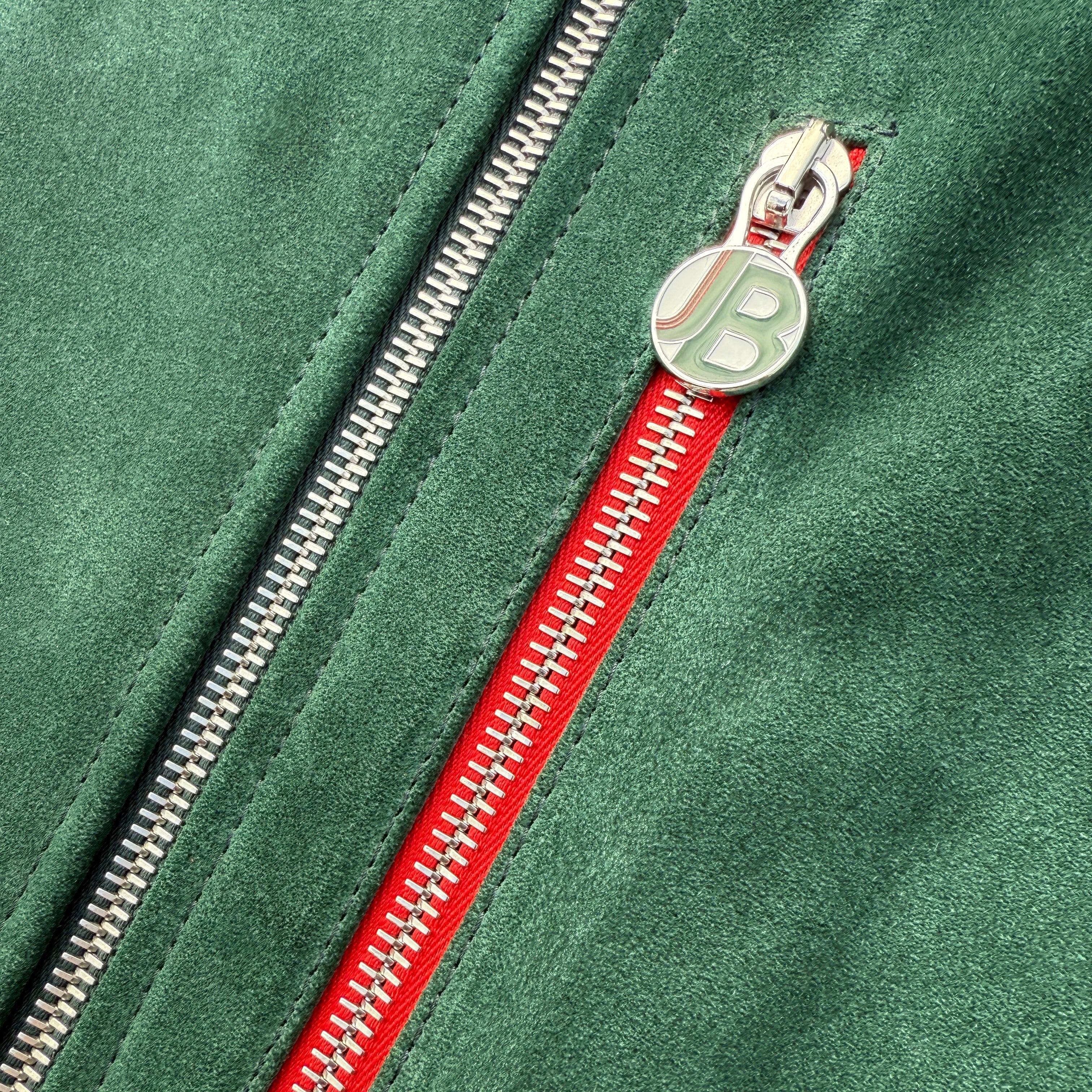
Materials and construction deserve scrutiny. Full-grain leather develops character over years of use, but it should be paired with thoughtful linings and strong hardware that can endure frequent loading and unloading. YKK Excella zips, reinforced handles and a considered internal layout are practical choices, not decorative claims. For drivers who travel to circuits across Europe or attend multi-day events, a garment carrier can be especially useful, preserving a jacket or eveningwear after a day in the cockpit.
Jordan Bespoke approaches this kit as an extension of the driver's identity, with Italian-made leather goods that may be commissioned around a car's paintwork, interior tones, racing number or personal history. That level of detail is not necessary for every day at the circuit, of course. Yet a piece made with intention can turn routine preparation into a small ritual worth keeping.
A Packing System That Works at the Circuit
Pack the evening before and place items in the order you will need them. Documents, keys and phone belong in an accessible outer pocket or small case. Helmet, gloves and shoes should be easy to retrieve before the briefing. Tools, fluids and cleaning materials go in a separate, stable container in the boot, ideally secured so they cannot shift under braking.
Before setting off, make one final walk around the car. Check wheel bolts, tyre condition, fluid levels, lights and the removal of any loose items from the cabin. Empty door bins, cupholders and gloveboxes. A loose object becomes a distraction quickly when braking from speed.
The best track day essentials are not about carrying more. They are about bringing the right things, placing them properly and respecting the car enough to be prepared for what the circuit asks of it. Pack with the same care you bring to the first turn, and the day has every chance of becoming one you will want to repeat.