


 The Choice of Champions
The wrong briefcase announces itself before you even put it down. The handle cuts awkwardly into the hand, the body collapses when set beside a desk, the leather looks glossy for a season and tired the next. By contrast, a handcrafted Italian leather briefcase has a quiet authority. It feels considered from the first grip - balanced, structured and made with the sort of integrity that reveals itself over years rather than weeks.
For those who care how objects are made, that distinction matters. A briefcase is not merely a vessel for a laptop, papers and daily essentials. It is part of one’s personal uniform, a companion in boardrooms, airports, paddocks and private lounges. It should carry with the same confidence as a tailored jacket or a well-specified grand tourer. Anything less quickly feels disposable.
What sets a handcrafted Italian leather briefcase apart
Italy has earned its place in the world of leather goods not through marketing, but through repetition of excellence. In the finest workshops, leather is selected with restraint, cut with precision and assembled by hands that understand both form and longevity. The difference is not only visual. It is structural.
A well-made briefcase begins with hide selection. Full-grain and top-quality vegetable-tanned leathers from respected Tuscan tanneries develop depth and character with wear rather than simply deteriorating. The surface retains natural variation, which is precisely the point. Perfect uniformity often suggests correction and compromise, while subtle grain and tonal shift speak to authenticity.
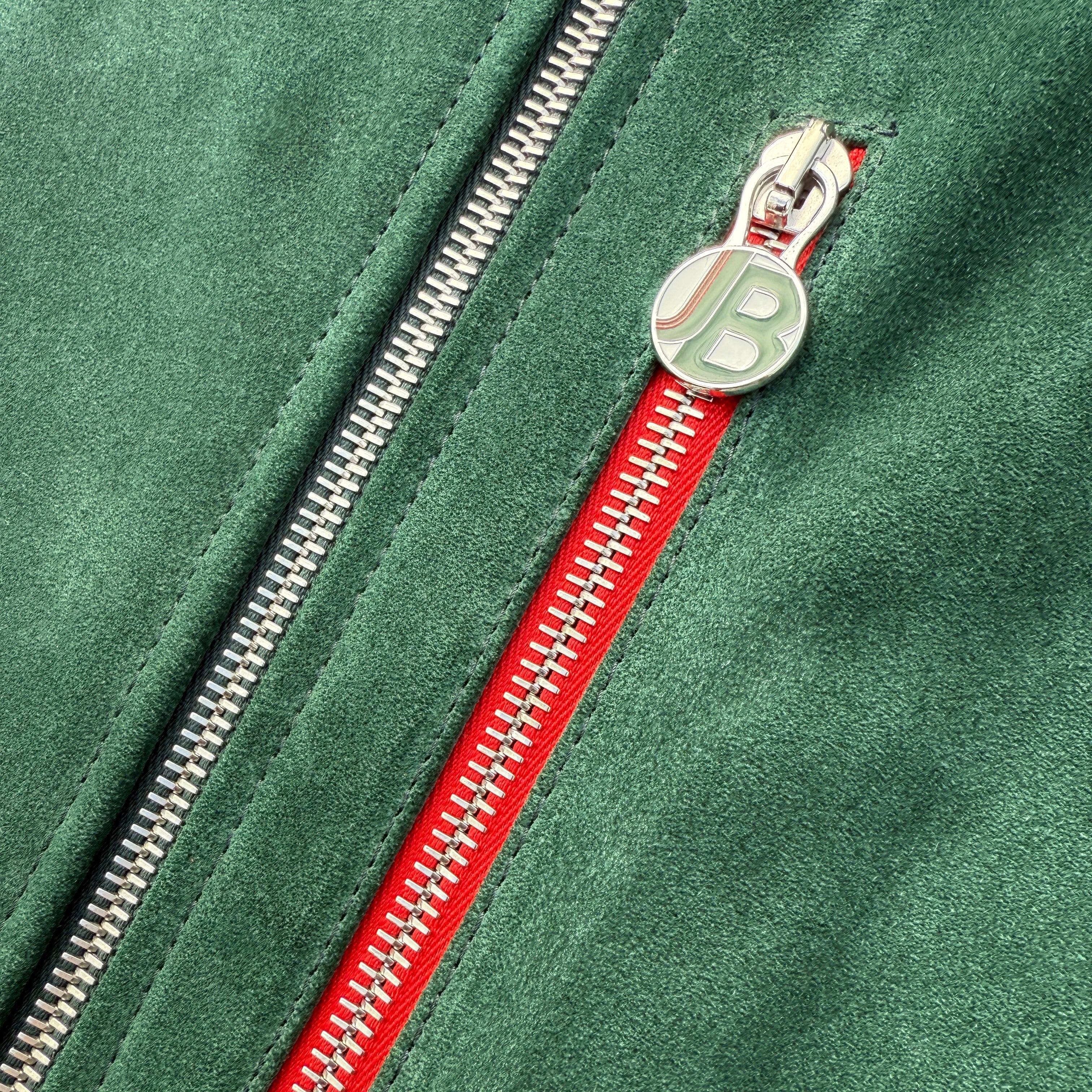
Construction matters just as much as the leather itself. Panels must be firm enough to hold their shape, yet not so rigid that the case feels lifeless. Stitching should be even, tight and discreet. The edge finishing should feel deliberate under the fingertips. Hardware must have substance, whether polished or brushed, and zips should move with certainty rather than effort. Details such as these can seem minor in isolation, yet together they define whether a briefcase feels engineered or merely assembled.
The value of craft over mass production
Luxury is often mistaken for branding. True luxury is far less noisy. It resides in decisions that take longer, cost more and cannot easily be scaled.
Mass-produced briefcases are usually designed around efficiency. Leather may be heavily corrected to achieve visual consistency. Internal reinforcement is often simplified. Corners and handles - the very areas that endure the greatest strain - can be made to a price rather than to a standard. Such bags may look respectable on day one, but daily use exposes shortcuts quickly.
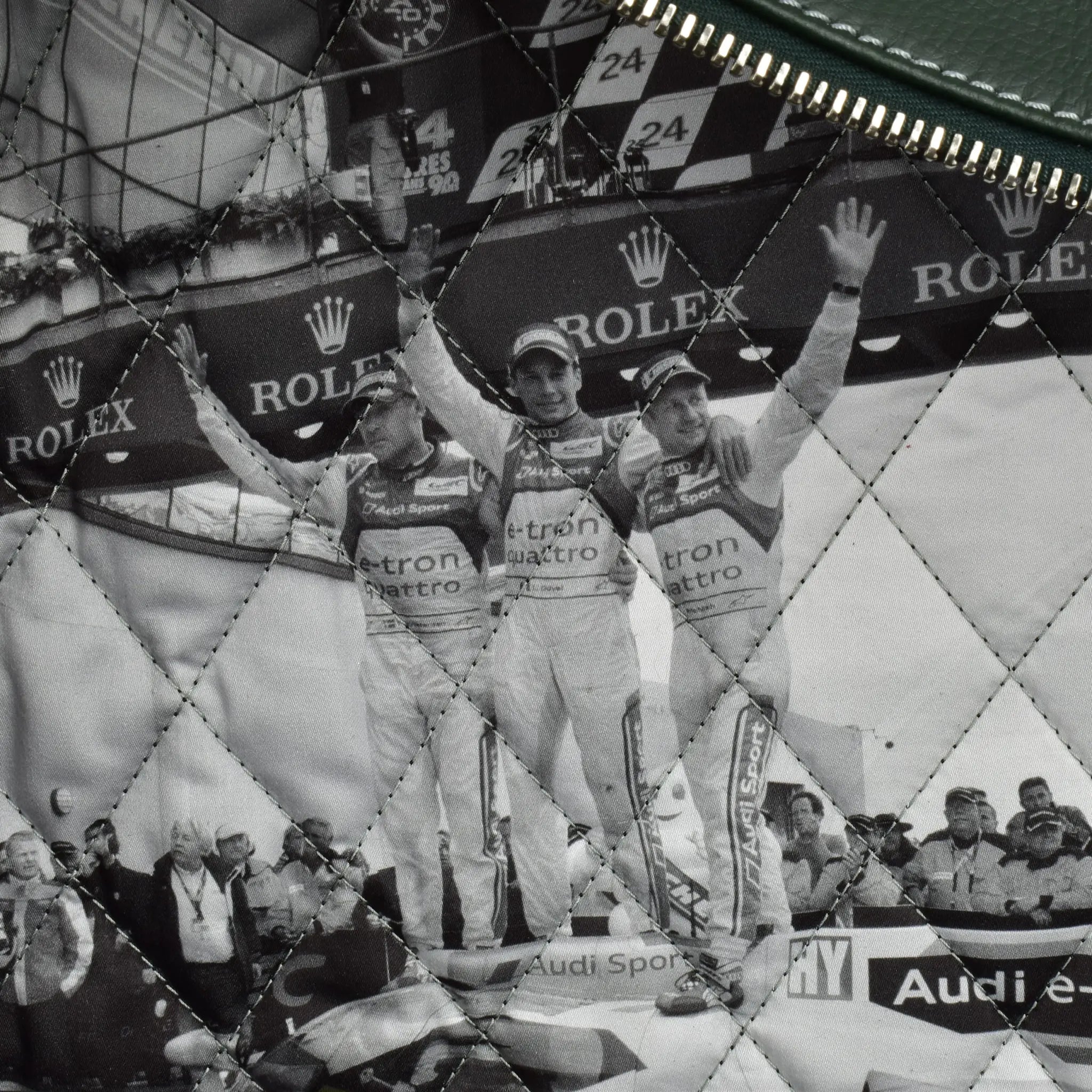
A handcrafted Italian leather briefcase is made differently because the maker expects it to be used properly and kept for years. The handle attachment is reinforced because that point carries the full weight of the bag. The base is considered because it must stand with composure. The lining is chosen not merely for appearance, but for durability and tactile pleasure. In a bespoke context, these choices become even more exacting, because the client is not buying a generic solution. He is commissioning an object that reflects his standards.
That is why craftsmanship is not sentimental. It is practical. Better work ages better.
Why proportion and structure matter
A briefcase can be made from excellent materials and still fail if its proportions are wrong. This is where many luxury bags miss the mark. They are handsome in a still photograph but clumsy in use.
The best examples are disciplined in silhouette. They sit neatly under the arm, move cleanly through a car door and rest with confidence on a luggage rack or meeting table. They are slim enough to remain elegant, yet generous enough to accommodate the modern essentials - laptop, notebook, charger, documents and perhaps a watch roll or small tech case. That balance is difficult to achieve, and it is one of the clearest signs of experienced design.
Structure also affects how a briefcase complements the owner. A softly collapsing body can feel informal, which may suit travel, but often lacks authority in a business setting. A heavily rigid case, on the other hand, can become cumbersome. The strongest designs strike a middle ground - poised, architectural and comfortable to carry. For the discerning individual, that measured restraint is often what makes a piece feel genuinely refined.
Bespoke details make the piece personal
This is where a briefcase moves beyond quality and into identity. Fine leatherwork becomes especially compelling when the specification is personal.
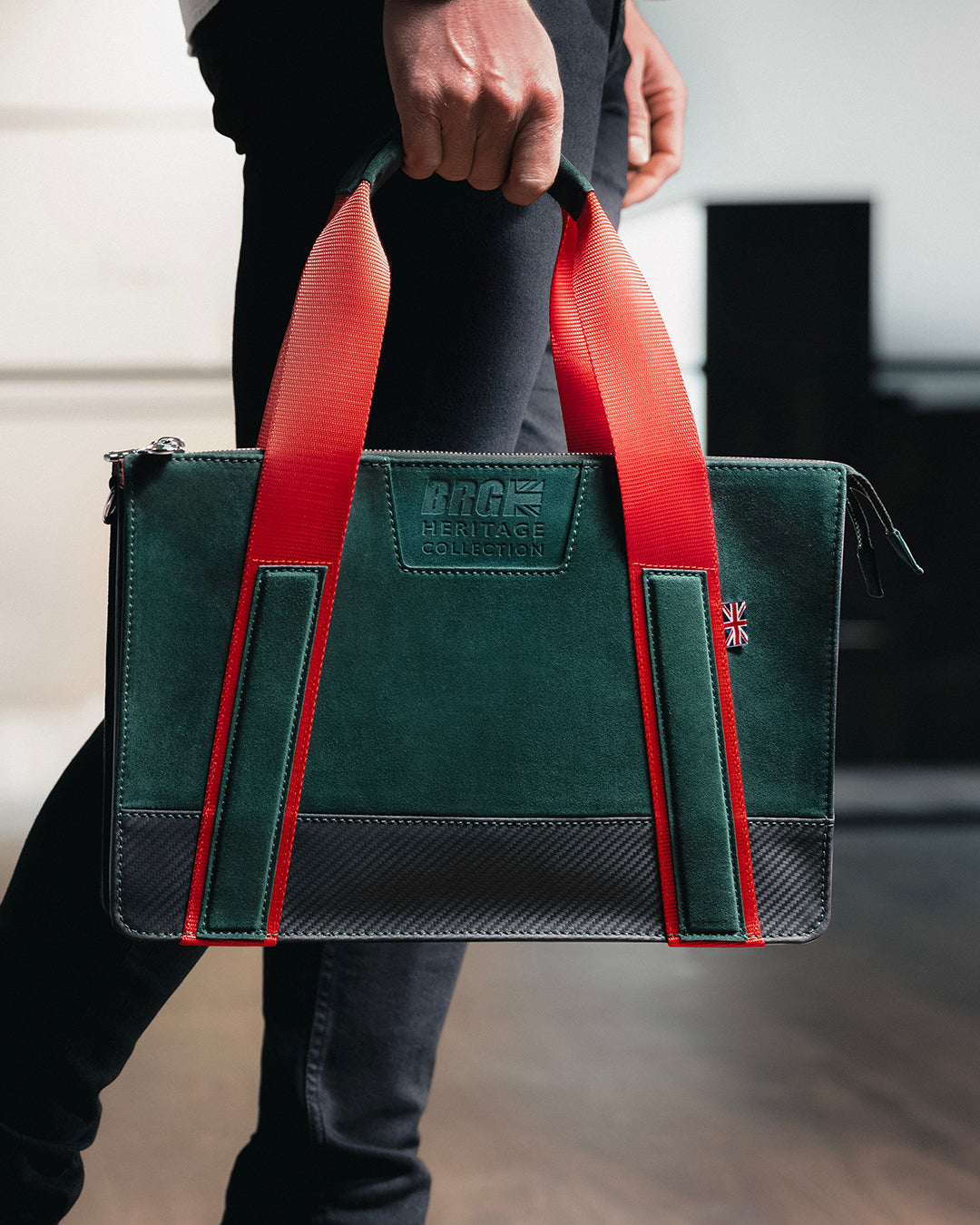
A bespoke briefcase may take its character from a motor car’s cabin, a racing livery, a club colour or a family crest rendered with subtlety. The leather hue, contrast stitching, suede or Alcantara lining, zip finish and handle shape can all be chosen to create an object that feels unmistakably one’s own. Done well, these details are not theatrical. They are precise signals, understood first by the owner and then by those with an equally educated eye.
For enthusiasts, this is often the real appeal. The briefcase becomes a continuation of a broader collecting instinct - the same instinct that appreciates hand-finished veneers, polished metal switchgear and beautifully weighted controls. Commissioning a leather piece with that same level of intent feels natural. It belongs to a life where objects are selected with care and kept because they mean something.
Jordan Bespoke understands this language well, pairing British design sensibility with hand-made Italian production to create pieces that carry both heritage and individuality.
Choosing the right handcrafted Italian leather briefcase
The right choice depends on how the briefcase will live with you. If it is destined for daily business use, structure and organisation should take precedence. A dedicated laptop compartment, measured internal pockets and a secure zipped closure are essential, but so is visual discipline. Too many compartments can make a case bulky and inelegant.
If the briefcase will travel frequently, weight becomes more important. Thick leather has presence, but excessive heft can become tiresome when combined with documents and electronics. In that case, look for a design that uses high-quality leather intelligently rather than extravagantly, supported by strong but discreet reinforcement.
Handle comfort is another point often overlooked. You notice it only after a long terminal walk or a full day of appointments, and by then it is too late. A proper rolled or shaped handle should feel natural in the hand and remain comfortable under load. The shoulder strap, if included, should be equally well resolved. A detachable strap can be useful, but it should not compromise the elegance of the piece when removed.
There is also the question of finish. A smooth, formal leather gives a cleaner and more architectural appearance. A richer grained leather can feel slightly more relaxed and expressive. Neither is inherently superior. It depends on whether you want the briefcase to read as boardroom-sharp or quietly versatile.
How it should age
One of the pleasures of owning fine leather is that time improves it. Not all ageing is equal, however. Cheap leather cracks, peels or goes flat. Better leather softens in the right places, deepens in tone and develops a patina that records use without appearing worn out.
This is why maintenance should be viewed as stewardship rather than chore. Keep the briefcase clean, store it properly and condition it when needed, not obsessively. Let it breathe. Do not overfill it. Respect the object and it will return the favour over many years.
The marks that come with ownership are not necessarily flaws. A slight softening at the handle, a richer tone along the edges, a gentle sheen where the leather is most often touched - these are signs of life. They make the briefcase less generic and more yours.
A briefcase as a symbol of individuality
For some, a briefcase is simply another accessory. For others, it sits in the same category as a handmade shoe, a mechanical watch or a beautifully commissioned interior - objects chosen not because they are necessary, but because they express standards.
That is the enduring appeal of a handcrafted Italian leather briefcase. It brings together material excellence, disciplined design and the pleasure of ownership in a way few modern accessories can. It does a functional job, certainly, but it also conveys discernment without needing to announce itself.
Choose one well, and it will do more than carry your day. It will gather history with you, quietly improving with every journey, every meeting and every mile.