


 There is a marked difference between a bag that simply carries belongings and one that says something about its owner before it is even opened. The best British-designed leather bags do exactly that. They carry the discipline of tailoring, the restraint of proper engineering, and the quiet confidence that comes from details resolved with care rather than noise.
For a discerning owner, that distinction matters. A leather holdall placed in the boot of an Aston Martin, a briefcase carried into a Mayfair meeting, or a race day bag set down in the paddock should never feel generic. It should feel considered, personal, and made for the life around it. That is where British design has long excelled - not in excess, but in proportion, understatement, and character.
What defines British-designed leather bags
British design has always had a particular sensibility. It is shaped by heritage, certainly, but not trapped by nostalgia. At its best, it takes traditional codes - fine leather, structured silhouettes, hardware chosen for longevity rather than fashion - and refines them for modern use.
In leather goods, that often means balance. A British-designed bag tends to avoid flamboyance for its own sake. The lines are clean, the proportions disciplined, and the function never an afterthought. You see it in the way handles sit neatly in the hand, how pockets are placed where they are genuinely useful, and how the bag retains its presence whether paired with tailoring, driving attire or weekend wear.
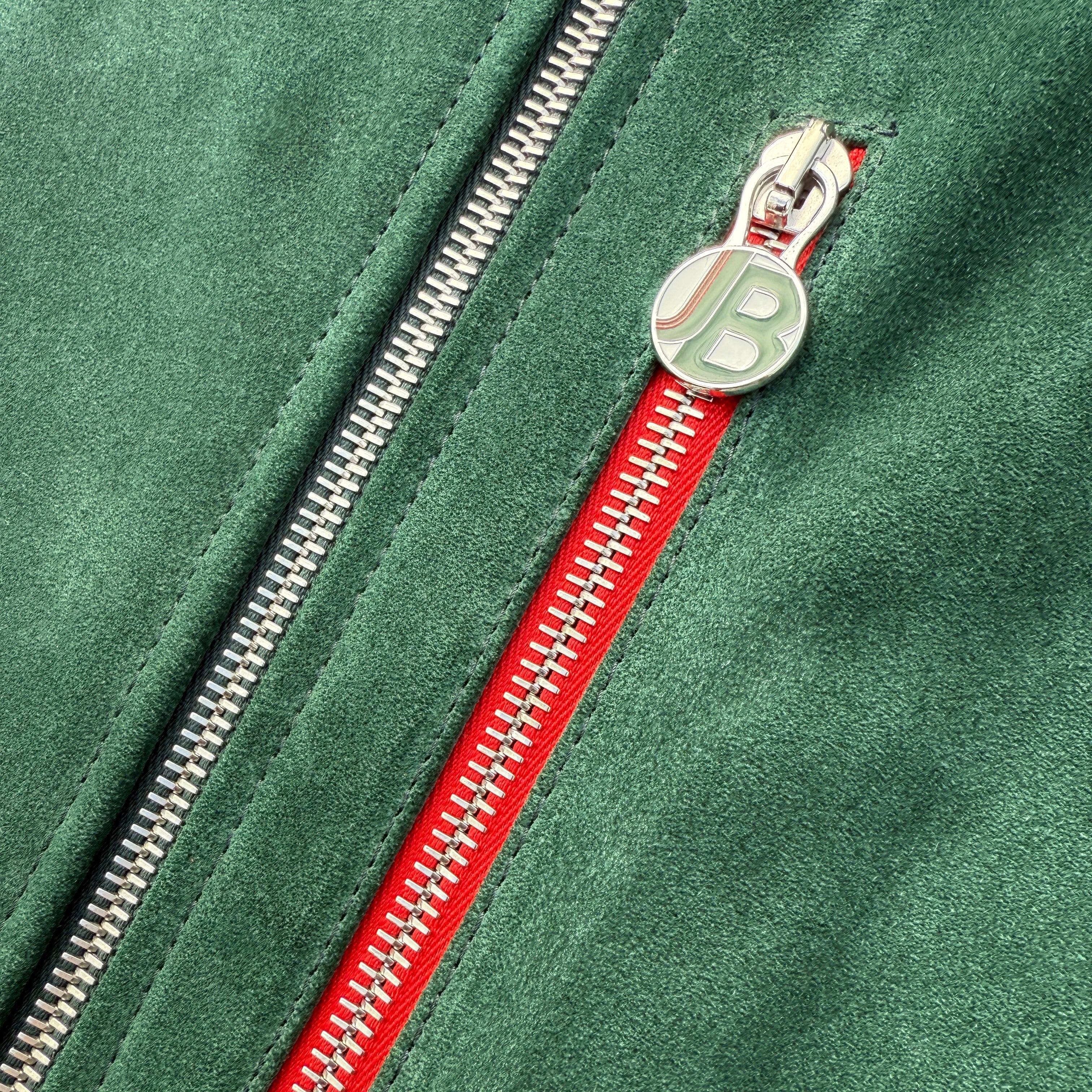
That restraint should not be mistaken for simplicity. True luxury is rarely loud. The most compelling pieces reveal themselves over time: the weight of full-grain leather, the neatness of the stitching, the quality of the zip, the way the interior has been planned for the owner rather than for mass-market appeal.
The appeal of British design in leather goods
Part of the attraction lies in cultural memory. Britain has an enduring relationship with craftsmanship - from Savile Row to coachbuilding, from military utility to grand touring elegance. Those traditions leave a visible imprint on leather goods. A well-designed bag can borrow the precision of a tailored jacket, the practicality of a motoring case, or the poise of a vintage travel trunk without becoming costume.
For many clients, especially those with an eye for cars and motorsport, that connection feels entirely natural. British design shares much with the finest automotive thinking. Both value proportion, purpose and tactile quality. Both understand that the emotional response to an object often comes from the details no one is obliged to notice.
There is also a certain confidence in British restraint. In a market crowded with oversized logos and trend-led styling, a British-designed leather bag often feels more assured because it does less. It does not need to prove itself instantly. It is made to be appreciated by those who recognise quality on sight.
Why materials and construction matter as much as design
Design may set the tone, but materials determine whether a bag deserves to be kept for years. This is where many ostensibly luxury bags disappoint. They photograph well, but they do not age well. The leather is too corrected, the structure too flimsy, the fittings too ordinary.
The finest British-designed leather bags avoid that compromise. Full-grain or carefully selected premium hides develop character with use rather than simply wear out. Suede or Alcantara linings add tactility and depth. Superior metalwork, whether polished, brushed or antiqued, gives the bag a sense of substance every time it is opened or closed.
Construction matters just as much. Clean edge finishing, properly reinforced handles, considered base panels and dependable zips are not decorative touches. They are the difference between a piece that travels elegantly for a decade and one that begins to fail after a season. For clients accustomed to beautifully engineered cars, these distinctions are not minor. They are the whole point.
British-designed leather bags and the automotive world
This is where the category becomes particularly compelling. A leather bag inspired by motoring should do more than borrow racing stripes or quilted panels. It should understand the culture it references.
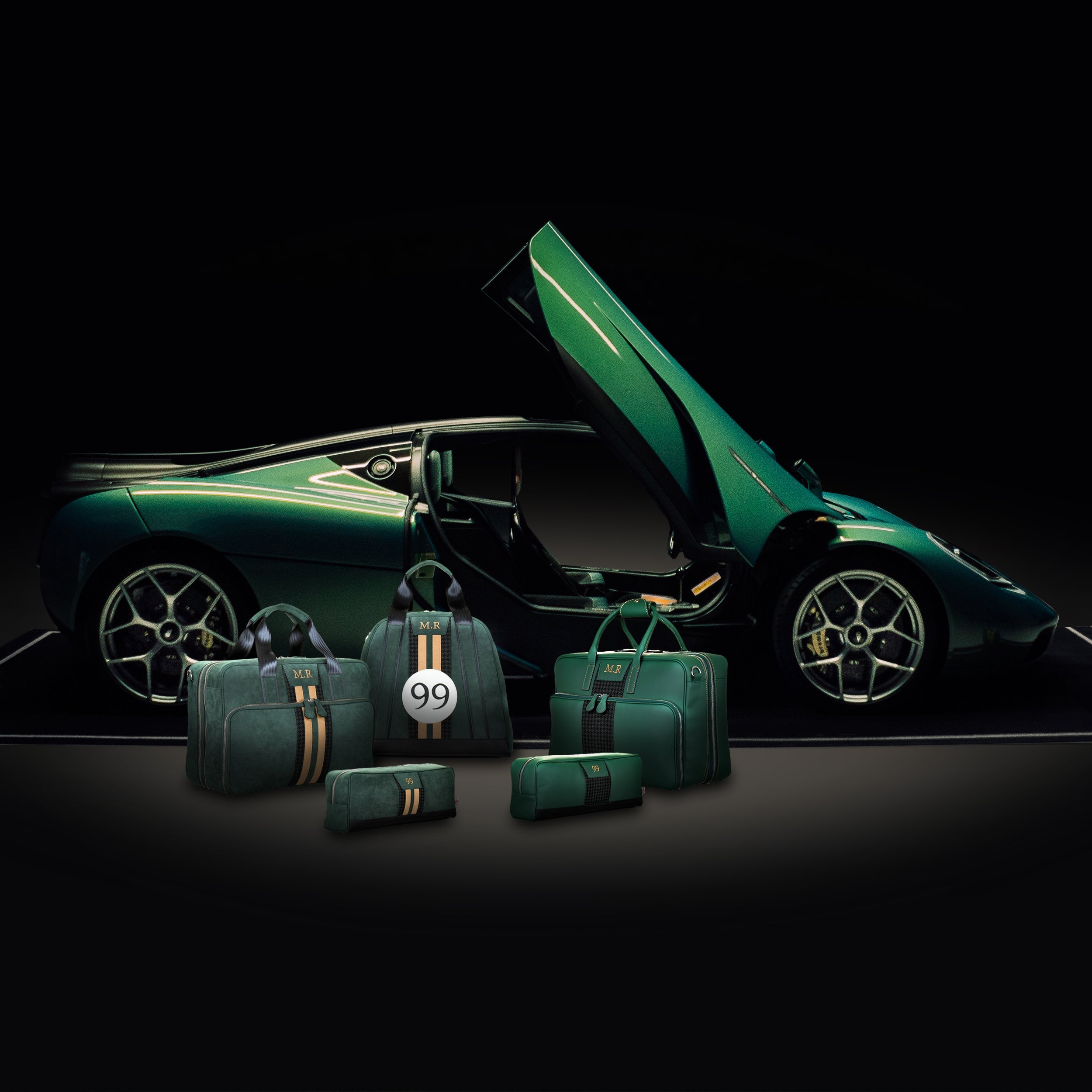
Automotive and motorsport enthusiasts notice authenticity quickly. A bag intended for race days, touring weekends or regular business travel should feel at home alongside finely engineered machinery. That may mean a profile that sits neatly within a luggage shelf, a leather and Alcantara pairing that echoes an interior specification, or colour accents that recall a marque’s heritage livery.
Done well, such details never feel theatrical. They feel coherent. The bag becomes part of a wider personal world - one that may include a cherished grand tourer, a collection of motoring books, a favourite watch, or memories tied to circuits and road trips. In that sense, luxury leather goods are not merely accessories. They are symbols of individuality.
Bespoke versus off-the-shelf
This is one of the most important distinctions in the market, and it depends entirely on what the owner values.
A ready-to-own bag can be an excellent choice when the design is strong and the construction uncompromising. There is satisfaction in finding a piece whose shape, leather and detailing already feel exactly right. For some, that immediacy is part of the appeal.
But bespoke offers something fundamentally different. It allows the owner to shape the piece around personal taste and personal history. Dimensions can be adjusted to suit the way one travels. Leather, stitching and lining can be selected to complement a car interior or reference a motorsport past. Monograms, discreet embroidery or highly specific design cues can transform a handsome object into something deeply individual.
That level of customisation is not for everyone. It requires patience, confidence in one’s taste, and a willingness to commission rather than simply purchase. Yet for those who understand the pleasure of specification - whether in tailoring, watchmaking or motor cars - it is often the most rewarding route of all.
How to recognise quality in British-designed leather bags
The first test is proportion. A luxurious bag should look resolved from every angle. Nothing should feel awkwardly oversized, meanly cut or added as an afterthought. Elegant proportion is harder to achieve than decoration, and it is usually the clearest sign of serious design.
The second is touch. Leather should feel rich and convincing, not plasticky or overly processed. Handles should have structure without stiffness. The bag should hold its form, but not feel lifeless.
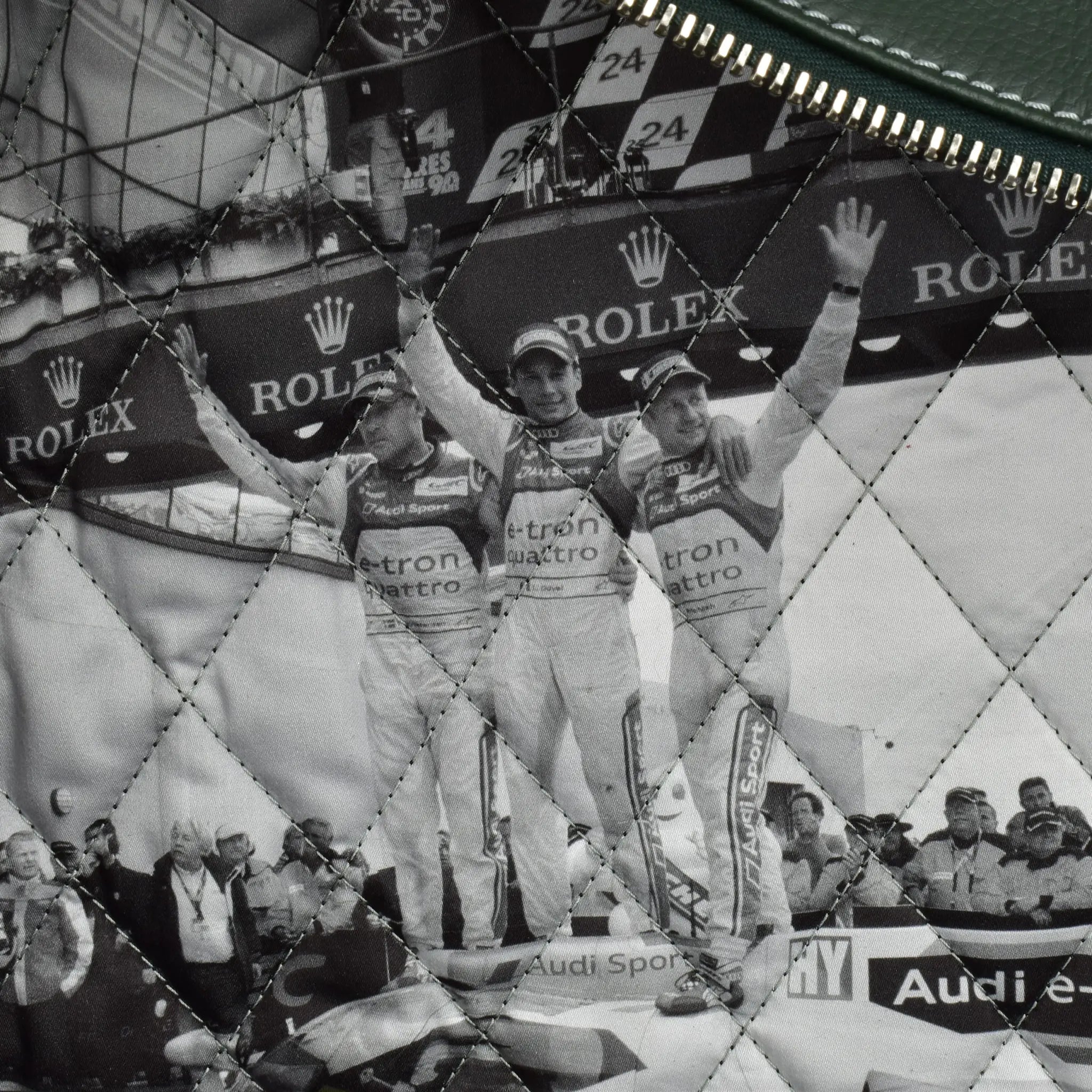
Then look closer. Stitching should be straight and evenly tensioned. Hardware should have pleasing weight. The interior should be finished with the same seriousness as the exterior. If a maker cares only about what is seen at first glance, the bag will reveal that quickly.
Finally, ask whether the design will still appeal in five or ten years. Trends are easy. Permanence is far rarer. The bags worth investing in tend to carry a sense of continuity - pieces crafted for life rather than for a single season.
A question of origin and craftsmanship
There is an important nuance here. British-designed does not always mean British-made, and for many luxury houses that is not a contradiction. Design origin and manufacturing expertise are separate disciplines, both of which matter.
A bag conceived through a distinctly British lens may be brought to life by specialist artisans elsewhere, particularly where leatherworking traditions are exceptional. When that relationship is handled properly, the result can be highly compelling: British design discipline paired with world-class hand craftsmanship.
For the client, what matters most is honesty and execution. Where was the piece designed? Where was it made? What materials were chosen, and why? Luxury should never need to hide behind vague language. It should be confident enough to explain itself.
This is precisely why brands such as Jordan Bespoke hold such appeal for a certain kind of owner. The proposition is clear: British design sensibility, Italian handcraft, and a deeply personal approach shaped by automotive culture. That clarity gives the product authority.
Why these bags continue to resonate
The enduring appeal of British-designed leather bags comes down to more than heritage. It lies in their ability to bridge utility and emotion with unusual ease. They are practical objects, yes, but also expressions of taste, memory and identity.
A fine bag accompanies real life closely. It travels, it acquires patina, it appears in moments that matter - departures, arrivals, meetings, weekends away, drives taken for no reason other than pleasure. Over time, it becomes associated with those experiences. The right piece does not merely survive that life. It grows into it.
For those who care about craftsmanship, engineering and the pleasures of ownership, that is reason enough to choose carefully. The best bags are not purchased to fill a wardrobe. They are commissioned or selected because they feel right in the hand, right in the car, and right for the person carrying them.
Choose one with that standard in mind, and it will do more than carry what you need. It will carry your character with proper conviction.