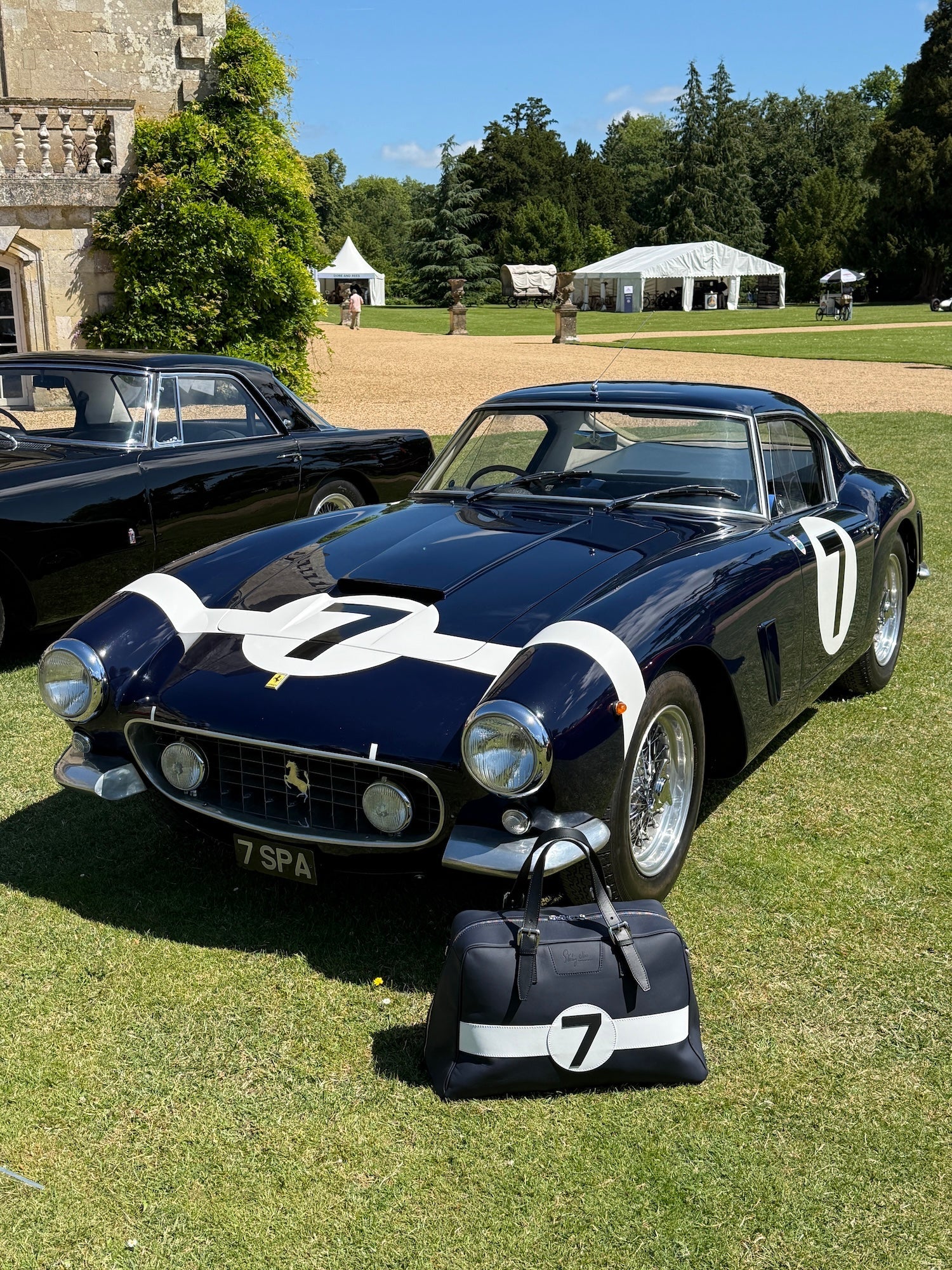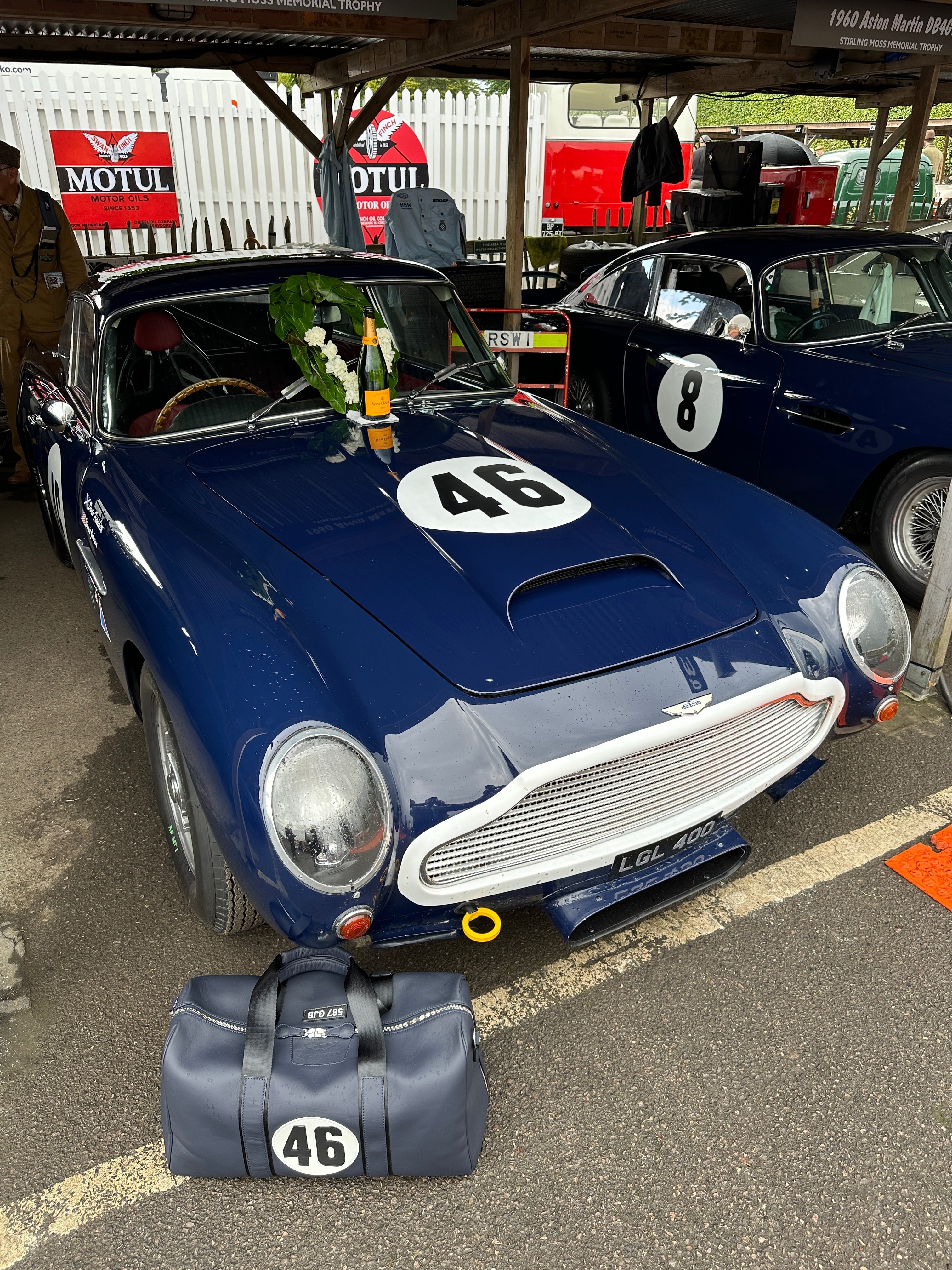


 You can learn a great deal about a driver before the engine is even started. The grain of the leather, the weight of a key case, the way a document holder fits the glovebox, the finish on a weekend bag placed behind the seats - these details reveal whether ownership is merely practical or deeply personal. That is precisely why personalised driving accessories hold such appeal. For the discerning enthusiast, they are not afterthoughts. They are part of the car’s world.
A truly considered motor car is rarely judged only by bhp figures or a badge on the bonnet. It is judged by coherence. The exterior specification, the cabin materials, the history behind the marque, the habits of the owner - all of it forms a complete picture. Accessories should do the same. When chosen well, they extend the design language of the vehicle and reflect the character of the person who commissioned it.
What personalised driving accessories really say
There is a clear difference between something customised for novelty and something personalised with intent. The former tends to announce itself too loudly. The latter feels inevitable, as though it should always have existed in that form. This distinction matters in the luxury world, where restraint often speaks more clearly than ornament.
Personalised driving accessories can be subtle: a hand-crafted leather folio lined to echo a seat insert, a luggage tag stamped with a racing number of private significance, or a valet tray finished in the same hue as a favourite grand tourer. They can also be more expressive, referencing a motorsport past, a family crest, a chassis detail, or the colours of a celebrated livery. In each case, the objective is not decoration for its own sake. It is continuity.
For many owners, that continuity creates an emotional charge that mass-produced accessories simply cannot match. A bespoke item becomes tied to first drives, continental tours, concours weekends, race meetings and long-anticipated handovers. Over time, it takes on the same quiet authority as the motor car itself.
The case for personalised driving accessories in leather
Leather remains the most compelling material for this category because it ages with dignity and responds beautifully to craftsmanship. A proper hide develops character rather than simply showing wear. It records use in a manner that feels earned. That quality makes it especially suited to pieces designed to accompany years of driving, travelling and collecting.
Not all leather accessories deserve the same reverence, of course. Material quality, cut, edge finishing, stitch consistency and hardware all determine whether an item will mature gracefully or decline quickly. For an audience accustomed to the fit and finish of a Bentley cabin or the tactility of an Aston Martin steering wheel, mediocre construction is immediately apparent.
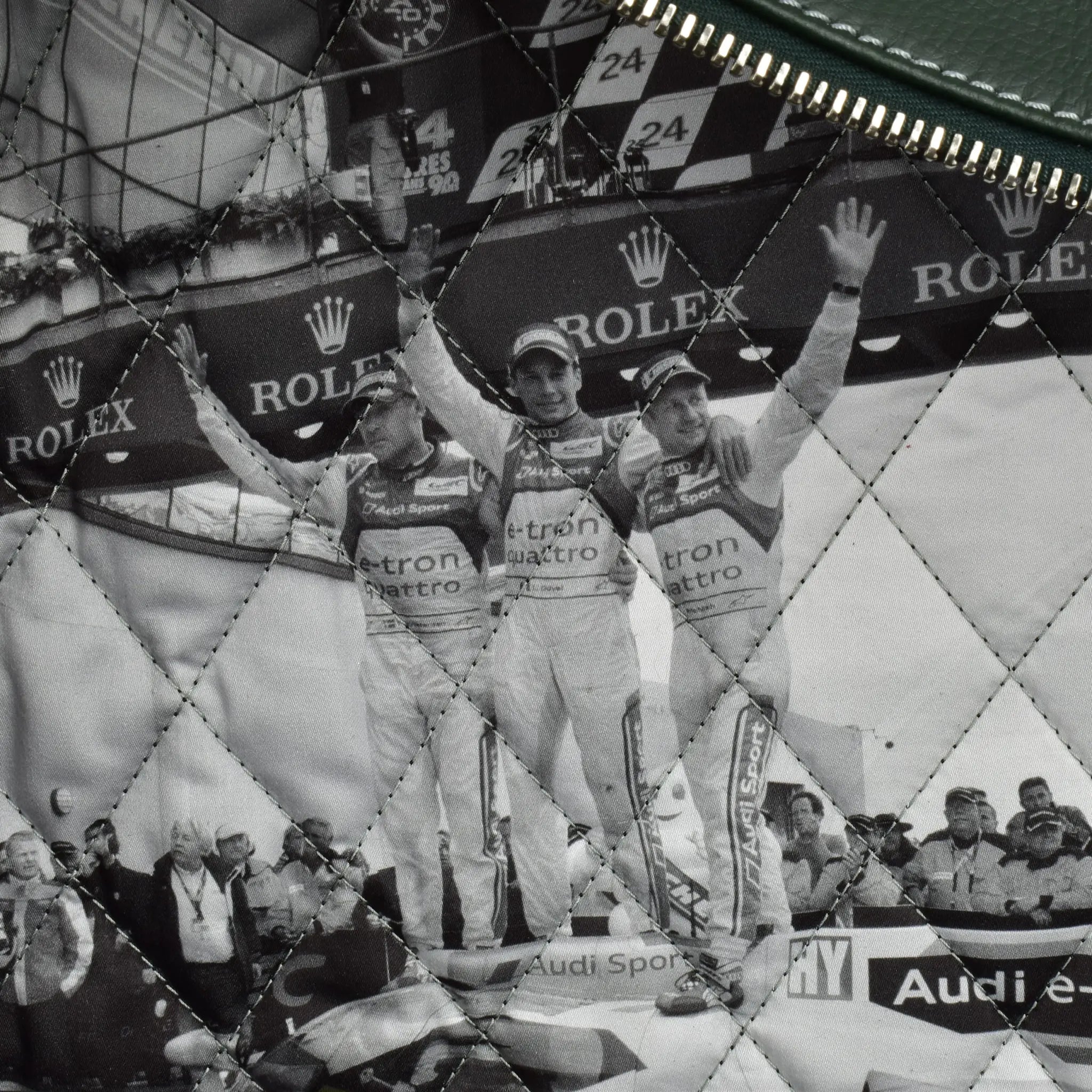
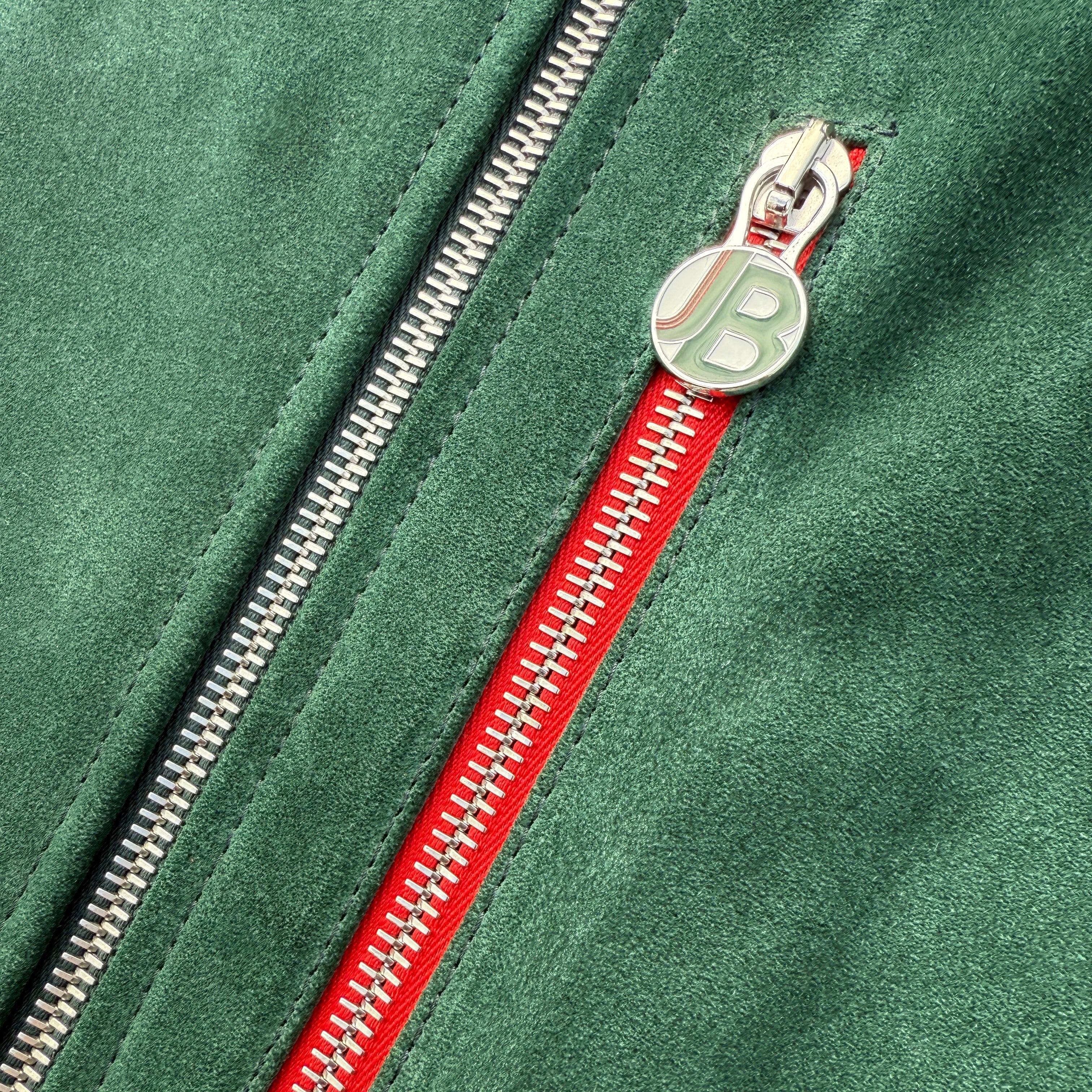
This is where artisanal production matters. Hand-made pieces created in small quantities, using premium leathers and carefully selected components, offer a level of precision that industrial output rarely reaches. Details such as polished metal zips, hand-painted edges and tailored linings are not trivial. They are what separate a luxury object from a generic one wearing a higher price.
There is also a practical reason leather remains so closely associated with motoring culture. It belongs naturally in the automotive environment. It complements walnut, aluminium, carbon fibre and wool. It feels correct in a garage, a pit lane, a hotel forecourt and the cabin of a grand tourer. Few materials move so comfortably across those settings.
Where personalisation adds value
The strongest personalised accessories do more than carry initials. They are designed around the owner’s habits and the vehicle’s character. That might mean a travel bag proportioned to sit neatly on a rear shelf, a watch roll created for race weekends, or a document case with dedicated space for registration papers, insurance details and event passes.
This is where bespoke design becomes especially valuable. The finest commissions take cues from the car itself without descending into imitation. A lining might pick up a contrast stitch from the cabin. A leather tone may echo the interior rather than match it precisely. A discreet embossed motif may reference a model designation or competition number. These choices reward the owner without demanding attention from everyone else.
There is, however, a balance to be struck. Over-personalisation can date a piece or make it feel too narrowly tied to a single moment. A monogram in the wrong scale, an overly literal graphic treatment or an excess of bright contrast can diminish the elegance of an otherwise exceptional object. The best houses understand this instinctively. They know when to edit.
Personalised driving accessories for travel and race days
For many enthusiasts, motoring is inseparable from movement. It means a dawn departure for Goodwood, a cross-country run to Scotland, a ferry to the Continent, or a flight to a historic race meeting with helmet and kit in tow. Accessories designed for that rhythm should be as considered as the journey itself.
A proper holdall, garment carrier or helmet bag brings order to travel, but it also contributes to the ritual. Packing becomes part of the experience. A tailored bag in rich leather and durable canvas, built with strong hardware and thoughtful compartments, feels entirely different from an anonymous off-the-shelf alternative. It belongs beside a car of substance.
Race day pieces are particularly interesting because they must unite beauty with utility. A helmet bag must protect valuable equipment. A kit bag must withstand repeated use. A tech case must keep chargers, timing gear or communication devices organised without fuss. If these objects are to justify their place, they need to perform as well as they present.
That practical standard is often overlooked in discussions about luxury. Yet genuine luxury should make life easier, not merely look attractive in photographs. Personalisation earns its keep when it improves the owner’s experience - through fit, organisation, identification and durability - while still carrying the visual language of the car and the individual.
Heritage, motorsport and the power of narrative
Automotive enthusiasts are rarely buying objects in isolation. They are buying stories, references and affiliations. A set of personalised driving accessories can honour a marque’s lineage, mark the acquisition of a significant car, or echo a period of racing history that still resonates with the owner. That narrative element is one reason bespoke accessories feel so potent.
A driver with a long relationship to Porsche may favour disciplined understatement, technical exactitude and monochrome elegance. A Ferrari owner may lean towards richer colour, softer sensuality and more overt sporting cues. A collector drawn to classic British cars may value heritage palettes, saddle leathers and details that feel rooted in coachbuilding tradition. There is no single correct expression. It depends on the vehicle, the owner and the mood they wish to create around both.
When executed with taste, these references lend accessories lasting significance. They become symbols of individuality rather than simple possessions. That is a more enduring proposition than trend-led luxury, which can feel tired almost as soon as it arrives.
Why craftsmanship matters more than ever
The market is full of products promising customisation, but much of it amounts to surface-level choice. Select a colour, add initials, wait for dispatch. True bespoke work is slower and far more exacting. It considers proportion, material behaviour, intended use and the relationship between owner and object.
That process matters because people who care deeply about cars tend to care deeply about standards. They understand tolerances. They recognise quality. They know the difference between something assembled and something made. In that sense, luxury automotive accessories should be held to the same scrutiny as the cars that inspire them.
This is also why brands such as Jordan Bespoke resonate with a particular type of client. Not merely because they offer customisation, but because they approach it with the seriousness of a specialist maker. British design, Italian craftsmanship, premium materials and automotive understanding combine to create pieces that feel properly resolved rather than simply personalised.
Choosing pieces that will last
If you are considering personalised driving accessories, begin with how you actually use your car. A grand tourer used for weekends away calls for different pieces than a track-focused machine or a collector’s car driven chiefly to events. Utility should lead, then style should refine it.
Next, think about longevity. The best commissions are neither too generic nor too tied to a passing mood. Choose colours and details you will still admire in ten years. Consider materials that will wear beautifully. Favour craftsmanship you can see and feel.
Finally, allow room for subtlety. The most sophisticated personalisation often whispers. It reveals itself in the quality of the leather, the precision of the stitching, the harmony of the palette and the intelligence of the design. That kind of confidence never dates.
The right accessory does not compete with the car. It completes the ownership experience, quietly affirming that every detail has been chosen with care.