

The first stop of a proper driving holiday should not involve unpacking half the boot to find a charging cable, a jacket or the hotel booking. Whether the route runs from the Cotswolds to the Scottish Highlands or follows the quieter roads of Provence, the best leather accessories for driving holidays bring order to the cabin and character to every arrival. They should fit the car as thoughtfully as they fit the journey: purposeful, beautifully made and ready for years of use.
A fine grand tourer or sporting classic deserves more than generic luggage squeezed beneath its parcel shelf. Leather accessories bring tactility, permanence and a degree of personal expression that nylon cannot replicate. The right selection is not necessarily the largest. It is the one that makes a long weekend feel considered from the moment the garage door opens.
The best leather accessories for driving holidays
The most useful pieces fall into two categories: luggage that earns its place in the boot, and compact accessories that keep the cabin calm. Start with how you travel. A two-night hotel escape requires a different arrangement from a week between continental cities, while a modern Porsche 911 presents different luggage constraints to an Aston Martin DB5 or a Bentley Continental GT.
The common thread is proportion. A well-made leather piece should use the available space intelligently without turning loading into a puzzle. It should also look at home beside fine paintwork, polished metal and a carefully specified interior.
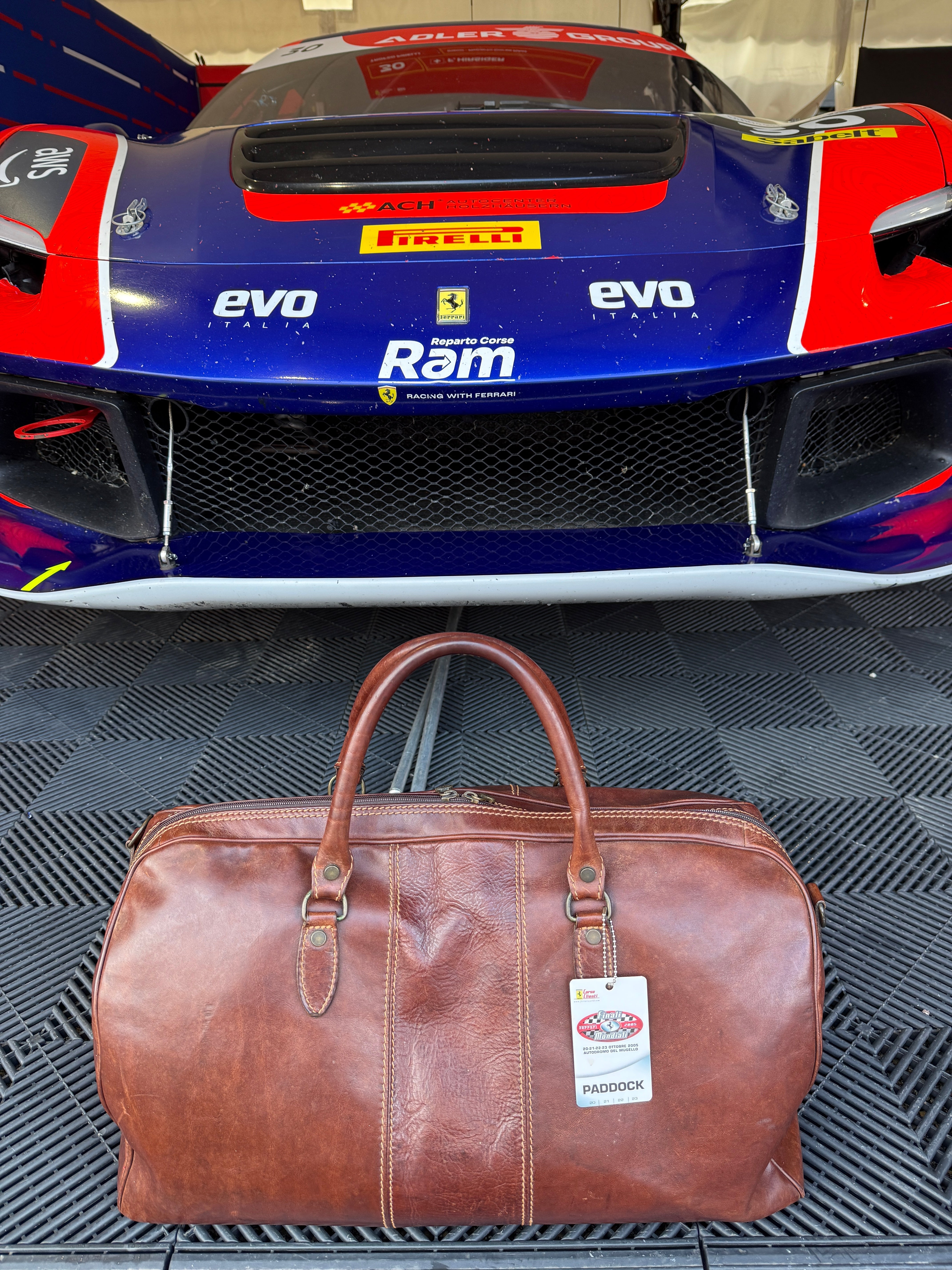
A tailored weekend holdall
For most driving holidays, the weekend holdall is the indispensable starting point. It carries enough for two or three nights without inviting overpacking, and it is equally convincing carried through a country-house lobby or placed on the rear seat of a coupé.
Choose a holdall with a broad zipped opening, a reinforced base and handles that remain comfortable when the bag is full. A detachable shoulder strap is useful when navigating hotel car parks, though the balance of the bag in hand matters more to those who value a traditional grip. Full-grain Tuscan leather develops a handsome patina over time, recording journeys rather than simply enduring them.
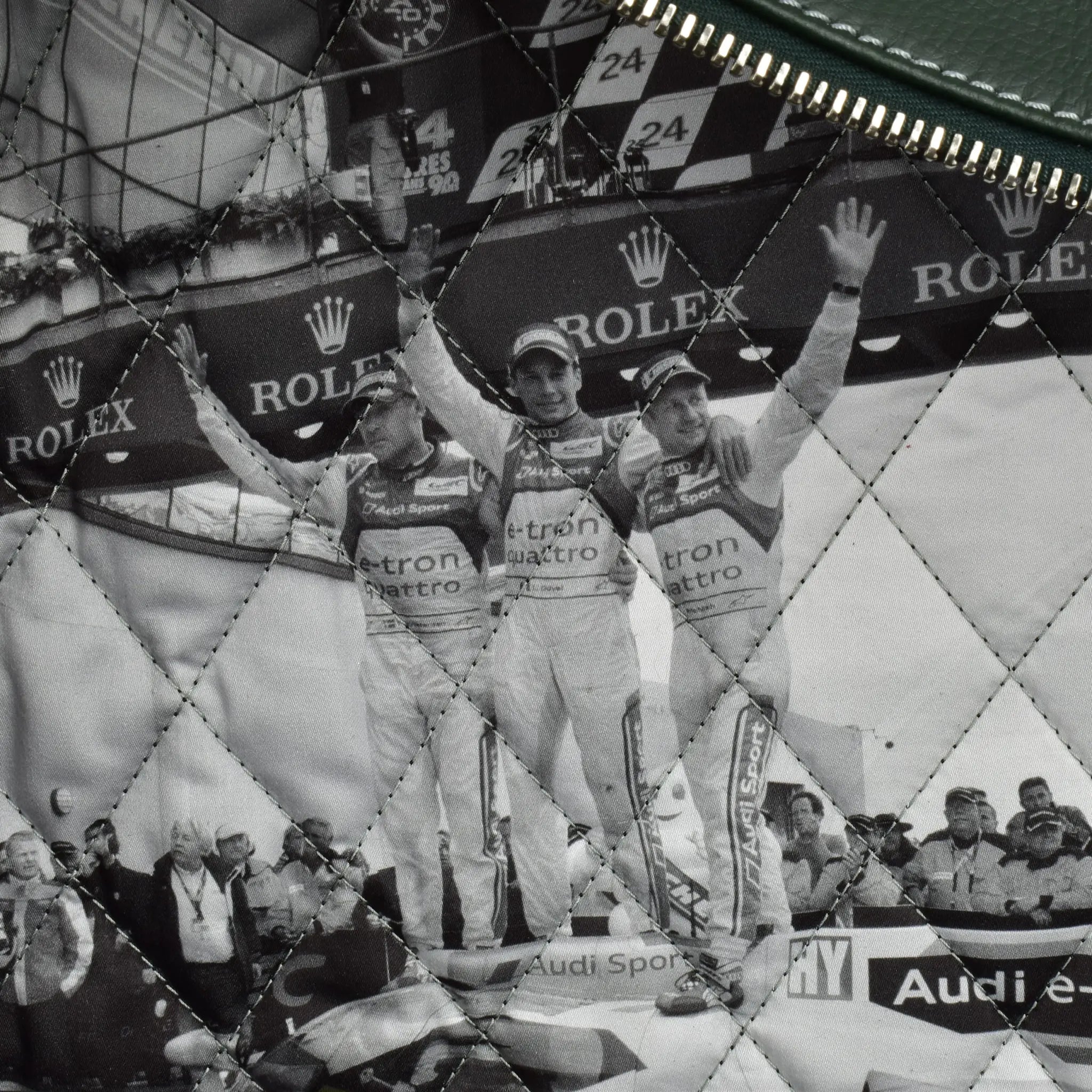
Bespoke sizing has genuine value here. A bag shaped around a particular boot aperture or luggage shelf avoids wasted space and protects the car from the hard corners and awkward bulk of conventional cases. For a pair travelling together, two matching holdalls in complementary leather and lining colours feel far more intentional than one oversized bag.
A garment carrier for dinner plans
Driving holidays often include the kind of dinner where a linen shirt, dinner jacket or silk dress should arrive uncreased. A leather-trimmed garment carrier is therefore more than a formal flourish. It keeps tailored clothing protected while folding neatly enough to sit across luggage or behind the front seats.
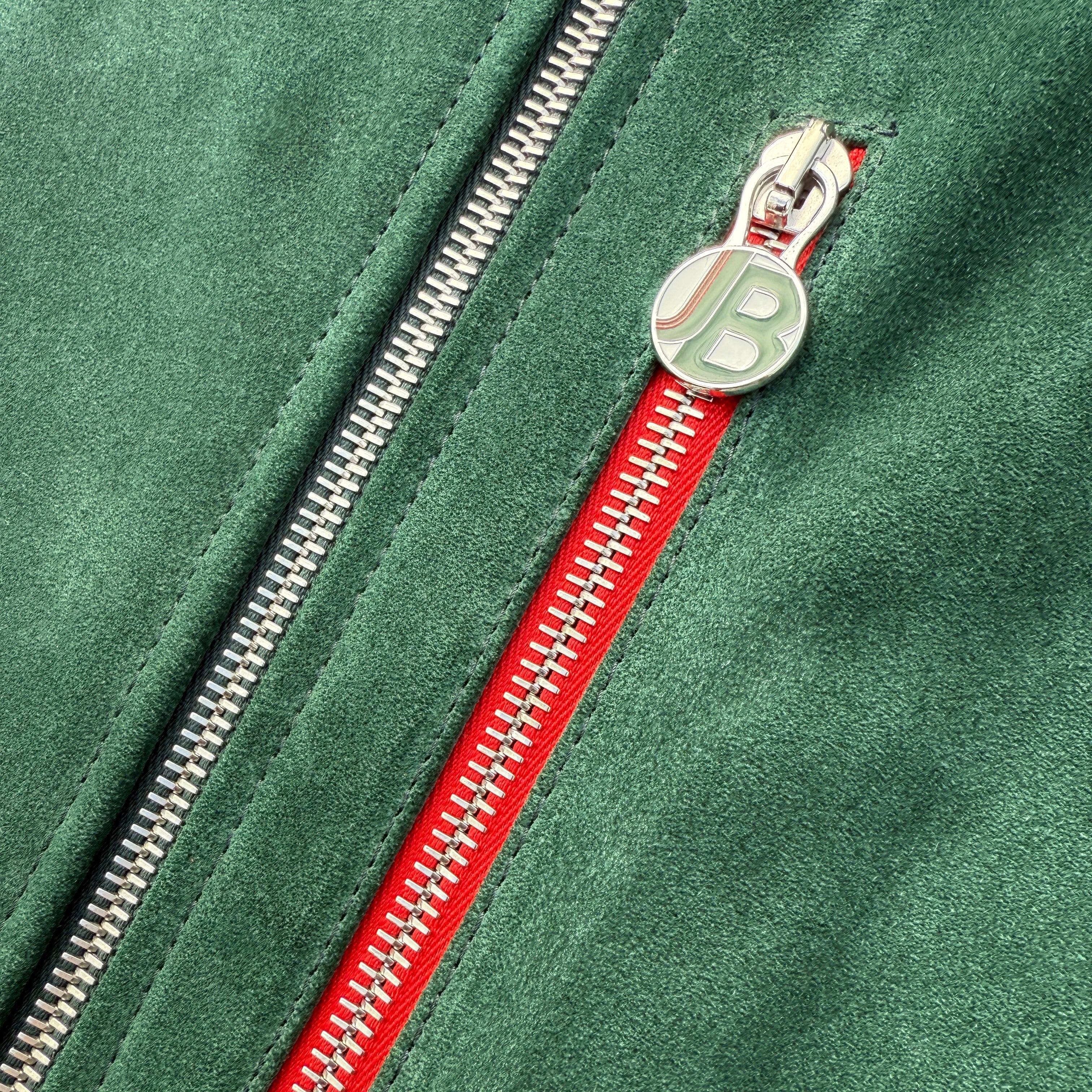
The best examples are lightly structured rather than heavily padded. Too much bulk works against the purpose, particularly in a compact sports car. Look for a secure hanger system, thoughtfully placed internal pockets and a zip that opens smoothly without catching delicate fabric. YKK Excella zips are a small but telling detail: precise, durable and pleasing in use.
If the itinerary is informal, a garment carrier may be unnecessary. In that case, a holdall with a dedicated shirt compartment offers a sensible compromise. The decision should follow the journey, not a fixed packing rule.
A leather tech case that belongs in the cabin
Sat-nav cables, sunglasses cloths, battery packs, toll tags and headphones have a habit of migrating around the cabin. A compact leather tech case gives these essentials a proper home, keeping them to hand without cluttering the centre console or door pockets.
A structured case is particularly useful for modern performance cars, where technology is integral to the driving experience but storage can be limited. It can hold charging leads, an action camera and a compact tyre-pressure gauge, then move easily into the hotel overnight. Select a case with a soft lining so lenses and screens remain protected.
For those driving a classic, the same piece can carry a paper map, period sunglasses, driving gloves and a discreet toolkit. It is a modest accessory, but it brings an appealing sense of ritual to the start of each day.
Driving gloves with purpose
Leather driving gloves are often treated as a style gesture. In the right car and conditions, they are also practical. They offer a more secure connection with a slim-rimmed wheel, take the chill from an unheated cabin and protect the steering wheel from sunscreen or road grime after a long day.
The fit must be exact. Gloves that are too loose bunch in the palm and reduce feel; gloves that are too tight become tiresome after an hour behind the wheel. Supple nappa leather provides sensitivity, while perforated palms and knuckle vents suit warm-weather touring. For colder routes, unlined peccary or a lightly lined deerskin offers warmth without sacrificing control.
They are not essential in every modern car. Heated steering wheels and heavily contoured rims make gloves less necessary for some drivers. Yet for a manual classic, an early-morning alpine pass or a spirited day on the road, few accessories create such an immediate connection between driver and machine.
A document wallet for the things that matter
A driving holiday involves more paper and small valuables than one might expect: vehicle documents, insurance details, hotel confirmations, passports, fuel cards and ferry paperwork. A slim leather document wallet prevents this collection becoming an untidy mass in the glovebox.
The best format opens flat, with separate sections for travel papers and cards, rather than relying on one deep pocket. It should be slim enough to slip into a jacket pocket when the car is parked, yet substantial enough that it will not be overlooked at a café table. Personal initials, a contrast lining or a discreet embossing can turn a practical object into a symbol of individuality.
For international routes, keep original vehicle documentation secure and use the wallet for the papers you need to access regularly. Leather is durable, but it is not a substitute for sensible protection against moisture, so choose a lined design and avoid leaving it exposed in an open car.
A wash bag built for frequent stops
Hotel bathrooms are where lesser travel accessories tend to reveal themselves. Thin linings, weak zips and shapeless construction make packing and unpacking needlessly tiresome. A leather wash bag with a wipe-clean interior, a stable base and a wide opening is one of the quiet luxuries of a well-planned trip.
A medium size is usually the most versatile. It accommodates grooming essentials without consuming disproportionate boot space, and its structure means bottles remain upright. Darker linings are practical, but a distinctive contrast colour can make finding smaller items easier in low hotel lighting.
A key case and valet tray for calmer stops
Keys are rarely just keys on a driving holiday. There may be the car fob, hotel room key, garage remote and a small collection of coins or cufflinks. A leather key case protects the fob from scratches while making it easier to locate. At the end of the day, a fold-flat leather valet tray creates an orderly place for those items in the hotel room.
This is an accessory for the driver who appreciates details. It weighs almost nothing, packs flat and prevents the familiar morning search across bedside tables and jacket pockets. It also makes a considered gift for a fellow enthusiast preparing for a tour.
Choosing leather that will travel well
Not all leather goods suit life on the road. Look beyond the initial finish and consider how a piece will age. Full-grain leather has natural markings and will gain depth with use; corrected leather may offer a more uniform appearance but lacks the same character over time. Neither is automatically wrong, but the former is generally the more rewarding choice for a piece intended to become part of your travelling life.
Hardware deserves similar scrutiny. Solid-feeling pulls, protected rivets and reliable zips matter more than decorative excess. In a boot, luggage encounters movement, changing temperatures and occasional contact with other bags. A lined interior, reinforced stress points and feet on a holdall will make a noticeable difference over many miles.
Colour should suit both the car and the owner. Black, navy and dark brown travel discreetly and tolerate the realities of road use. Tan, oxblood and racing green make a stronger statement, particularly when echoed in a contrast stitch or lining. A bespoke commission can take its cues from seat leather, hood fabric, brake calipers or a cherished racing number without becoming overly literal.
Jordan Bespoke approaches this relationship in the manner of a fine car specification: materials, proportions and personal details are considered together, then crafted by hand in Italy for the discerning individual.
Pack for the car, not just the destination
Before choosing accessories, measure the usable boot space, including height beneath the shelf and the angle of the opening. Consider what must remain accessible during the day. The overnight bag can sit deeper in the boot; the tech case, document wallet and gloves belong closer to hand.
Avoid buying a complete matching set simply for the appearance of uniformity. A grand touring holiday benefits from a coherent collection, certainly, but each piece should solve a real problem. A holdall, garment carrier, tech case and document wallet will serve many drivers better than a larger assortment of seldom-used items.
The most memorable driving holidays are shaped by the road, the company and the car itself. Fine leather accessories do not compete with those pleasures. They remove the small frictions around them, age gracefully alongside the miles, and make every departure feel like the beginning of something worth remembering.