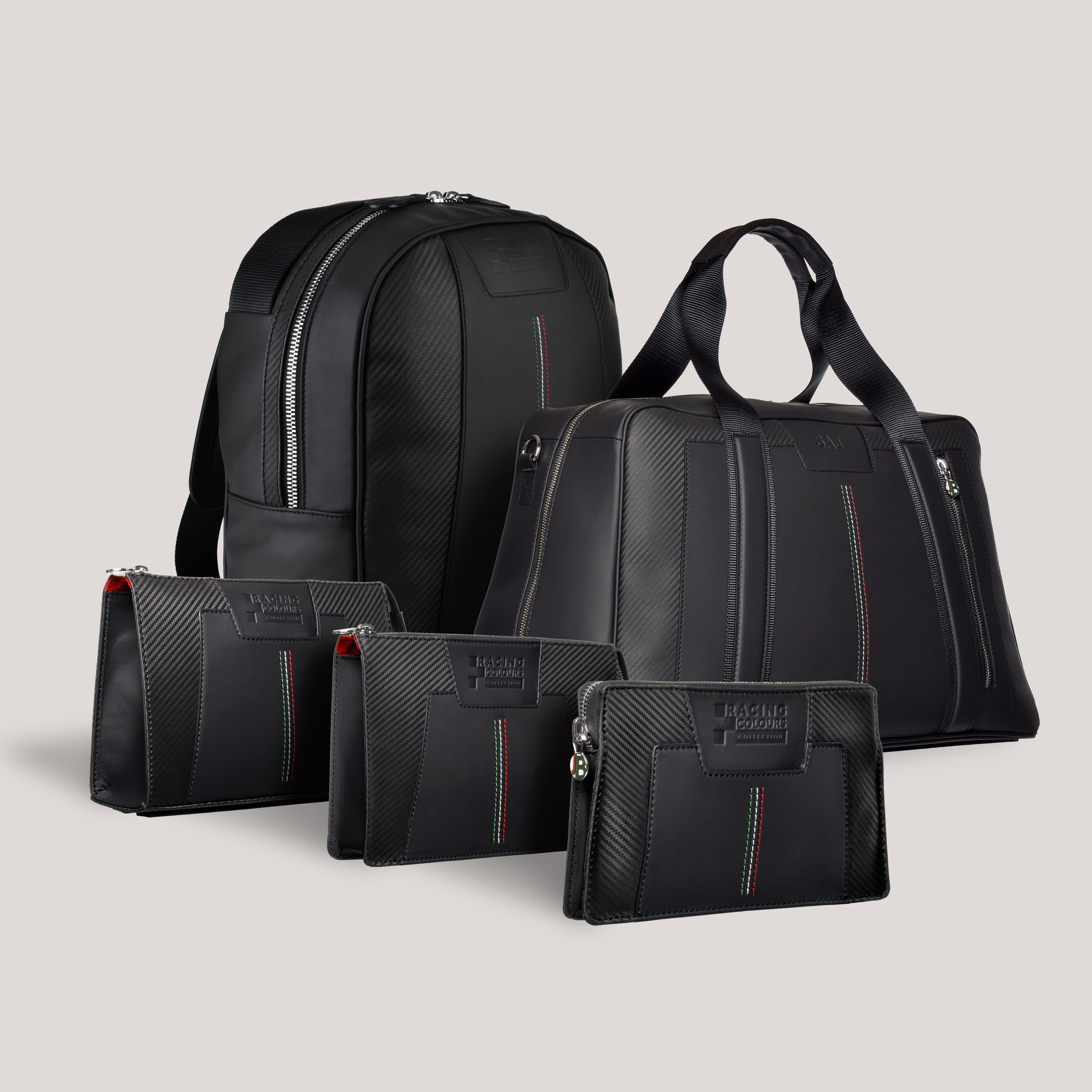


A circuit morning has a particular rhythm. The paddock is still cool, tyre warmers are being unpacked, and the day’s essentials need to be exactly where they should be. The best leather bag for track days is not simply a handsome holdall brought along for the journey. It is a considered piece of kit: one that carries racewear, footwear, helmet accessories, paperwork and personal effects with the same quiet confidence as the car waiting in the pit lane.
For the discerning driver, leather makes sense because a track day is rarely just functional. It is social, personal and often tied to a cherished motor car, a racing history or a team identity. The right bag should respect that occasion without becoming precious or impractical.
What makes the best leather bag for track days?
The answer depends on how you use the circuit. A driver arriving in a GT3 for a single-session tuition day has different requirements from an owner competing in historic racing over a weekend. Yet the strongest choice usually sits between a compact race-day kit bag and a substantial weekend holdall - large enough to bring order to the day, restrained enough to move easily between garage, hospitality and car park.
Capacity is the first consideration. Your bag should accommodate a race suit, base layers, gloves, balaclava, spare socks, lightweight shoes and a towel without forcing everything into one crease-prone compartment. Add a water bottle, charging cable, sunglasses, driving licence, timing transponder and the inevitable collection of small paddock necessities, and a modest overnight bag can quickly feel inadequate.
For most track days, a capacity around the traditional weekend-holdall format is the sweet spot. It has enough presence for proper kit while remaining appropriate for the passenger footwell, rear shelf or luggage compartment of a performance car. A large duffel may offer more volume, but it can become cumbersome in the paddock and tempt you to carry far more than the day requires.
Structure matters more than sheer size
A soft, unstructured bag can look wonderfully relaxed, but racewear benefits from a degree of order. Look for a holdall with a reinforced base, thoughtful internal pockets and a wide zip opening that allows you to see the contents at a glance. Searching for gloves beneath a folded race suit while a briefing is about to begin is not part of the romance.
The most useful layout separates clean clothing from the items that gather heat, dust and moisture. A dedicated compartment for footwear is valuable if you change into driving shoes at the circuit. Smaller secure pockets should hold keys, wallets and electronics, while an accessible exterior pocket can be useful for a pass, notebook or circuit paperwork.
There is, however, a balance. Too many compartments turn a beautifully made bag into a piece of luggage engineering. The best designs use organisation discreetly, preserving a generous central space while giving the smaller essentials a proper home.
Choose leather that earns its patina
Track days can be hard on luggage. A bag may be set down beside a wheel trolley, placed on a concrete garage floor or packed into a luggage bay alongside helmets and tools. This is precisely why material quality matters.
Full-grain leather is the natural choice for a bag crafted for life. It has depth, character and the strength to develop rather than deteriorate with use. Small marks from travel and paddock life become part of its story, particularly in a richly finished hide that will gain patina over the years. Corrected or heavily coated leather may be easier to wipe clean, but it often lacks the tactile quality and graceful ageing that makes a luxury piece worth owning.
A more textured grain can be particularly sensible for regular circuit use, as it disguises minor scuffs better than a very smooth finish. Smooth vegetable-tanned leather, on the other hand, rewards careful ownership with a handsome, individual surface. Neither is universally better. The decision is one of character and intended use.
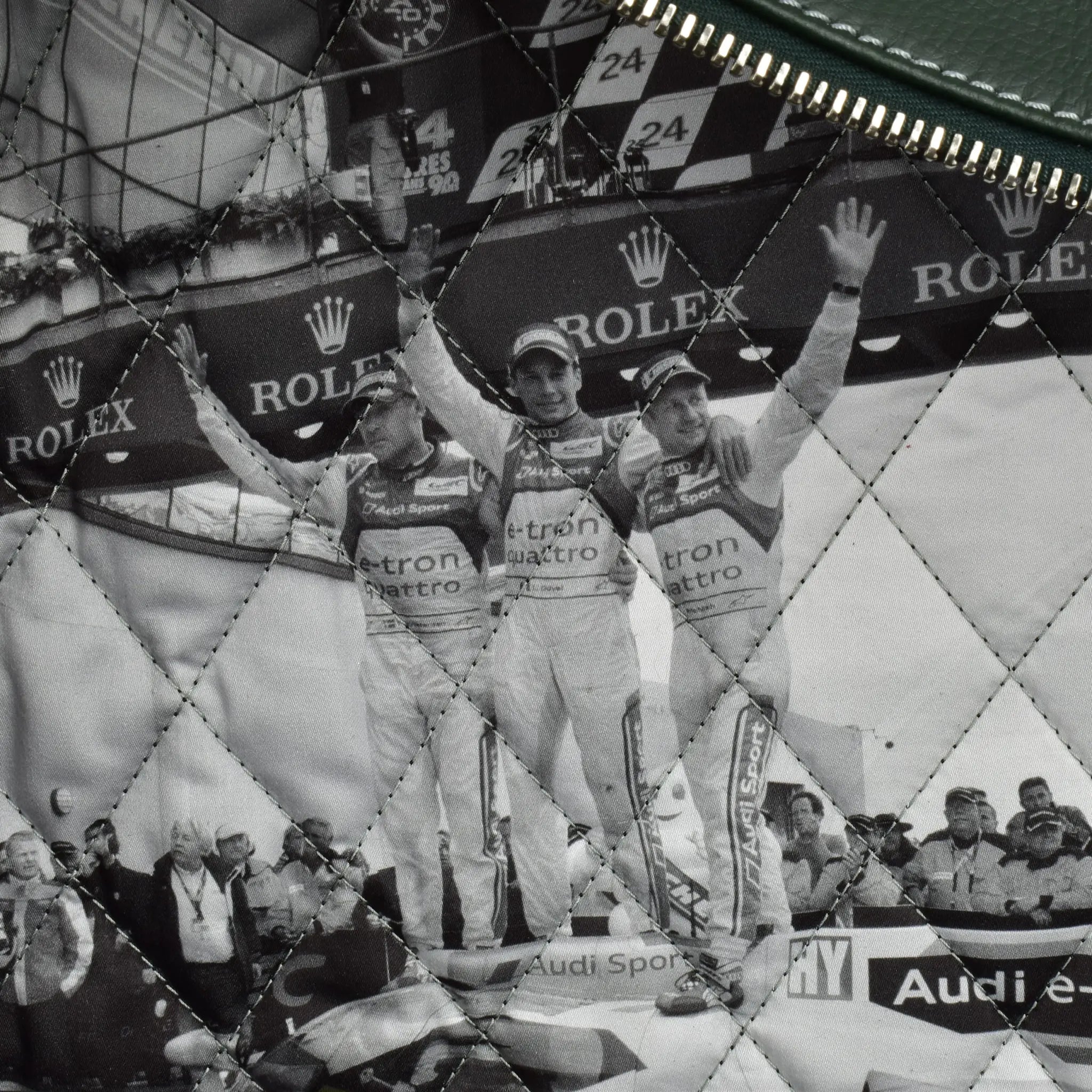
Colour deserves the same consideration. Black, dark brown, charcoal and deep navy remain the most practical choices for frequent track work. They sit comfortably beside almost any car interior and show less evidence of garage dust. For a more individual commission, a contrast lining, hand-painted edge or subtle stripe in a marque-inspired shade can provide a personal connection without turning the bag into a billboard.
Do not overlook the hardware
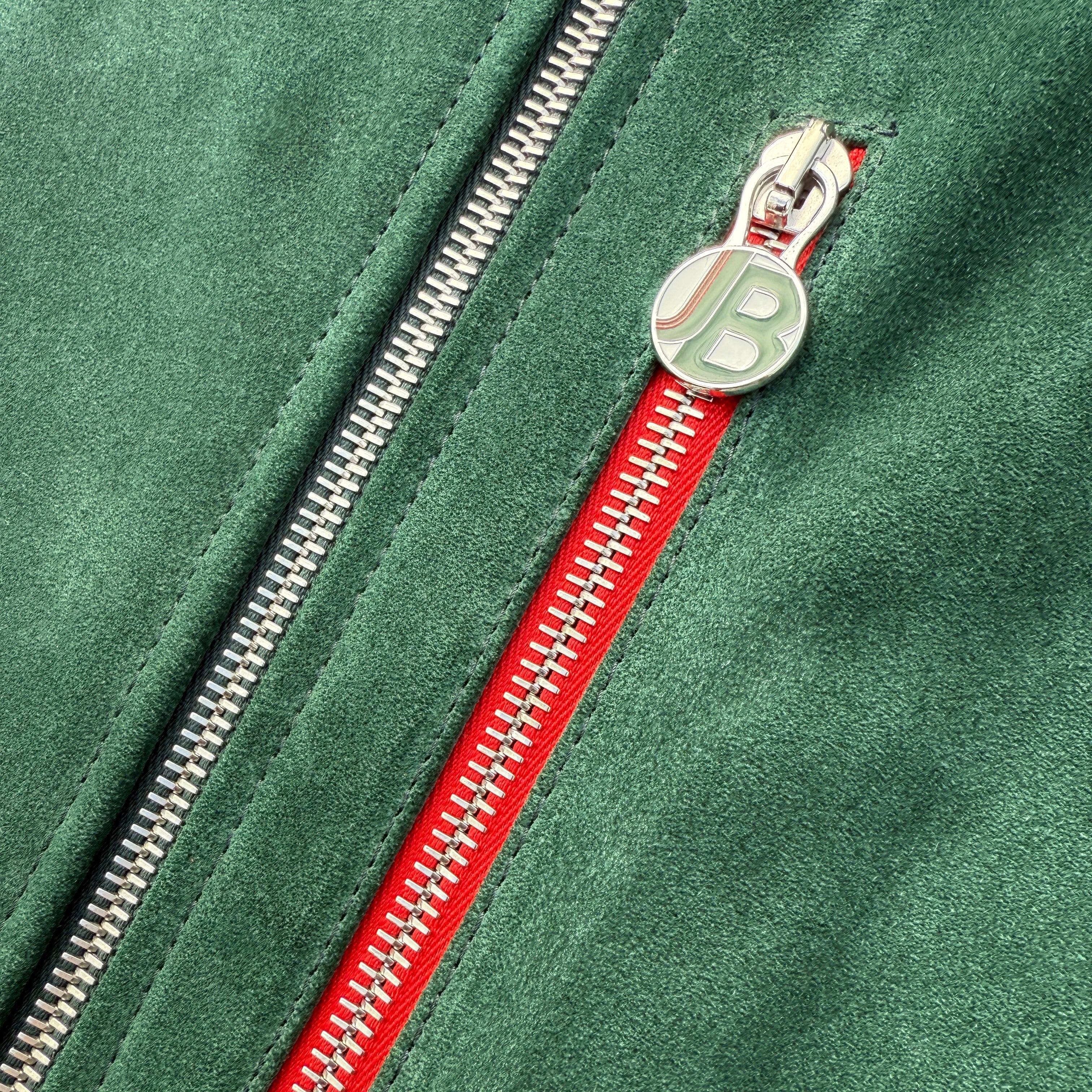
The feel of a zip, the weight of a clasp and the confidence of a handle are the details that distinguish lasting luggage from an attractive object with limited purpose. On a track day, you will open and close your bag repeatedly, often with gloves on or while distracted by the next session. The hardware needs to operate decisively.
High-quality metal zips, such as YKK Excella zips, have a smoothness and durability that justify their place on premium leather goods. They should run the full length of the opening where possible, so packing is straightforward and the bag does not need to be wrestled into shape. Solid feet protect the base when the bag meets paddock concrete, while properly secured handle mounts prevent the leather from distorting under a full load.
A detachable shoulder strap is worth having, even if you usually prefer to carry a holdall by hand. There are moments when you are balancing a helmet, a coffee and a set of keys, and a shoulder strap becomes essential rather than optional. Ideally, it should be wide enough to remain comfortable and removable when a cleaner silhouette is wanted.
Match the bag to the rest of your kit
A holdall should not be expected to carry everything. A helmet deserves its own protection, particularly if it has a painted finish, an intercom system or sentimental value. A dedicated leather helmet bag with a soft lining is a more elegant and protective solution than placing it loose among shoes and clothing.
For longer events, a garment carrier also earns its place. Arriving at a track dinner or concours gathering with a jacket that has spent hours compressed in the bottom of a duffel is avoidable. A coordinated holdall, helmet bag and garment carrier creates a complete travel system, but each piece still has a clear purpose.
If you take tools, fluids or rain-soaked outerwear, keep them separate from fine leather. The right leather bag is built to be used, not treated as a museum piece, but it should not become the storage place for anything abrasive, oily or excessively damp. That division of labour protects both your luggage and the pleasure of using it.
Bespoke details make a track-day bag personal
The most memorable track-day luggage reflects the driver rather than a trend. This may be as understated as initials blind-embossed near the handle, or as expressive as a lining selected to echo a car’s cabin, racing livery or family tartan. The point is not decoration for its own sake. It is the sense that the bag belongs to one particular owner and one particular motoring life.
Personalisation is especially compelling for collectors whose cars have stories attached to them. A contrast stitch that recalls an interior detail, a discreet race number, or a lining in a period-correct shade can turn an object of utility into a symbol of individuality. It also makes practical sense in a crowded paddock, where black synthetic luggage has a habit of looking identical.
At Jordan Bespoke, this relationship between luggage and motoring identity is central to the process: British design, handmade Italian craft and materials chosen with the same discernment one might bring to specifying a motor car. For a serious enthusiast, that degree of consideration is not excess. It is continuity.
A considered buying decision
Before choosing, lay out what you actually take to the circuit. Include the items that tend to be forgotten: spare visor, earplugs, charger, medication, tyre-pressure gauge, notebook and a change of clothes for the drive home. This gives a far better indication of ideal capacity than a generic product description.
Then consider the car. A large, square bag may be beautifully made but awkward in the shallow front luggage compartment of a sports car. A more pliable holdall may pack better in a grand tourer, while a rigid-bottom race-day bag may suit a vehicle with a generous boot. Measure the available space if the fit matters - especially with mid-engined cars, where luggage planning is part of the ownership experience.
Finally, buy for the years ahead, not merely the next outing. A leather bag with sound construction, repairable hardware and a design that avoids passing fashion will accompany many circuits, road trips and race weekends. Its surface will gradually record the places it has been - a trace of Silverstone rain, Alpine hotel stops, early starts at Goodwood - while still looking entirely at home beside a finely engineered car.
Choose the bag that carries what you need, protects what matters and feels more distinctive each time you reach for it. The best track-day luggage should never distract from the driving. It should simply make the whole day feel properly yours.