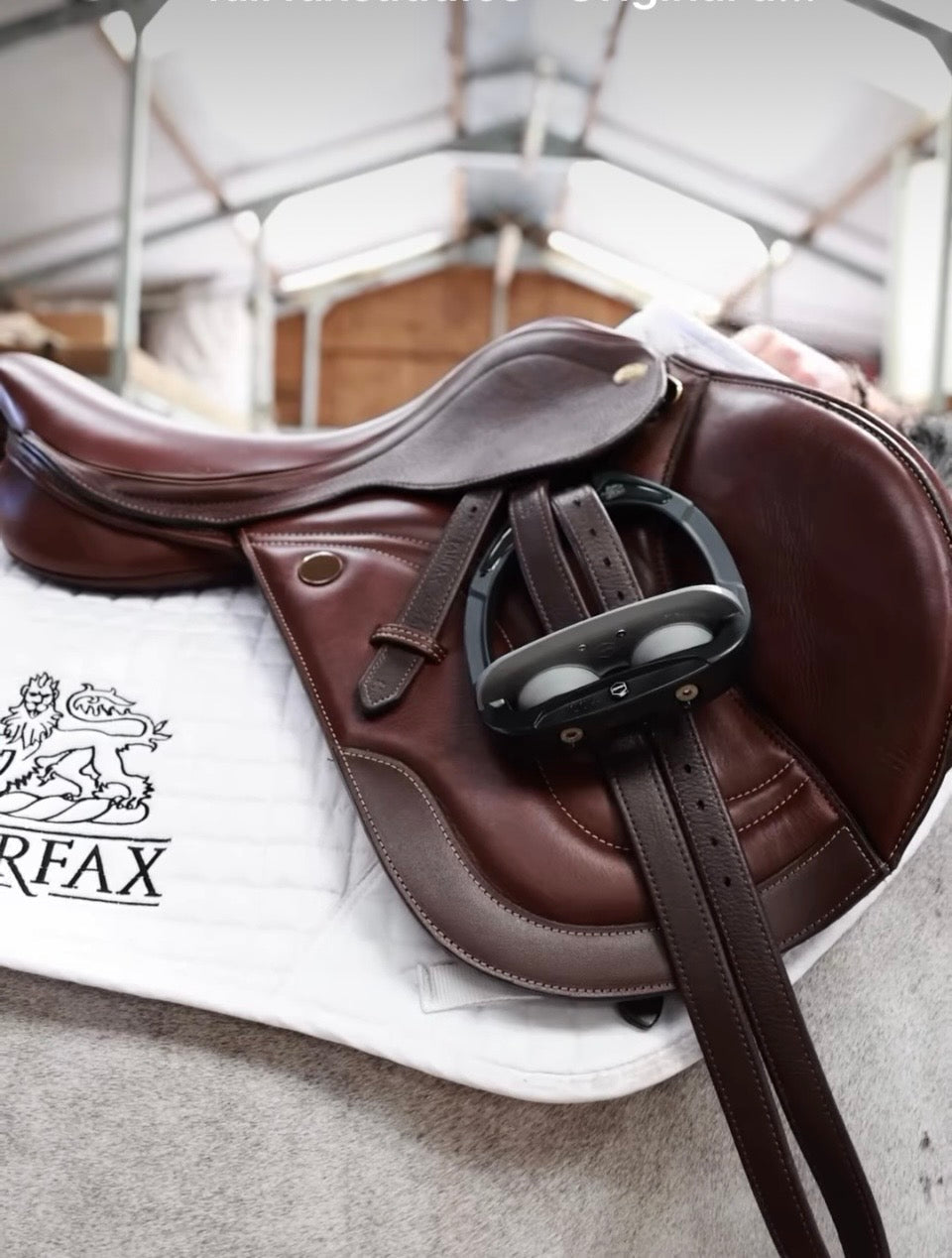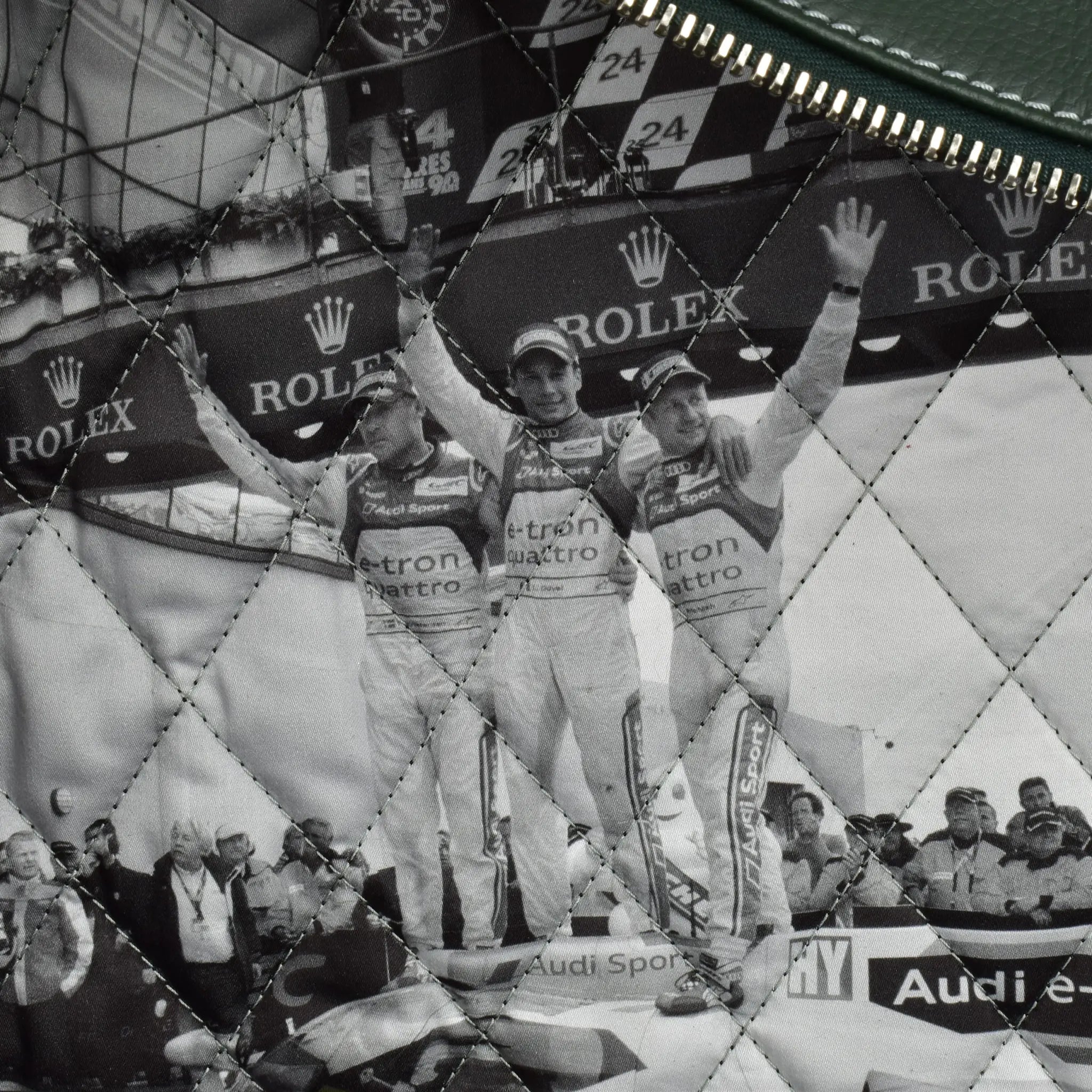

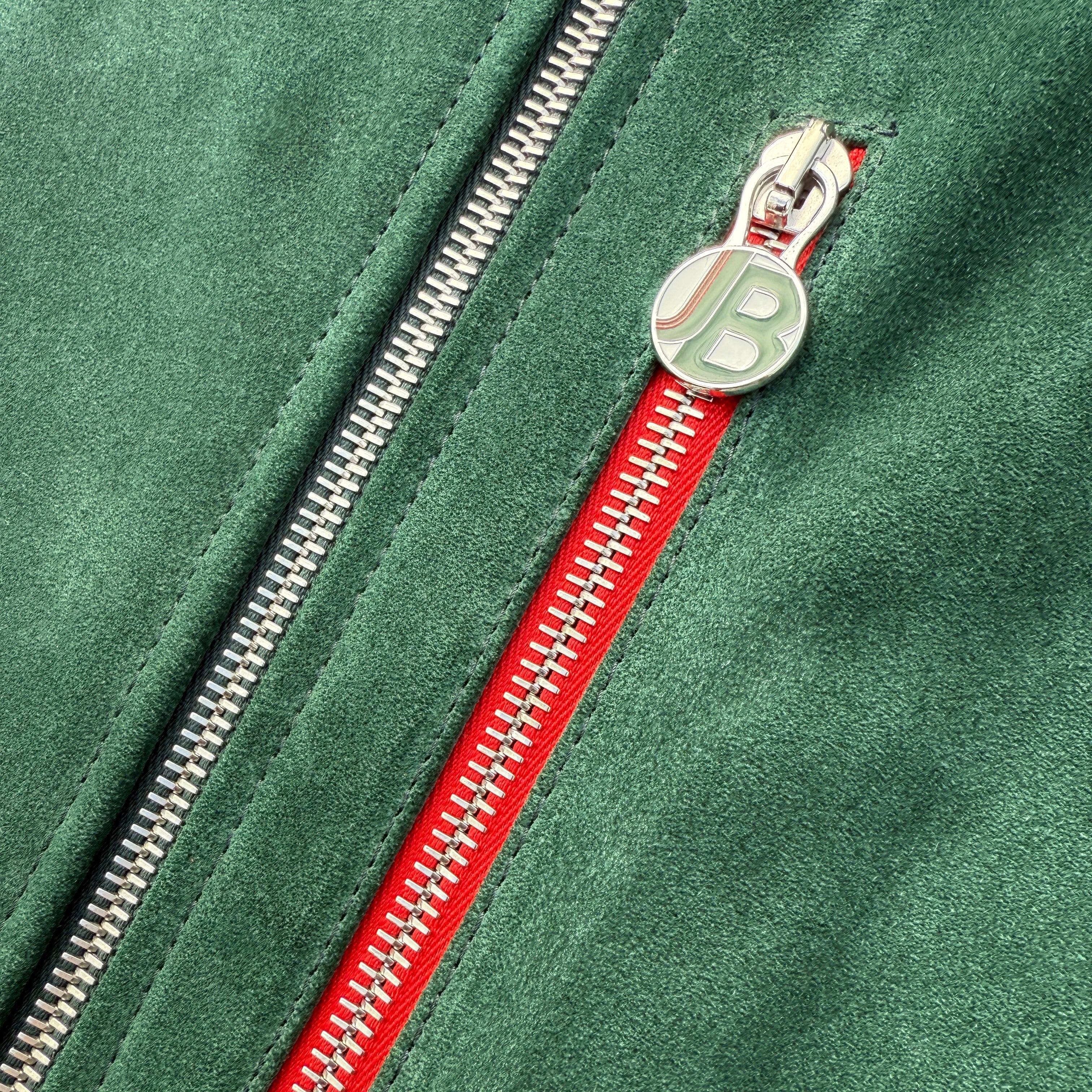


Featuring the Tuscan Holdall our Founder & Creative Director - Simon Jordan purchased back in 2005.
A fine leather holdall should not look exactly as it did on the day it left the workshop. The first softened corner after a grand tour, the faint darkening beneath the handles, the gentle burnish where your hand reaches for a zip: these are the details that make a piece distinctly yours. This guide to leather luggage patina explains the difference between that earned character and the kind of damage that deserves attention.
For the discerning traveller, patina is not an excuse to neglect a beautiful object. It is the visible record of use, formed slowly through touch, light, movement and time. Like the cockpit of a well-driven classic or the seat of a cherished grand tourer, leather luggage acquires depth when it is used with care.
What Leather Luggage Patina Really Means
Patina is a gradual change in a leather's surface and tone. Natural oils from the hand, exposure to daylight, friction and the movement of the fibres all contribute. On a quality full-grain hide, the result is usually a richer, more dimensional finish. A tan holdall may deepen towards cognac; a dark racing green may develop warmer undertones; black leather may take on a subtle, polished glow around its most frequently handled areas.
This is most apparent on aniline and semi-aniline leathers, where the hide's natural grain remains visible beneath a light finish. The small variations in the surface are not defects to be corrected. They are evidence that the leather is genuine, rather than heavily coated to create a perfectly uniform appearance.
Patina is different from staining, cracking or colour loss. A handsome darkening at the handle is patina. A tide mark from rainwater, a scratch that cuts through the finish, or dry leather splitting at a fold is damage. The distinction matters because treating every mark as a problem can leave leather over-cleaned, over-conditioned and less beautiful than before.
Why Full-Grain Leather Ages So Well
Full-grain leather retains the strongest, most characterful layer of the hide. Its dense fibres respond to handling rather than simply wearing away, which is why a properly made bag can become more compelling over decades. Vegetable-tanned leathers, in particular, are admired for their pronounced evolution. They absorb light and the natural oils of use readily, gaining colour and lustre in a way that feels deeply personal.
Chrome-tanned and protected leathers can also age elegantly, though often more slowly and with greater consistency. There is no universally superior choice. A pale vegetable-tanned weekend bag rewards the owner who welcomes visible change; a more protected leather may suit frequent international travel, where resilience to rain, airport surfaces and spills is the priority.
A Guide to Leather Luggage Patina: Let It Develop Evenly
The most attractive patina comes from regular, considered use. Leather does not benefit from being sealed away indefinitely, but neither should it be treated as indestructible. Rotate how you carry a holdall where possible, avoid repeatedly gripping the same point with freshly applied hand cream, and do not leave it pressed against dark denim or a printed garment for long periods. Dye transfer is not patina and can be difficult to reverse.
Light is another consideration. A little daylight brings life to leather, especially lighter natural hides. Prolonged direct sun, however, can bleach one panel while leaving another untouched. Do not store a bag on a sunny shelf or in the rear of a car for weeks. The ideal is measured exposure through ordinary use, not forced ageing.
A bag also needs room to hold its intended shape. After a journey, empty it and gently restore its form with clean, unprinted tissue or a soft insert. Avoid overfilling during travel, particularly with structured cases and garment carriers. Strain around stitching, zip gussets and handle mounts is not romantic evidence of adventure. It is simply avoidable fatigue.
Care That Preserves Character
The best leather care is restrained. Before reaching for a cleaner or conditioner, brush away dry dust with a soft cloth and assess what is actually on the surface. Often, that is enough. If a more thorough clean is needed, use a clean, slightly damp cloth on an inconspicuous area first, then allow the leather to dry naturally at room temperature.
Conditioner should be used sparingly, generally when the leather feels dry rather than according to an arbitrary monthly routine. A quality leather dressing replenishes suppleness, but too much can darken lighter hides, soften a crisp finish or leave residue that attracts dust. Apply a very small amount with a soft cloth, work it in gently, then leave the luggage to rest before buffing lightly.
Be especially cautious with oils, waxes and household remedies. They may promise an instant vintage finish, but they can produce uneven dark patches and make future professional repair more difficult. Patina should be allowed to emerge from the leather itself, not painted on in an afternoon.
For luggage with contrast stitching, hand-painted edges, suede panels or custom linings, treat the materials as separate elements. A conditioner suitable for smooth calfskin may be entirely wrong for suede. Similarly, metal hardware benefits from a dry, soft polish rather than products that could migrate onto surrounding leather.
Rain, Scratches and the Reality of Travel
Luxury luggage is made to travel, and weather is part of the journey. If your bag is caught in rain, blot - never rub - the surface with an absorbent cloth. Reshape it gently and let it dry away from radiators, fires and hairdryers. Direct heat can draw out moisture too quickly, leaving leather stiff or distorted.
Small surface scratches are often less serious than they first appear. On some natural leathers, a clean fingertip or soft cloth can redistribute the oils sufficiently to soften a light mark. Resist vigorous rubbing. If the scratch remains visible but has not cut the leather, it may settle into the wider character of the piece over time.
Deep scratches, severe scuffs, ink marks and significant water staining deserve professional assessment. This is particularly true of bespoke luggage, where the exact shade, grain and finish may have been selected to reflect a vehicle interior, racing colours or a personal commission. An improvised repair can compromise the visual harmony that made the piece special.
Storage Is Part of the Craft
When not in use, store leather luggage in a cool, dry and ventilated place. A breathable dust bag is preferable to plastic, which can trap moisture and encourage mildew. Keep the bag away from strong heat, damp cellars and tightly packed cupboards where handles or panels can be misshapen.
Do not hang a heavy holdall by its handles for extended periods. Place it upright or flat according to its construction, with light support inside. Leave zips partly open if that helps avoid strain, but ensure no sharp hardware is pressing into the leather. For pieces used only for selected race weekends or long-haul holidays, inspect them periodically rather than waiting until the next departure.
When Patina Needs Professional Attention
There is a quiet confidence in allowing a well-made bag to show its years. Yet craftsmanship also calls for judgement. Seek specialist care when leather becomes noticeably dry, the edge paint begins to separate, stitching loosens, hardware is damaged, or a stain is likely to set. Timely intervention is usually more discreet and more effective than a major restoration years later.
At Jordan Bespoke, the enduring appeal of Italian-made leather lies partly in this relationship between material and owner. A bag may begin as a precise expression of colour, trim and detail, but travel gives it a second authorship. The aim is not to preserve it in museum condition. It is to ensure that every mile adds character worthy of the craftsmanship beneath it.
The finest patina cannot be bought ready-made. It arrives gradually: in the softened handle after a weekend away, in the deepened tone of a case that has crossed continents, and in the familiar marks that make a beautifully crafted piece unmistakably your own.