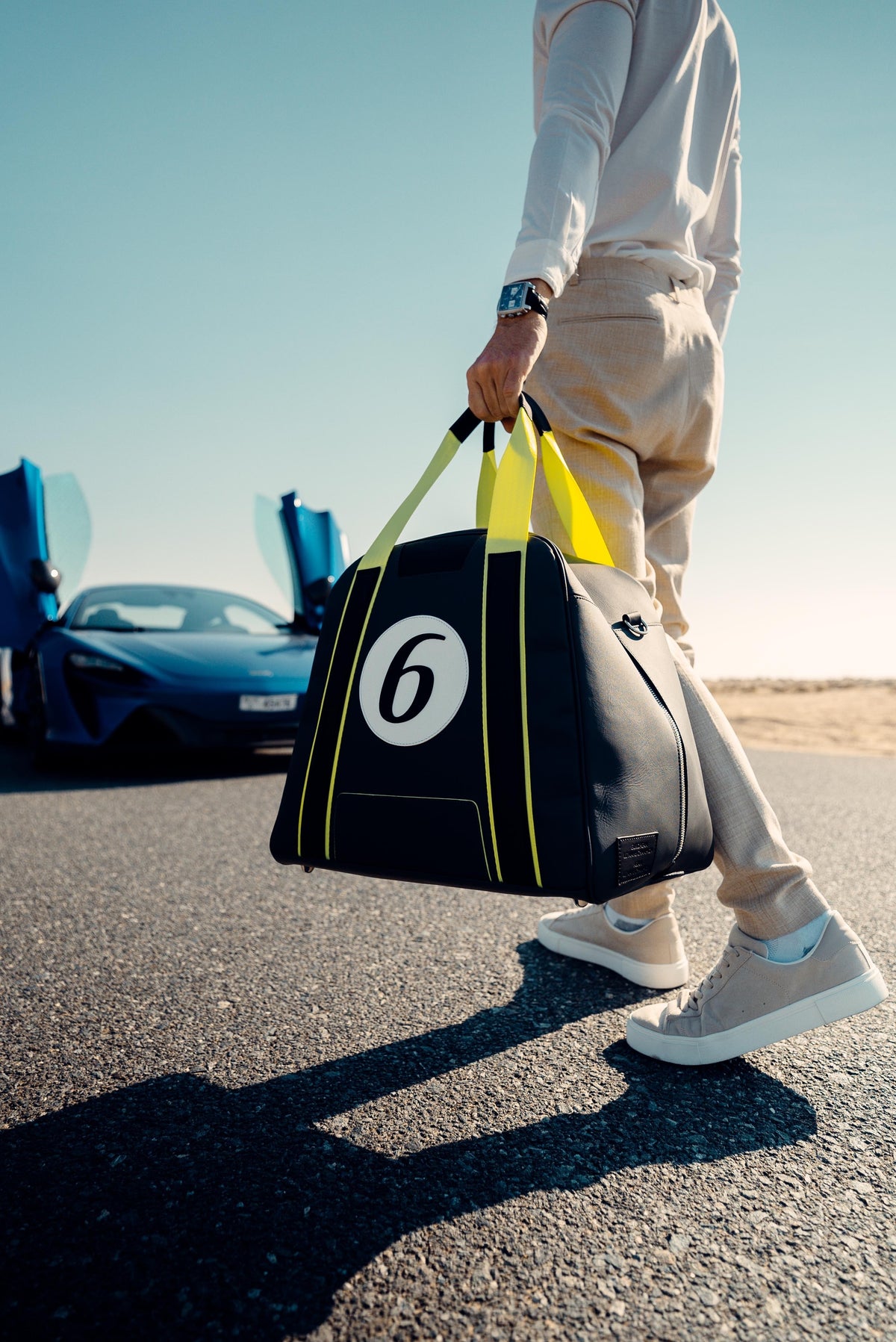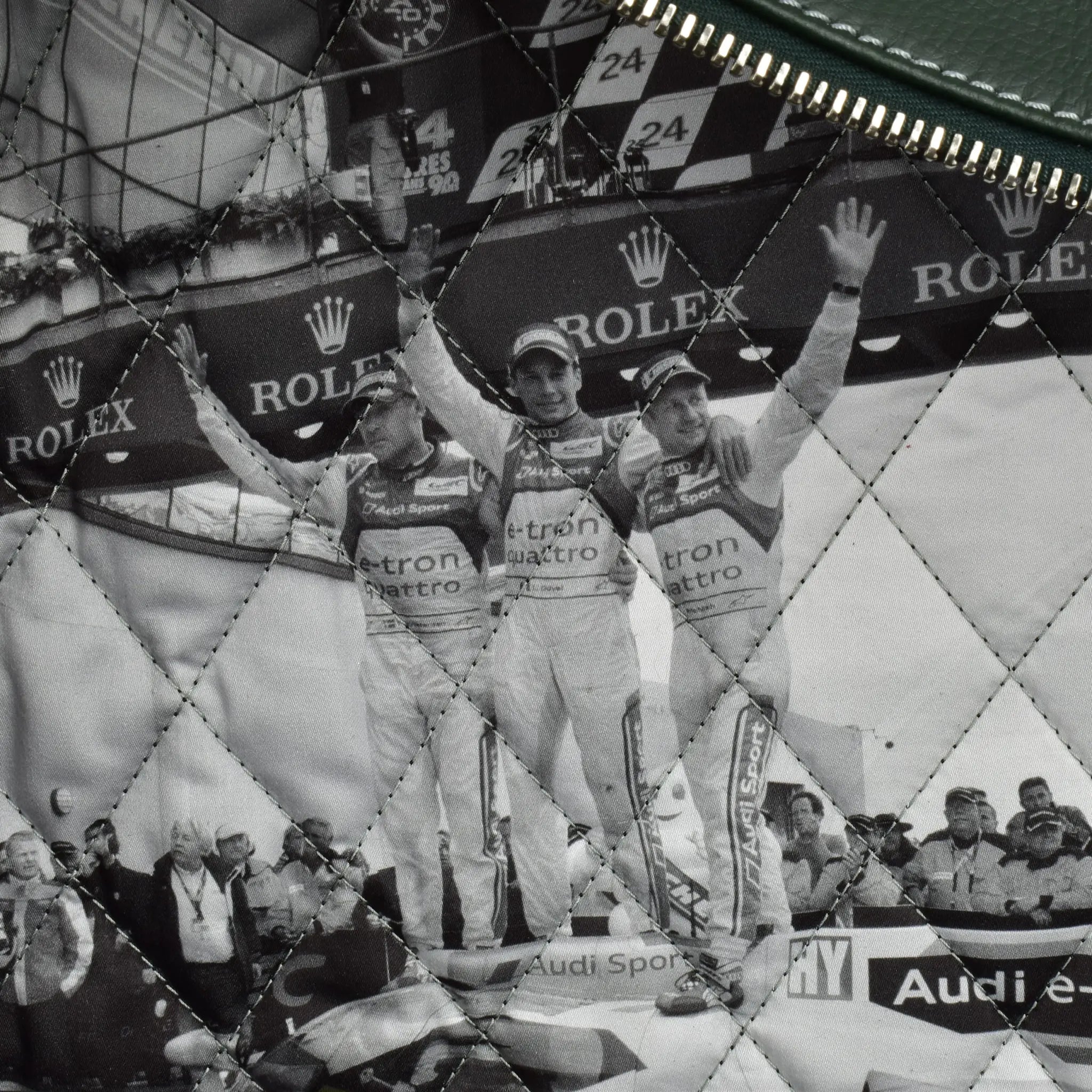

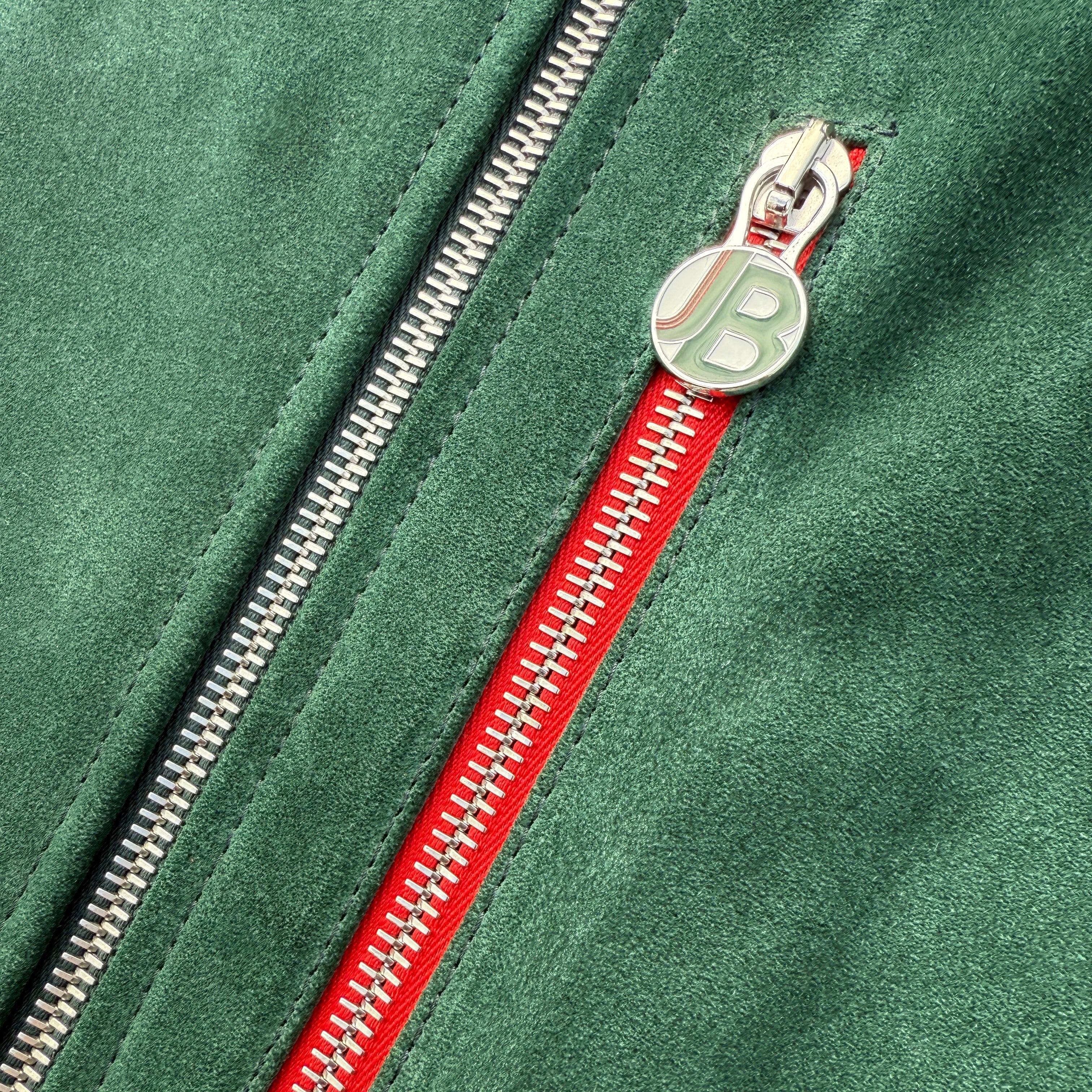

A motor car’s interior is where its owner spends the most personal miles. The grain of the leather beneath a hand, the flash of contrast piping, the particular shade selected from a long list of samples - these decisions turn a specification into something unmistakably one’s own. The finest custom interior matched bag examples take that same language beyond the cockpit, creating luggage that feels commissioned alongside the car rather than bought after it.
This is not simply a question of choosing red leather for a red car. A thoughtful matched bag takes its cues from the cabin’s hierarchy of materials, its use of restraint and its sense of occasion. It may echo a seat insert rather than the exterior paint, pick up the thread colour from the steering wheel, or conceal an exact interior tone within a richly contrasting outer leather. The result should feel coherent, never costume-like.
What makes an interior-matched bag convincing?
The best commissions begin by deciding what the bag should inherit from the vehicle. A grand tourer with dark hide, polished metal and a quietly luxurious cabin calls for a different approach from a lightweight, track-focused machine trimmed in Alcantara and technical fabric.
Leather is often the visual anchor. Full-grain Tuscan leather can be selected to complement seat facings, door cards or dashboard trim, while the texture itself matters as much as colour. A smooth, refined hide may suit a modern supercar interior; a more natural, supple leather can sit beautifully beside the patina and warmth of a heritage car.
Then come the details that make the connection persuasive: contrast stitching, hand-painted edges, piping, hardware finish and interior lining. These should be chosen with the same discipline as a car specification. Repeating every feature can make a piece feel overly literal. Selecting two or three recognisable cues tends to create a more elegant result.
Match the mood, not every surface
An exact leather match is often desirable, especially when a client has access to a vehicle’s original trim sample. Yet exactness is not the only route to a successful commission. Leather changes character across larger panels, through natural variation and over time. A bag also encounters different light from the cabin, whether in a hotel lobby, a paddock garage or the hold of a private aircraft.
For that reason, a tonal relationship can be more enduring than a perfect swatch match. Deep oxblood luggage with tobacco stitching, for example, may honour a classic British cabin more gracefully than reproducing every interior colour on the exterior. The aim is recognition from those who know, not an obvious visual quotation.
Custom interior-matched bag examples for different lives
The grand touring weekend holdall
Consider a two-tone grand tourer finished with cream leather, dark green exterior paint and a subtle green stitch line through the cabin. A weekend holdall in rich dark brown or racing green leather can carry the cabin story without becoming too pale or impractical for travel. Cream leather appears as the interior lining or under the handle wraps, while green thread follows the seams and a restrained piped edge.
This arrangement is particularly effective for owners who use their car as intended: long continental drives, country house weekends and hotel arrivals. The bag retains enough depth of colour to wear well, while its interior gives a private reminder of the cabin each time it is opened. Brass-toned hardware may suit an older sporting character; a more contemporary car may call for satin nickel or darkened metal fittings.
The Ferrari-inspired race day kit bag
A race day kit bag needs to carry more than visual theatre. It may hold driving shoes, gloves, base layers, a race suit, hydration and spare clothing, so its proportions and internal organisation should be established before its finish is discussed.
Imagine an interior in Nero leather with Rosso contrast stitching and carbon-fibre detailing. The strongest response may be a black leather kit bag with a red Alcantara lining, red hand-stitching at the handles and a discreet carbon-fibre base or trim panel. A bright red exterior is certainly possible, but black remains more versatile between circuit days and travel while allowing the red interior to provide the moment of drama.
For motorsport use, practical choices matter. A wipe-clean technical lining handles damp kit better than delicate suede, reinforced corners resist pit-lane surfaces, and a broad opening helps when packing quickly. Bespoke should never mean precious. It should mean precisely suited to the life it will lead.
The Porsche-influenced helmet bag
A helmet bag is one of the most personal forms of automotive luggage because it carries an object so closely associated with its owner. For a driver whose car features houndstooth or Pepita-style seat inserts, a tailored textile panel can be used inside the bag or beneath a protective flap, paired with black leather and carefully matched stitchwork.
The material should be treated as an accent, not an entire exterior. A large-scale pattern can date quickly and may compete with a helmet’s own livery. Used within the lining, on a document pocket or as a small inset, it becomes an informed reference that rewards a closer look.
Protection remains paramount. A soft, non-abrasive lining, considered padding and a shape that prevents the helmet from shifting are more valuable than decorative excess. The bag should also accommodate a communications unit or visor where relevant. This is where craftsmanship and racing knowledge must meet.
The Bentley-style cabin luggage set
For a luxury saloon or grand tourer with quilted leather, deep carpets and an expansive rear cabin, a pair of matching cabin bags can be more compelling than one oversized holdall. One may be designed for clothing and shoes, the other for technology, documents and personal effects.
The exterior could take a dark saddle leather from the seat bolsters, while the lining carries a softer interpretation of the quilted cabin pattern. Rather than attempting full diamond quilting across every bag panel, which can become visually heavy, quilting may be reserved for the front pocket or an internal divider. A hand-finished luggage tag, debossed initials and an interior plaque provide further personalisation without disturbing the design’s composure.
This example illustrates an essential point: matching is not only about colour. It is about scale. A broad, luxurious cabin can support more texture and detail than a pared-back sports car, but the luggage must still look assured when carried away from the vehicle.
The lightweight supercar tech case
Some interiors are defined less by leather than by purposeful materials: Alcantara, exposed carbon fibre, anodised metal and precise contrast details. For these cars, a slim tech case or document wallet offers a more appropriate canvas than traditional heavy luggage.
A graphite leather exterior with a microsuede lining, a narrow stripe of body-colour leather and black hardware can reference the car’s technical character without imitating its carbon panels. Where carbon-fibre is used, it should be selected for durability and placed where it has a genuine function, such as a protective shell or structured base.
This type of commission suits keys, travel documents, charging cables, sunglasses and a tablet. It proves that an interior-matched piece need not be large to carry significance. Often, the item used every day becomes the strongest expression of a personal specification.
Details worth specifying before production
A considered commission benefits from a clear brief. Photographs of the interior are useful, but physical samples are better where possible, particularly for leather, thread and carpet-like linings. Light can distort colours dramatically, and a maker needs to understand whether a shade reads warmer, cooler, brighter or deeper in person.
It is also worth establishing how the bag will be used. A holdall that lives in a boot needs a structured base and dimensions that respect the available space. A bag intended for frequent flights may need a lighter construction and a more resilient exterior. A helmet bag for competition should prioritise padding, ventilation and accessibility over elaborate finishing.
Personal marks deserve the same care. Initials can be blind embossed, foil stamped or placed discreetly inside. A chassis-inspired reference, race number or meaningful date may be appropriate, but subtlety usually gives these elements more longevity. The finest bespoke objects reveal their story gradually.
At Jordan Bespoke, the most memorable pieces are conceived as companions to a client’s automotive life: crafted in Italy, shaped by British design sensibility and made for the discerning individual who sees details as part of the drive.
Let the bag become part of the ownership story
A truly successful interior-matched bag does not need a car beside it to make sense. It should stand on its own as finely made luggage, with beautiful materials, sensible proportions and a finish that improves through use. Yet when it returns to the passenger seat, the boot or the paddock, its connection becomes clear.
Choose the details that mean something to you, then give them room to breathe. That restraint is what turns a matching exercise into an enduring symbol of individuality.