

A beautifully specified car deserves luggage that belongs in its boot, not an anonymous synthetic case dragged from a carousel. The decision between hard shell vs leather travel cases is not simply a matter of appearance. It concerns how you travel, what you carry, how closely your luggage is handled, and whether you want an object that remains pristine or one that gains character with every mile.
For the discerning traveller, the right answer is rarely universal. A carbon-fibre race helmet, tailored eveningwear and a week’s clothing do not make the same demands. Neither does a commercial flight, a grand touring escape through France, or a race weekend where kit must move efficiently between paddock, hotel and pit lane.
Hard shell vs leather travel cases: the essential difference
Hard shell cases are built around containment. Their rigid exterior - commonly polycarbonate, aluminium or a composite material - is designed to resist crushing, knocks and the indifferent handling that often accompanies checked luggage. They create a protective chamber around what is inside, which makes them particularly compelling for fragile equipment and journeys involving multiple transfers.
Leather travel cases take a different approach. A well-made leather holdall, grip or garment carrier is designed around material quality, construction and intelligent organisation rather than a fixed outer shell. It has presence, tactile warmth and an ability to adapt to the contents within it. Properly selected full-grain leather also acquires a handsome patina rather than merely showing wear.
This distinction matters. Hard shell luggage is primarily defensive; leather luggage is personal. One is often selected to manage risk. The other is chosen because travel should feel considered from the moment the bag is lifted from the wardrobe or placed beside the driver’s seat.
Protection: when a rigid case earns its place
There are occasions when a hard shell case is the sensible choice. If you are checking valuables, carrying delicate electronics, transporting a helmet or moving items that cannot be compressed, a rigid exterior offers a meaningful advantage. It protects against pressure from other bags in a hold and gives a more predictable shape for packing.
Aluminium cases, in particular, have a purposeful engineering appeal. Their corners, frames and closures can feel satisfyingly precise, rather like a well-made flight case or a period motorsport component. They can also be excellent in wet conditions, provided seals and latches are properly maintained.
Yet rigidity brings compromises. A hard shell case takes up the same amount of space whether nearly empty or completely full. It is less forgiving in a compact boot, more awkward to squeeze into an overhead locker, and can add considerable weight before a single shirt has been packed. Scuffs and dents may become part of its history, but they rarely carry the same romance as the patina of leather.
For cabin-only travel, the protection argument can be less decisive. When luggage remains in your care, a thoughtfully constructed leather case is more than capable of protecting everyday travel essentials, particularly when it includes padded compartments or a dedicated tech case for sensitive equipment.
The case for leather: character, adaptability and craft
Leather excels when travel is part of the occasion. A weekend holdall in supple Tuscan leather sits naturally in the boot of an Aston Martin, Bentley or Porsche, and carries with the ease of an object designed for real use rather than airport uniformity. Its proportions can be made to suit the journey, from a discreet overnight bag to a capacious race-day kit bag.
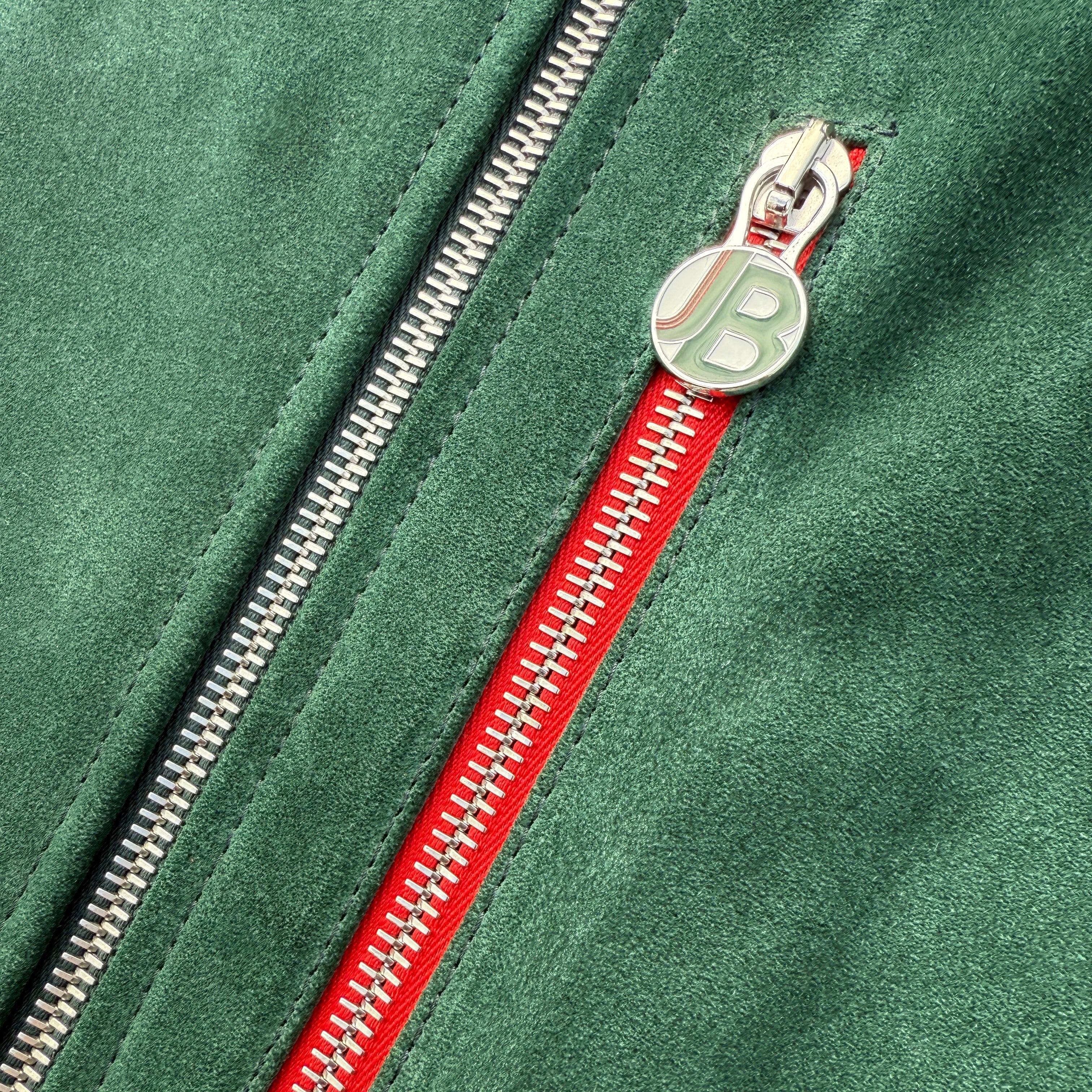
The finest leather luggage is not simply a soft bag with expensive handles. Its longevity depends on the selection of hide, the strength of its reinforcement, the quality of its lining, the way the zip is set into the structure, and how handles are anchored. Details such as YKK Excella zips, hand-finished edges and a resilient base separate a future heirloom from a handsome but short-lived accessory.
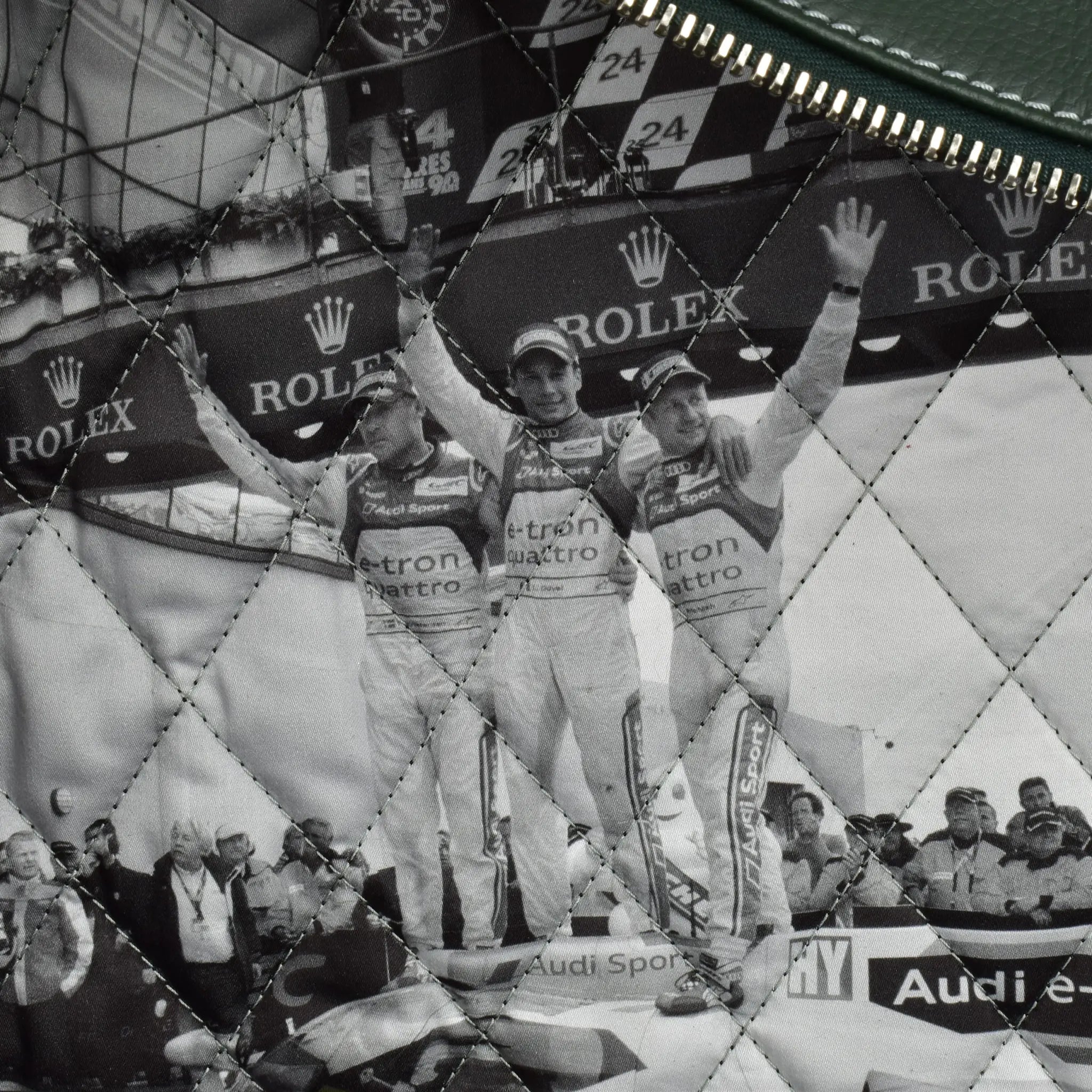
Leather also offers a level of individuality that hard shell cases seldom approach. Colour, contrast stitching, lining, piping and discreet monograms can be specified to echo a vehicle’s cabin or racing livery. For collectors, that connection can be deeply satisfying: luggage becomes a symbol of individuality, not merely an item to contain clothing.
It does require a little more care. Leather should not be left soaked, pressed against abrasive surfaces or stored in an excessively dry environment. A quality conditioner used sparingly and sensible storage will keep it supple. Unlike cracked plastic, however, a well-crafted leather piece can often be cleaned, repaired and refinished by a skilled maker. Its marks tend to settle into the material rather than announce its decline.
Packing and access on the move
The opening style changes the travelling experience more than many buyers expect. Most hard shell cases open in two halves. This is efficient on a hotel luggage stand and useful for keeping folded items separated, but it demands floor space. In a tight hotel room, a small cabin or the rear of a car during a quick stop, opening a case fully can be inconvenient.
A leather holdall generally opens from the top. That makes it easy to reach for a knit, wash bag or charging cable without disturbing the rest of the packing. Its soft-sided construction can accommodate the irregular shapes of shoes, a camera, driving gloves or an extra layer for a late evening start.
For tailored clothing, neither format should be expected to perform miracles. A hard shell case can keep garments flatter if packed carefully, while a dedicated leather garment carrier is the more elegant choice for a dinner jacket, suit or driving event attire. Those who travel frequently for concours events or race meetings often find that a holdall and garment carrier serve them better than one large all-purpose case.
Consider the journey, not just the destination
A hard shell case is at its best when travel is airport-heavy, checked luggage is unavoidable, or contents are unusually vulnerable. It is also practical for family holidays, long-haul itineraries and situations where the case may spend more time on conveyor belts than at your side.
Leather travel cases come into their own on road trips, weekends away, private aviation and short stays where a sense of arrival matters. They are particularly suited to the driver who packs with intention: a change of clothes, wash kit, shoes, a technical layer, perhaps a watch roll and driving accessories. Their softer form makes them easier to arrange in the shaped luggage compartments of sports cars and grand tourers.
There is, of course, no rule against owning both. The most useful luggage wardrobes are assembled as carefully as a collection of jackets or driving gloves. A rigid case may handle the long-haul journey, while leather carries the things you want close at hand. A smaller leather tech case or document pouch can bring order to the cabin, irrespective of what is in the hold.
Choosing hard shell vs leather travel cases for the long term
The true value of travel luggage becomes apparent after years, not at the point of purchase. With hard shell cases, inspect the wheels, telescopic handle, corner protection, zip or latch system, and availability of replacement parts. These mechanisms determine whether the case remains dependable after repeated journeys.
With leather, look beyond surface appearance. Ask whether the leather is full-grain, how the bag holds its shape, whether stress points are reinforced, and if the maker can offer repair or restoration. The best pieces are made for life, not for a single season. Their cost is justified by the number of journeys they will accompany, and by the pleasure they retain long after a mass-produced alternative has been discarded.
Jordan Bespoke approaches leather luggage in this spirit: as an extension of a client’s automotive life, crafted in Italy with the material depth and personal detail such an object deserves.
Before choosing, picture the bag in use rather than on a shelf. Consider the route, the boot space, the hotel room, the clothing you normally take and the possessions you refuse to entrust to chance. The right case will not merely get you there. It will make the act of leaving feel properly considered.