

The distinction between holdalls versus duffels becomes clearer at the point of departure: a Friday drive to the Continent, a race weekend with a change of clothes and a helmet, or two unhurried nights at a favourite country hotel. Both are capable travel companions, but they carry differently, pack differently and make a distinctly different impression when placed in the boot of a beautifully specified motor car.
For the discerning traveller, this is not a question of terminology alone. The bag chosen for the journey should reflect the nature of the journey itself, the vehicle it travels in and the level of consideration given to every other detail.
What is a holdall?
A holdall is traditionally a broad term for a soft-sided bag designed to carry clothing and personal effects. In British usage, it often describes a structured weekend bag with twin top handles, a full-length zip opening and enough capacity for a short stay away. Think of the classic leather grip: balanced in proportion, composed in shape and designed to sit neatly rather than collapse into itself.
A well-made holdall is particularly suited to the rhythm of a driving weekend. Its rectangular base uses boot space efficiently, while its wide opening allows garments, wash bags and knitwear to be arranged with care. It is a bag made for those who prefer to arrive with a jacket uncreased and their essentials immediately to hand.
At its finest, the holdall has an almost architectural quality. Panels are cut and stitched to retain their form; handles feel substantial without becoming cumbersome; hardware is chosen as carefully as a dashboard switch or a machined gear selector. In leather, it develops a record of use rather than simply showing wear. Each journey leaves a small, individual mark.
What is a duffel?
A duffel, or duffle bag, is generally more cylindrical and less structured. Its name is associated with the Belgian town of Duffel, historically known for its thick woollen cloth. The original design was practical and capacious, often defined by a large central compartment and a drawstring or simple top closure. Modern duffels vary considerably, from lightweight gym bags to finely crafted leather travel pieces.
The appeal is immediate: a duffel is generous, informal and forgiving. It accommodates awkwardly shaped items with ease - driving shoes, spare layers, a towel, kit for the paddock or a weekend’s worth of casual clothing. A shoulder strap can make it convenient to carry across a car park, through a station or into the circuit garage.
Yet that relaxed capacity is also its compromise. Without internal structure, contents can settle at the bottom and garments are more likely to crease. A cylindrical silhouette may also be less efficient in a shallow or precisely contoured boot. For some, that is part of the duffel’s charm. It has an athletic, less formal character, and it feels entirely at home on a race day or a spontaneous overnight stop.
Holdalls versus duffels: the practical differences
The most useful distinction is not whether one bag is superior. It is whether you require order or flexibility.
A holdall favours considered packing. Its shape is often better for folded shirts, knitwear, a wash bag and a pair of shoes placed in separate compartments or protected by a shoe pouch. It is also usually easier to set down, open fully and repack without turning the contents into a single, indistinct pile. If your weekend includes dinner, a hotel stay or a business engagement, this degree of organisation matters.
A duffel favours volume and adaptability. It can absorb the extra layer you did not expect to need, the race suit, the helmet bag or the souvenirs acquired along the route. Many people find it more relaxed to use because it asks less of the packer. It is an excellent choice for sporting kit and more casual travel, particularly when the vehicle or itinerary allows a little room for its softer outline.
Carrying style also separates them. Twin-handled holdalls are elegant for short distances and look composed when carried from car to reception. Duffels often place more emphasis on shoulder carry, which can be convenient when one hand is occupied with keys, a coffee or a second bag. However, a heavily loaded shoulder strap can pull at the bag’s profile and become tiresome over longer distances. A considered holdall with comfortable handles and an optional, well-engineered shoulder strap offers a useful middle ground.
The role of structure in luxury travel
In luxury luggage, construction is never merely decorative. Structure determines how a bag ages, how it handles weight and how well it protects what is inside.
A premium leather holdall typically benefits from reinforced corners, a stable base and carefully placed internal support. These details prevent the bag from sagging when full and help it retain its presence over years of use. A base fitted with protective metal feet is valuable when the bag moves from forecourt to hotel floor, although the feet should be discreet and properly finished rather than treated as an afterthought.
A duffel can also be beautifully constructed, but it should not be forced to imitate a holdall. Its strength lies in purposeful softness. Fine leather, supple but durable lining and leather-wrapped handles can give it refinement while allowing the body to remain pliant. The best examples preserve that ease without feeling flimsy.
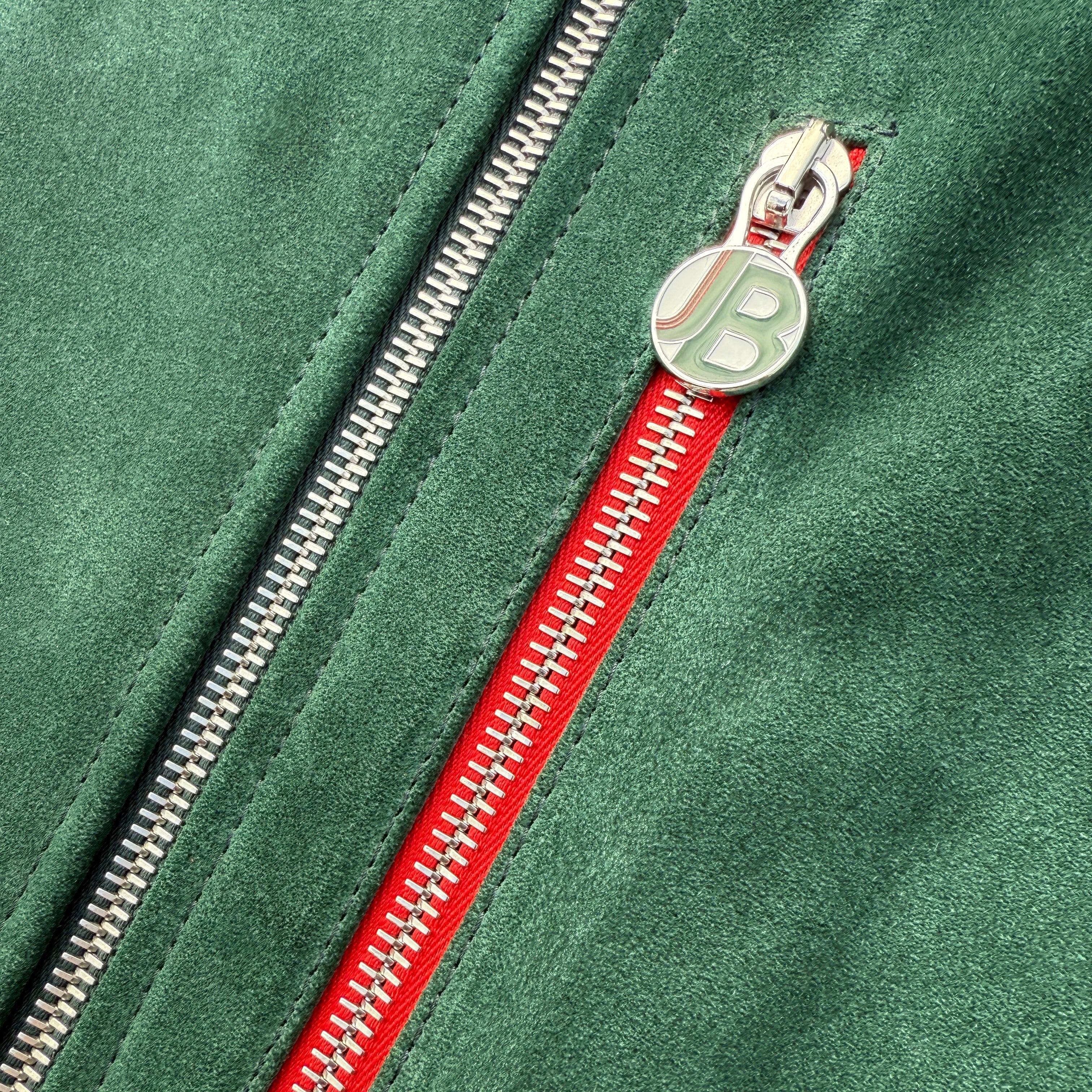
Hardware deserves close attention in either form. A dependable zip is essential, particularly when the bag is filled to capacity. YKK Excella zips, solid metal fittings and hand-finished leather pulls are not superficial luxuries. They are the details that determine whether a bag feels assured each time it is opened, closed and lifted.
Choosing for the car, not just the journey
Owners of grand tourers and performance cars often choose luggage with the boot in mind. This is where a holdall frequently earns its place. A pair of matching or complementary holdalls can make efficient use of a boot while creating a coherent visual relationship with the cabin. The effect is subtle, but it speaks to the same instinct that leads an owner to specify a particular leather, contrast stitch or wheel finish.
That does not make the duffel unsuitable for motoring. Far from it. A soft duffel can be the more intelligent choice in a car with irregular luggage space, behind the seats of a sports car or for carrying race-day equipment that does not naturally fit into a rigid shape. The deciding factor is not badge, price or convention. It is how the bag works with the car you actually drive.
For a long weekend in an Aston Martin, Bentley or Ferrari, a structured holdall often complements the occasion and accommodates clothing with greater care. For a track day in a Porsche or McLaren, a duffel may be the more natural companion for technical layers, gloves, shoes and other kit. Many enthusiasts ultimately keep both: one for composed travel, one for purposeful spontaneity.
Bespoke details make the distinction personal
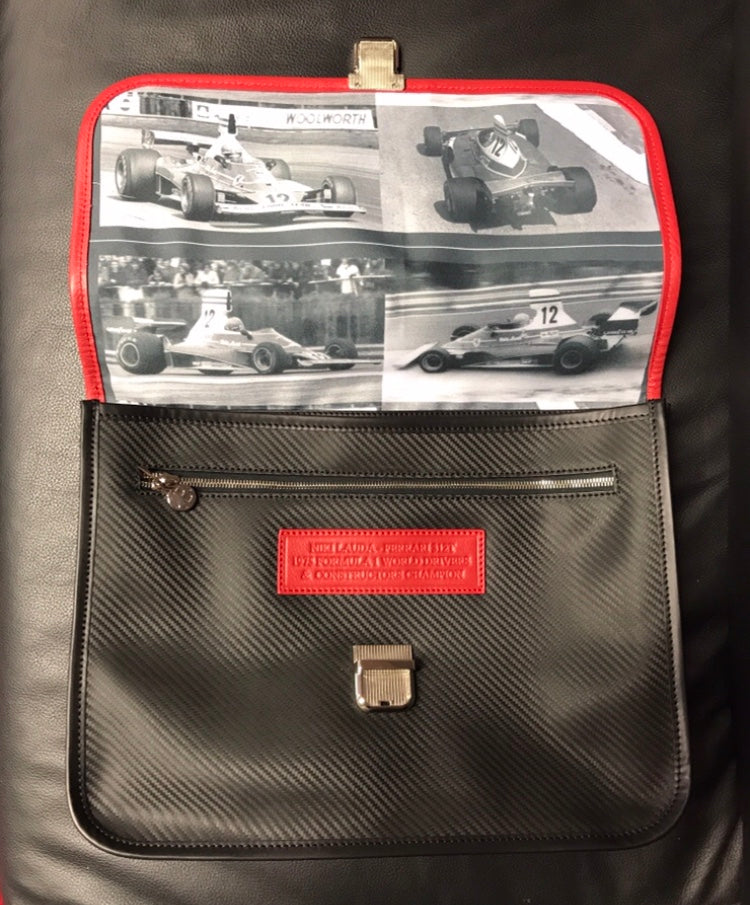
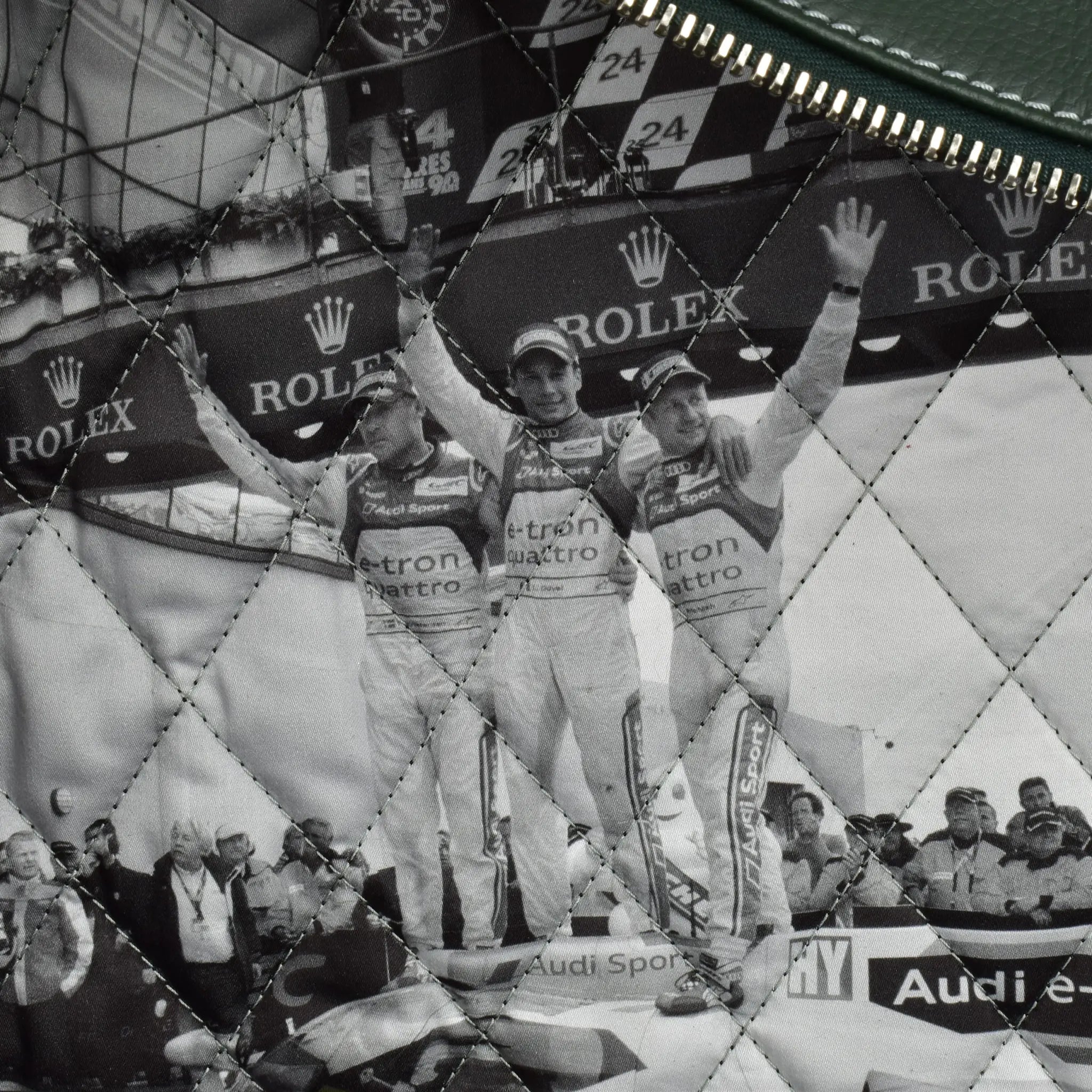
The most compelling luggage does more than carry belongings. It holds a connection to the person who commissioned it. A holdall can be specified with leather that echoes an interior, contrast stitching inspired by a cherished car, or a lining chosen to recall a racing livery. A duffel can carry the same personal language in a more relaxed form.
This is where bespoke craftsmanship changes the question. Rather than selecting a generic category, the client can shape the bag around their habits. A frequent traveller may prefer a holdall with a discreet garment section and a dedicated tech pocket. A racing driver might favour a duffel with an easy-clean lining, reinforced base and space for paddock essentials. At Jordan Bespoke, such details are treated as symbols of individuality, not optional decoration.
Material choice is equally personal. Tuscan leather brings depth, fragrance and a handsome patina, while technical fabrics can reduce weight and offer a more contemporary motorsport character. The right answer may be a classic leather holdall for hotel weekends and a hard-wearing duffel for circuit use. Craftsmanship should serve the life of the bag, not confine it to a shelf.
Which should you choose?
Choose a holdall when your travel is measured, your packing considered and your clothing deserves protection from unnecessary creasing. It is the natural choice for a refined weekend away, a business overnight or luggage intended to complement a beautifully appointed motor car.
Choose a duffel when versatility is the priority. It suits sport, race days, informal escapes and any journey where soft capacity matters more than precise organisation. It is less formal by nature, but in exceptional materials it can still be every bit as distinguished.
The most satisfying choice is the one that feels right when you lift it from the boot before the road has fully left you. Select the shape that serves your habits, then insist on materials and workmanship worthy of every mile to come.