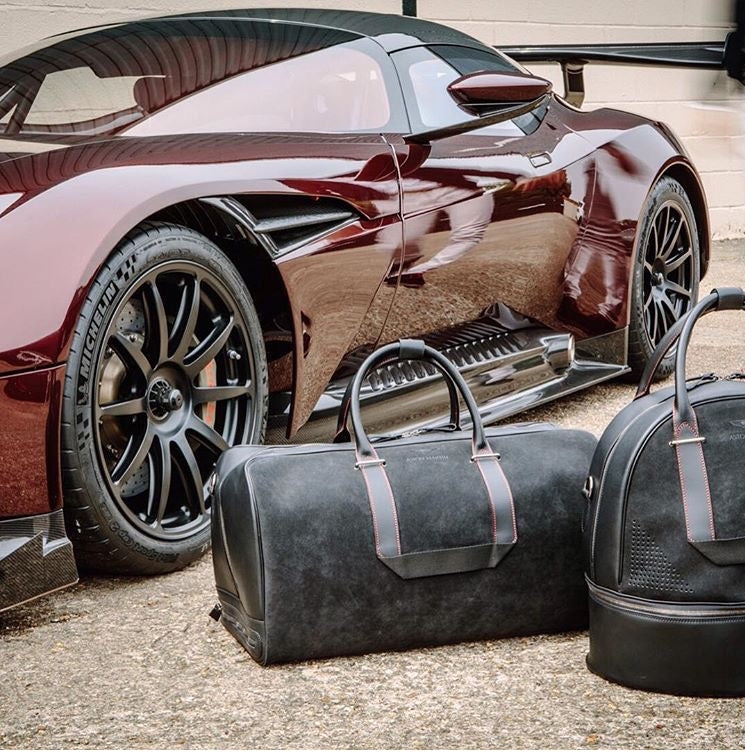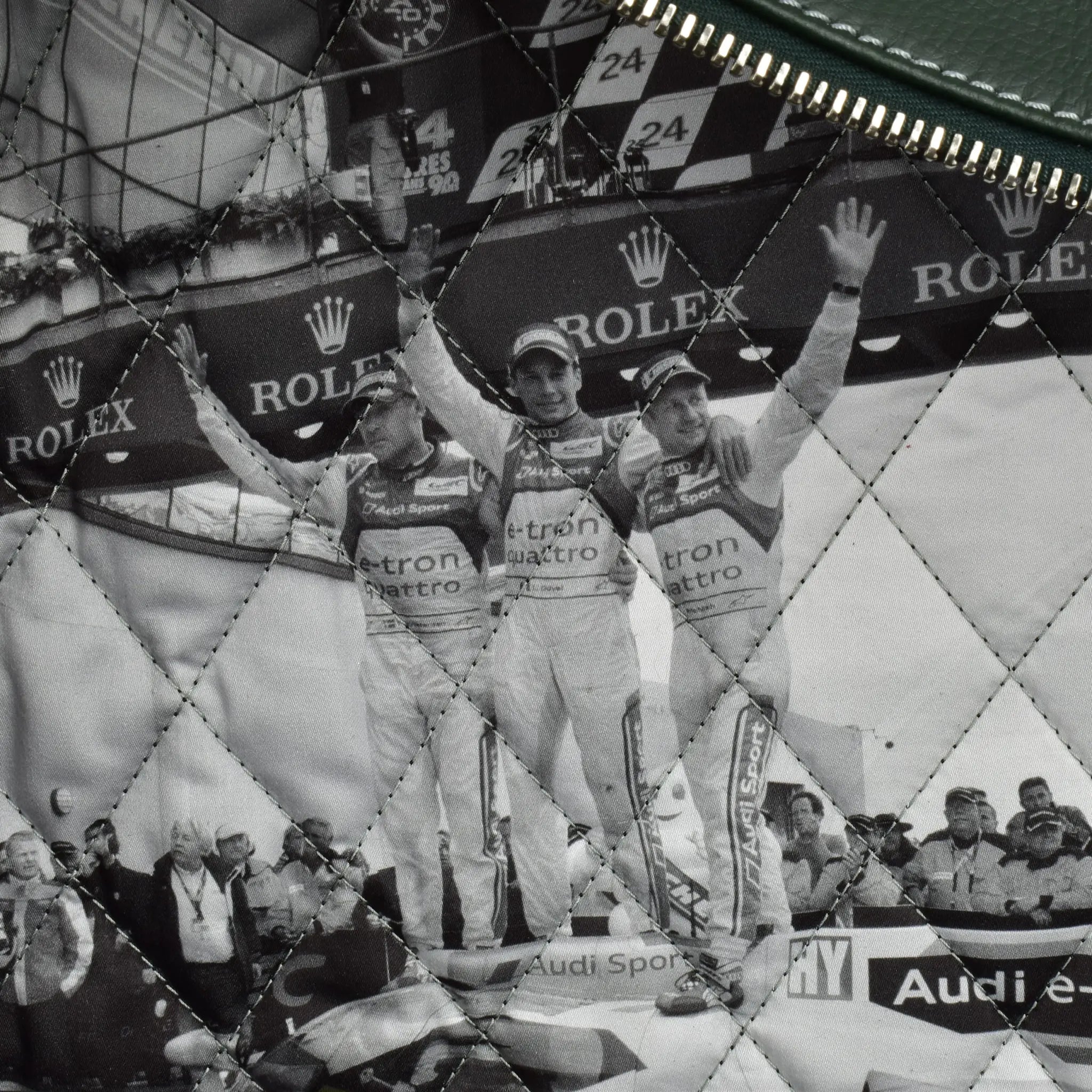

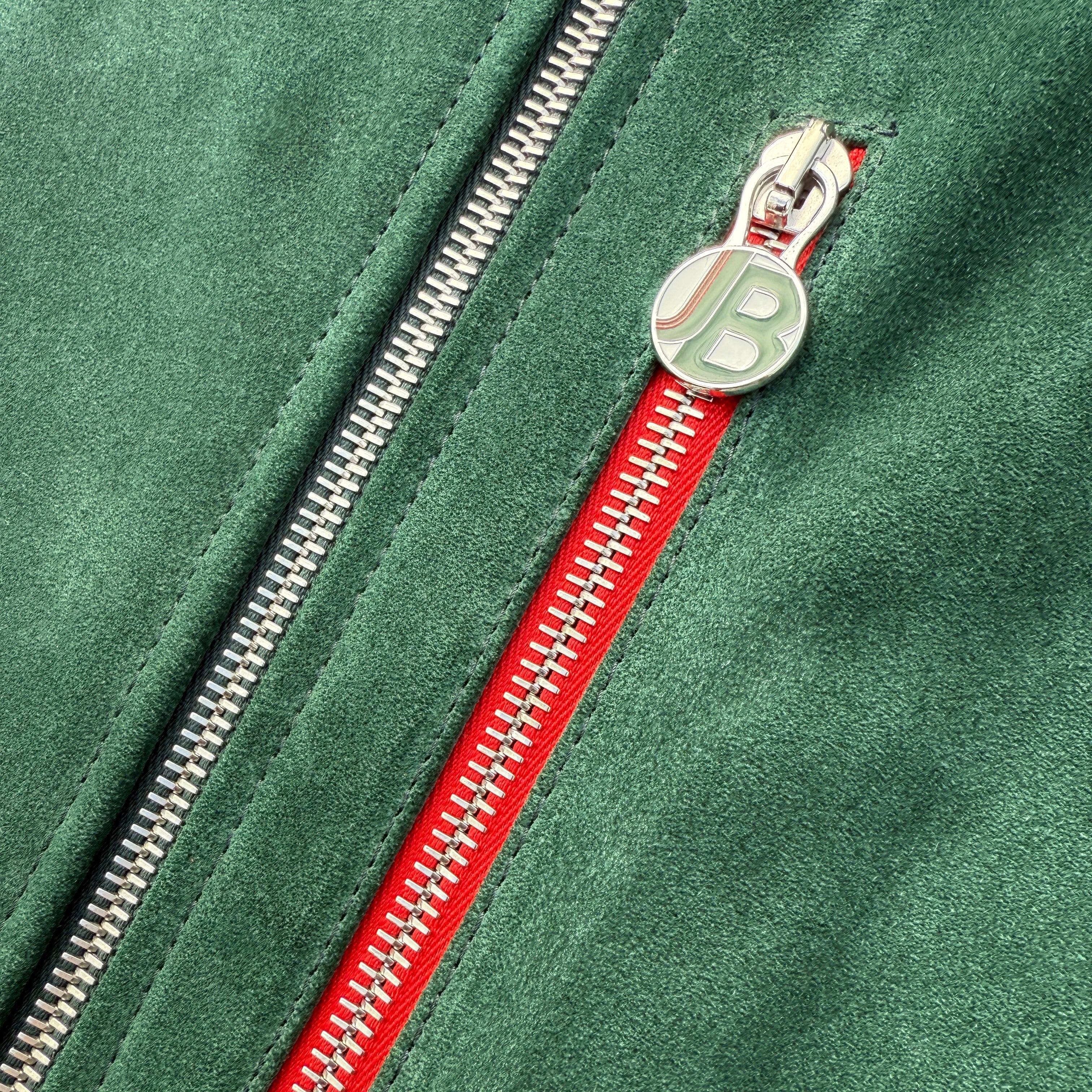

A bag lining is the detail most people notice only when it has been poorly chosen. It catches on a zip, marks a polished watch case, swallows a key fob in a dark corner or feels strangely at odds with the exterior leather. For the discerning owner, knowing how to choose custom bag linings is not a finishing touch. It is part of commissioning an object with the same considered character as a well-specified motor car.
The right lining gives a holdall, helmet bag or briefcase its private identity. It should protect what you carry, perform under regular use and reveal something personal every time the bag is opened. Whether your reference point is the cabin of a grand tourer, a racing livery or the restrained confidence of a tailored jacket, the decision deserves more thought than simply selecting a colour.
Begin with the bag's real purpose
A lining must work as hard as the exterior. A weekend holdall used for country-house escapes has different demands from a race day kit bag that carries gloves, footwear, hydration and occasionally damp clothing. Likewise, the interior of a tech case should offer a controlled, low-abrasion environment for cables, headphones and devices, while a garment carrier benefits from a lining that allows clothing to move smoothly without clinging.
Start with the contents you carry most often. Heavy, angular or metallic items need greater resistance to scuffs and snagging. Delicate eyewear, leather gloves and technical fabrics benefit from a softer hand. If the bag is likely to be opened in a pit lane, car park or aircraft cabin, a lining with enough contrast to make smaller pieces visible is a practical luxury, not an aesthetic compromise.
Frequency matters too. A bag reserved for special journeys can accommodate a more expressive, tactile fabric. A daily briefcase or regularly travelled holdall may call for a denser, more forgiving material that retains its appearance after years of use. Bespoke should never mean precious. It should mean correctly specified.
How to choose custom bag linings by material
The material establishes the feel of the bag from the moment the zip is opened. It also affects durability, weight, maintenance and the way the interior ages. There is no universally superior choice. The right one depends on the relationship between the bag, its owner and the life it is intended to lead.
Suede and Alcantara-style interiors
Suede brings unmistakable warmth and depth. In a leather holdall or special commission, it creates the sensation of stepping into a finely appointed cabin. It works particularly well where the bag will carry soft personal items and where the owner values a rich, tactile interior. Colours such as tobacco, stone, charcoal or deep oxblood can make a familiar exterior leather feel entirely new.
The trade-off is care. Natural suede can show marks from wet kit, cosmetics or loose tools, and it requires more consideration than a technical textile. An Alcantara-style material offers a similar visual richness with greater consistency and resilience, making it an excellent choice for motorsport-inspired luggage, helmet bags and cases that see frequent use. It has the composed, technical character many enthusiasts appreciate in contemporary performance interiors.
Woven textiles and durable twills
A finely woven textile is often most the versatile lining for a travel bag. It can be light, hard-wearing and available in a wide range of colours, while its structure gives the bag an organised, purposeful interior. A tight twill or technical weave is especially appropriate for bags that travel regularly, as it resists catching and can be easier to maintain than a more delicate finish.
This is also where custom pattern can be used with restraint. A discreet check, herringbone or stripe may reference British tailoring. A finely repeated motif can echo a vehicle's seat insert or historic race number without turning the bag into merchandise. Scale is crucial: a pattern should reward a closer look, not compete with the exterior leather.
Leather-lined details
Leather is rarely the best answer for every square inch of a bag's interior. It adds weight, can reduce flexibility and may be less suitable around items that need a soft landing. Yet used selectively, it is exceptionally effective. Leather pocket facings, document sleeves, key straps and trim lend structure and continuity, particularly when matched to the exterior or contrasted with a considered lining colour.
A full leather interior can be magnificent in a compact briefcase, watch roll or presentation piece, where the contents are few and the sense of occasion is paramount. For a larger weekend bag, a mixed-material approach often makes more sense: leather where strength and definition are needed, textile or suede where lightness and protection matter most.
Let the lining speak to the exterior, not merely match it
Matching the lining precisely to the exterior leather is safe, but it is not always the most compelling choice. The finest specifications create a dialogue between materials. Consider the relationship between the exterior hide, hardware, stitching and the environment in which the bag will be used.
A navy pebbled leather holdall might be paired with a warm saddle lining, recalling classic British sporting interiors. Racing green leather can carry a cream, tan or burgundy interior with confidence. Black leather becomes sharper with graphite, deep red or a muted technical grey. These combinations have presence because they are intentional, not because they are loud.
For clients commissioning luggage to complement a particular vehicle, take cues from the details rather than reproducing the entire cabin. The piping on a seat, the colour of a brake caliper, a heritage tartan, dashboard stitching or the anodised finish of a control can provide a more elegant starting point than an obvious colour match. A bespoke bag should belong alongside the car while retaining its own identity.
Choose colour with use and visibility in mind
Dark linings feel formal and conceal incidental marks, but they can make smaller belongings difficult to find. This is particularly relevant in deep duffels and holdalls. A mid-tone interior - tobacco, slate, olive, taupe or a restrained blue - often gives the best balance between visual sophistication and everyday visibility.
Pale linings can be beautiful in a bag designed for clean, carefully selected contents, but they will show evidence of use sooner. That may be entirely appropriate for a piece intended to acquire a personal patina. It is less suitable for a race day bag exposed to trackside dust, tyre residue or wet weather. The question is not whether a lining will age. Every worthwhile material does. It is whether it will age in a manner you will enjoy.
Contrast can also assist organisation. A darker main lining with a lighter pocket interior makes essentials easier to locate. Conversely, a vivid flash of colour inside a discreet exterior can become a private signature. For a collector, that small moment of recognition can be more satisfying than an exterior logo.
Do not overlook construction and pocket design
Even the most beautiful lining fabric cannot compensate for weak internal construction. Examine how the lining is secured at the base, around the zip and within each pocket. It should sit cleanly without excess fabric, withstand the weight of daily contents and allow the bag to retain its intended silhouette. Corners and stress points deserve particular attention, as this is where lesser linings begin to pull away.
Pockets should be shaped around behaviour, not added as decoration. A slim zipped compartment protects travel documents and keys. An open padded sleeve can suit a tablet or notebook. Elasticated retention is useful for charging leads and smaller accessories, though too much internal segmentation can make a holdall feel restrictive. The best interiors offer order without demanding that every journey be perfectly organised.
Hardware matters within the bag as much as outside it. A smooth, dependable zip such as YKK Excella is a pleasure to use and reduces the risk of catching a refined lining. Bound seams, leather-edged pockets and carefully placed reinforcements signal that the interior has been made to the same standard as the exterior.
Commission for a story you will still value in ten years
Personalisation is at its strongest when it is rooted in something lasting. A lining inspired by the upholstery of a first grand tourer, the colours of a family racing team or a favourite circuit can turn luggage into a genuinely meaningful possession. Initials, a discreet date or a finely applied race number can add intimacy, provided they are handled with the same restraint as a coachbuilt detail.
At Jordan Bespoke, this is where a custom lining becomes more than a colour selection. It becomes part of a complete specification, considered alongside Tuscan leather, stitching, hardware and the intended rhythm of the owner's travels. The result should feel inevitable: a bag crafted for life, with an interior that is as individual as the person carrying it.
Choose the lining that will make you pause for a moment each time you open the bag. That private satisfaction, combined with honest practicality, is the hallmark of a truly personal commission.