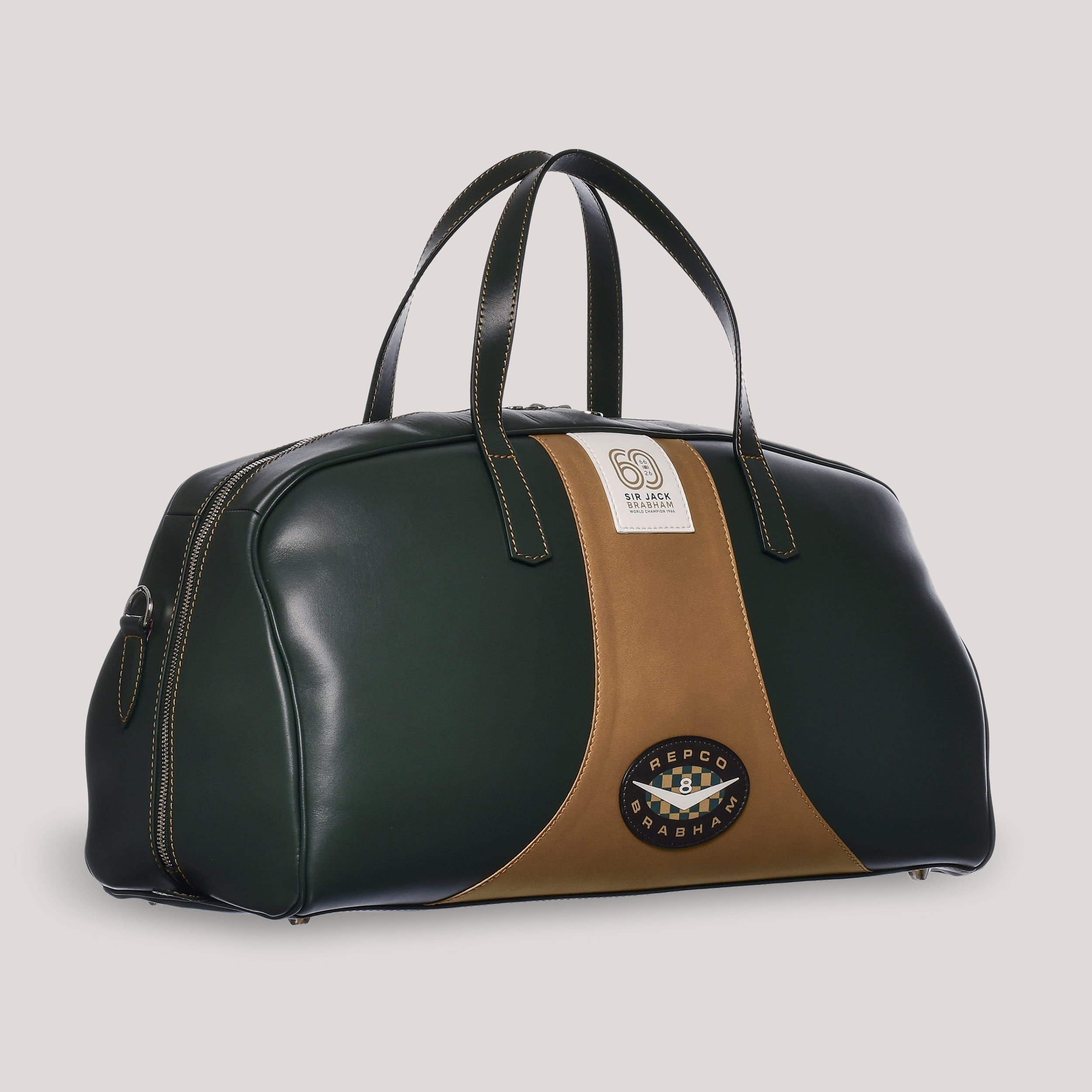


A helmet placed carefully in the passenger footwell, a tailored jacket folded over the rear seats, driving shoes tucked beside a tool roll: the journey to a circuit has always involved a certain ritual. The most compelling luxury motorsport luggage trends now recognise that ritual. They move beyond simply carrying equipment, treating each holdall, helmet bag and garment carrier as part of a driver’s personal specification.
For collectors, competitors and discerning weekend travellers, luggage is becoming an extension of the motor car itself. The strongest pieces combine the warmth and longevity of fine leather with purposeful organisation, technical detailing and a level of personal expression once reserved for coachwork and cabin trim.
Luxury Motorsport Luggage Trends Moving Beyond Branding
For years, automotive luggage was often defined by an oversized marque logo or a colour scheme borrowed directly from a racing team. Those details still have their place, particularly when they mark a genuine competition relationship or a significant car in a collection. Yet the more considered direction is quieter and more personal.
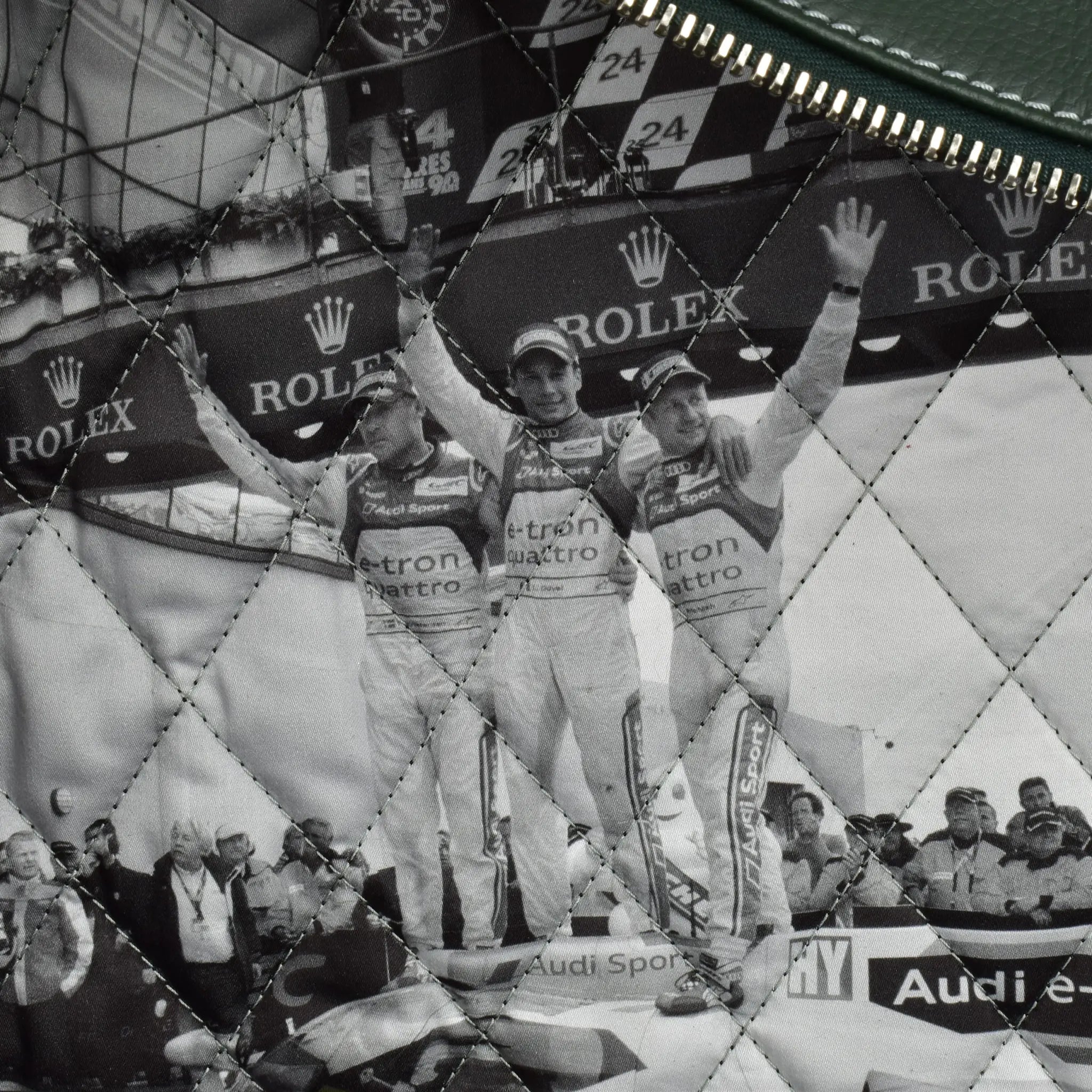
Rather than advertising allegiance at first glance, clients are commissioning pieces with references that reward closer inspection: a lining matched to a treasured car’s interior, contrast stitching drawn from a steering-wheel marker, or a discreet debossed race number. A luggage set can recall the saddle leather of a grand tourer, the upholstery of a 1960s competition car, or the vivid trim of a modern supercar without becoming a piece of merchandise.
This is a meaningful shift. Luxury is increasingly measured by what can be recognised by the owner, not merely by what can be recognised across a paddock. The most successful automotive luggage feels coherent with a vehicle while retaining the restraint to travel well beyond the circuit.
Configuration, not customisation as an afterthought
The language of car configuration has influenced how clients approach luggage commissions. They expect a considered choice of exterior leather, interior colour, hardware finish, piping, embroidery and monogramming. Bespoke work is no longer limited to adding initials to a finished bag. It begins with proportion, purpose and material selection.
A weekend holdall for continental road trips may call for a soft-sided silhouette that sits comfortably in a shallow boot. A race-day kit bag needs more structure, a hard-wearing lining and compartments that keep gloves, balaclava, hydration kit and spare layers in order. The distinction matters. A beautiful bag that cannot accommodate the life it is intended for is decoration, not design.
Purposeful Pieces for the Paddock and the Road
One of the clearest luxury motorsport luggage trends is the move away from a single general-purpose duffel towards a coordinated collection of specialist pieces. This reflects the reality of how enthusiasts travel. A concours weekend, a track day and a two-night escape in a grand tourer demand different equipment, even when the aesthetic remains consistent.
The helmet bag has become especially significant. A racing helmet is both precision safety equipment and, often, a deeply personal object. It deserves more than an unpadded sack or a generic carry case. A proper helmet bag should provide protection without unnecessary bulk, using a soft microfibre or Alcantara-style lining, carefully placed padding and a stable base. Separate space for a visor, HANS device or communications equipment can be invaluable, provided the design remains elegant rather than overly tactical.
Garment carriers are also returning to prominence. Drivers and collectors frequently move between the circuit, hospitality, dinner and hotel with little time to change the rhythm of the day. A leather-trimmed garment carrier that preserves a tailored jacket or race suit brings practical order to that transition. It is particularly relevant for those who regard a well-cut jacket and a well-kept driving kit as equal parts of presentation.
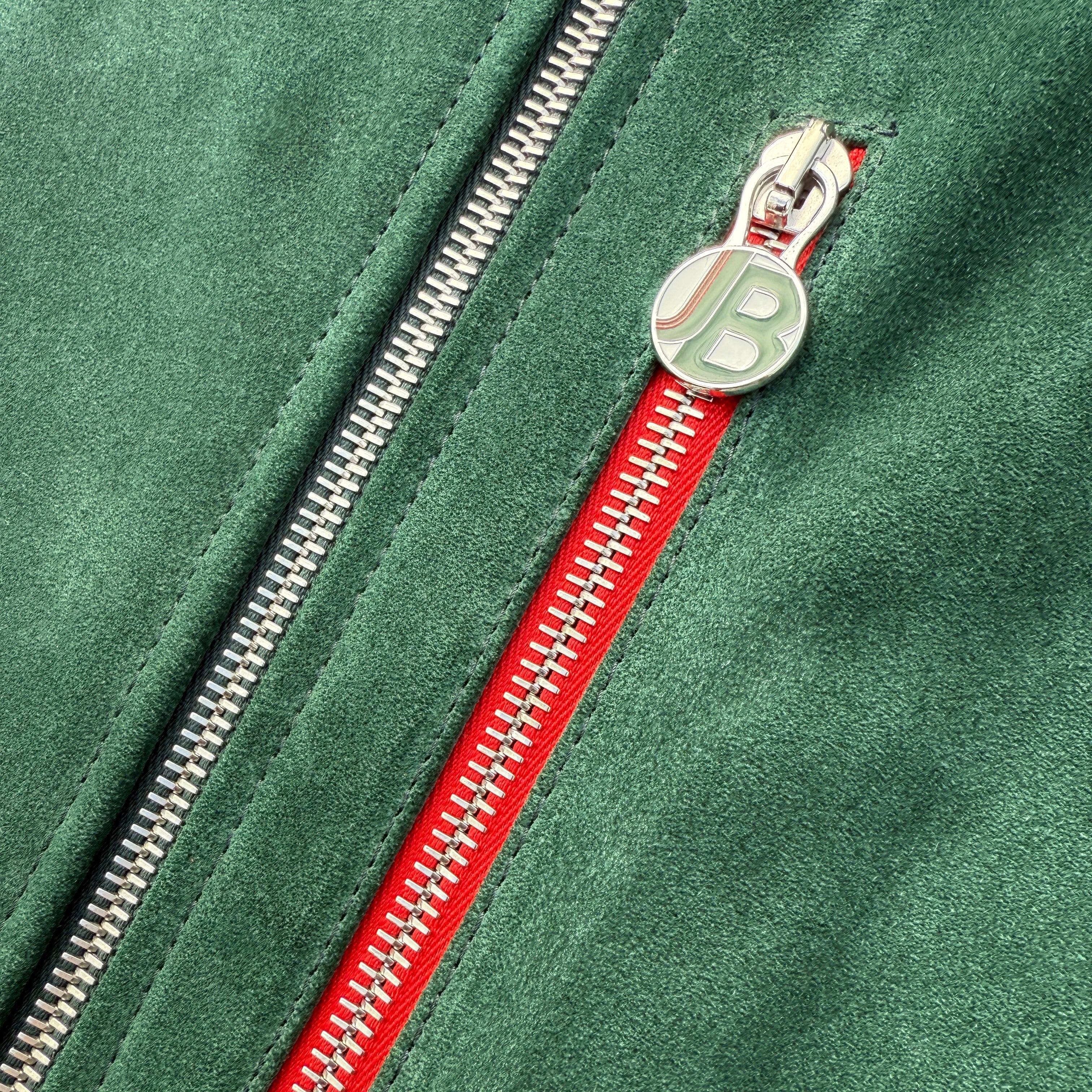
For longer journeys, the holdall remains the centrepiece. Here, broad opening zips, reinforced handles and a sensible internal layout matter as much as the exterior. Premium YKK Excella zips, hand-finished edges and strong hardware are not superficial luxuries. They determine how a bag feels after years of loading it into boots, carrying it through hotel lobbies and placing it on pit-lane concrete.
The Material Story: Leather Meets Technical Performance
Fine leather remains central to this category, and rightly so. Full-grain Tuscan leather develops a patina that records use rather than conceals it. Scuffs and softening at the handles become part of the piece’s history, much like the wear on a favourite steering wheel or the gentle creasing of a well-used driver’s seat.
However, leather alone is not always the best answer. Motorsport luggage increasingly combines it with carefully chosen technical textiles, suede linings and lightweight composite elements. This is not a rejection of tradition. It is an acknowledgement that a bag used around circuits, aircraft and performance cars must contend with rain, dust, tight luggage spaces and frequent handling.
The trade-off is worth considering. A fully leather holdall offers exceptional character and a satisfying sense of permanence, but it will weigh more than a hybrid construction. A lightweight technical shell may be more practical for regular flying or wet-weather events, though it can lack the depth and ageing quality that makes leather so compelling. The strongest designs use each material where it performs best: leather at the touchpoints and visible panels, technical fabric where weight or weather resistance is required, and a protective lining where delicate equipment sits.
Colour is following a similarly assured path. Black, tobacco, navy and racing green remain enduring choices because they suit both automotive settings and everyday travel. Alongside them, there is growing interest in purposeful contrast: oxblood lining inside charcoal leather, cream stitching against deep green, or a flash of heritage blue beneath a restrained exterior. These combinations carry personality without sacrificing longevity.
Heritage References With a Lighter Touch
Motorsport heritage is rich territory, but it can be mishandled. Overuse of chequered flags, sponsor-style graphics and obvious retro motifs can quickly make a piece feel dated. The more sophisticated approach is to work with proportion, texture and subtle codes.
A period-inspired strap arrangement, a brushed-metal plaque, perforated leather reminiscent of a driving glove, or a narrow stripe placed beneath the handle can be enough to establish the reference. For a client with a meaningful competition history, a race number or circuit outline may be entirely appropriate. The question is whether it tells a real story.
This emphasis on provenance is influencing commissions. Owners increasingly want luggage that marks a specific car acquisition, a historic rally, a family racing connection or a significant birthday journey. Such pieces are symbols of individuality, but they are also designed to be used. The point is not to preserve them untouched in a dressing room. It is to create objects that become more convincing through travel.
Consider the vehicle before the visual brief
The best place to begin is often the car, not a mood board. Boot dimensions, cabin colours, intended use and the owner’s preferred way of travelling will shape a more successful result than selecting a leather swatch in isolation.
A lightweight pair of compact grips may suit a mid-engined sports car with limited storage. A larger structured holdall and garment carrier might be right for a Bentley or Aston Martin used for longer touring. For a race driver, equipment layout takes precedence, but it need not compromise refinement. Jordan Bespoke approaches this balance as a form of personal commissioning: every detail should earn its place through utility, beauty or a connection to the owner’s story.
Craftsmanship Is Becoming the Real Statement
As luxury buyers become more discerning, generic claims of quality are less persuasive than visible evidence of making. Hand-cut panels, precise saddle stitching, carefully burnished edges, hand-painted finishes and durable metalwork create a level of presence that factory-made luggage struggles to replicate.
Italian production remains particularly valued for its command of leatherwork, while British automotive culture contributes a distinctive sense of heritage, tailoring and restraint. Together, those influences suit motorsport luggage perfectly. The result should feel engineered but never cold, expressive but never theatrical.
There is also a growing appreciation for repairability. A bag made with sound construction, replaceable hardware and leather that can be cared for is a more credible luxury purchase than one intended for a brief season. In this category, longevity is not simply responsible. It is part of the romance. A holdall that accompanies its owner on road trips, race weekends and milestone journeys gathers a provenance no new object can imitate.
The finest luggage will always do its job quietly. It protects the kit, carries the essentials and sits naturally beside the car. But when its materials, proportions and private details have been chosen with care, it becomes something more enduring: a companion crafted for the journeys that matter.