

A proper driving weekend begins before the engine turns over. The route may lead to a circuit paddock, a country hotel or a continental crossing, but the ritual is the same: pack with purpose, protect what matters and arrive composed. The best travel accessories for drivers are not novelties bought at a motorway service station. They are well-made companions that respect the car, the journey and the life being carried within them.
For the discerning driver, every item should earn its place. It must fit naturally into the boot, withstand regular use, and look as considered at a grand tourer gathering as it does beside the luggage trolley at a five-star hotel.
Best travel accessories for drivers: start with the luggage
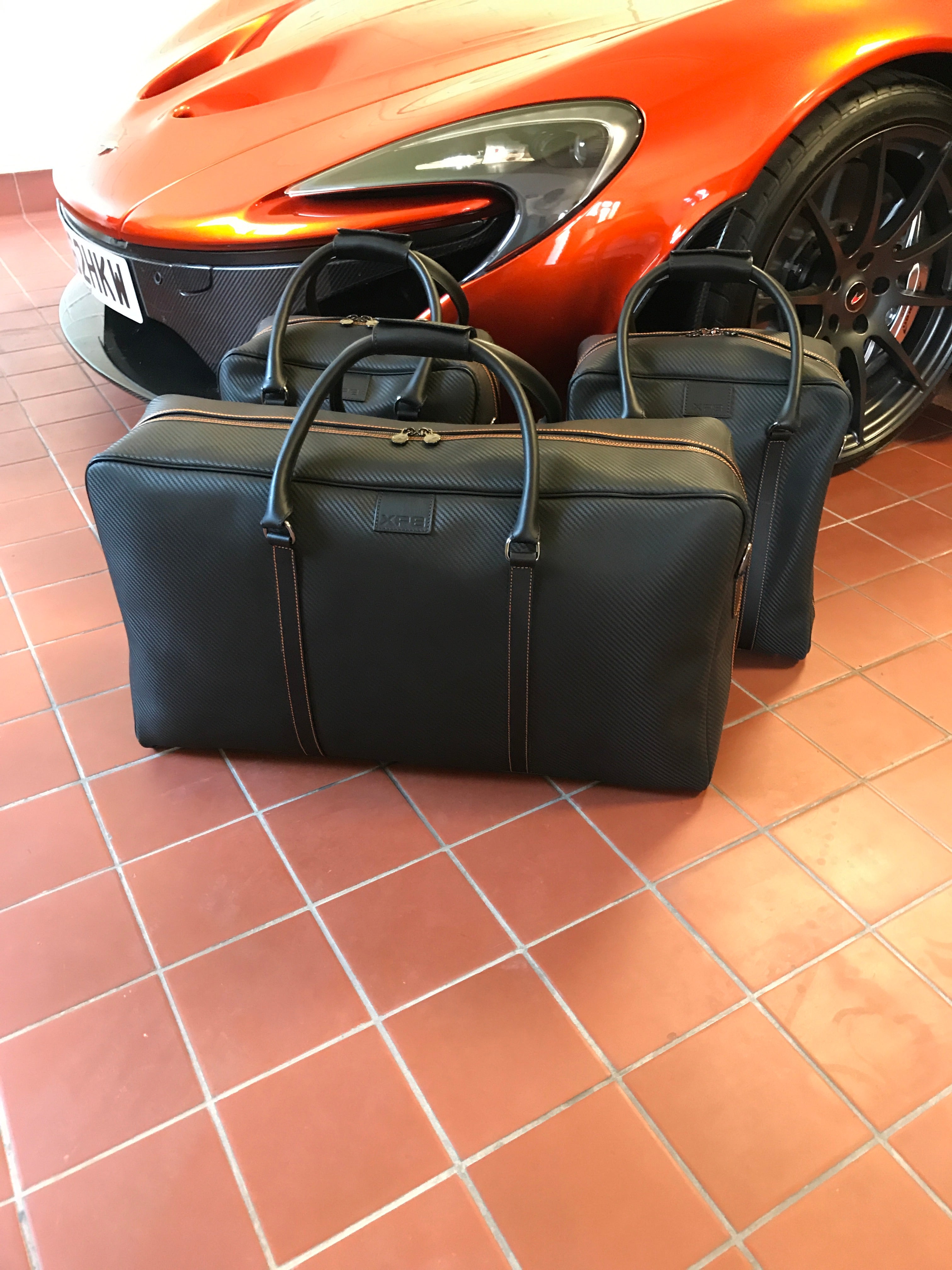
The right bag is the foundation of every journey. A weekend holdall has a particular advantage over hard-sided luggage for driving: it can be shaped around the available boot space, lifted easily through a narrow opening and carried from car to room without fuss. The finest examples retain their structure without becoming rigid, using substantial leather, carefully engineered panels and a reinforced base.
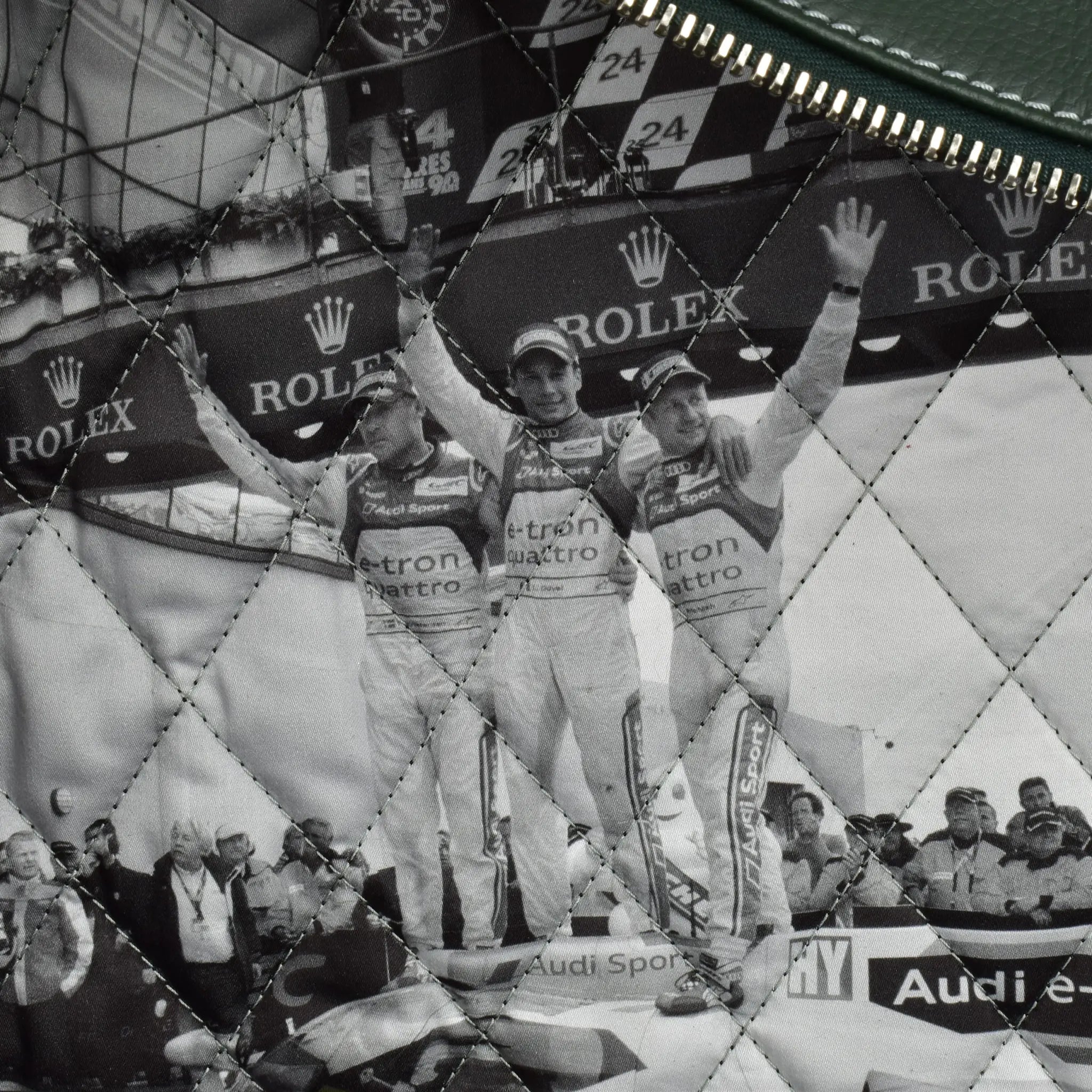
A generous leather holdall suits two or three nights away, especially when the itinerary moves between road, restaurant and hotel. Choose a shape that opens wide enough to pack properly rather than forcing everything through a narrow zip. Interior pockets are useful for chargers, keys and documents, but too many compartments can make a bag feel over-designed. One well-placed zipped pocket and a considered lining usually do more than a collection of small divisions.
For owners of compact sports cars, proportions matter as much as capacity. A pair of smaller, matching bags may make better use of an awkward boot than one large duffel. This is where bespoke luggage has a clear purpose rather than being merely decorative. A commission can be designed around the dimensions, colour palette and character of a particular vehicle, from a classic Jaguar to a modern Porsche or Ferrari.
Leather demands a little consideration. It is beautiful, tactile and becomes more personal with age, but it is not the best choice if the bag will routinely be thrown into a wet support van or left exposed at an open-air event. In that setting, a technical fabric case or an aerospace-grade material may be the wiser companion. The most enduring travel wardrobe often combines both.
A garment carrier for the arrival, not just the journey
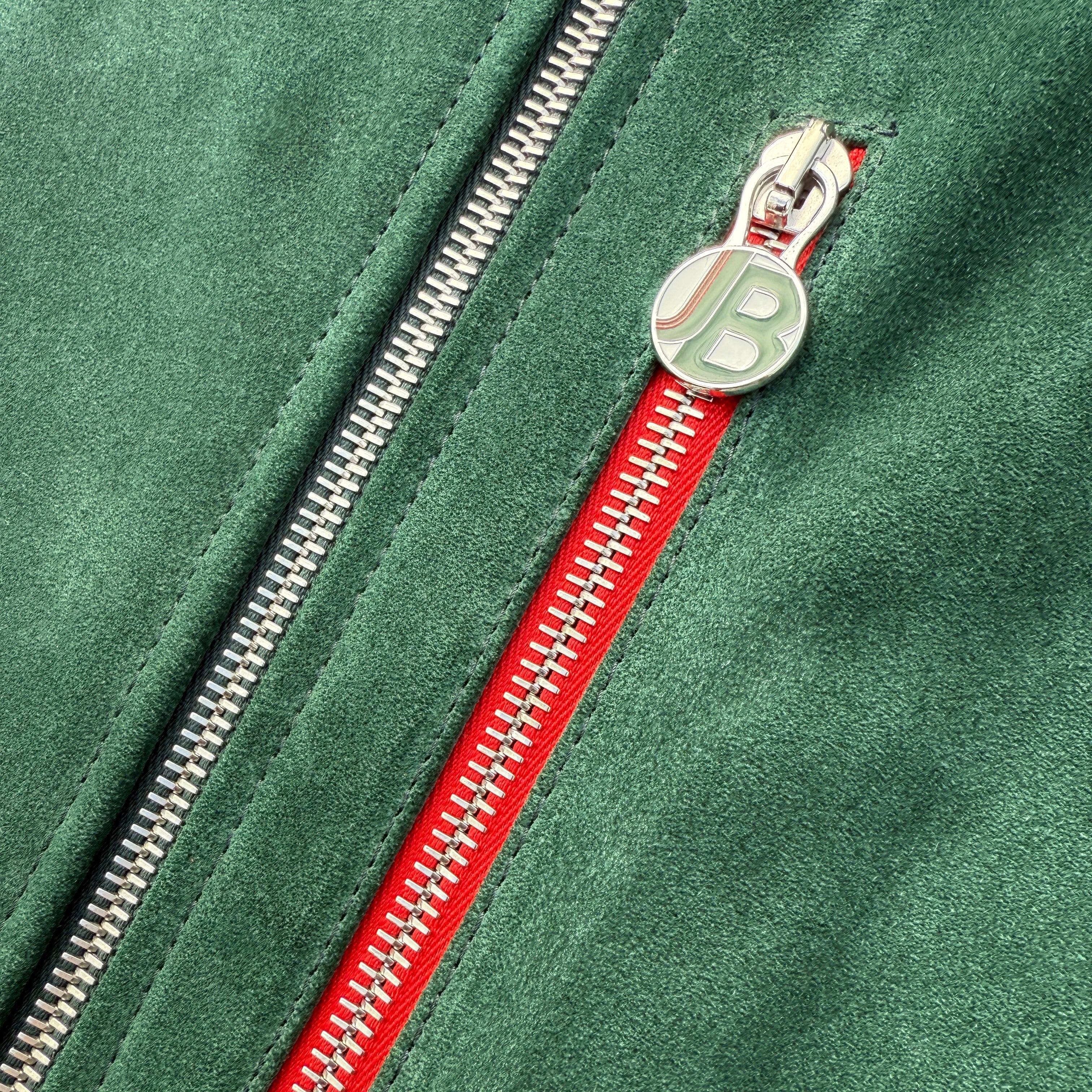
A driving trip often ends with an occasion that deserves more than a creased shirt pulled from a holdall. A quality garment carrier protects a dinner jacket, tailored suit or racing team attire while keeping it close at hand. Look for a design that folds intelligently, has room for shoes or small essentials, and uses dependable hardware such as YKK Excella zips.
There is a practical balance to strike. A full-length garment bag is ideal when travelling by train or flying, but can be cumbersome in a low-slung car. A compact folding carrier is usually the more elegant answer for a weekend drive. It will not eliminate every crease, particularly in linen, yet it preserves the structure of a jacket far better than packing it flat.
The cabin pieces that keep a driver organised
The cabin is not a general storage area. Loose cables, sunglasses cases and documents sliding about the passenger footwell quickly undermine the pleasure of a carefully prepared car. A small leather tech case brings order to charging leads, adapters, power banks and wireless earbuds, while protecting the cabin from visual clutter.
A dedicated document wallet is equally valuable. Keep driving licences, insurance documents, reservation details, ferry confirmations and track-day paperwork together, particularly when crossing borders. It is an understated accessory until the moment an official asks for something at a checkpoint and it appears immediately, rather than after an undignified search through the glovebox.
A well-made key case can be worthwhile for drivers who carry multiple vehicle keys, garage fobs or a home charging card. It prevents metal edges from marking a phone or leather interior, and it makes the daily handover of keys feel more intentional. Avoid bulky designs, however. Modern key fobs are substantial enough without wrapping them in unnecessary weight.
Sunglasses deserve their own protection. Drivers often buy excellent lenses and then place them loose in a centre console alongside coins and charging cables. A structured glasses case, lined with soft suede or microfibre, is a modest investment that protects an essential piece of driving equipment. Polarised lenses are excellent in many conditions, though some drivers find they make certain digital instrument displays harder to read. Try them in your own car before committing.
A compact wash bag belongs in the programme
The wash bag is easy to overlook, yet it is among the most frequently handled pieces on a trip. A leather wash bag with a wipe-clean lining keeps grooming essentials contained and brings a welcome sense of order to a hotel bathroom or pit-lane changing room. Select a size that carries what you genuinely use. Oversized wash bags tend to become repositories for half-empty bottles and forgotten receipts.
For frequent international travel, consider separating liquids from other grooming items. It makes security checks simpler and protects leather-lined luggage from an unfortunate leak. Craftsmanship is not an excuse to ignore practicality.
Race-day and roadside accessories worth carrying
A race day requires its own equipment. A purpose-built helmet bag is one of the best travel accessories for drivers who participate in track days, historic racing or karting. It should cushion the helmet from knocks, allow enough ventilation after use, and leave space for a HANS device, visor cloth and gloves where appropriate. The bag is not simply transport. It protects an item that is both safety equipment and, often, a deeply personal part of a driver's identity.
A larger race-day kit bag makes sense for those carrying boots, racewear, spare layers and tools between the car, garage and hospitality area. Hardwearing handles and a reinforced base are especially valuable here. Leather trim can lend distinction, but the principal body may be better in technical cloth if it will meet wet tarmac, tyre dust and repeated heavy use.
For road trips rather than track days, keep a discreet emergency pouch in the boot. It should contain a first-aid kit, warning triangle where legally required, torch, high-visibility vest, tyre-pressure gauge and a compact charging cable. This is not glamorous kit, but it is the difference between being prepared and being stranded. Check it every season, particularly batteries, expiry dates and the condition of any tyre inflator.
A microfibre cloth and a small bottle of interior-safe cleaner are also sensible additions for a collector car or cherished daily driver. They handle the small indignities of travelling: fingerprints on piano-black trim, rain marks on a door sill, or a mark on a leather seat after a long day. Keep products in a sealed pouch, not loose beside the luggage.
What not to buy for the car
The accessory market is full of objects that promise convenience while adding noise. Avoid overbuilt seat organisers, bright plastic bins and oversized coolers unless the journey genuinely demands them. In a finely finished cabin, less is usually more.
The same applies to cheap leather goods. Thin, heavily coated leather may look convincing in a photograph but rarely ages well. It cracks at stress points, its colour rubs away and its hardware reveals its weakness first. Full-grain leather, carefully cut and hand-finished, develops character through use. That patina is not damage. It is the visible record of miles travelled.
Nor does every piece need to match exactly. A coordinated collection in complementary leather and lining colours has more character than a cabin filled with identical monograms. Let the choices relate to the car and to one another, but leave room for individuality.
Choose accessories around your way of driving
The right selection depends on how the miles are spent. The grand tourer owner may value a pair of boot-fitted holdalls, a garment carrier and a refined wash bag. The track-day regular may place a helmet bag, technical kit bag and emergency pouch first. Someone moving frequently between London, the Cotswolds and the Continent may need compact pieces that work in the car, at the hotel and through an airport terminal.
Before buying, consider three questions: where will it live in the car, what will it protect, and how will it look after five years of honest use? The answers tend to favour fewer, better pieces. At Jordan Bespoke, that belief informs every hand-made Italian commission, where material, lining and detail can be chosen to reflect both the vehicle and its owner.
The pleasure of driving has always lived in the details: the weight of a key, the sound of a closing door, the familiar feel of leather under hand. Choose travel accessories with the same care, and every stop along the route will feel like part of the journey rather than an interruption to it.