

A fine holdall acquires its character in motion: placed behind the driver’s seat for a dawn departure, carried through a hotel lobby after a long continental drive, or packed for a race weekend. To condition leather holdalls properly is not to make them look artificially new. It is to preserve the depth, suppleness and individual patina that make a well-made piece worth carrying for decades.
Leather care rewards restraint. The wrong product, too much conditioner, or an impatient application can leave a beautiful hide darkened, greasy or uneven. The right approach is quieter: understand the leather, clean it gently, feed it sparingly and allow time for the material to respond.
Why Leather Holdalls Need Considered Care
A premium holdall works harder than it first appears. It is handled often, exposed to changing temperatures, set on floors, passed through airport security and packed against clothing, shoes and metal accessories. Even the most exceptional Italian leather will gradually lose some of its natural oils through use, particularly in dry centrally heated rooms or after regular travel.
Conditioner replenishes a little of that lost nourishment. Done correctly, it helps the leather remain flexible and less prone to drying or surface cracking. It can also revive the richness of colour and make minor signs of use feel like part of a considered patina rather than neglect.
The trade-off is simple: leather does not benefit from constant treatment. A holdall used occasionally may need conditioning once or twice a year. A bag carried every week, or regularly taken between climates, may merit attention every three to six months. Let the leather decide. If it feels dry, looks dull in places or begins to lose its natural softness, it is time to assess it.
Before You Condition Leather Holdalls, Identify the Finish
Not all leather should be treated in the same way. Smooth full-grain or lightly corrected leather is generally suited to a quality neutral leather conditioner. It absorbs nourishment gradually and develops a handsome, personal surface over time.
Suede, nubuck and heavily textured leathers require specialist care. Standard cream or balm can flatten the nap, create darker marks and permanently alter the finish. Similarly, some modern leathers have a protective coating that means they need very little conditioning at all. If water forms neat beads on the surface and the leather feels sealed rather than porous, a gentle wipe-down may be more appropriate than a rich balm.
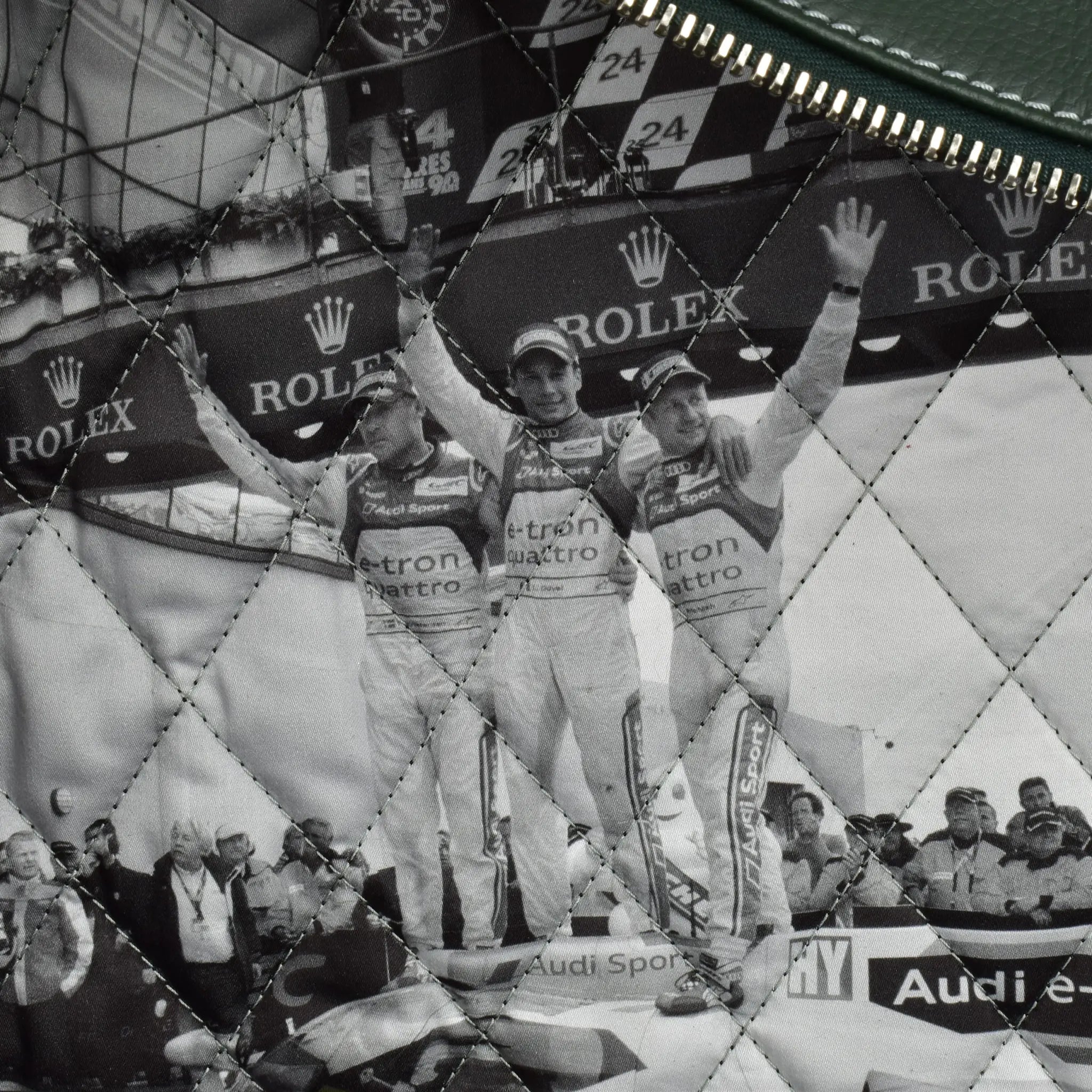
For a bespoke piece, the chosen leather, lining and contrasting details may each have different requirements. Dark leather can usually tolerate a discreet conditioner well, while pale, natural or contrast-coloured hides demand greater caution because even a colourless product may deepen their tone. When in doubt, test first and use less than you think you need.
Prepare the Holdall Properly
Never condition a bag straight after a journey. Allow it to return to room temperature and dry naturally if it has been caught in rain. Direct heat from a radiator, hairdryer or sunny window can stiffen leather and cause uneven drying, which is precisely the problem conditioner is meant to help prevent.
Empty every pocket and shake out dust or grit. Use a soft, dry cloth or a clean horsehair brush to remove loose surface dirt, paying particular attention to seams, handle attachments and the folds around zip gussets. Grit is abrasive, and rubbing conditioner over it can create fine scratches.
If the surface needs more than dusting, use a barely damp cloth and a leather cleaner appropriate for the finish. Work in small sections without soaking the leather. Water is not inherently the enemy of leather, but saturation is. Once cleaned, leave the holdall to dry completely before moving on.
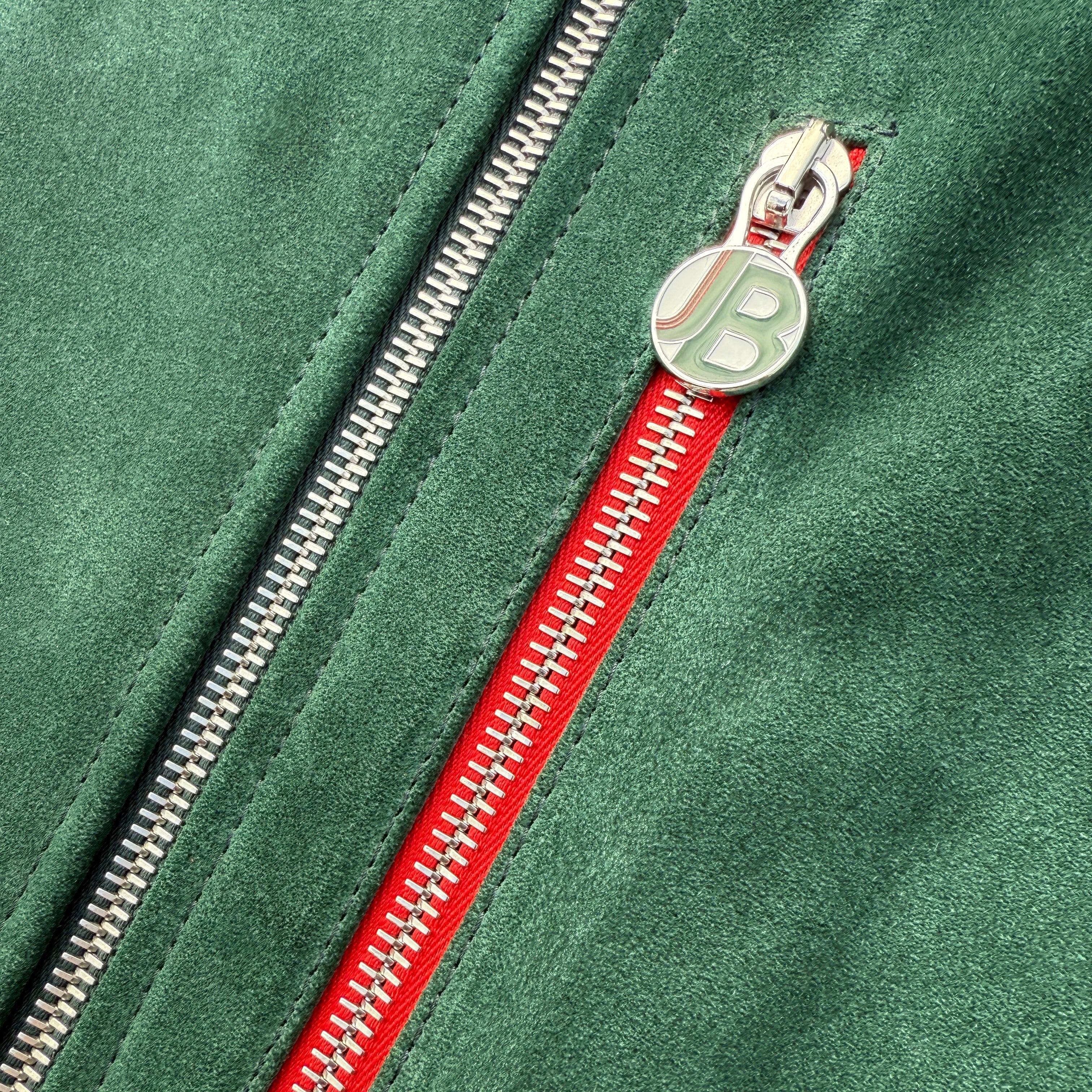
Protect the hardware while you work. Fine zips, particularly polished metal hardware such as YKK Excella zips, deserve a dry cloth after cleaning and conditioning. Residue caught around the teeth or pullers can attract dust and dull their finish over time.
The Right Way to Apply Conditioner
Choose a reputable leather conditioner that is free from silicone-heavy shine agents and aggressive solvents. A neutral cream or balm is normally the most versatile choice for smooth luxury leather. Avoid products designed to produce a high-gloss shoe-like finish; a holdall should retain the natural expression of its hide, not look lacquered.
First, test the conditioner on an inconspicuous area, such as the underside of a handle tab or inside an edge fold. Apply the smallest amount, allow it to settle for several hours, then check for darkening, streaking or an unwanted change in sheen. This brief pause is especially worthwhile with lighter leathers.
Apply a small amount to a clean, lint-free cloth rather than directly to the bag. Work it into the leather using light circular motions, covering one panel at a time. The aim is a thin, even veil, not a visibly wet coating. Give particular attention to handles, corners and areas that flex, as these are the places where leather is most likely to dry first.
Do not force conditioner into stitching, painted edges or zip tape. These elements are made from different materials and do not need feeding in the same manner. Equally, avoid treating the lining unless it is specifically a leather lining and the product is suitable for it.
Once applied, leave the holdall open in a well-ventilated room for several hours, ideally overnight. Do not place it in a cupboard immediately, and do not pack it until the surface feels dry to the touch. Finish with a gentle buff using a fresh cloth. This removes any excess and restores a quiet, even lustre.
Common Errors That Age a Holdall Too Quickly
Over-conditioning is the most frequent mistake. Leather that appears thirsty can tempt an owner to keep applying product, but excess balm may clog the surface, soften the structure and attract dust. If the leather still looks dry after one careful application, give it a day before deciding whether it needs another very light treatment.
Using household oils is another false economy. Olive oil, coconut oil and similar remedies may initially deepen colour, but they can oxidise, become sticky and produce unpredictable staining. Fine leather deserves products formulated for fine leather.
Rain marks need patience, not panic. If a holdall gets wet, blot it gently with an absorbent cloth, reshape it and let it dry naturally away from heat. Condition only after it is fully dry. Applying balm to damp leather can trap moisture and leave tide marks.
Finally, do not confuse wear with damage. A softened handle, gentle creasing at a fold and a deepening of tone where your hand naturally rests are hallmarks of a travelled piece. The objective is to prevent dryness and neglect, not erase the story of use.
Storage Is Part of Leather Care
Conditioning will achieve little if a holdall is stored carelessly. When not in use, lightly fill it with acid-free tissue or clean, unprinted paper so it holds its intended shape. Avoid overstuffing, which can strain the leather and distort the zip line.
Store it in its dust bag in a cool, dry place with good air circulation. Plastic covers are best avoided because they can trap humidity. Keep the bag away from prolonged sunlight, which can fade colour, and avoid resting heavy luggage on top of it.
For those who travel with a holdall only for special occasions, inspect it before each departure rather than conditioning on a fixed schedule. A few moments spent checking the handles, corners, hardware and surface will tell you far more than a date in the diary.
A beautifully made holdall is crafted for life, but its character depends partly on the care it receives between journeys. Treat the leather with a light hand, allow its patina to develop honestly, and it will remain a distinctive companion to the cars, roads and occasions that matter most.