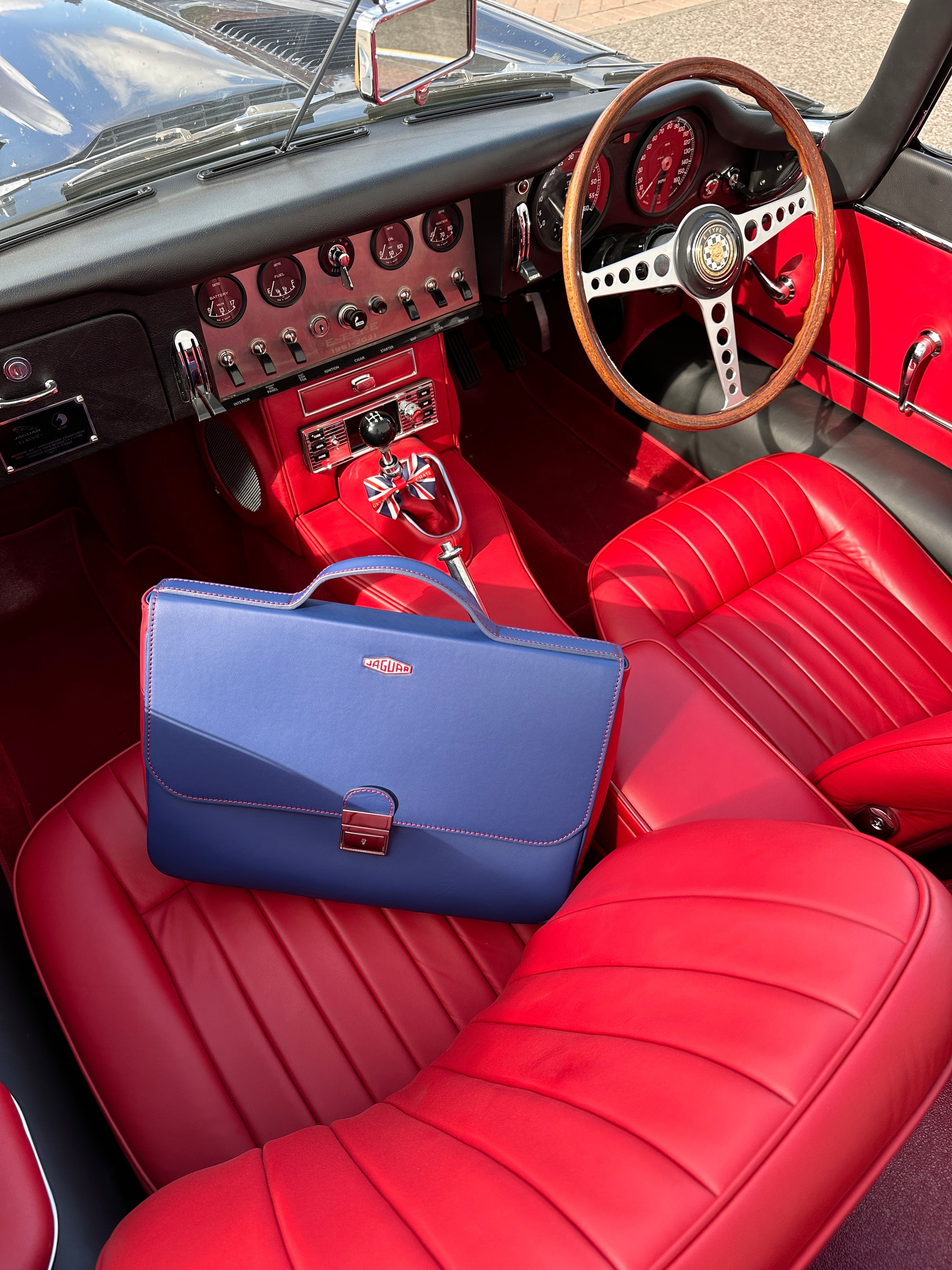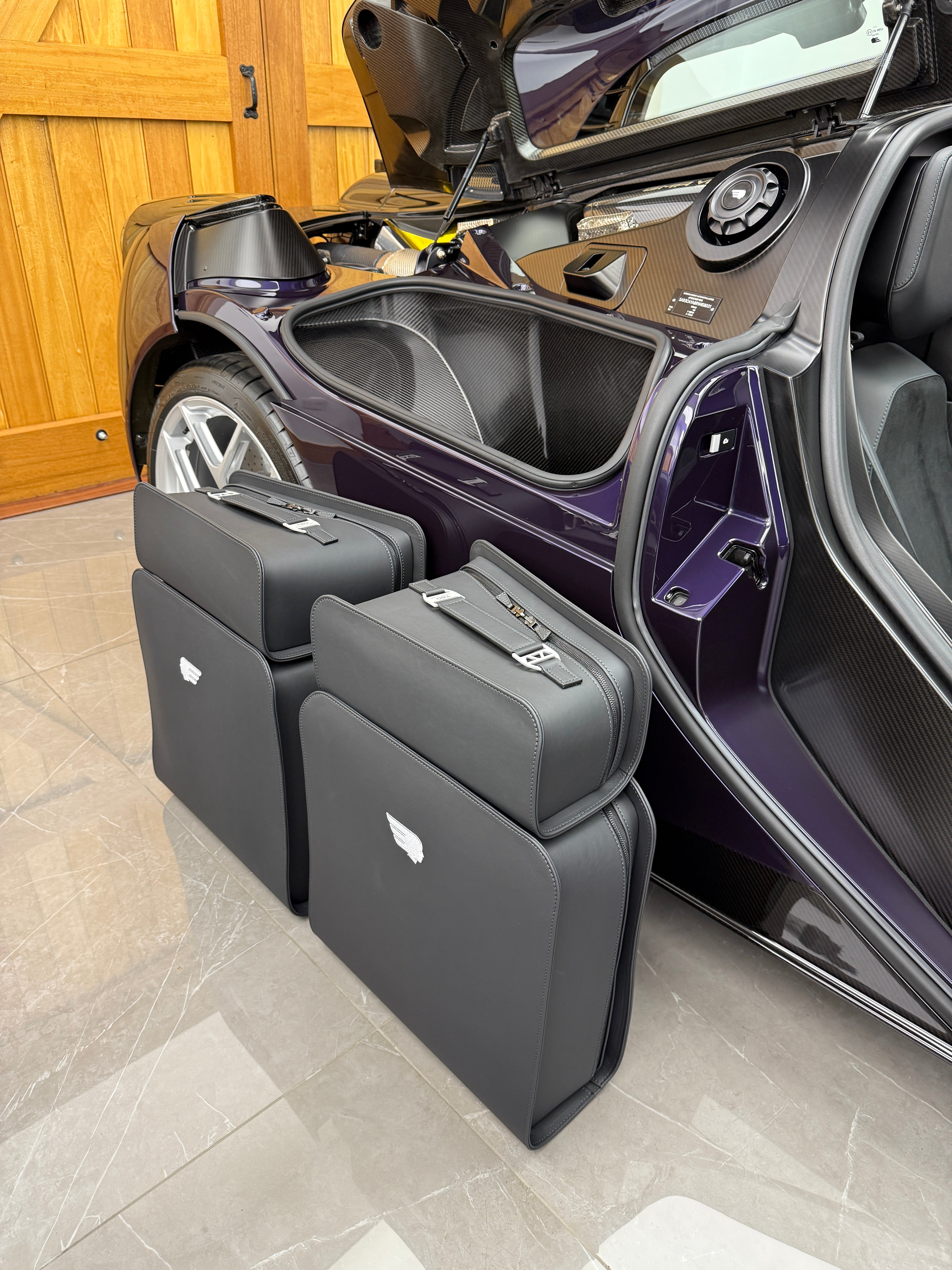


 A properly commissioned holdall should feel at home in the boot of a grand tourer, beside a race helmet in the paddock, or on the floor of a favourite hotel suite. This guide to commissioning heirloom leather pieces begins with that sense of belonging. The finest result is not simply a bag made in a preferred colour. It is an object with a clear purpose, a personal reference point and the integrity to acquire character over decades of use.
A bespoke leather piece asks more of its owner than an off-the-shelf purchase. It rewards decisions made with care: how it will travel, what it will carry, which details are meaningful, and where restraint will say more than ornament. The aim is not to create something busy. It is to create something unmistakably yours.
Start with the life the piece will lead
Before discussing hides, hardware or monograms, define the job. A leather holdall for two-night European driving trips has different requirements from a helmet bag that will move between garage, circuit and aircraft cabin. A garment carrier designed for black-tie weekends needs structure and discretion; a race day kit bag must accommodate gloves, boots, layers and the occasional damp waterproof without losing its composure.
Be precise about capacity, rather than relying on general labels such as ‘weekender’ or ‘travel bag’. Consider the luggage it will sit alongside, the dimensions of your car’s boot, whether you travel with a co-driver, and whether the piece must be carried through an airport as well as loaded into a vehicle. These practical considerations determine proportion, handle length, pocket placement and the type of closure.
There is a worthwhile trade-off here. A beautifully structured bag maintains its silhouette and protects its contents, but may be less forgiving when overpacked. A softer construction is more relaxed and can sit comfortably in tighter spaces, though it develops its character more visibly. Neither is inherently superior. The correct choice depends on the journeys ahead.
Choose leather for character, not just colour
The leather is the piece’s most expressive material. It determines the initial impression, but also how the item will age, how it responds to light and how readily it records the miles. Full-grain Tuscan leather remains compelling because its natural surface is retained, allowing it to burnish and deepen rather than merely wear out.
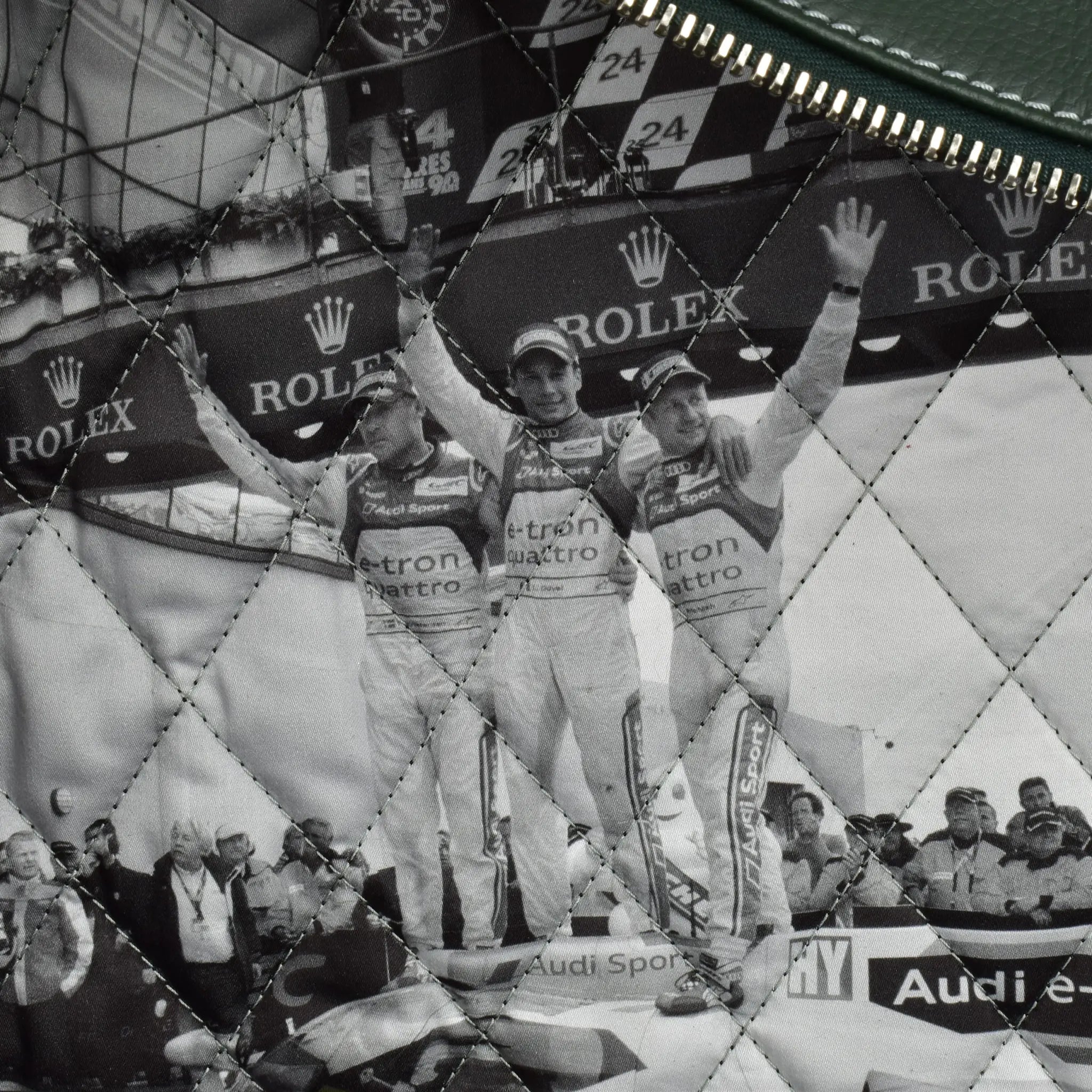
Smooth calf leather offers a clean, tailored presence, particularly suited to briefcases, garment carriers and formal travel pieces. It can make a strong choice where a car’s interior is restrained and architectural. Pebbled or grained leather has a more relaxed confidence, disguising minor scuffs and lending itself well to frequent use. Suede, Alcantara-style materials and technical textiles can bring softness or motorsport focus to lining and panel details, although they deserve consideration in high-contact areas where darker tones are easier to maintain.
Colour should be led by the owner’s taste, not a passing trend. Deep navy, tobacco, oxblood, racing green and black are enduring foundations, while a distinctive contrast lining can provide the private moment of theatre each time the bag is opened. If the commission references a particular motor car, take inspiration from its palette without turning the piece into a literal replica. A subtle echo of a seat stitch, hood stripe or historic racing livery will often outlast a direct colour match.
The details that make a commission personal
Personalisation earns its place when it carries a story. Initials are classic for good reason, but they are only one possibility. A lining colour drawn from a cherished interior, contrast stitching recalling a racing seat, a discreet number associated with a competition car, or a debossed family crest can make a piece deeply individual without making it ostentatious.
The most successful commissions usually work in layers. From a distance, the bag reads as an exceptionally well-made object. Closer inspection reveals the hand-finished edges, the selected leather, the precise stitch colour and the detail inside reserved for the owner. This is a more enduring approach than applying every available option at once.
Consider what must remain private. A name or message beneath an internal pocket can be more meaningful than a large external monogram. Similarly, a personalised luggage tag may offer flexibility if the piece is ever passed down. An heirloom should reflect its first owner, while leaving room for the next.
Hardware and construction deserve close attention
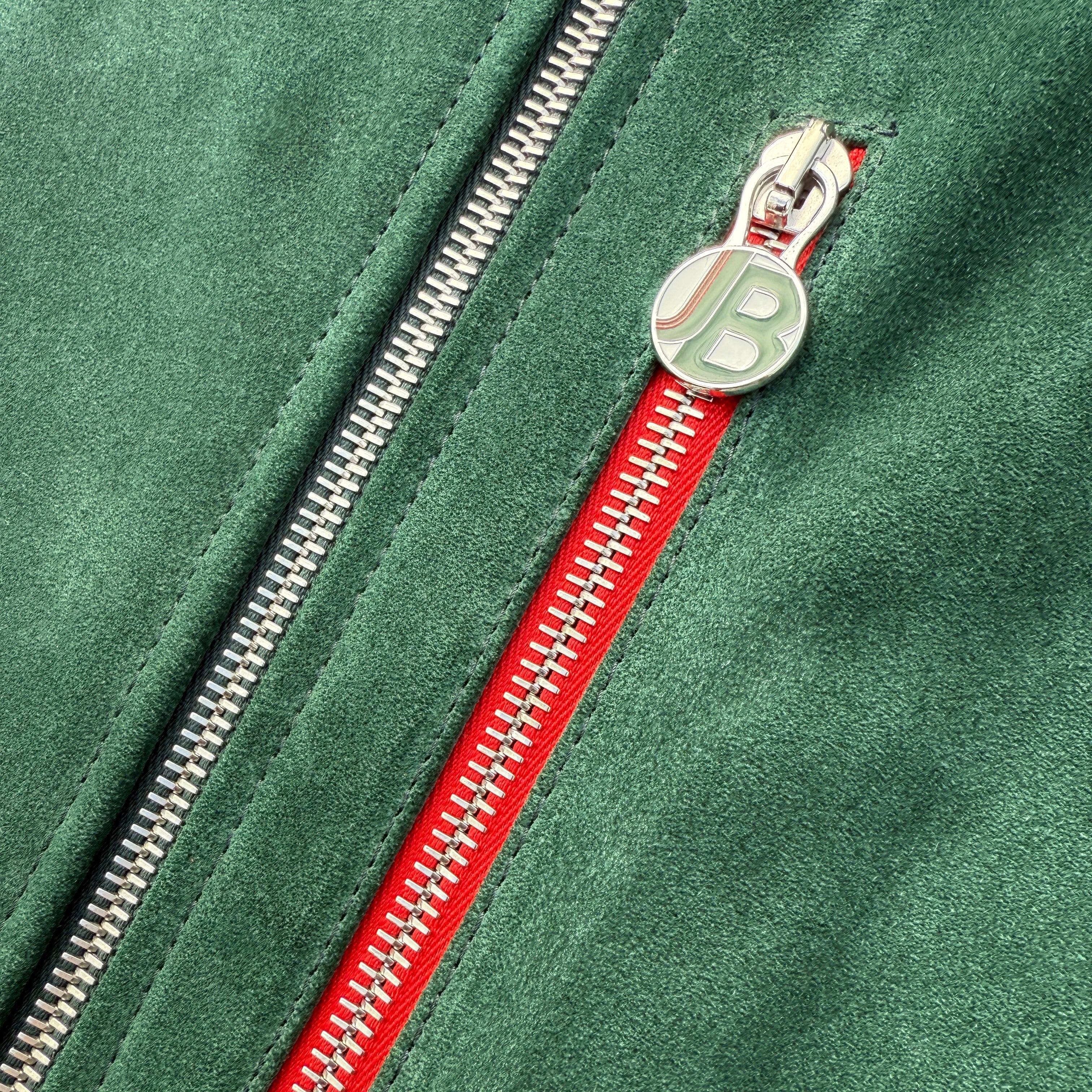
Luxury is often felt in the elements most people overlook. The pull of a zip, the weight of a buckle, the sound of a magnetic closure and the way a handle settles back into place all contribute to the experience of ownership. YKK Excella zips are prized for their smooth action and polished metal teeth, while carefully selected solid hardware gives a bag reassuring substance without making it unnecessarily heavy.
Ask how the handles are built, how stress points are reinforced and whether the base has been considered for real-world use. A holdall placed repeatedly on a garage floor, in a boot or beside a track day pit wall benefits from protected corners or discreet base feet. A leather shoulder strap should be properly lined, adjustable and comfortable enough to use, not included merely as an accessory.
Handmade Italian production matters because skilled makers can respond to the material in front of them. Leather is not a uniform sheet. Its grain, temper and natural markings influence how panels are cut and assembled. This judgement is one reason a handcrafted piece develops a different presence from a factory-standardised product.
A guide to commissioning heirloom leather pieces with restraint
A commission becomes an heirloom through use, maintenance and emotional relevance, not through a large number of options. Choose the details you will appreciate in ten years. If a bold contrast is tied to a specific car you expect to own only briefly, it may be wiser to place that reference in a removable accessory or internal feature. If it honours a family car, a racing career or a marque that has been part of your life for decades, it may deserve a more prominent role.
Scale matters, too. A large weekender can carry a richer combination of leather, lining and metalwork without feeling crowded. A slim card holder or key case benefits from a quieter palette and a single exacting detail. Let the size of the canvas guide the level of expression.
This is where a specialist maker earns confidence. At Jordan Bespoke, the commission process is informed by the same pleasure found in configuring a significant motor car: choices are considered not as isolated options, but as parts of one coherent specification. The result should feel resolved from the first stitch to the final zip pull.
Build longevity into the ownership
Even the finest leather requires sensible care. Avoid storing a bag in direct sunlight, near a radiator or in an overly dry environment. When it is not in use, empty the pockets, lightly stuff the body to preserve its form and keep it in a breathable dust bag. Plastic traps moisture and is rarely kind to natural materials.
Conditioning should be occasional and appropriate to the leather type. Over-conditioning can soften leather excessively and attract dirt, particularly on lighter hides. For most owners, gentle cleaning with a soft dry cloth and prompt attention to spills is more valuable than a shelf full of products. If a repair is needed, use a craftsperson who understands luxury leather construction rather than accepting a quick cosmetic fix.
Patina is not a flaw to be prevented at all costs. The softening of a handle, the darkening of a corner and the subtle polish where your hand reaches for the zip are the record of a life well travelled. That is precisely what separates a future heirloom from an item kept untouched for fear of use.
Give the maker a proper brief
The clearest commissions begin with a conversation, photographs and honest priorities. Bring reference images of the vehicle, interior or period that inspires you, but also explain how you pack and travel. Mention the items that always accompany you, from a laptop and watch roll to a helmet, driving shoes or camera. A maker can only solve practical problems that are known at the outset.
Decide early which elements are non-negotiable and where you are happy to take guidance. You may be certain about the exterior leather but undecided on the lining, or committed to a particular car reference while needing help translating it into something elegant. That collaborative space is often where the most distinctive ideas emerge.
The right leather piece should never feel like a souvenir of good taste. It should become part of the ritual: packed the night before an early departure, carried into a paddock, and eventually recognised by the next generation as something made with purpose. Commission it for the stories still to come, then give it the road time to earn them.